- Company Articles
- Products and Technology
- Product knowledge
- How to Choose the Right 2020 Aluminum Profile End Cap for Your Project

How to Choose the Right 2020 Aluminum Profile End Cap for Your Project
Related Product
2020 Aluminum Profile End Cap
The aluminum profile end cap adds a finishing touch to your project and closes off profile ends to limit dust and debris buildup, also it can avaid some scratch for material and labor during the assemble work.
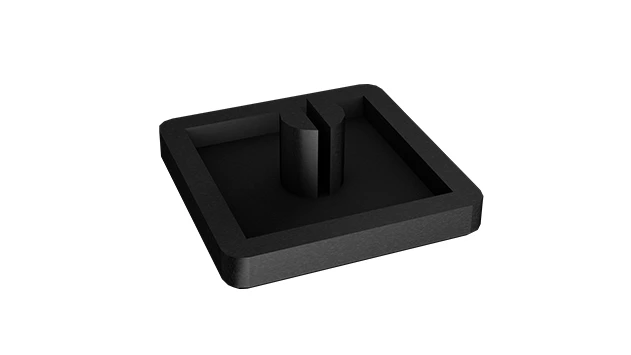
When you're knee-deep in a project involving aluminum profiles—whether building a sleek workbench for your garage, a custom storage rack for your workshop, or a frame for a retail display—there's a tiny but critical component that often gets overlooked: the end cap. It's easy to focus on the big parts: the aluminum extrusion profile itself, the connectors, the accessories. But those small, unassuming caps that snap or screw onto the ends of your profiles? They're the unsung heroes that can make or break the functionality, safety, and longevity of your finished product. And when it comes to one of the most popular profiles on the market—the 2020 aluminum profile—choosing the right end cap becomes even more important. In this guide, we'll dive deep into everything you need to know to pick the perfect 2020 aluminum profile end cap for your project, from understanding the basics of 2020 profiles to matching end cap materials with your project's unique needs.
Understanding the 2020 Aluminum Profile: Why It's a Favorite Among Makers
Before we talk end caps, let's get to know the star of the show: the 2020 aluminum profile. If you've spent any time in DIY circles, manufacturing, or industrial design, you've probably heard of it. Named for its dimensions—20mm in width and 20mm in height—this profile is a workhorse in the world of aluminum extrusion. Its T-slot design, where grooves run along the length of the profile, makes it incredibly versatile. You can slide in bolts, nuts, or accessories like brackets, panels, or even aluminum profile rubber strip to customize your build without welding or drilling.
So why is the 2020 profile so popular? For starters, its size strikes a sweet spot between strength and flexibility. It's sturdy enough to support moderate loads—think workbenches, small shelving units, or machine guards—but not so bulky that it becomes hard to handle or overkill for lighter projects. It's also widely available, thanks to its use in industries ranging from electronics manufacturing to furniture design. Whether you're a hobbyist building a 3D printer frame or a business owner constructing modular workstations, the 2020 profile offers the adaptability to bring your vision to life.
But here's the thing: those T-slots and open ends? They're also an open invitation for dust, debris, and moisture to sneak in. Not to mention, the raw ends of aluminum extrusion can be sharp—posing a safety risk if left uncovered. That's where the 2020 aluminum profile end cap comes in. It's not just a cosmetic add-on; it's a functional necessity that protects your profile, your project, and the people who interact with it.
The Role of End Caps in 2020 Aluminum Profile Projects
Let's break down exactly what end caps do. At their core, they're designed to seal the open ends of your aluminum profiles, but their benefits go far beyond that. First and foremost, they protect the internal structure of the profile. Without an end cap, dust, dirt, and even small tools can fall into the T-slots, gumming up the works and making it harder to adjust accessories later. In humid or outdoor environments, moisture can seep in, leading to corrosion over time—especially if your profile isn't anodized or coated. An end cap acts as a barrier, keeping these unwanted elements out and extending the life of your project.
Safety is another big factor. Aluminum extrusion ends, even when cut cleanly, can have sharp edges or burrs. If you've ever brushed against an uncovered profile end, you know it can leave a nasty scratch. For projects like workbenches or retail displays that people interact with daily, end caps soften these edges, reducing the risk of cuts or injuries. This is especially important in settings with kids, customers, or employees who might lean against or bump into the frame.
Aesthetics matter too. Let's face it: an open profile end looks unfinished. End caps give your project a polished, professional look, hiding the raw aluminum and creating clean lines. Whether you're building something for your home or a client, those little details make a big difference in how the final product is perceived.
Finally, end caps can even enhance functionality in some cases. Some designs include built-in features like holes for cables (great for electronics projects) or slots for T-slot rubber seal cover, which adds an extra layer of protection against dust and moisture. Others are designed to snap on tightly, preventing accidental dislodging during use—perfect for high-traffic areas like factory floors or busy workshops.

Types of 2020 Aluminum Profile End Caps: Material Matters
Now that you understand why end caps are important, let's explore the different types available. End caps come in a range of materials, each with its own pros and cons. The most common options are plastic, rubber, and aluminum, but you might also encounter stainless steel or even wood (though those are less typical for 2020 profiles). Let's take a closer look at each:
Plastic End Caps: Affordable and Versatile
Plastic is the go-to material for most 2020 aluminum profile end caps, and for good reason. It's lightweight, inexpensive, and comes in a variety of colors—so you can match or contrast with your profile for a custom look. Most plastic end caps are made from polypropylene (PP) or polyethylene (PE), both of which are durable, impact-resistant, and resistant to chemicals. They're also easy to install: many are designed to snap on, requiring no tools—just a firm push until they click into place. This makes them ideal for quick projects or for anyone who wants a hassle-free installation.
That said, plastic end caps have limitations. They're not as strong as metal options, so they might crack or break if subjected to heavy impacts or extreme temperatures. They also aren't the best choice for outdoor projects exposed to direct sunlight over time, as UV rays can cause them to fade or become brittle. But for indoor projects like workbenches, shelving, or 3D printer frames, plastic end caps are often the most practical and cost-effective choice.
Rubber End Caps: For Sealing and Cushioning
If sealing and cushioning are your top priorities, rubber end caps might be the way to go. Made from materials like EPDM or silicone, they're flexible and conform tightly to the profile end, creating a watertight seal that's great for humid environments or projects near water (like a garage workbench near a sink). Rubber also offers better shock absorption than plastic, making it a good choice for projects that might get bumped or moved around, like portable carts or turnover trolley and rack systems.
One thing to note: rubber end caps are usually a bit pricier than plastic ones, and they can be trickier to install because they're stretchy. You might need to lubricate the inside with a little soapy water to slide them on, but once they're in place, they stay put. They also come in fewer color options—typically black or gray—and can attract dust more easily than plastic. Still, for applications where sealing and durability in harsh conditions are key, rubber is worth the investment.
Aluminum End Caps: For Strength and Aesthetics
For projects that demand a premium look or extra strength, aluminum end caps are the way to go. Made from the same material as the profile itself, they blend seamlessly, creating a sleek, monochromatic appearance that's perfect for high-end displays or industrial machinery. Aluminum is also incredibly durable—resistant to impacts, UV rays, and corrosion (especially if anodized). This makes them ideal for outdoor projects, heavy-duty workbenches, or settings where the end caps might be subjected to rough handling.
The downside? Aluminum end caps are the most expensive option, and they usually require screws or bolts to install, which adds a bit of time to your project. They're also heavier than plastic or rubber, which might be a consideration for lightweight builds. But if you want your project to look and feel professional, and you need end caps that will last as long as the profile itself, aluminum is hard to beat.

Key Factors to Consider When Choosing a 2020 Aluminum Profile End Cap
Now that you know the types of end caps available, how do you choose the right one for your project? Here are the key factors to keep in mind:
1. Project Environment
Where will your project live? Indoor or outdoor? In a dry workshop or a humid garage? If it's outdoors or in a damp area, you'll want an end cap with good sealing properties—rubber or a plastic cap with a tight fit. For outdoor use, avoid plastic caps that aren't UV-resistant, as they'll degrade quickly. Aluminum or rubber are better bets here. If your project is indoors and low-traffic, plastic should work just fine.
2. Intended Use
How will the project be used? If it's a workbench that will see daily use with tools being set down or dropped nearby, you'll want a durable end cap that can handle impacts—aluminum or heavy-duty plastic. For a retail display that's mostly for show, aesthetics might matter more, so aluminum or a colored plastic cap that matches your brand could be better. If the project is a cart that gets moved around, rubber end caps can help absorb shocks when it's rolled over uneven floors.
3. Installation and Adjustability
Do you need to disassemble your project later? Snap-on plastic end caps are easy to remove if you need to access the T-slots, while screw-on aluminum caps might require tools. If you're not sure how the project will evolve, opt for a cap that's easy to install and remove. On the flip side, if you want a permanent seal, a glued or press-fit end cap (though less common) might be an option—just be sure you won't need to adjust anything later.
4. Budget
Let's talk cost. Plastic end caps are the most budget-friendly, usually costing just a few cents each. Rubber caps are mid-range, and aluminum caps can be several dollars apiece. If you're building a large project with dozens of profile ends, the cost can add up quickly. Balance your needs with your budget—there's no need to splurge on aluminum caps for a simple garage shelf, but don't skimp on cheap plastic for a client's high-end display.
Comparing Common 2020 Aluminum Profile End Cap Options
To help you visualize the differences, let's compare the most popular end cap types side by side:
| End Cap Type | Material | Installation | Pros | Cons | Best For |
|---|---|---|---|---|---|
| Snap-On Plastic | Polypropylene (PP) | Tool-free (snap fit) | Affordable, easy to install, variety of colors | Less durable, not UV-resistant | Indoor workbenches, shelving, 3D printer frames |
| Rubber Seal | EPDM/Silicone | Stretchy fit (may need lubrication) | Watertight, shock-absorbent, good for humid areas | More expensive, limited colors, attracts dust | Outdoor projects, humid workshops, portable carts |
| Screw-On Aluminum | Aluminum (anodized) | Requires screws/tools | Durable, UV-resistant, professional look | Costly, heavier, harder to remove | High-end displays, industrial machinery, outdoor structures |
| T-Slot Compatible | Plastic/Rubber | Snap or press fit | Integrates with T-slot rubber seal cover, extra sealing | Limited availability, may not fit all profiles | Projects needing extra dust/moisture protection |
Common Mistakes to Avoid When Choosing End Caps
Even with all this information, it's easy to make missteps when selecting end caps. Here are some common mistakes to watch out for:
Choosing the wrong size:
This might seem obvious, but 2020 profiles can vary slightly in tolerance depending on the manufacturer. A cap that's too loose will fall off, while one that's too tight might crack when installing. Always check the dimensions of both your profile and the end cap—look for caps specifically labeled "2020" to ensure a proper fit. If you're unsure, buy a small sample pack first to test.
Ignoring environmental factors:
As we mentioned earlier, outdoor or humid projects need more durable end caps. Don't assume a basic plastic cap will hold up in the rain or sun—you'll end up replacing them sooner than later.
Overlooking safety in high-traffic areas:
If your project will be in a place where people (especially kids) might touch it, skip the cheap, brittle plastic caps that can crack and leave sharp edges. Opt for rubber or aluminum for added safety.
Forgetting about future adjustments:
If you think you might need to add or move accessories in the T-slots later, avoid permanently attached end caps like glued-on rubber. Snap-on or screw-on caps are easier to remove when needed.
Installing Your 2020 Aluminum Profile End Cap: Tips for Success
Once you've chosen the right end cap, proper installation is key to ensuring it works as intended. For snap-on plastic caps, start by cleaning the profile end with a dry cloth to remove any dust or debris. Then, align the cap with the end of the profile, making sure any tabs or notches line up with the T-slots. Apply even pressure with your palms—you should hear a "click" when it's seated correctly. If it's tight, try warming the cap slightly with a hair dryer (for plastic) to make it more flexible.
For rubber caps, lubricate the inside with a drop of dish soap mixed with water to reduce friction. Slide the cap onto the profile end, using a twisting motion if needed to get it started. Once it's on, wipe away any excess lubricant. For screw-on aluminum caps, first thread the screws into the cap (don't tighten them all the way), then align the cap with the profile end and hand-tighten the screws until they're snug—over-tightening can strip the threads or warp the cap.
After installation, give the cap a gentle tug to make sure it's secure. If it comes off easily, it might be the wrong size or not seated properly. Double-check the fit and try again.
Beyond End Caps: Complementary Aluminum Profile Accessories
End caps are just one part of the aluminum profile accessory ecosystem. To get the most out of your 2020 profile project, consider pairing them with other accessories that enhance functionality and protection. For example, aluminum profile rubber strip can be inserted into T-slots to reduce noise, prevent scratches on tools or materials, or add a non-slip surface. T-slot rubber seal cover, as mentioned earlier, works with compatible end caps to create a tighter seal against dust and moisture—great for electronics projects or outdoor use.
Other useful accessories include corner brackets for reinforcing joints, caster wheels for mobility, and panel mounts for adding shelves or walls. When choosing these, make sure they're compatible with 2020 profiles—most manufacturers list the profile sizes their accessories work with. And remember, the goal is to create a cohesive system where every part works together to make your project stronger, safer, and more efficient.
Conclusion: Invest in the Right End Cap for a Project That Lasts
At the end of the day, choosing the right 2020 aluminum profile end cap is about more than just slapping a cover on the end of a stick of metal. It's about protecting your investment, ensuring safety, and creating a finished product you can be proud of. Whether you opt for budget-friendly plastic, weather-resistant rubber, or sleek aluminum, the key is to match the end cap to your project's environment, use case, and aesthetic goals.
Take the time to research your options, test samples if needed, and avoid common pitfalls like choosing the wrong size or ignoring environmental factors. Your project—and everyone who uses it—will thank you. After all, the best projects are built with care, right down to the smallest details. And when it comes to aluminum profiles, that detail is the end cap.
So, the next time you're planning a project with 2020 aluminum profiles, don't overlook those little caps. They might be small, but they play a big role in making your build a success. Happy building!