- Company Articles
- Products and Technology
- Product knowledge
- How to Choose the Right 3030 Aluminum Profile End Cap for Your Project

How to Choose the Right 3030 Aluminum Profile End Cap for Your Project
Related Product
3030 Aluminum Profile End Cap
The aluminum profile end cap adds a finishing touch to your project and closes off profile ends to limit dust and debris buildup, also it can avaid some scratch for material and labor during the assemble work.
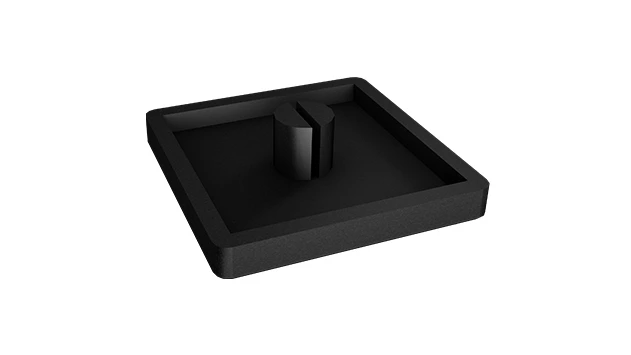
If you've ever worked with aluminum profiles, you know the satisfaction of building something functional and durable—whether it's a workbench, a material rack, or a custom storage system. But even the most well-designed projects can feel incomplete without the right finishing touches. One often-overlooked detail? The end caps that cover the exposed ends of your 3030 aluminum profiles. These small components do more than just make your project look polished; they protect against sharp edges, prevent debris from clogging T-slots, and even extend the lifespan of your structure. In this guide, we'll walk you through everything you need to know to choose the perfect 3030 aluminum profile end cap for your next build, from understanding materials and types to avoiding common mistakes.
What Are 3030 Aluminum Profile End Caps, Anyway?
Let's start with the basics. 3030 aluminum profiles are a staple in DIY and industrial projects thanks to their versatility, strength, and modular design. The "3030" refers to their cross-sectional dimensions: 30mm by 30mm, making them ideal for medium-duty applications like workbenches, shelving, and machine guards. But like any extruded aluminum product, these profiles have open ends—raw, unfinished edges that can be sharp, unsightly, and prone to collecting dust, dirt, or moisture.
That's where 3030 aluminum profile end caps come in. These are small, often plastic or rubber covers designed to fit snugly over the exposed ends of 3030 profiles. Think of them as the "caps" on a marker—simple, but essential for keeping the inside clean and the outside safe. Beyond aesthetics, they serve three key purposes:
- Safety: They eliminate sharp edges that could cause cuts or snag clothing.
- Protection: They block dust, liquids, and debris from entering T-slots, which can corrode the aluminum or jam accessories like bolts and brackets.
- Professionalism: They give your project a refined, finished look, turning a "homemade" assembly into something that looks factory-built.
But not all end caps are created equal. Choosing the wrong one can lead to loose fits, premature wear, or even damage to your profiles. Let's dive into the different types available.
Types of 3030 Aluminum Profile End Caps
End caps come in a few main styles, each suited to different projects and preferences. The right choice depends on how you plan to use your aluminum structure, where it will be located, and how much you prioritize factors like ease of installation or durability.
1. Push-Fit End Caps
Push-fit end caps are the most common—and for good reason. As the name suggests, they're designed to be pressed onto the end of a profile without screws, adhesives, or special tools. They typically have a slightly flexible design, with a lip or ridge that grips the inner walls of the profile's T-slots to stay in place. Think of them like a tight-fitting lid on a jar—no extra hardware needed.
These are ideal for projects where you might need to remove the end caps later (e.g., to access T-slots for modifications) or for temporary structures. They're also budget-friendly and quick to install—great for DIYers or anyone working on a tight timeline. However, they may not hold up as well in high-vibration environments (like near machinery) or if the profile is frequently moved, as they can loosen over time.
2. Screw-On End Caps
For a more permanent solution, screw-on end caps are the way to go. These caps have pre-drilled holes that align with the T-slots in your 3030 profile, allowing you to secure them with small screws or bolts (often included with the caps). This extra step adds stability, making them perfect for heavy-duty applications, outdoor use, or structures that will see a lot of wear and tear—like material racks in a busy warehouse or workbenches in a garage.
The downside? They take a bit more time to install, and you'll need a screwdriver or hex key. They also leave small screw heads visible, which some people find less aesthetically pleasing than the seamless look of push-fit caps. Still, if reliability is your top priority, screw-on caps are worth the extra effort.
3. Domed vs. Flat End Caps
Beyond installation style, end caps also come in two main shapes: domed (rounded) and flat. Flat end caps sit flush with the end of the profile, creating a sleek, minimalist look. They're great for projects where you want the focus to be on the structure itself, like a modern workbench or a display shelf. Domed caps, on the other hand, have a curved, convex top that adds a subtle design element. They're often chosen for safety in high-traffic areas—their rounded shape is less likely to catch on clothing or equipment than a flat edge.
There's no "better" shape here—it all comes down to personal preference and the project's function. For example, a flat cap might be better for a workbench where you want to maximize usable surface area, while a domed cap could be safer on a material rack that employees walk past daily.

Materials Matter: What Are End Caps Made Of?
End caps might seem simple, but the material they're made from can make a big difference in performance. Let's break down the most common options and when to choose each.
Plastic (PVC/Nylon)
Plastic is by far the most popular material for 3030 end caps, and for good reason. It's affordable, lightweight, and comes in a range of colors (though black and white are the most common). PVC (polyvinyl chloride) is rigid and durable, making it a solid all-around choice for indoor projects. Nylon, a type of thermoplastic, is slightly more flexible and resistant to impact, which is why it's often used for push-fit caps—it can bend slightly to snap into place without cracking.
One thing to note: not all plastics are created equal. Look for end caps labeled "UV-stabilized" if your project will be outdoors or in direct sunlight. Standard plastic can become brittle over time when exposed to UV rays, leading to cracks or discoloration. For indoor use, though, basic PVC or nylon caps will work just fine.
Rubber
Rubber end caps are a niche but useful option, especially if you need a snug, grippy fit or extra protection against impacts. They're softer than plastic, which makes them ideal for projects where the profile ends might come into contact with other surfaces—like the legs of a workbench that sits on a concrete floor. Rubber also has natural shock-absorbing properties, which can reduce noise if the structure is moved or bumped.
The tradeoff? Rubber is less rigid than plastic, so it may not hold its shape as well in T-slots over time. It's also more expensive and harder to find in standard colors, so it's best reserved for specialized applications.
Metal (Aluminum/Stainless Steel)
For industrial-grade durability, metal end caps are the gold standard. Made from aluminum (matching the profile itself) or stainless steel, these caps are resistant to corrosion, heat, and heavy impacts—perfect for harsh environments like factories, labs, or outdoor structures. They also offer a sleek, professional look that pairs well with high-end projects, like custom machinery or display cases.
Of course, this durability comes at a cost. Metal end caps are significantly pricier than plastic or rubber, and they're heavier, which can add up if you're using them on a large structure. They also require more care during installation—aluminum caps, for example, can scratch easily if you use the wrong tools.
Pro Tip:
If you're unsure which material to choose, start with plastic for indoor, low-vibration projects (like a home workshop workbench) and upgrade to screw-on plastic or metal for outdoor or heavy-duty use (like a material rack in a warehouse).

Key Factors to Consider When Choosing an End Cap
Now that you know the basics of types and materials, let's dive into the nitty-gritty of selecting the right end cap for your project. These five factors will help narrow down your options.
1. Profile Dimensions: Not All 3030s Are Exactly 30x30mm
This might sound obvious, but it's a common mistake: assuming all 3030 profiles have identical internal dimensions. In reality, minor variations in extrusion tolerances or T-slot designs can affect how well an end cap fits. For example, some 3030 profiles have thicker walls, which reduces the inner diameter, while others have deeper T-slots that change the shape of the opening.
To avoid buying caps that are too loose or too tight, always measure the inner dimensions of your profile's end before purchasing. Use a caliper for accuracy—measure the width and height of the opening, as well as the depth of any T-slots. Most end cap manufacturers list their products' dimensions (e.g., "fits 30x30mm profiles with 2mm wall thickness"), so you can match them to your measurements.
2. Project Environment: Indoor, Outdoor, or High-Moisture?
Where your structure lives will dictate the material and type of end cap you need. Let's break it down:
- Indoor, dry environments (e.g., home workshops, offices): Basic push-fit plastic caps will work here. They're affordable, easy to install, and don't need extra weather resistance.
- Outdoor or high-moisture areas (e.g., garages, gardens): Opt for UV-stabilized plastic or stainless steel caps to prevent fading, cracking, or rust. Screw-on caps are also a good idea here, as rain or humidity can loosen push-fit caps over time.
- High-vibration settings (e.g., near machinery, workshops with power tools): Screw-on caps are a must—vibration can shake loose even the tightest push-fit cap. Metal or impact-resistant nylon are also better choices than standard PVC.
- Clean rooms or labs: Look for end caps with smooth surfaces (no crevices for dust to hide) and materials that resist chemicals, like nylon or stainless steel.
3. Aesthetics: Function vs. Form
While end caps are primarily functional, there's no shame in wanting them to look good, too. If your project is on display (like a retail shelving unit or a home office desk), consider color-matching the caps to your profiles. Most plastic caps come in black, white, or silver (to match aluminum), but some brands offer custom colors for a more personalized touch.
Domed caps can add a subtle design flair, while flat caps keep things minimalist. If you're using aluminum profiles with a brushed or anodized finish, metal end caps can complement that look—just be prepared to pay more for the cohesive aesthetic.
4. Compatibility with Other Aluminum Profile Accessories
If you're using other aluminum profile accessories—like aluminum profile rubber strips for sealing gaps or aluminum profile fixings for mounting components—you'll want to ensure your end caps play nice with them. For example, if you're using a rubber strip to seal the edge of a workbench, a flat plastic end cap will sit flush against it, while a domed cap might create a small gap.
Similarly, some end caps are designed to work with specific T-slot accessories. Screw-on caps, for instance, may require using the same size bolts as your other fixings to avoid compatibility issues. When in doubt, check the manufacturer's specs or reach out to their customer support—most reputable suppliers are happy to help you coordinate accessories.
5. Budget: Balancing Cost and Quality
End caps are relatively inexpensive, but costs can add up if you're using them on a large project (e.g., a shelving unit with dozens of profile ends). Here's a rough price breakdown to help you budget:
- Plastic push-fit caps: $0.50–$2.00 each (most affordable option)
- Plastic screw-on caps: $1.50–$3.00 each (slightly more due to hardware)
- Rubber caps: $3.00–$5.00 each (niche use, higher cost)
- Metal caps: $5.00–$10.00 each (industrial-grade, premium price)
As a general rule, it's worth investing in higher-quality caps for high-stress areas (like the legs of a workbench) and sticking to budget-friendly options for less critical parts (like the top edges of a shelf that rarely get touched). There's no need to splurge on stainless steel caps for a small indoor project—save that budget for other aluminum profile accessories that add functionality, like brackets or casters.
How to Install 3030 Aluminum Profile End Caps: A Step-by-Step Guide
Even the best end cap won't perform well if it's installed incorrectly. Follow these steps for a snug, long-lasting fit:
For Push-Fit Caps:
- Clean the profile end: Wipe away dust, debris, or oil with a dry cloth. Any dirt on the surface can prevent the cap from seating properly.
- Align the cap: Hold the cap so that any ridges or tabs align with the profile's T-slots. Most push-fit caps have a lip that fits into the inner edge of the profile—make sure this lip is facing the right direction.
- Press firmly: Use even pressure to push the cap onto the end of the profile. You should feel a slight "snap" when it's fully seated. If it's too tight, warm the cap with a hair dryer for a few seconds (plastic becomes more flexible when heated) to avoid cracking.
- Test for tightness: Give the cap a gentle tug. It should stay in place without wobbling. If it comes off easily, it's too loose—try a different size or a cap with a thicker lip.
For Screw-On Caps:
- Prep the profile: Clean the end and mark the positions of the T-slots where the screws will go. If your cap doesn't have pre-drilled holes, use a pencil to mark where to drill based on the T-slot spacing.
- Drill pilot holes (if needed): For metal profiles, drill small pilot holes (1–2mm diameter) to prevent the aluminum from cracking when you insert the screws. Plastic caps usually come with pre-drilled holes, so you can skip this step.
- Attach the cap: Place the cap on the profile end, aligning the holes with the T-slots. insert the screws and tighten them with a screwdriver or hex key—be careful not to over-tighten, as this can strip the plastic or damage the profile.
- Check for stability: The cap should sit flush against the profile with no gaps. If it's crooked, loosen the screws, reposition, and try again.
Common Mistakes to Avoid
Even seasoned DIYers make mistakes when choosing end caps. Here are the most frequent ones—and how to steer clear of them:
Mistake #1: Assuming "3030" Means One-Size-Fits-All
As we mentioned earlier, minor variations in profile design can affect fit. A cap that works for a 3030 profile with 1.5mm walls might be too loose for one with 2mm walls. Always measure your profile's inner dimensions before buying—don't rely solely on the "3030" label.
Mistake #2: Ignoring Material Compatibility
Using a plastic cap in a high-heat environment (like near a 3D printer or welding station) is a recipe for disaster—plastic can melt or warp, leaving the profile end exposed. Similarly, rubber caps in direct sunlight will degrade quickly. Always match the material to the environment.
Mistake #3: Skipping the Cleaning Step
Dust, oil, or metal shavings on the profile end can prevent push-fit caps from gripping properly or cause screw-on caps to loosen over time. A quick wipe with a cloth takes 30 seconds and can save you from having to re-install caps later.
Mistake #4: Over-Tightening Screw-On Caps
It's tempting to crank down on the screws to ensure a tight fit, but this can crack plastic caps or strip the threads in T-slots. Tighten until the cap is snug—you'll feel resistance, but the screw shouldn't require excessive force.
Top 3030 Aluminum Profile End Caps: A Comparison Table
| Product Name | Material | Type | Best For | Price Range | Pros | Cons |
|---|---|---|---|---|---|---|
| Standard PVC Push-Fit End Cap | PVC | Push-fit, flat | Indoor workbenches, shelving | $0.50–$1.00 | Affordable, easy to install, sleek look | Not UV-resistant, loosens in high vibration |
| Heavy-Duty Nylon Screw-On Cap | Nylon | Screw-on, domed | Outdoor racks, high-traffic areas | $2.00–$3.50 | Impact-resistant, UV-stabilized, secure fit | Requires tools, visible screw heads |
| Stainless Steel Industrial End Cap | Stainless steel | Screw-on, flat | Factories, labs, heavy machinery | $8.00–$12.00 | Corrosion-proof, heat-resistant, ultra-durable | Expensive, heavy, requires pilot holes |
| Rubber Grip End Cap | Natural rubber | Push-fit, flat | Workbench legs, floor contact points | $3.00–$4.50 | Shock-absorbent, non-slip, quiet | Less rigid, limited color options |
Final Thoughts: The Small Part That Makes a Big Difference
At the end of the day, 3030 aluminum profile end caps might seem like a minor detail—but they're a critical one. They protect your project, enhance its safety, and give it that polished, professional look that turns a "good" build into a "great" one. By taking the time to consider your project's environment, material needs, and aesthetic goals, you'll ensure your end caps work as hard as the rest of your aluminum structure.
Remember: measure twice, choose the right material, and don't skimp on installation. With the tips in this guide, you'll be well on your way to selecting end caps that not only fit perfectly but also stand the test of time. Whether you're building a simple shelf or a complex industrial system, the right end caps are the finishing touch that makes all the difference.