- Company Articles
- Products and Technology
- Product knowledge
- How to Choose the Right 3060 Aluminum Profile End Cap for Your Rack

How to Choose the Right 3060 Aluminum Profile End Cap for Your Rack
Related Product
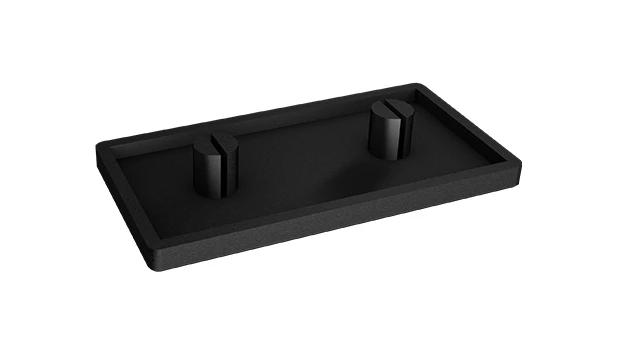
3060 Aluminum Profile End Cap
The aluminum profile end cap adds a finishing touch to your project and closes off profile ends to limit dust and debris buildup, also it can avaid some scratch for material and labor during the assemble work.
Walk into any well-organized workshop, manufacturing plant, or warehouse, and you'll likely spot a common hero of efficiency: aluminum extrusion profiles. These versatile, sturdy structures form the backbone of everything from workbenches and material racks to conveyor systems and assembly lines. But if you take a closer look at the best-maintained setups, you'll notice a small detail that makes a big difference: the end caps on those aluminum profiles. Specifically, for 3060 aluminum profiles—the workhorses of many industrial and commercial applications—choosing the right end cap isn't just about aesthetics. It's about safety, durability, and ensuring your racks and workbenches stand the test of time.
In this guide, we'll dive deep into the world of 3060 aluminum profile end caps. We'll cover why they matter, how to understand the profiles they're designed for, the different types of end caps available, and the key factors to consider when selecting one for your rack or workbench. Whether you're a seasoned facility manager, a small business owner setting up a new workspace, or a DIY enthusiast building your first aluminum frame, by the end of this article, you'll have the knowledge to make an informed choice that balances functionality, budget, and practicality.
Understanding 3060 Aluminum Profiles: The Foundation of Your Rack
Before we talk about end caps, let's start with the star of the show: the 3060 aluminum extrusion profile itself. If you're new to aluminum profiles, you might be wondering, "What makes 3060 so special?" Simply put, the numbers "3060" refer to the profile's cross-sectional dimensions: 30 millimeters in width and 60 millimeters in height. This rectangular shape strikes a perfect balance between strength and versatility, making it a go-to choice for a wide range of applications—including the racks and workbenches we're focusing on today.
3060 profiles are part of the larger family of "aluminum extrusion profiles," which are created by pushing heated aluminum through a die to form consistent, uniform shapes. What sets them apart is their T-slot design—the grooves running along their length that allow for easy attachment of accessories like brackets, shelves, and, yes, end caps. This design makes 3060 profiles incredibly adaptable; you can customize your rack or workbench with relative ease, adding or removing components as your needs change.
Common uses for 3060 profiles include heavy-duty material racks (think "Material Rack B (3 Row and 3 Floor)" setups), industrial workbenches, and even lightweight conveyor systems. Their popularity stems from their ability to support significant weight without bending, while still being lightweight enough to move or reconfigure when needed. But here's the thing: the raw ends of an aluminum extrusion profile are sharp. Without an end cap, those sharp edges pose a safety risk—think cuts to hands, snags on clothing, or damage to products sliding across a rack. They also leave the interior of the profile exposed to dust, debris, and moisture, which can lead to corrosion over time. That's where end caps come in.
What Are Aluminum Profile End Caps, and Why Do They Matter?
Aluminum profile end caps are small, often overlooked accessories that fit snugly over the exposed ends of aluminum extrusion profiles. Think of them as the "finishing touch" that completes the profile, turning a functional but unfinished piece into a polished, safe, and durable component of your rack or workbench. But their role goes far beyond looks. Let's break down their key benefits:
- Safety First: Raw aluminum profile ends are sharp—sharp enough to cause painful cuts or scratches. End caps blunt these edges, making your rack safer for anyone working around it, from employees loading materials to maintenance staff cleaning the area.
- Protection Against Debris: The T-slots and hollow interior of aluminum profiles are magnets for dust, dirt, and small particles. Over time, this buildup can make it harder to attach accessories or even corrode the aluminum from the inside. End caps seal off the ends, keeping the interior clean and extending the profile's lifespan.
- Corrosion Resistance: If your rack is used in a humid environment, a garage, or even outdoors (though 3060 profiles are more commonly indoor), moisture can seep into the open ends of the profile. End caps act as a barrier, preventing rust and corrosion that could weaken the structure.
- Aesthetics: Let's not discount the visual appeal. A rack with exposed, sharp profile ends looks unfinished and unprofessional. End caps give your setup a clean, cohesive look—important if clients or visitors tour your facility.
- Noise Reduction: In busy environments, metal-on-metal contact can create annoying clatter. Soft plastic end caps, for example, can dampen noise when items are placed on or moved around the rack.
In short, end caps are an essential part of the "aluminum profile accessories" ecosystem. They might seem like a minor purchase, but skimping on them can lead to bigger issues down the line—from safety hazards to premature wear and tear on your expensive aluminum profiles.

Types of 3060 Aluminum Profile End Caps: Which One Is Right for You?
Not all end caps are created equal. Just as 3060 profiles come in different finishes and wall thicknesses, end caps are designed with specific features to suit different needs. Let's explore the most common types, their pros and cons, and when to use them.
1. Material: Plastic vs. Metal End Caps
The first decision you'll face is material. Most end caps are made from either plastic (typically PVC or nylon) or metal (aluminum or stainless steel). Each has its own strengths:
| Material | Key Features | Best For | Price Range |
|---|---|---|---|
| Plastic (PVC/Nylon) | Lightweight, cost-effective, easy to install (often snap-on), available in colors, good noise dampening | Indoor racks, workbenches, low-heat environments, budget-friendly projects | Low ($0.50–$2 per cap) |
| Metal (Aluminum/Stainless Steel) | Durable, heat-resistant, corrosion-resistant (stainless steel), high strength | Heavy-duty racks, outdoor use, high-temperature environments, industrial settings | Medium-High ($2–$8 per cap) |
Plastic end caps are the most popular choice for general-purpose use. They're affordable, come in a variety of colors (like the yellow and grey plastic roller track guide rails you might see in material handling setups), and are a breeze to install—most snap on without the need for tools. They're ideal for indoor racks, workbenches, or any application where weight and heat aren't major concerns. However, they're not as durable as metal; over time, they can crack or fade if exposed to direct sunlight or heavy impacts.
Metal end caps are the heavyweights. Aluminum end caps match the look of your 3060 profile, creating a seamless, professional finish, while stainless steel offers superior corrosion resistance—perfect for humid or outdoor environments. They're also heat-resistant, making them a good choice near welding stations or ovens. The downside? They're pricier and often require screws or adhesive to install, which adds a bit of time to your setup.
2. Installation Style: Snap-On vs. Screw-On End Caps
Next, consider how the end cap attaches to the profile. The two main styles are snap-on and screw-on:
Snap-on end caps are designed with flexible tabs or lips that "snap" into the T-slots or the interior of the 3060 profile. They're the quickest to install—simply align the cap with the end of the profile and press firmly until it clicks into place. This makes them great for projects where you might need to remove or replace end caps later (e.g., cleaning the profile interior). However, they're not the most secure option; in high-vibration environments (like near a conveyor system), they can sometimes pop off.
Screw-on end caps have pre-drilled holes that align with holes in the profile (or require drilling small pilot holes). You secure them with tiny screws (often included with the cap). This style is more secure than snap-on, making it ideal for heavy-duty racks, mobile trolleys, or any setup that moves or vibrates regularly. The tradeoff? Installation takes longer, and you'll need a screwdriver or drill. Plus, if you ever need to remove them, you risk stripping the screws or damaging the profile.
3. Design: Standard vs. Custom End Caps
Most end caps are "standard"—designed to fit the exact dimensions of a 3060 profile (30mm x 60mm) with a snug, universal fit. But if your project has unique needs, you might opt for custom end caps. For example:
- ESD (Electrostatic Discharge) End Caps: Made from conductive materials, these are critical in electronics manufacturing or labs where static electricity could damage sensitive components. They're often paired with ESD workbenches or ESD workstation setups.
- Vented End Caps: For profiles used in enclosures or where airflow is important (e.g., housing electrical components), vented end caps allow air circulation while still keeping out debris.
- Logo or Branded End Caps: In commercial settings, some businesses customize end caps with their logo for a professional, branded look—though this is more common in high-end retail displays than industrial racks.
Unless you have a specific need like ESD protection, standard end caps will almost always suffice for 3060 profile racks. Custom options are more expensive and take longer to source, so save them for specialized projects.

Key Factors to Consider When Choosing 3060 End Caps
Now that you know the types of end caps available, let's walk through the step-by-step process of choosing the right one for your rack. These factors will help narrow down your options and ensure you get a cap that checks all the boxes.
1. Compatibility: Ensure It Fits Your 3060 Profile
This might seem obvious, but it's worth emphasizing: not all end caps fit all aluminum profiles. A 2020 end cap (for 20mm x 20mm profiles) won't work on a 3060, and vice versa. Always check the product description to confirm the end cap is specifically designed for 3060 aluminum extrusion profiles. Some manufacturers list dimensions (e.g., "30x60mm end cap"), while others use the profile series name (e.g., "3060 series end cap"). If you're unsure, measure the end of your profile—30mm (width) x 60mm (height)—and compare it to the end cap's specs.
Pro tip: If you're buying your 3060 profiles and end caps from the same supplier (like a reputable aluminum profile supplier), ask if they offer matching end caps. This ensures a perfect fit, as the supplier will have designed the accessories to work with their own profiles.
2. Application: What's the End Cap Protecting?
Consider how you'll use the rack or workbench with the 3060 profile. A material rack used to store heavy metal parts will have different needs than a lightweight workbench in a craft studio:
- Heavy-Duty Racks: If your rack holds 50+ kg per shelf (like a "Material Rack B (3 Row and 3 Floor)" storing automotive parts), opt for metal end caps or heavy-duty plastic (nylon) caps. They'll stand up to impacts from dropping or sliding items.
- Workbenches: For a "Workbench E (Single Deck-Without Caster)" used for assembly, snap-on plastic end caps are usually sufficient. They're easy to replace if they get scuffed, and their softness won't damage delicate tools or products.
- Mobile Trolleys: Trolleys with casters (like "Turnover Trolley and Rack" setups) vibrate when moved, so screw-on end caps are better to prevent them from popping off mid-transit.
3. Environment: Indoor, Outdoor, or Special Conditions?
Where will your rack live? The environment plays a big role in end cap longevity:
- Indoor, Climate-Controlled: Standard plastic end caps are fine here. Even budget PVC caps will last years in a dry, temperature-stable environment.
- Humid or Outdoor: Moisture is plastic's enemy over time—it can cause brittleness or mold. Go for stainless steel end caps or UV-resistant plastic (look for "weatherproof" or "outdoor-rated" labels).
- High Heat: Near furnaces, ovens, or in manufacturing processes with heat, plastic caps can warp. Aluminum end caps are heat-resistant and won't melt or deform.
- ESD-Sensitive Areas: As mentioned earlier, ESD end caps are non-negotiable in electronics, medical device, or semiconductor settings. They're often black (a common color for ESD-safe products) and labeled with ESD ratings.
4. Budget: Balancing Cost and Quality
End caps are relatively inexpensive, but costs add up if you're outfitting a large rack with dozens of profiles. Plastic snap-on caps are the most budget-friendly—you can often buy them in bulk for under $1 per cap. Metal caps, especially stainless steel, will cost more, but they're a worthwhile investment for high-use or harsh environments. Think of it this way: replacing a cracked plastic cap every 6 months costs more in the long run than buying a durable metal cap once.
If you're on a tight budget, prioritize metal caps for high-impact areas (like the bottom shelves of a rack) and plastic caps for less-used sections (like top shelves). This hybrid approach balances cost and durability.
5. Aesthetics: Does It Match Your Setup?
While functionality is key, don't ignore looks entirely. If your rack is in a visible area (like a retail backroom or a customer-facing workshop), choose end caps that complement your profile's finish. For example, silver aluminum end caps pair well with mill-finish 3060 profiles, while black plastic caps add a sleek, modern touch. Some suppliers even offer colored end caps (red, blue, yellow) to color-code racks by function (e.g., yellow for "raw materials," blue for "finished goods").
Installation Tips: How to Properly Fit Your 3060 End Cap
You've chosen the perfect end cap—now it's time to install it. While installation is straightforward, a few tips will ensure a snug, long-lasting fit:
- Clean the Profile End First: Wipe the end of the 3060 profile with a dry cloth to remove dust, oil, or debris. This helps the end cap seat properly and prevents gunk from getting trapped inside.
- Snap-On Caps: Align and Press Firmly: For snap-on caps, line up the tabs with the T-slots or interior edges of the profile. Apply even pressure with your palms (or a rubber mallet, gently) until you hear a "click." Avoid using screwdrivers or tools to pry them on—this can crack the plastic.
- Screw-On Caps: Pre-Drill Pilot Holes (If Needed): Some metal end caps come with pre-drilled holes that align with the profile's T-slots. If not, mark the holes with a pencil, drill tiny pilot holes (1–2mm diameter) into the profile, then secure the cap with the included screws. Don't overtighten—this can strip the plastic or damage the profile's threads.
- Test for Fit: After installing, give the end cap a gentle tug. It should feel secure, with no wiggle room. If it slides off easily, you may have the wrong size or a defective cap.
Pro tip: If you're installing end caps on a rack with multiple profiles, do them all at once. This ensures consistency and saves time—plus, it's satisfying to see the rack go from "unfinished" to "polished" in one go!
Common Mistakes to Avoid When Choosing End Caps
Even with the best intentions, it's easy to make missteps when selecting end caps. Here are the most common mistakes and how to steer clear of them:
- Buying the Wrong Size: Assuming "one size fits all" is a recipe for frustration. Always confirm the end cap is labeled for 3060 profiles (30x60mm). A 4040 cap (40x40mm) will be too loose, while a 2020 cap will be too small.
- Ignoring the Environment: Using plastic caps outdoors or in humid areas might save money upfront, but they'll crack or degrade quickly. Invest in weather-resistant options if needed.
- Overlooking ESD Needs: In electronics manufacturing, static electricity can ruin products. Don't skimp on ESD end caps if your workspace requires them—look for suppliers that specialize in ESD workstation accessories.
- Skipping End Caps Altogether: "They're just a small part—why bother?" Because sharp edges cause injuries, and exposed profiles collect debris. End caps are cheap insurance against accidents and premature wear.
- Choosing Price Over Quality: The cheapest plastic caps might seem like a deal, but if they crack after a month of use, you'll end up replacing them (and spending more) in the long run. Balance cost with durability.
Where to Buy 3060 Aluminum Profile End Caps: Finding a Reliable Supplier
Now that you know what to look for, where do you buy 3060 end caps? The best options are suppliers that specialize in aluminum extrusion profiles and accessories—they'll have the largest selection, expert advice, and caps designed to fit your 3060 profile perfectly. Here are a few places to start:
- Specialized Aluminum Profile Suppliers: Companies that focus on "aluminum extrusion profile" and "aluminum profile accessories" (like the keywords listed earlier) are your best bet. They often stock 3060-specific end caps in both plastic and metal, and can answer questions about fit and material.
- Industrial Supply Stores: Chains like Grainger or McMaster-Carr carry a range of end caps, though their selection might be more limited to standard options. They're great for quick, local purchases if you need caps ASAP.
- Online Marketplaces: Amazon, eBay, or Alibaba have plenty of options, but be cautious. Read reviews carefully, and confirm the seller specifies "3060 aluminum profile end cap" to avoid counterfeit or mislabeled products.
When evaluating suppliers, ask about bulk pricing (if you need multiple caps), return policies (in case of sizing issues), and lead times. A good supplier will also be happy to send samples if you're unsure about fit or material.
Final Thoughts: End Caps Are the Small Detail That Makes a Big Difference
Choosing the right 3060 aluminum profile end cap might seem like a small decision, but it's one that impacts safety, durability, and the overall functionality of your rack or workbench. By considering factors like material, installation style, environment, and compatibility, you can select an end cap that protects your investment and keeps your workspace running smoothly.
Remember: end caps are more than just accessories—they're a sign of a well-maintained, thoughtful setup. Whether you're building a "Material Rack B" for your warehouse or a sleek workbench for your garage, taking the time to choose the right end cap shows you care about the details that matter. And in the world of industrial efficiency, those details are what set great setups apart from the rest.
So, the next time you're shopping for aluminum profile accessories, don't overlook the humble end cap. Your hands, your racks, and your bottom line will thank you.