- Company Articles
- Products and Technology
- Product knowledge
- How to Choose the Right Aluminum Pipe Adjustable Leveling Feet for Your Project

How to Choose the Right Aluminum Pipe Adjustable Leveling Feet for Your Project
Related Product
Aluminum Pipe Adjustable Leveling Feet
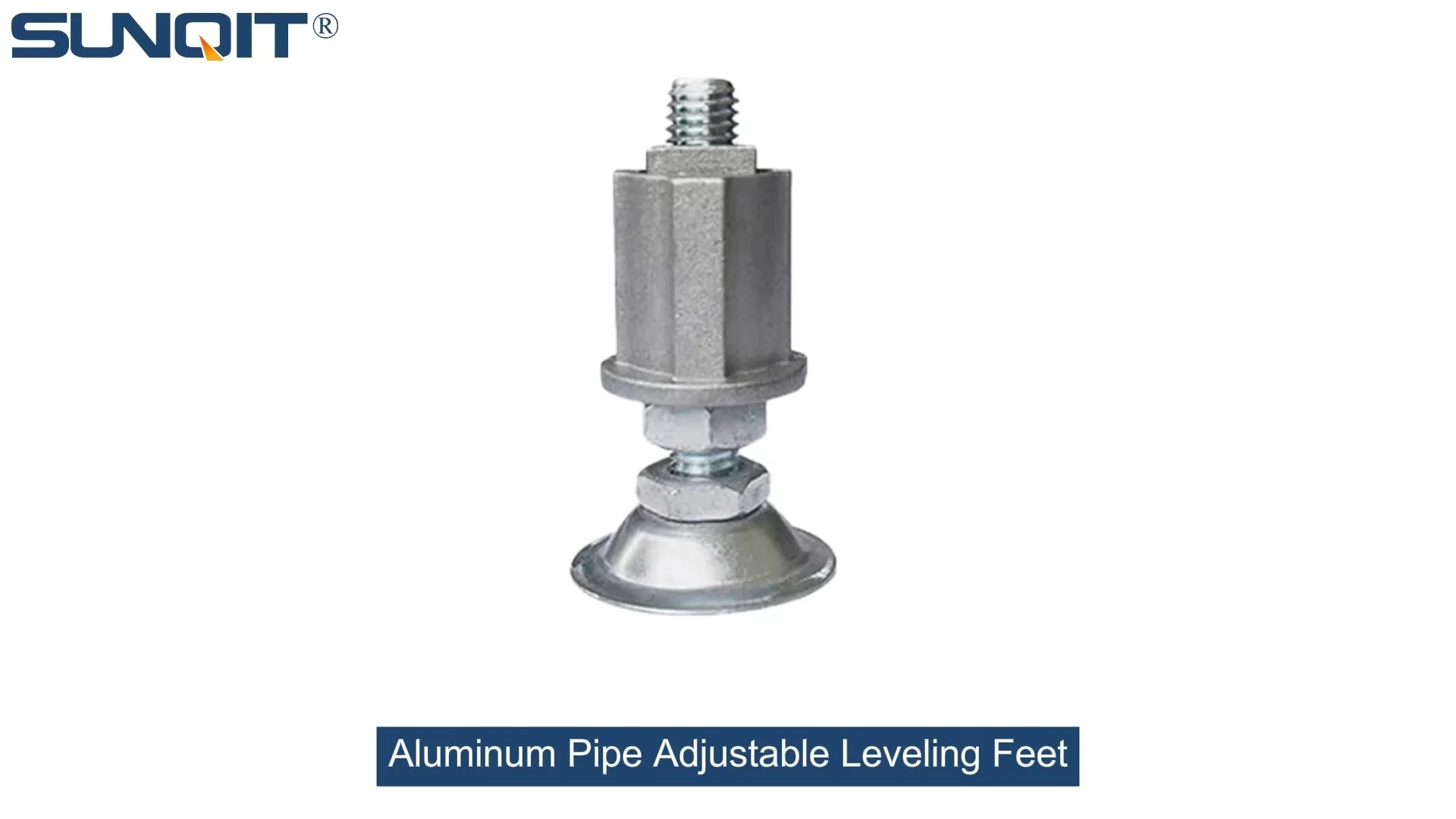
Aluminum Pipe Adjustable Leveling Feet are designed to keep machines level when placed on uneven or sloped ground. Otherwise known as adjustable equipment feet, they are available to order in a wide variety of size and load capacity combinations.
Picture this: You've just spent weeks assembling a custom workbench using aluminum pipes and profiles for your workshop. The frame is sturdy, the shelves are perfectly aligned, and you're ready to start using it—until you place the first tool on top. The whole structure wobbles. A wrench slides off the edge, clattering to the floor. You adjust one leg, only to find the opposite corner now sags. Sound familiar? If you've ever worked with aluminum pipe projects, you know that stability isn't just about the pipes and joints—it's about the often-overlooked details, like the feet that keep everything grounded. That's where aluminum pipe adjustable leveling feet come in. These small but mighty components can mean the difference between a frustrating, wobbly setup and a rock-solid workspace that boosts productivity and safety.
What Are Aluminum Pipe Adjustable Leveling Feet? A Quick Overview
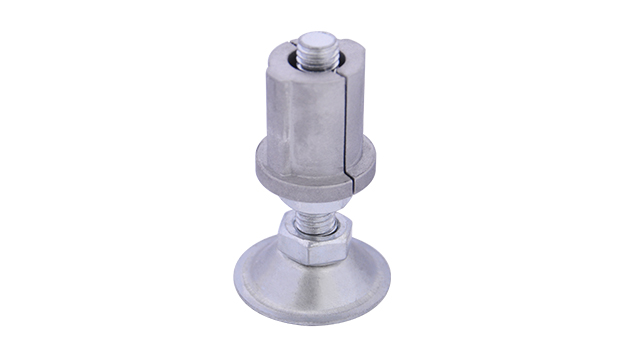
Aluminum pipe adjustable leveling feet are specialized components designed to stabilize structures built with aluminum pipes, profiles, and workbenches. They typically consist of a threaded stem (often made of aluminum or steel) that screws into the bottom of an aluminum pipe or profile, topped with a base that rests on the floor. The magic lies in their adjustability: by twisting the stem, you can raise or lower the foot to compensate for uneven surfaces, ensuring the entire structure stays level. Think of them as the "shims" of the aluminum pipe world—but smarter, more durable, and built to handle the demands of industrial and workshop environments.
Unlike fixed feet or simple rubber pads, these leveling feet are engineered to adapt. Whether you're building a production assemble line, a material rack, or a custom workbench, they provide the flexibility to fine-tune stability, even on floors that are less than perfect (and let's be honest—most workshop floors fall into that category).
Why Stability Matters: The Hidden Costs of Wobbly Workbenches and Structures
You might be thinking, "So what if my workbench a little? It's just a minor annoyance." But the truth is, instability can have surprisingly high costs—both tangible and intangible. Let's break it down:
- Wasted Time: When tools slide off a wobbly surface or parts roll around, you're constantly stopping to pick them up or readjust. Over a day, that adds up to minutes—over a week, hours of lost productivity.
- Damaged Materials: A wobbly material rack or turnover trolley might cause fragile components to tip over, leading to scrap and rework. For precision parts, even a small jostle can ruin a piece.
- Safety Risks: An unstable workbench isn't just annoying—it's dangerous. A sudden shift could cause heavy equipment to topple, or a worker to lose balance. In busy production environments, safety can't be compromised.
- Premature Wear: Wobbling puts extra stress on aluminum pipe joints and connections, causing them to loosen or wear out faster. What should be a long-lasting structure might need repairs or replacement much sooner than expected.
That's why choosing the right aluminum pipe adjustable leveling feet isn't just about "fixing a wobble"—it's about protecting your time, your materials, and your team. Now, let's dive into how to make that choice.
Key Factors to Consider When Choosing Aluminum Pipe Adjustable Leveling Feet
Not all leveling feet are created equal. The right pair for a lightweight aluminum profile display stand might be completely wrong for a heavy-duty workbench loaded with machinery. To find the perfect match, focus on these critical factors:
1. Load Capacity: Matching Feet to Your Project's Weight Requirements
First and foremost: How much weight will your structure support? Every aluminum pipe adjustable leveling foot has a maximum load capacity—this is the total weight it can safely hold without bending, breaking, or losing stability. If you're building a simple workbench for hand tools, a foot with a 200kg capacity might suffice. But if you're constructing a material rack B (3 row and 3 floor) to hold heavy inventory, you'll need feet rated for 500kg or more.
Pro tip: Always overestimate. If your project's total weight is 800kg and you're using four feet, aim for feet with a per-foot capacity of at least 250kg (not 200kg). This "safety buffer" accounts for uneven weight distribution—after all, items rarely sit perfectly centered.
2. Adjustment Range: Ensuring Flexibility for Uneven Surfaces
Workshop floors are rarely perfectly flat. Cracks, dips, and uneven concrete are par for the course. That's why adjustment range—the distance a foot can extend or retract—is so important. A foot with a 10mm adjustment range might work on slightly uneven ground, but for floors with larger gaps (say, 20mm or more), you'll need a foot that can extend further.
Measure the worst-case scenario in your space: Use a level to find the highest and lowest points where your structure will stand. The difference between these points is the minimum adjustment range you need. For example, if the floor dips 15mm in one corner, choose feet that can adjust at least 15mm to compensate.
3. Material Quality: Aluminum vs. Other Materials – Why It Matters
Aluminum pipe adjustable leveling feet are often made with aluminum stems and bases, but some cheaper options use plastic or low-grade steel. Why does material matter? Aluminum offers a winning combo of strength, lightweight, and corrosion resistance—perfect for indoor workshops, warehouses, or even semi-outdoor spaces. Steel is stronger but heavier and prone to rust if not coated. Plastic might be affordable, but it can crack under heavy loads or degrade in high temperatures.
For most projects, aluminum is the sweet spot. Look for feet with anodized or powder-coated finishes to durability and resistance to scratches and moisture.
4. Thread Type and Compatibility: Fitting Feet to Your Aluminum Pipes and Profiles
This is where many DIYers trip up: Even the best leveling foot won't work if its thread doesn't match your aluminum pipes or profiles. Most aluminum pipe accessories, including leveling feet, use metric threads (e.g., M10, M12), but the pitch (distance between threads) can vary. A foot with an M10x1.5 thread won't screw into a pipe tapped for M10x1.25.
Check your aluminum pipe specifications before buying. If you're using a standard 2020 or 3030 aluminum profile, the manufacturer likely specifies compatible thread sizes. When in doubt, ask your aluminum pipe supplier—they can help you match feet to your existing setup.
5. Environmental Resistance: Protecting Against Corrosion, Moisture, and Wear
Where will your structure live? A dry, indoor workshop has different needs than a humid factory or a garage exposed to rain. If moisture is a concern, opt for aluminum pipe adjustable leveling feet with rubber or plastic bases that resist slipping and prevent metal-on-metal contact (which can cause rust). For ESD-sensitive environments (like electronics assembly), look for feet with ESD-safe materials to dissipate static electricity.
| Leveling Foot Type | Load Capacity (per foot) | Adjustment Range | Material | Best For |
|---|---|---|---|---|
| Light-Duty Aluminum Stem | 100-200kg | 5-10mm | Aluminum stem, plastic base | Small workbenches, display racks |
| Medium-Duty Threaded Stem | 200-500kg | 10-20mm | Anodized aluminum, rubber base | Standard workbenches, material racks |
| Heavy-Duty Steel-Core Aluminum | 500kg+ | 15-30mm | Aluminum-coated steel stem, anti-slip base | Industrial workbenches, heavy machinery supports |

Types of Aluminum Pipe Adjustable Leveling Feet: Which One Suits Your Project?
Beyond the basics, leveling feet come in several designs, each tailored to specific needs. Here's how to choose:
Fixed-Height vs. Adjustable-Height
Fixed-height feet are set at a specific length—great if your floor is perfectly level and you don't anticipate changes. But for most projects, adjustable-height feet are worth the investment. They let you tweak stability as your needs evolve, like when you move the workbench to a new spot or add heavier equipment later.
Threaded Stem vs. Swivel Base
Threaded stem feet adjust by twisting the stem itself—simple and reliable. Swivel base feet have a rotating base that can pivot slightly, helping the foot sit flush on uneven floors. If your floor has significant bumps, swivel bases distribute weight more evenly, reducing wobble.
Anti-Slip Features
Look for feet with rubber or textured bases. These grip the floor, preventing the structure from sliding during use. This is especially important in busy areas where carts or people might bump into the workbench, or in environments with oil, water, or dust that could make floors slippery.

Compatibility with Aluminum Profiles and Pipes: Avoiding Common Mistakes
Even if you've nailed the load capacity and adjustment range, a mismatch between your leveling feet and aluminum components can ruin your project. Here's how to ensure a perfect fit:
- Check Profile Grooves: Some aluminum profiles have T-slots that require specialized mounting hardware. If your workbench uses a 4040 aluminum profile, make sure the leveling feet's mounting plate or stem fits the slot dimensions.
- Don't Mix Metric and Imperial: Most aluminum pipe accessories use metric threads, but older or imported pipes might be imperial (e.g., 1/2"). Mixing systems leads to stripped threads and unstable connections.
- Consider Adapter Kits: If you have existing feet that almost fit, ask your supplier about thread adapters. These small sleeves can convert M10 to M12 threads, saving you from buying all-new feet.
Step-by-Step Guide: How to Install Aluminum Pipe Adjustable Leveling Feet
Installing leveling feet is straightforward, but a little care goes a long way. Follow these steps for a stable, long-lasting setup:
1. Pre-Installation Checks
- Clean the Threads: Remove any dirt, debris, or oil from the inside of your aluminum pipes or profile legs. A dirty thread won't grip properly, leading to loose feet.
- Test Fit: Screw a foot into one leg by hand. If it's too tight or too loose, double-check the thread size. Forcing a mismatched foot can strip the pipe's threads.
2. Gather Your Tools
You'll need a wrench (adjustable or socket) to tighten the feet, and possibly thread sealant (like Teflon tape) for extra security, especially in humid environments. A level (digital or bubble) is essential for final adjustments.
3. Install and Adjust
- Screw each foot into the bottom of the aluminum pipe legs by hand until snug.
- Place the structure in its final position and use the level to check for wobble. Start with the most unstable corner and turn the foot's stem clockwise to raise it, counterclockwise to lower it.
- Tighten the lock nut (if included) against the pipe to prevent the foot from loosening over time.
4. Test and Retighten
Once level, apply pressure to different corners to test stability. If the structure shifts, readjust the feet. After a week of use, check the feet again—vibration can loosen threads, so a quick retighten ensures ongoing stability.
Maintenance and Longevity: Keeping Your Leveling Feet in Top Shape
Aluminum pipe adjustable leveling feet are built to last, but a little maintenance extends their life even further:
- Clean Regularly: Wipe feet with a damp cloth to remove dust and debris. For greasy environments, use mild soap and water—avoid harsh chemicals that can damage rubber bases.
- Lubricate Threads: Every 6 months, apply a small amount of silicone lubricant to the threads to keep adjustment smooth. This prevents seizing, especially in humid or dusty areas.
- replace Worn Parts: If the rubber base cracks or the thread becomes stripped, replace the foot immediately. A single faulty foot can compromise the entire structure's stability.
Choosing the Right Supplier: Your Partner in Stability
Finally, the quality of your aluminum pipe adjustable leveling feet depends largely on where you buy them. A reputable aluminum pipe supplier won't just sell you feet—they'll help you select the right type, answer technical questions, and stand behind their products. Look for suppliers who offer:
- Sample Testing: The ability to test a few feet before ordering in bulk.
- Technical Support: Engineers or experts who can help calculate load capacity or resolve compatibility issues.
- Warranty Coverage: A guarantee against defects in materials or workmanship.
Conclusion: Small Feet, Big Impact
Aluminum pipe adjustable leveling feet might be small, but they're the unsung heroes of stable, productive workspaces. By taking the time to choose the right load capacity, adjustment range, and material, you'll avoid the frustration of wobbly structures and protect your project from unnecessary wear and tear. Whether you're building a simple workbench or a complex production line, remember: stability starts from the ground up. Invest in quality feet, and your aluminum pipe project will stand strong for years to come.