- Company Articles
- Products and Technology
- Product knowledge
- How to Choose the Right Aluminum Pipe with Tray Holder for Material Racks

How to Choose the Right Aluminum Pipe with Tray Holder for Material Racks
Related Product
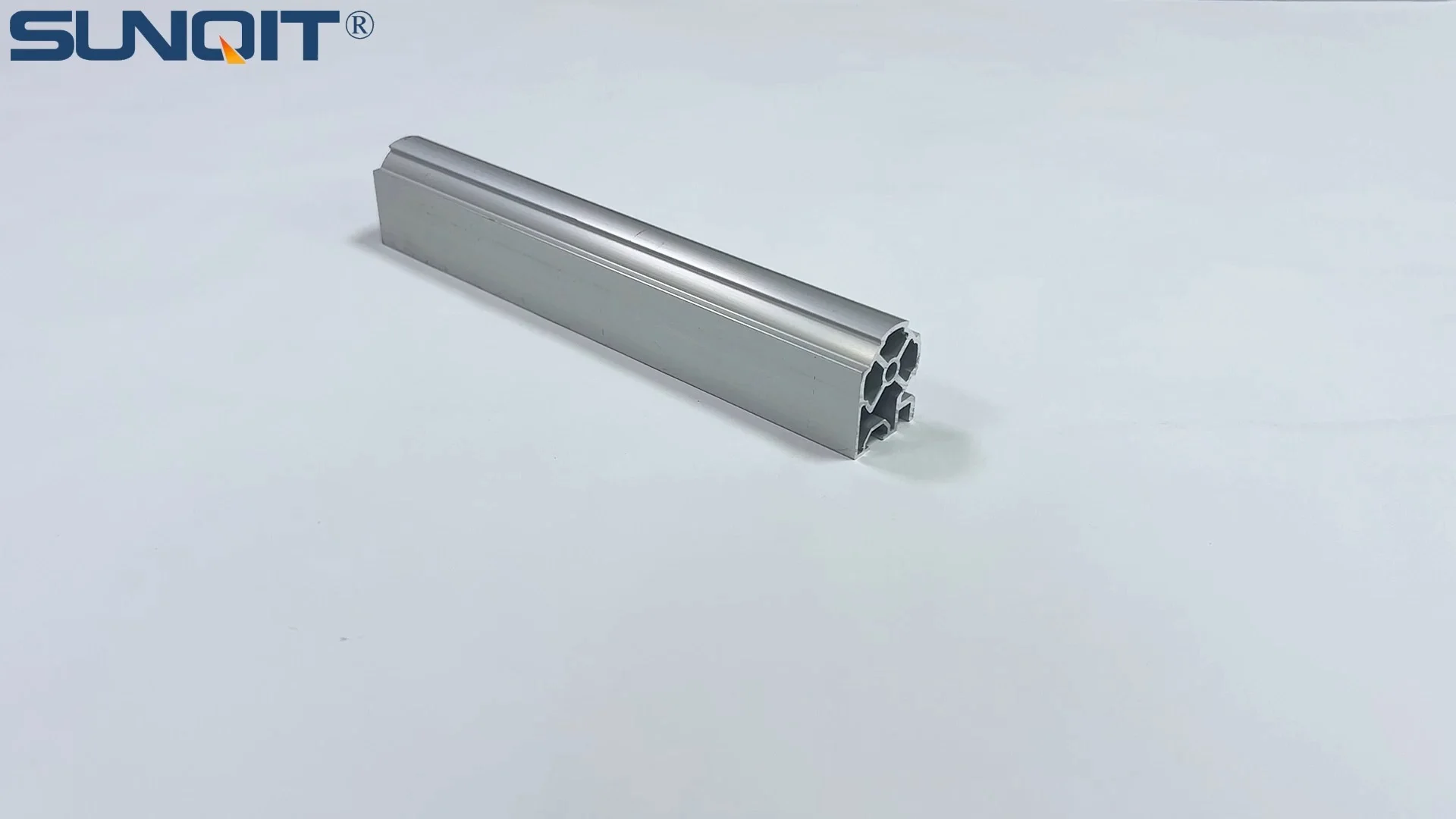
Aluminum Pipe with Tray Holder
Aluminum pipe with tray holder,the pipe one side connected by a joint, the other side with a slot which can hold a tray or a aluminum pannel.
Introduction: The Backbone of Efficient Material Handling
Walk into any well-run warehouse, factory, or distribution center, and you'll notice a silent hero keeping everything moving: material racks. These structures aren't just metal and pipes—they're the unsung organizers that turn chaos into order, ensuring tools, parts, and products are exactly where they need to be, when they need to be there. And at the heart of many modern material racks? Aluminum pipes with tray holders. Lightweight yet sturdy, customizable yet reliable, these components have revolutionized how businesses manage their inventory. But here's the thing: not all aluminum pipes with tray holders are created equal. Choose the wrong one, and you could end up with wobbly racks, damaged goods, or even safety hazards. Pick the right one, and you'll streamline workflows, cut costs, and keep your team smiling (or at least, less frustrated). So, let's dive into how to make that perfect choice.
What Exactly Is an Aluminum Pipe with Tray Holder?
Before we get into the nitty-gritty of selection, let's make sure we're on the same page. An aluminum pipe with tray holder is a two-part system: the aluminum pipe forms the structural frame, while the tray holder is the component that attaches to the pipe and supports the trays (those flat surfaces where you place your items). Think of it like a bookshelf: the vertical posts are the pipes, and the brackets that hold the shelves are the tray holders. Simple enough, right? But the magic lies in the details. Aluminum is chosen for its winning combo of strength and lightness—unlike steel, it won't weigh down your rack or require heavy machinery to install. It's also resistant to rust and corrosion, which is a big plus if your workspace is humid or deals with liquids. The tray holder, meanwhile, can be fixed, adjustable, or sliding, depending on how flexible you need your storage to be. Some are welded directly to the pipe for maximum stability, others bolt on for easy adjustments. And when paired with the right aluminum pipe accessories—like joints, clamps, or end caps—these systems become surprisingly versatile, adapting to everything from tiny screws to bulky equipment.

Key Factor #1: Load Capacity—Don't Skimp on Strength
Let's start with the most critical question: How much weight do you need to carry? This isn't just about the heaviest item you'll put on the rack today—it's about future-proofing. Maybe right now you're storing small electronic components, but next quarter you might need to stock larger parts. Underestimating load capacity is a rookie mistake that can lead to bent pipes, sagging trays, or worse, collapsed racks. So, how do you calculate it?
First, check the pipe's thickness. Most aluminum pipes for material racks come in thicknesses like 1.2mm, 1.5mm, or 2.0mm (you might see these specs from suppliers). Thicker walls mean higher load capacity, but they also add weight and cost. For example, a 1.2mm basic aluminum tube is great for light-duty use—think office supplies or small tools—while a 2.0mm pipe can handle heavier industrial parts. Then, look at the tray holder design. Welded holders are stronger than bolted ones, but bolted holders offer adjustability. If you're carrying unevenly distributed weight (like a mix of heavy and light items), go for reinforced tray holders with extra support brackets. And don't forget to factor in the tray itself! A flimsy plastic tray won't do much good even if your pipe is industrial-grade. Pair metal trays with thick pipes for heavy loads, and lightweight plastic or composite trays with thinner pipes for lighter items.
Pro tip: Always aim for a load capacity that's 20-30% higher than your maximum expected weight. It's better to have extra strength than to live on the edge.

Key Factor #2: Material Compatibility—Aluminum Lean Pipe vs. Other Options
Not all aluminum is the same, and the type of aluminum pipe you choose will impact everything from durability to cost. The most common option is aluminum lean pipe—a term you'll hear a lot from suppliers. Lean pipe systems are designed for flexibility, with modular components that let you assemble and reconfigure racks quickly. They're often used in lean manufacturing setups, where efficiency and adaptability are key. But there's also aluminum extrusion profile, which is stiffer and more rigid, making it ideal for fixed, heavy-duty racks. Think of lean pipe as the "Swiss Army knife" of racks, while extrusion profiles are the "rock-solid foundation."
Another consideration is the tray material. If you're storing oily parts or chemicals, a metal tray with a coating (like powder coating) will resist corrosion better than plastic. For food-grade environments, look for stainless steel trays (though these pair best with stainless steel pipes, which are a close cousin to aluminum in the material rack world). And don't forget about the environment: if your workspace is outdoors or exposed to moisture, standard aluminum is fine, but in highly corrosive areas (like near saltwater), you might want to upgrade to aluminum lean pipe with a protective coating.
Key Factor #3: Space and Layout—Fitting the Rack to Your Workspace
A material rack is only useful if it fits in your workspace without blocking walkways, doors, or equipment. This is where the size of your aluminum pipe and tray holder becomes crucial. Let's say you're working with a compact production line—you might opt for a smaller rack, like the material rack b (3 row and 3 floor) model, which offers vertical storage without taking up too much floor space. Its 3 rows and 3 floors maximize vertical space, keeping items accessible but out of the way.
Start by measuring your available space: width, height, and depth. Then, consider the pipe length. Standard aluminum pipes come in fixed lengths (like 1m, 2m, or 3m), but many suppliers will cut them to custom sizes. If you need a rack that fits into a tight corner, shorter pipes with 90° aluminum crossing joints can help. For tray dimensions, think about the size of your items. If you're storing long tools, you'll need longer trays; for small parts, shorter, deeper trays might be better. And don't forget about clearance—leave at least 12 inches of space between the rack and walls or machinery for easy access and cleaning.
Flexibility is also key here. If your workspace layout changes often (maybe you rearrange production lines seasonally), look for adjustable tray holders. These let you slide trays up or down the aluminum pipe, or even remove them entirely, adapting the rack to new needs without rebuilding it from scratch.
Key Factor #4: Mobility and Flexibility—Racks That Move with You
Not all material racks are stationary. If you need to move items from one workstation to another—say, from assembly to packaging—you'll want a rack that can roll. This is where casters come into play (you might see these listed as caster wheel or caster accessories from suppliers). But adding mobility means balancing stability and movement. Look for racks with lockable caster wheels—these let you move the rack easily when needed, then lock it in place to prevent accidental rolling during loading/unloading.
If mobility isn't a priority, fixed racks are simpler and sturdier. But even fixed racks can benefit from flexibility. For example, internal rotary aluminum joints allow you to rotate the tray holder, making items easier to reach from different angles. Or, if you need to change the rack's height, opt for adjustable feet (like suction cup anti-slip foot adjusters) that let you level the rack on uneven floors, preventing wobbling.
Key Factor #5: Durability and Maintenance—Longevity Saves Money
Aluminum is naturally durable, but that doesn't mean it's maintenance-free. To ensure your rack lasts, pay attention to two things: the quality of the aluminum and the availability of replacement parts. High-quality aluminum lean pipe will resist dents and scratches better than cheaper alternatives. Look for pipes with a smooth, uniform finish—rough edges or inconsistent thickness are red flags.
Maintenance-wise, aluminum is a breeze compared to steel. It doesn't rust, so a quick wipe with a damp cloth is usually enough to keep it clean. But tray holders can wear out over time, especially if they're adjusted frequently. That's why it's important to choose a supplier that offers a range of aluminum pipe accessories—like replacement joints, clamps, or tray brackets. If a tray holder breaks, you don't want to wait weeks for a custom part; you want to swap it out in an hour and get back to work.
Key Factor #6: Safety—Protecting Your Team and Inventory
A rack that's strong and space-efficient is great, but if it's unsafe, it's not worth it. Safety features might not be the most exciting part of rack selection, but they're non-negotiable. Start with the tray edges—look for trays with raised lips or rubber gaskets to prevent items from sliding off. For heavy items, anti-slip tray surfaces (like textured plastic or rubber mats) add extra security. If you're storing fragile items, consider soft-close tray holders that prevent sudden jolts when loading.
Also, check how the tray holder attaches to the aluminum pipe. Loose bolts or weak joints can cause trays to detach, leading to falling items. Welded holders are more secure but harder to adjust; bolted holders should use high-quality screws (stainless steel is best) that won't strip over time. And don't forget about the rack's base—if it's tall, ensure it has a wide enough footprint or anti-tip brackets to prevent it from toppling over.
Comparison Table: Which Aluminum Pipe with Tray Holder Is Right for You?
| Type of Aluminum Pipe | Load Capacity | Best For | Pros | Cons |
|---|---|---|---|---|
| 1.2mm Basic Aluminum Tube with Fixed Tray Holder | Up to 20kg per tray | Light-duty use (office supplies, small tools) | Lightweight, affordable, easy to install | Not for heavy items; limited adjustability |
| 1.5mm Aluminum Lean Pipe with Adjustable Tray Holder | Up to kg per tray | Medium-duty use (electronics, small parts) | Flexible, corrosion-resistant, compatible with most accessories | Slightly heavier than 1.2mm; adjusters may loosen over time |
| 2.0mm Aluminum Extrusion Profile with Welded Tray Holder | Up to 100kg per tray | Heavy-duty use (industrial parts, machinery components) | Extremely sturdy, long-lasting, minimal maintenance | Expensive, hard to reconfigure, requires professional installation |
| Material Rack B (3 row and 3 floor) with Aluminum Pipe | Up to 50kg per tray (varies by pipe thickness) | Vertical storage in compact spaces (warehouses, workshops) | Maximizes vertical space, modular design, easy to access all levels | Limited horizontal space; not ideal for oversized items |
Common Mistakes to Avoid
Even with the best intentions, it's easy to slip up when choosing an aluminum pipe with tray holder. Here are a few pitfalls to watch out for:
Mistake #1: Ignoring future needs. Don't just buy for today—think about growth. A 1.2mm pipe might work now, but if your business expands, you'll end up replacing it sooner than later.
Mistake #2: Overlooking accessory compatibility. Not all aluminum pipe accessories work with all pipes. For example, a parallel aluminum joint a might not fit a T-groove aluminum pipe. Check with your supplier to ensure parts are compatible.
Mistake #3: Skimping on safety for cost. Cheap tray holders or thin pipes might save money upfront, but they're not worth the risk of accidents or damaged inventory.
Mistake #4: Forgetting about workflow. A rack that looks great on paper but blocks the path between workbenches will slow down your team. Always test the layout with mockups before installing.
Installation and Maintenance Tips
Once you've chosen the right aluminum pipe with tray holder, proper installation and maintenance will keep it in top shape. For installation:
- Use a level to ensure the aluminum pipes are vertical—wobbly racks are a safety hazard.
- Tighten all bolts and joints securely (use a torque wrench for consistency).
- If using casters, test the brakes to make sure they hold the rack in place.
For maintenance:
- Inspect the rack monthly for loose joints or bent pipes—tighten or replace parts as needed (keep extra aluminum pipe accessories on hand).
- Clean the aluminum pipes and trays with a mild detergent to remove dust and grime—avoid abrasive cleaners that scratch the surface.
- Lubricate moving parts (like adjustable tray holders or caster wheels) every 3 months to prevent squeaking or sticking.
Conclusion: Invest in the Right Rack, Reap the Rewards
Choosing the right aluminum pipe with tray holder for your material rack might seem like a small decision, but it has a big impact. It affects how efficiently your team works, how safely they operate, and how much money you spend on replacements and repairs. By focusing on load capacity, material compatibility, space, mobility, durability, and safety, you'll narrow down the options to the one that fits your needs like a glove. And remember, you don't have to do it alone—reputable suppliers (look for terms like aluminum pipe supplier or lean system supplier) can help you assess your needs and recommend the best components. Whether you're setting up a new workspace or upgrading an old rack, the right aluminum pipe with tray holder will make your material handling smoother, smarter, and a whole lot less stressful. Here's to organized shelves, happy teams, and a workflow that just clicks.