- Company Articles
- Products and Technology
- Product knowledge
- How to Choose the Right Aluminum Profile 3 Way Connector for Your Project

How to Choose the Right Aluminum Profile 3 Way Connector for Your Project
Related Product
Aluminum Profile 3 Way Connector
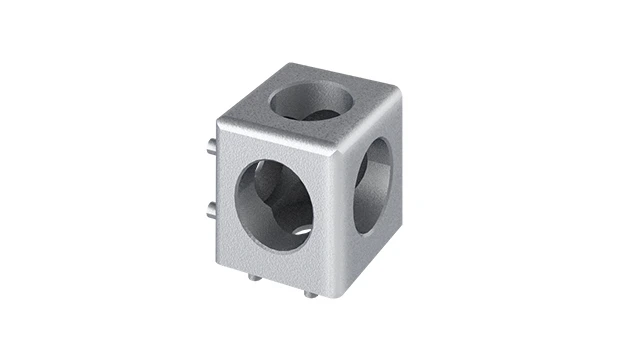
The 3 way - squared corner connector is an external fastening method that is typically used to create a corner connection between three profiles. It is a heavy-duty connection that is simple to use and provides a polished look.
You've spent weeks refining your project plans—maybe designing a custom workbench for your garage, a material rack for your small factory, or even an ESD workstation for handling sensitive electronics. You've carefully selected the perfect aluminum extrusion profile, sourced the necessary aluminum profile accessories, and mapped out every assembly step. But when you finally unbox the parts and start putting it all together, you hit a wall: the 3 way connector you picked just isn't cutting it. It's loose, misaligned with the T-slots, or can't support the weight of your materials. Suddenly, that smooth project timeline feels like it's crumbling. If this scenario sounds all too familiar, you're not alone. Choosing the right aluminum profile 3 way connector is often the unsung hero of successful aluminum extrusion projects—and getting it wrong can turn a dream build into a frustrating nightmare.
In this guide, we'll walk through everything you need to know to pick the perfect 3 way connector for your project. We'll break down what these connectors do, the key factors to consider (from load capacity to compatibility), the different types available, and even real-world examples of how the right choice makes all the difference. By the end, you'll feel confident in selecting a connector that doesn't just "work"—but elevates your entire build.
What Even Is an Aluminum Profile 3 Way Connector?
Let's start with the basics. An aluminum profile 3 way connector is a small but critical component designed to join three pieces of aluminum extrusion profile at specific angles—most commonly 90 degrees, but sometimes adjustable for custom configurations. Think of it as the "hinge" that holds your structure together, whether you're building a workbench, a conveyor system, or a material rack. Without a reliable 3 way connector, your aluminum frame might wobble, sag, or even collapse under stress—compromising safety, efficiency, and the lifespan of your project.
These connectors come in various shapes, sizes, and materials, each tailored to different needs. Some are sleek and low-profile, ideal for projects where aesthetics matter, while others are bulkier but built to handle heavy loads. They might lock into T-slots with bolts, snap into place with spring-loaded mechanisms, or use set screws to grip the profile tightly. No matter the design, their core job is simple: create a strong, stable connection between three aluminum profiles so your project stands the test of time.
5 Key Factors to Consider Before Buying
Choosing a 3 way connector isn't as simple as grabbing the first one you see on a supplier's website. To avoid buyer's remorse, ask yourself these five questions before making a purchase:
1. What's the Load Capacity You Need?
Start with the most critical question: how much weight will this connector need to support? If you're building a lightweight shelving unit for small tools, a basic plastic or thin aluminum connector might suffice. But if you're constructing a workbench for heavy machinery or a material rack b (3 row and 3 floor) to hold bulky inventory, you'll need a heavy-duty connector with a high load rating.
Most reputable suppliers list load capacities in their product specs—look for terms like "static load" (weight when stationary) and "dynamic load" (weight when moving, like if the rack is on casters). As a rule of thumb, always choose a connector with a load rating 20-30% higher than your projected maximum weight. It's better to over-engineer than to watch your hard work collapse.
2. Is It Compatible with Your Aluminum Extrusion Profile?
Aluminum profiles come in all shapes and sizes—from tiny 2020 national standard profiles (20mm x 20mm) to beefy 4080 EU standard profiles (40mm x 80mm). A 3 way connector designed for a 2020 profile won't fit a 4040 profile, and vice versa. This might seem obvious, but it's how many people mix and match sizes in a rush.
Check the profile's series (e.g., 2020, 3030, 4040) and T-slot size (the width of the groove running along the profile) before buying. Some connectors are labeled with compatible series (e.g., "for 3030 aluminum extrusion profile"), while others might require measuring the profile's outer dimensions. If you're unsure, reach out to your aluminum profile accessories supplier—they'll often have compatibility charts to help you match connectors to profiles.
3. What Material Is Best for Your Environment?
3 way connectors are typically made from aluminum, plastic, or stainless steel. Each material has pros and cons, depending on where your project will live:
- Aluminum: The most popular choice for general use. It's lightweight, corrosion-resistant (especially if anodized), and strong enough for most indoor projects. Great for workbenches, shelving, and ESD workstations where static control isn't a primary concern.
- Plastic: Budget-friendly and lightweight, but less durable. Best for temporary setups or projects with very low load requirements (e.g., small display racks). Avoid in humid or high-impact environments—plastic can warp or crack over time.
- Stainless Steel: The heavyweight champion for harsh environments. Resistant to rust, chemicals, and extreme temperatures, it's ideal for outdoor projects, food processing facilities, or stainless steel pipe series setups. It's pricier, but worth the investment for longevity in tough conditions.
4. How Do You Want to Connect It?
Not all 3 way connectors attach the same way. The connection method affects how easy it is to assemble, disassemble, and adjust your project:
- T-slot Bolts: The most secure option. These connectors use bolts that thread into the T-slot of the aluminum profile, creating a tight, permanent bond. Ideal for projects that won't need frequent reconfiguration, like a fixed workbench.
- Set Screws: Quick to install—just tighten a screw that presses against the profile to hold it in place. Great for temporary setups or projects you might adjust later (e.g., a material rack you want to reconfigure seasonally). Note: They can loosen over time with vibration, so check them periodically.
- Snap-Fit: No tools required—these connectors clip into the T-slot with spring-loaded tabs. Super convenient for prototypes or lightweight projects, but not recommended for heavy loads.
5. Does It Match Your Project's Aesthetics and Functionality?
Last but not least: don't overlook the "little things" that impact usability and looks. If you're building a sleek aluminum workbench for a customer-facing space, a bulky, industrial connector might clash with the design. On the flip side, if you're assembling a turnover trolley and rack for a warehouse, aesthetics take a backseat to durability.
Consider features like finish (anodized aluminum for a matte look, powder-coated for color), size (low-profile vs. bulky), and adjustability (fixed angles vs. swivel joints). For example, an internal rotatary aluminum joint lets you pivot profiles slightly, which is handy for projects that need flexibility, while a fixed 90-degree connector is better for straight, rigid frames.

Common Types of Aluminum Profile 3 Way Connectors (And When to Use Them)
Now that you know what to look for, let's dive into the most common 3 way connector types on the market. Each has its niche, so you can match the connector to your project's unique needs:
| Connector Type | Best For | Key Features | Material Options |
|---|---|---|---|
| Standard Fixed 3 Way Connector | Straight, rigid frames (e.g., workbench E single deck-without caster) | 90-degree angles, T-slot bolt connection, high stability | Aluminum, stainless steel |
| Internal Rotary Aluminum Joint | Projects needing slight angle adjustments (e.g., sloped material racks) | Rotates up to 180 degrees, compact design | Aluminum |
| Multi-Angle Fixed Aluminum Joint | Custom angles (not just 90 degrees) | Adjustable angles (30°, 45°, 60°, etc.), secure bolt locking | Aluminum |
| Plastic Snap-Fit Connector | Lightweight, temporary setups (e.g., event displays) | Tool-free assembly, low cost | ABS plastic |
| Heavy-Duty Stainless Steel Connector | Outdoor or high-load projects (e.g., industrial material racks) | Corrosion-resistant, high load rating (500+ lbs) | Stainless steel |
Pro tip: If you're unsure which type to pick, start with a standard fixed aluminum connector. It's the most versatile option for 80% of projects, from basic workbenches to small material racks. Reserve specialty connectors like internal rotary joints for projects that specifically need their unique features.

3 Common Mistakes to Avoid
Even with the right knowledge, it's easy to slip up when choosing a 3 way connector. Here are three pitfalls to steer clear of:
Mistake #1: Skimping on Quality to Save Money
It's tempting to opt for the cheapest connector you can find, especially if you're on a tight budget. But here's the truth: a $5 plastic connector that fails will cost you far more in time, materials, and frustration than a $15 aluminum one that lasts. I once worked with a small manufacturer who built an ESD workstation using budget plastic connectors. Within a month, the connectors cracked under the weight of their equipment, damaging expensive circuit boards. They ended up replacing all the connectors with aluminum ones—and spending twice as much as they would have if they'd invested in quality upfront.
Mistake #2: Ignoring Environmental Factors
That shiny aluminum connector might look great in the catalog, but if you're using it in a damp garage or a factory with chemical fumes, it could corrode quickly. Similarly, a plastic connector left in direct sunlight will fade and become brittle over time. Always consider where your project will live: indoor vs. outdoor, dry vs. humid, clean vs. messy. When in doubt, ask your supplier for material recommendations for your specific environment.
Mistake #3: Overlooking Assembly Tools and Skills
Some connectors require specialized tools—like hex keys, torque wrenches, or even drill bits—to install properly. If you're a DIYer with basic tools, a snap-fit or set-screw connector might be easier to work with than one that needs precise bolt torquing. On the flip side, if you're a professional with access to tools, don't shy away from T-slot bolt connectors—they offer superior strength for long-term projects.
Real-World Example: Building a Durable Material Rack
Let's put this all into practice with a real project: building a material rack b (3 row and 3 floor) to store heavy automotive parts in a workshop. Here's how the right 3 way connector made all the difference:
Project Needs: The rack needed to hold 100 lbs per shelf (3 shelves total), fit in a 4ft x 2ft space, and withstand occasional bumps from forklifts. The team chose 4040 EU standard aluminum extrusion profiles for the frame—sturdy enough for the load, but not overly heavy.
Connector Choice: They initially considered a plastic snap-fit connector to save time, but after calculating the total load (300 lbs), they opted for a heavy-duty aluminum 3 way connector with a 500-lb static load rating. The connector used T-slot bolts for a secure fit and was compatible with 4040 profiles.
Result: The rack has been in use for over two years, with no signs of sagging or loosening. The aluminum connectors held up to bumps from forklifts, and the T-slot bolts made it easy to tighten any minor wobbles that developed over time. Best of all, when the workshop expanded, they were able to add a fourth shelf by simply adding another connector—no need to rebuild the entire rack.
Final Thoughts: Invest in the Connector That Fits Your Project
At the end of the day, the aluminum profile 3 way connector might seem like a small part of your project—but it's the glue that holds everything together. By taking the time to assess your load needs, check compatibility with your aluminum extrusion profile, and choose the right material and connection type, you'll avoid the headaches of wobbly frames, collapsed shelves, and do-overs.
Remember: your project deserves a connector that's as reliable as your vision. Don't rush the process—consult with your aluminum profile accessories supplier, ask questions, and when in doubt, opt for quality over cost. After all, the best projects aren't just built with aluminum and bolts—they're built with attention to detail, and that starts with the right 3 way connector.