- Company Articles
- Products and Technology
- Procurement Guidelines
- How to Choose the Right Aluminum Workbench D: Factors to Consider Before Purchase

How to Choose the Right Aluminum Workbench D: Factors to Consider Before Purchase
Related Product
Aluminum Workbench D
Aluminum tube workbench is more flexible and durable, compared with traditional PE/ABS coated steel tube. It is easy to assemble, anti corrosion, rust protection, and recycle use after disassemble.
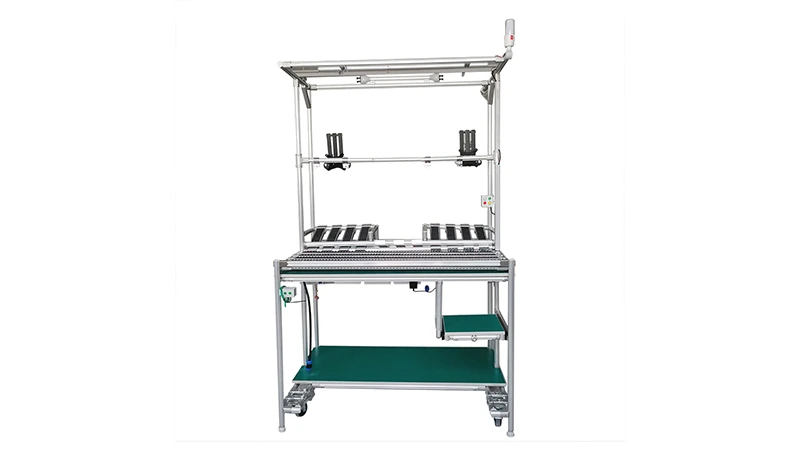
When it comes to setting up a workspace—whether it's a small garage workshop, a bustling manufacturing floor, or a precision electronics lab—the workbench you choose isn't just a piece of furniture. It's the foundation of your productivity, the silent partner in every task, and a long-term investment in efficiency and safety. Among the many options available, Aluminum Workbench D has emerged as a popular choice for businesses and hobbyists alike, thanks to its durability, flexibility, and sleek design. But with so many variables to weigh, how do you ensure you're picking the right one for your needs? Let's dive in.
Understanding Aluminum Workbench D: What Makes It Stand Out?
First, let's get clear on what Aluminum Workbench D actually is. Unlike traditional wooden or steel workbenches, this model is built around aluminum profiles—a lightweight yet robust material known for its resistance to corrosion, low maintenance, and adaptability. Most variants, like the "single deck-without caster" design (a common configuration for stability-focused setups), feature a flat, sturdy surface supported by an aluminum frame, making them ideal for tasks that demand precision and reliability. What sets Aluminum Workbench D apart is its balance of strength and versatility: it's tough enough to handle heavy tools and materials, yet lightweight enough to integrate into dynamic workspaces without weighing down your operations.
But here's the thing: not all aluminum workbenches are created equal. Even within the "D" model range, there are subtle differences in build quality, dimensions, and compatibility with accessories that can make or break how well it fits your workflow. That's why looking beyond the name and digging into the details is key.
Key Factors to Consider Before Buying
Choosing a workbench is about matching the bench to your unique needs, not just picking the most popular option. Let's walk through the critical factors that should guide your decision.
1. Workspace Dimensions: Size Matters—But So Does Layout
Start by measuring your available space—not just the floor area, but also the height and clearance around it. Aluminum Workbench D comes in various widths and depths, but even a model that "fits" on paper might feel cramped if it blocks walkways or forces awkward reaching. Ask yourself: Will the bench be against a wall, or in the middle of the room? Do you need space on both sides for collaborative work? For example, a 6-foot-wide bench might be perfect for a spacious garage but overwhelming in a compact electronics lab. Don't forget to account for extra room to open drawers, access shelves, or maneuver tools around the bench.
Height is another hidden detail. Standard workbench heights range from 34 to 36 inches, but if your team includes people of varying heights, or if you switch between standing and seated work, a fixed-height bench might lead to discomfort over time. While Aluminum Workbench D typically comes with a standard height, some suppliers offer adjustable legs as an upgrade—something to consider if ergonomics is a priority.
2. Weight Capacity: Don't Skimp on Strength
Aluminum is strong, but every bench has its limits. The weight capacity of Aluminum Workbench D depends on its frame thickness, the quality of its aluminum extrusion profiles, and how the deck is supported. If you're using it for light tasks—like assembling small parts or organizing tools—a lower capacity (say, 200-300 lbs) might suffice. But if you're placing heavy machinery, stacks of materials, or multiple tools on it daily, you'll need a higher rating (500+ lbs). Check the manufacturer's specs carefully: a bench that sags under load isn't just frustrating—it's a safety hazard. Look for terms like "uniform load capacity" (weight spread evenly across the surface) and "point load capacity" (weight concentrated in one area, like a clamp or vice) to get the full picture.
3. ESD Protection: A Must for Sensitive Work
If your workspace involves electronics—think circuit boards, semiconductors, or precision sensors—electrostatic discharge (ESD) is a silent enemy. Even a small static charge can fry components, leading to costly defects or failed products. That's where an ESD workstation setup becomes critical. While Aluminum Workbench D isn't inherently ESD-safe, many models can be upgraded with ESD-compliant surfaces (like conductive laminates) and grounding kits. These additions dissipate static electricity, protecting your sensitive work from damage. If ESD is a concern for you, ask suppliers if the bench can be customized with these features—don't assume it's included by default.
4. Mobility vs. Stability: To Caster or Not to Caster?
One of the first decisions you'll face is whether you need a mobile workbench or a fixed one. Aluminum Workbench D often comes in "without caster" configurations, which prioritize stability—great for tasks that require zero movement, like heavy machining or assembly lines where the bench is part of a fixed workflow. But if your work involves moving the bench between stations (e.g., from a storage area to a testing zone), adding caster wheels later might seem like a quick fix. Here's the catch: not all benches are designed to support casters. Retrofitting a non-mobile model with caster wheels can compromise structural integrity, leading to wobbling or even collapse under load. If mobility is a must, look for variants of Aluminum Workbench D that are pre-engineered for caster compatibility, with reinforced legs and locking mechanisms to keep the bench steady when in use.
5. Accessories and Customization: Making It Work for You
A bare-bones workbench is just a table. What turns it into a productivity powerhouse is how well it integrates with the tools and processes you rely on daily. That's where aluminum profile accessories come into play. Aluminum Workbench D, with its T-slot aluminum pipe frame, is designed to work with a range of add-ons: tool hooks, overhead shelves, LED task lights, and even roller track systems for easy material flow. Imagine sliding a bin of parts along a roller track mounted to the bench edge, or hanging frequently used tools from brackets attached directly to the frame—these small adjustments can shave minutes off every task.
When evaluating accessories, think about your workflow: Do you need extra storage for parts? A pegboard for tools? A monitor arm for digital work instructions? Make a list of "must-have" add-ons and check if the bench's frame (specifically the T-slots in the aluminum profiles) is compatible with them. Some suppliers offer pre-bundled accessory kits for Aluminum Workbench D, which can save time and ensure compatibility—just be sure they align with your needs.
6. Material Compatibility: Will It Play Nice with Your Tools?
Aluminum is a versatile material, but it's not immune to damage. If your work involves heavy hammering, welding sparks, or corrosive chemicals, the bench's surface might need extra protection. For example, a standard aluminum deck could scratch under sharp tools, or react poorly to certain solvents. In these cases, look for benches with reinforced surfaces—like a phenolic resin top or a steel plate overlay—or ask if the aluminum can be treated with a protective coating. On the flip side, if your tasks are more delicate (e.g., jewelry making or electronics assembly), a smooth, non-porous aluminum surface might be perfect, as it's easy to clean and resistant to stains.
7. Long-Term Value: Beyond the Initial Price Tag
It's tempting to go for the cheapest Aluminum Workbench D you can find, but here's why that might backfire: low-quality aluminum profiles bend under stress, joints loosen over time, and accessories fail to fit properly. What seems like a "deal" today could cost you more in repairs, replacements, or lost productivity down the line. Instead, focus on value: a slightly pricier bench with thicker aluminum extrusion profiles, heavy-duty joints, and a reputable manufacturer's warranty will pay off in the long run. Look for suppliers who stand behind their products—warranties of 5+ years are a good sign they believe in their build quality.

A Quick Comparison: Aluminum Workbench D vs. Other Options
| Feature | Aluminum Workbench D | Wooden Workbench | Steel Workbench |
|---|---|---|---|
| Weight | Lightweight (easy to move if needed) | Heavy (hard to reposition) | Very heavy (fixed placement recommended) |
| Corrosion Resistance | High (ideal for humid/damp areas) | Low (prone to warping/rot) | Medium (needs coating to prevent rust) |
| Customization | High (T-slots work with aluminum profile accessories) | Low (limited to drilling holes) | Medium (welding required for major changes) |
| ESD Compatibility | Upgradable (add ESD surfaces/grounding) | Poor (wood insulates static) | Good (steel conducts, but needs grounding) |
| Maintenance | Low (wipe clean, no painting needed) | High (sand, stain, seal regularly) | Medium (check for rust, repaint occasionally) |

Common Mistakes to Avoid
Even with the best intentions, it's easy to overlook key details when shopping for a workbench. Here are a few pitfalls to steer clear of:
- Buying based on price alone: A $200 bench might seem like a steal, but if it sags after 6 months or can't support your tools, you'll end up replacing it sooner than later. Invest in quality upfront.
- Ignoring future needs: Your workspace might grow, or your tasks might change. Choose a bench that can adapt—like one compatible with roller track for future material flow upgrades or extra shelves if you need more storage.
- Overlooking height: A bench that's too low or too high leads to back pain and fatigue. Measure the average height of the people using it and prioritize adjustability if possible.
- Forgetting about assembly: Some benches require complex assembly with specialized tools. If you're not handy, factor in the cost of professional setup or look for pre-assembled options.
Final Thoughts: Your Workbench, Your Workflow
At the end of the day, choosing Aluminum Workbench D isn't just about checking boxes on a spec sheet—it's about understanding how it will fit into the rhythm of your work. Will it make your tasks smoother? Keep you safe? Grow with your business? By focusing on factors like weight capacity, ESD protection, accessory compatibility, and ergonomics, you'll be well on your way to picking a bench that doesn't just meet your needs today, but supports you for years to come.
So take your time, measure twice, and don't hesitate to ask suppliers tough questions. After all, the right workbench isn't just an expense—it's an investment in making every day at work a little more efficient, a little safer, and a lot more productive.