- Company Articles
- Products and Technology
- Product knowledge
- How to Choose the Right Fasteners for 2040 EU Standard Aluminum Profile

How to Choose the Right Fasteners for 2040 EU Standard Aluminum Profile
Related Product
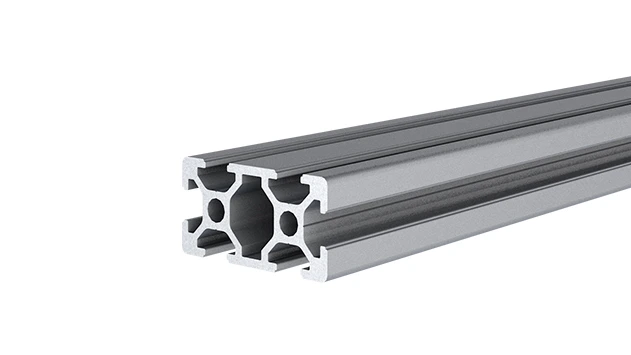
2040 EU Standard Aluminum Profile
2040 is a 2.00 x 4.00CM fractional 20 series square extrusion T-slot profile with four open T-slots, two side with 2.00cm face, the other side with 4.00cm face. The profile has align-a-grooves to assist in aligning connecting profiles.
Introduction: The Unsung Heroes of Aluminum Profile Projects
When it comes to building with aluminum profiles, the spotlight often falls on the profiles themselves—their strength, versatility, and sleek design. But if you've ever assembled a structure that wobbled, sagged, or outright failed, you know the truth: the real backbone of any aluminum profile project lies in the fasteners. For 2040 EU standard aluminum profiles, in particular, choosing the right fasteners isn't just about stability—it's about safety, efficiency, and ensuring your project stands the test of time.
The 2040 aluminum profile is a workhorse in industries from manufacturing to DIY. Its 20mm x 40mm cross-section strikes the perfect balance between lightweight maneuverability and robust load-bearing capacity, making it ideal for everything from workbenches and material racks to conveyor systems and machine guards. But even the sturdiest profile is only as good as the fasteners holding it together. A mismatch here can turn a well-designed project into a frustrating, even dangerous, experience.
In this guide, we'll dive into the world of fasteners for 2040 EU standard aluminum profiles. We'll break down the types of aluminum profile accessories available, discuss key factors to consider when selecting fasteners, and highlight common pitfalls to avoid. By the end, you'll have the knowledge to choose fasteners that not only secure your structure but enhance its performance, durability, and even aesthetics.
Understanding the 2040 EU Standard Aluminum Profile
Before we jump into fasteners, let's take a moment to understand the profile they're designed for. The 2040 EU standard aluminum profile is defined by its dimensions (20mm width, 40mm height) and its T-slot design—longitudinal grooves that run the length of the profile, allowing fasteners to slide into place and lock securely. This T-slot system is what makes aluminum profiles so modular and adaptable; it lets you attach brackets, panels, and other components anywhere along the profile, not just at fixed points.
Made from aluminum extrusion profile, the 2040 profile is lightweight yet strong, resistant to corrosion, and easy to cut, drill, or modify. Its versatility has made it a favorite in settings like factories (for assembly line workbenches), warehouses (for material racks), and even home workshops (for custom storage solutions). But none of these applications would be possible without the right aluminum profile fixings to connect profiles at angles, secure shelves, or attach accessories like casters or end caps.
One key thing to note about EU standard profiles is their slot size and spacing. The T-slots in 2040 profiles typically have a 6mm or 8mm opening, with standardized spacing between slots. This uniformity means that most aluminum profile accessories are designed to work across brands, but it also means you need to match fastener size to slot size—using a 10mm fastener in an 8mm slot, for example, will result in a loose fit and compromised stability.

Key Types of Fasteners for 2040 Aluminum Profiles
Aluminum profile accessories come in a dizzying array of shapes and sizes, but for 2040 profiles, a few core types stand out. Let's break them down by function, from connecting profiles to finishing edges.
1. T-Slot Nuts and Bolts: The Foundation of Secure Connections
T-slot nuts and bolts are the workhorses of aluminum profile assembly. As the name suggests, the nut slides into the T-slot of the profile, and when a bolt is threaded into it, the nut expands (or clamps) against the slot walls, creating a tight, secure hold. For 2040 profiles, the most common T-slot nut sizes are M5, M6, and M8, depending on the slot width.
There are two main types of T-slot nuts: slide-in and drop-in. Slide-in nuts are inserted from the end of the profile and slid into position—great for permanent installations. drop-in nuts, on the other hand, can be inserted through the slot opening at any point along the profile, making them ideal for mid-project adjustments or temporary setups. Both work well with 2040 profiles, but consider your assembly needs: if you anticipate taking the structure apart later, drop-in nuts save time and hassle.
Bolts for T-slot nuts are typically hex-head or socket-head cap screws, with lengths ranging from 10mm to 50mm. When choosing bolts, opt for high-strength steel or stainless steel to match the profile's load capacity. Avoid over-tightening, though—aluminum is softer than steel, and excessive force can strip the threads or warp the slot.
2. Connectors: Angles, Joints, and Beyond
When you need to join two or more profiles at an angle, connectors are indispensable. The 90° aluminum profile connector is perhaps the most widely used—perfect for building frames, shelves, or workbench legs where profiles meet at a right angle. These connectors come in two styles: internal (hidden inside the profile for a clean look) and external (visible but often stronger for heavy loads).
Beyond 90°, you'll find 45° and 135° connectors for sloped or angled structures, as well as three-way and four-way connectors for branching frames (think a T-junction in a material rack). For 2040 profiles, look for connectors made from die-cast aluminum or zinc alloy—these materials offer the strength to handle typical loads without adding excessive weight.
One often-overlooked connector type is the parallel connector, which joins two profiles side by side. This is useful for creating thicker, stronger beams (e.g., doubling up 2040 profiles to support heavier shelves). Parallel connectors can be fixed (permanent) or rotatory (allowing adjustment), so choose based on whether your project needs flexibility.
3. End Caps: Finishing Touches with a Purpose
While not technically "fasteners," 2040 aluminum profile end caps are essential aluminum profile accessories that deserve a spot on this list. These plastic or aluminum caps snap or screw onto the ends of profiles, serving three key roles: safety (preventing cuts from sharp profile edges), aesthetics (giving a clean, professional look), and protection (keeping dust, debris, and moisture out of the T-slots).
End caps come in a range of colors, from neutral grays and blacks to bold yellows or reds, letting you match your project's color scheme. For industrial settings, consider ESD (electrostatic discharge) end caps, which prevent static buildup—a must for electronics manufacturing. When choosing end caps, ensure they're sized for 2040 profiles; a 2020 end cap, for example, will be too small and fall off.
4. Angle Brackets and Gussets: Reinforcing Weak Points
For high-stress joints—like the corners of a workbench that holds heavy tools or a material rack loaded with boxes—angle brackets and gussets add critical reinforcement. These flat, metal plates attach to the outside of profile joints, distributing weight across a larger area and reducing stress on the T-slot nuts and connectors.
Angle brackets are L-shaped and work well for 90° joints, while gussets are triangular (or sometimes square) and provide 360° reinforcement. Both are secured using T-slot nuts and bolts, so they integrate seamlessly with your existing fastener setup. For 2040 profiles, 20mm x 20mm or 20mm x 40mm brackets are standard, but always check the load rating—heavier applications may require thicker steel brackets.
| Fastener Type | Best For | Load Capacity (Typical) | Material Options | Installation Difficulty |
|---|---|---|---|---|
| T-Slot Nuts & Bolts | General profile-to-profile or profile-to-accessory connections | Up to 500kg (M8 bolts) | Steel, stainless steel, zinc-plated steel | Easy (slide-in/drop-in, tighten with wrench) |
| 90° Aluminum Profile Connector | Right-angle joints (frames, shelves, legs) | Up to 300kg (external style) | Die-cast aluminum, zinc alloy | Moderate (requires aligning holes, tightening set screws) |
| 2040 Aluminum Profile End Cap | Finishing profile ends (safety, aesthetics, protection) | N/A (non-load-bearing) | Plastic, aluminum, ESD plastic | Very Easy (snap-on or 1-2 screws) |
| Angle Brackets/Gussets | Reinforcing high-stress joints (workbenches, heavy racks) | Up to 800kg (with M8 bolts) | Steel, stainless steel | Moderate (requires aligning brackets, multiple bolts) |
5 Critical Factors to Consider When Choosing Fasteners
With so many aluminum profile accessories on the market, selecting the right fasteners for your 2040 profile project can feel overwhelming. To simplify the process, focus on these five key factors:
1. Load Requirements: Know What You're Supporting
The first question to ask is: How much weight will this fastener need to hold? A small shelf for office supplies will have very different needs than a material rack holding 50kg boxes or a workbench supporting a 200kg machine. Always check the fastener's load rating—most manufacturers list this in their specs—and err on the side of overcapacity. A fastener rated for 300kg might seem like overkill for a 100kg load, but it adds a safety buffer for unexpected stresses (like someone leaning on the shelf or a sudden jolt).
Don't forget dynamic loads, either. If your structure will be moved (e.g., a mobile workbench with casters) or subject to vibration (e.g., near machinery), choose fasteners designed to handle movement. For example, lock nuts or thread-locking adhesive can prevent bolts from loosening over time.
2. Environment: Where Will the Structure Live?
Fasteners that work perfectly in a dry, indoor workshop might fail quickly in a humid factory or outdoor setting. Moisture, chemicals, and temperature extremes can all corrode or weaken fasteners, so material choice matters. For indoor, dry environments, zinc-plated steel fasteners are affordable and reliable. For damp or outdoor use, stainless steel is a better bet—it resists rust and corrosion. In industrial settings with oils or chemicals, consider nickel-plated or coated fasteners for added protection.
ESD protection is another environmental factor. If you're working with electronics (e.g., assembling circuit boards on an ESD workbench), choose ESD-safe fasteners and end caps to prevent static discharge from damaging sensitive components.
3. Assembly Needs: Permanent or Temporary?
Will your structure be assembled once and left in place, or do you need to take it apart for transport or reconfiguration? For permanent joints, bolts and fixed connectors are the way to go—they're strong and won't loosen over time. For temporary or adjustable setups, quick-connect fasteners (like cam locks or lever-action connectors) save time and effort. Some connectors even allow for tool-free adjustment, which is great for prototyping or projects that need frequent tweaks.
If disassembly is in your future, avoid over-tightening bolts—stripping threads makes taking things apart a nightmare. Also, consider using drop-in T-slot nuts instead of slide-in nuts, as they're easier to remove mid-profile.
4. Aesthetics: Visible or Hidden?
While functionality should always come first, aesthetics matter too—especially for projects like retail displays, office furniture, or customer-facing workstations. If you want a clean, minimalist look, opt for hidden fasteners: internal connectors, countersunk bolts, and end caps that blend with the profile color. External connectors and visible bolts can give a more industrial, utilitarian vibe, which might be preferred in workshops or factories.
Color-coordinating end caps and connectors with your profiles is another easy way to aesthetics. Many manufacturers offer accessories in standard colors like black, silver, or gray, and some even do custom colors for large orders.
5. Compatibility: Match Fasteners to Profile Specs
This might seem obvious, but it's how many projects fail because of incompatible fasteners. Always check that the fastener is designed for 2040 EU standard profiles. Key specs to verify: slot width (6mm vs. 8mm), profile height/width (20mm x 40mm), and thread size (M5, M6, M8). Using a fastener designed for a 3030 profile in a 2040 profile will result in a loose fit, while a fastener too large for the slot won't fit at all.
Also, consider the profile's wall thickness. Some 2040 profiles have thicker walls for heavy-duty use, which can accommodate longer bolts or larger connectors. Thinner-walled profiles, on the other hand, may require shorter bolts to avoid piercing through the other side.
Common Mistakes to Avoid
Even with the right knowledge, it's easy to make missteps when choosing fasteners. Here are four common mistakes to watch out for:
Mistake #1: Underestimating Loads
It's tempting to save money by using smaller, cheaper fasteners, but undersized fasteners are a recipe for failure. A M5 bolt might seem sufficient for a light shelf, but if you later add heavier items, it could bend or snap. Always calculate the maximum possible load (including dynamic stresses) and choose fasteners rated for at least 120% of that load to be safe.
Mistake #2: Ignoring Material Compatibility
Mixing metals can lead to galvanic corrosion—a chemical reaction that occurs when two dissimilar metals are in contact, especially in moist environments. For example, using steel bolts with aluminum profiles can cause the aluminum to corrode over time. To prevent this, use stainless steel or aluminum fasteners with aluminum profiles, or apply a protective coating (like zinc plating) to steel fasteners.
Mistake #3: Over-Tightening Fasteners
Aluminum is a soft metal, and over-tightening bolts or set screws can strip T-slots, crack profiles, or warp connectors. Use a torque wrench if possible, and follow manufacturer guidelines for torque settings. As a general rule, tighten until the fastener is snug—if you feel resistance, stop.
Mistake #4: Skipping End Caps
End caps are often seen as optional, but they're critical for safety and longevity. Sharp profile ends can cause cuts, and exposed T-slots collect dust and debris that make future adjustments difficult. Spend the extra few dollars on end caps—your hands (and your project) will thank you.
Maintenance and Longevity: Keeping Fasteners Secure
Choosing the right fasteners is just the first step—proper maintenance ensures they keep working for years to come. Here's how to keep your aluminum profile structure tight and secure:
- Regular Inspections: Check fasteners for looseness every few months, especially in high-vibration environments. Tighten any bolts or set screws that have come loose.
- Clean and Lubricate: Wipe down fasteners with a dry cloth to remove dust and debris. For moving parts (like rotatory connectors), apply a small amount of lubricant to prevent squeaking and wear.
- replace Worn Parts: If a fastener is bent, stripped, or corroded, replace it immediately. A single weak fastener can compromise the entire structure.
- Protect from the Elements: If your structure is outdoors, cover it during rain or snow, or treat fasteners with a corrosion-resistant spray annually.
Conclusion: Fasteners That Make the Difference
At the end of the day, fasteners might be small, but their impact on your 2040 aluminum profile project is huge. They're the difference between a wobbly shelf and a rock-solid workbench, between a structure that lasts a month and one that lasts a decade. By taking the time to understand your load requirements, environment, and assembly needs, and by choosing high-quality aluminum profile accessories like T-slot nuts, 90° connectors, and end caps, you'll build projects that are safe, efficient, and built to last.
Remember, the best fastener is the one that fits your specific project. Don't be afraid to mix and match types—maybe a combination of hidden bolts for aesthetics and external brackets for strength. And when in doubt, consult with a supplier or manufacturer—they can help you select the perfect fasteners for your unique needs.
So the next time you start a 2040 aluminum profile project, give fasteners the attention they deserve. Your structure (and your peace of mind) will thank you.