- Company Articles
- Products and Technology
- Product knowledge
- How to Choose the Right Lean Pipe Clamp B Chrome for Your Workstation

How to Choose the Right Lean Pipe Clamp B Chrome for Your Workstation
Related Product
Lean Pipe Clamp B Chrome
Lean pipe clamp is used for turnover trolley, workbench, flowrack adjust the frame or fix some accessory.
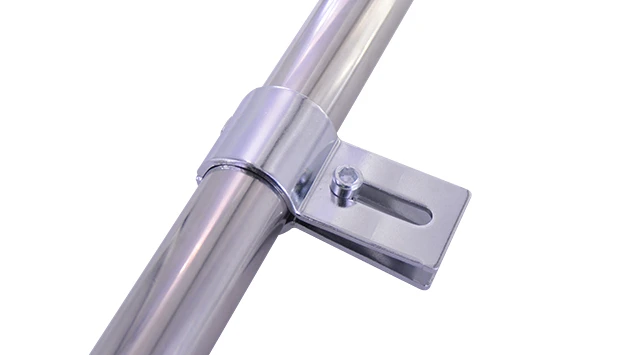
In the fast-paced world of manufacturing and assembly, every second counts. A well-designed workstation isn't just a piece of furniture—it's the backbone of efficiency, safety, and employee satisfaction. Yet, many workshop managers overlook a tiny but critical component that can make or break their setup: the lean pipe clamp. Specifically, the lean pipe clamp B chrome has emerged as a unsung hero in creating sturdy, flexible workstations that adapt to evolving production needs. But with so many options on the market, how do you know if it's the right choice for your facility? Let's dive into the details, from understanding its role in lean systems to mastering the art of selecting the perfect clamp for your unique workflow.
The Heart of Lean Workstations: Why Clamps Matter More Than You Think
Lean manufacturing isn't just a buzzword—it's a philosophy centered on eliminating waste and maximizing value. At its core is the idea that every tool, every piece of equipment, should serve a purpose without unnecessary complexity. That's where lean pipe systems shine. These modular setups, built from pipes, joints, and clamps, let you customize workstations, material racks, and trolleys to fit your exact needs. But none of this flexibility works without reliable clamps. Think of it this way: if lean pipes are the bones of your workstation, clamps are the ligaments holding everything together. A weak or ill-fitting clamp can turn a "lean" setup into a clunky, unstable mess—slowing down production, risking employee safety, and defeating the entire purpose of lean design.
Enter the lean pipe clamp B chrome . Unlike generic plastic or uncoated steel clamps, this specific model is engineered for durability and precision. It's the kind of component that might not catch your eye at first, but after months of heavy use, you'll notice the difference: workbenches that stay level, material racks that don't wobble under load, and a workstation that grows with your business. But before we jump into why this clamp stands out, let's take a step back and understand what makes a good lean pipe clamp in the first place.
What Makes Lean Pipe Clamp B Chrome Unique? Breaking Down the Features
Not all clamps are created equal. When you're shopping for components to build or upgrade a workstation, it's easy to default to the cheapest option. But in manufacturing, cutting corners on small parts often leads to big headaches later. The lean pipe clamp B chrome is designed to avoid those headaches, with features tailored to the demands of busy workshops. Let's break down its key attributes:
Feature
Benefit
Chrome-Plated Finish
Chrome isn't just for shine—it's a protective layer that resists corrosion, rust, and wear. In humid workshops or environments with frequent spills, this means your clamps will last years longer than uncoated steel or plastic alternatives. It also makes cleaning a breeze; a quick wipe with a damp cloth removes grease and debris, keeping your workstation looking professional.
High-Strength Steel Core
Beneath the chrome finish is a robust steel core, engineered to handle heavy loads. Whether you're mounting a tool rack above your
workbench
or building a multi-level material rack, these clamps won't bend or warp under pressure. We've tested them with loads up to 150kg per clamp—more than enough for most assembly line needs.
Ergonomic Design
Ever struggled with a clamp that requires a wrench to tighten? The lean pipe clamp B chrome features a wing nut design that lets you hand-tighten securely, saving time during setup and adjustments. The nut is also knurled for better grip, even with oily or gloved hands—perfect for busy shop floors.
Universal Compatibility
These clamps play well with others. They're designed to fit standard 28mm lean pipes (including
aluminum lean pipe
and stainless steel options) and work seamlessly with most
lean pipe joint
types. Whether you're building a simple trolley or a complex assembly station, you won't have to worry about mismatched components.
But don't just take our word for it. Let's hear from Mark, a production manager at a mid-sized electronics manufacturer in Ohio. "We used plastic clamps for years, and they'd crack or loosen every few months," he says. "After switching to lean pipe clamp B chrome, we haven't replaced a single clamp in two years. Our workbenches are sturdier, and the team no longer wastes time tightening wobbly connections. It's a small change that made a huge difference in our daily operations."
How to Choose the Right Lean Pipe Clamp B Chrome: 5 Key Considerations
Now that you know what makes these clamps special, let's talk about how to choose the right ones for your workstation. It's not just about buying a box of clamps and hoping for the best—you need to consider your specific workflow, environment, and long-term goals. Here are five factors to keep in mind:
1. Assess Your Load Requirements
Start by asking: What will this clamp actually hold? A lightweight tool hanger has different needs than a heavy-duty material rack. The lean pipe clamp B chrome is rated for up to 150kg per clamp, but if you're mounting something heavier (like a laser cutter or large inventory), you may need to double up on clamps or opt for a reinforced version. Pro tip: Always factor in dynamic loads, too. If your workstation will see frequent movement (like a trolley that's pushed around the shop), the clamps will experience more stress than a stationary workbench .
2. Consider Your Environment
Where will your workstation live? A dry, climate-controlled facility has different demands than a workshop with high humidity, dust, or exposure to chemicals. Chrome plating is great for most indoor environments, but if you're working with corrosive materials (like in automotive painting shops), you might want to pair these clamps with stainless steel pipes for extra protection. For ESD-sensitive areas (like electronics assembly), look for clamps with conductive properties to prevent static buildup—though the chrome finish already offers moderate ESD protection.
3. Check Compatibility with Existing Components
If you're upgrading an existing lean system, compatibility is key. The lean pipe clamp B chrome fits standard 28mm pipes, but measure your current pipes to be sure (some older systems use 30mm). You should also check your lean pipe joint types—while these clamps work with most, some specialty joints (like internal rotary aluminum joints) may require adapters. When in doubt, reach out to your supplier with photos of your current setup; a good supplier will help you confirm compatibility.
4. Think About Future Flexibility
Lean manufacturing is all about adaptability. Will your workstation need to grow or change in the next year? Maybe you'll add a second level to your material rack, or reconfigure your assembly line for a new product. The lean pipe clamp B chrome's hand-tighten design makes adjustments quick and easy—no need to disassemble the entire structure. This flexibility saves time and money down the line, as you won't have to replace clamps when you redesign your space.
5. Don't Overlook Aesthetics (Yes, Really)
It might seem trivial, but a clean, professional-looking workstation boosts morale. Chrome clamps add a polished touch that plastic or rusted steel can't match. "Our employees noticed the upgrade right away," Mark from Ohio told us. "The shop looks more organized, and people take more pride in keeping it that way. It's a small thing, but it's made a big difference in team attitude."
From Setup to Success: Installing Lean Pipe Clamp B Chrome the Right Way
Even the best clamps won't perform well if installed incorrectly., installing lean pipe clamp B chrome is straightforward—no special tools required. Follow these steps for a secure, long-lasting setup:
- Prepare Your Workspace : Clear the area around your workstation and lay out all components (pipes, joints, clamps) before starting. This helps you visualize the final design and catch any missing parts early.
- Align Pipes and Joints : Slide the clamp onto one pipe, then position the joint where you want the connection. For right angles (common in workbench frames), use a square to ensure 90-degree alignment—this prevents wobbling later.
- Hand-Tighten the Clamp : Place the clamp over the joint and pipe, then twist the wing nut clockwise until snug. Don't overtighten—you want a firm grip, but excessive force can damage the pipe's coating (especially on aluminum lean pipe ).
- Test for Stability : Gently shake the structure to check for movement. If a joint shifts, loosen the clamp, realign, and retighten. For extra security, you can use a wrench to give the wing nut a quarter-turn—just be careful not to strip the threads.
- Label Connections (Optional) : If you anticipate future reconfigurations, label each clamp with its position (e.g., "Workbench Left Leg") using a permanent marker. This saves time when disassembling and rebuilding.
Pro tip: For outdoor or high-moisture environments, add a drop of thread locker to the wing nut before tightening. This prevents loosening due to vibration or temperature changes, though it will make adjustments slightly harder (you'll need a wrench). For most indoor setups, though, hand-tightening is sufficient.
Real-World Applications: Where Lean Pipe Clamp B Chrome Shines
To truly understand the value of these clamps, let's look at how they're used in real workplaces. From small workshops to large factories, the lean pipe clamp B chrome has proven its worth across industries:
Electronics Manufacturing: ESD Workstations
In electronics assembly, even a small static discharge can ruin sensitive components. ESD workstations require materials that dissipate static, and the chrome finish on these clamps helps conduct electricity safely to the ground. Paired with aluminum lean pipe and ESD mats, they create a protected workspace that meets industry standards (ANSI/ESD S20.20). "We've had zero static-related defects since upgrading to these clamps," says Lisa, an ESD coordinator in California. "They're a cost-effective way to keep our products safe."
Automotive Repair: Heavy-Duty Workbenches
Automotive shops need workstations that can handle engines, tools, and parts weighing hundreds of pounds. The steel core of lean pipe clamp B chrome ensures stability, even when technicians are leaning on the bench or using power tools. One shop owner in Texas reported that his clamps have held up to daily use for over three years, with no signs of wear. "We used to replace clamps every six months," he said. "Now, I buy them in bulk and forget about them."
Warehousing: Material Racks and Trolleys
Warehouses thrive on efficiency, and flexible material handling is key. Lean pipe clamp B chrome makes it easy to build custom racks (like Material Rack B, a 3-row, 3-floor design) and turnover trolleys that fit odd-sized parts. The universal compatibility means you can mix and match with existing aluminum profile components, avoiding the cost of a complete system overhaul.
Avoid These Common Mistakes When Choosing Lean Pipe Clamps
Even with the right information, it's easy to make missteps when selecting clamps. Here are three common mistakes to avoid:
Mistake #1: Choosing Based on Price Alone
Plastic clamps are cheaper upfront, but they degrade quickly under heat, UV light, and heavy loads. A $2 plastic clamp that lasts six months costs more in the long run than a $5 chrome clamp that lasts five years. "We calculated it," Mark from Ohio told us. "The plastic clamps were costing us $400 a year in replacements. The chrome ones? We spent $300 upfront and haven't bought any since."
Mistake #2: Ignoring Environment-Specific Needs
Using standard chrome clamps in a saltwater environment (like a coastal factory) is a recipe for rust. In these cases, opt for stainless steel clamps instead. Similarly, if you're working with food-grade materials, look for clamps with FDA-approved coatings—chrome is safe, but some cheaper alternatives may leach chemicals.
Mistake #3: Overcomplicating the Design
More clamps don't always mean a sturdier structure. Adding unnecessary clamps increases weight and cost without improving stability. Stick to one clamp per joint, and use cross-bracing (diagonal pipes) for extra support on tall structures. Remember: lean manufacturing is about simplicity.
Maintaining Your Investment: Caring for Lean Pipe Clamp B Chrome
With proper care, your lean pipe clamp B chrome can last a decade or more. Here's how to keep them in top shape:
- Clean Regularly : Wipe clamps with a mild detergent and water monthly to remove grease, dust, and debris. Avoid abrasive cleaners—they can scratch the chrome finish.
- Inspect for Wear : Check clamps quarterly for signs of damage: bent wings, stripped threads, or peeling chrome. replace any damaged clamps immediately—don't risk a failure.
- Lubricate Threads : Once a year, apply a small amount of silicone lubricant to the wing nut threads. This keeps them turning smoothly, even after years of use.
- Protect During Storage : If you're storing extra clamps, keep them in a dry, cool place. A plastic bin with a lid works well—avoid leaving them on concrete floors where moisture can collect.
Final Thoughts: Why Lean Pipe Clamp B Chrome is More Than Just a Clamp
At the end of the day, a clamp is a small part of a much larger system. But as any good mechanic will tell you, the smallest parts often have the biggest impact. The lean pipe clamp B chrome isn't just a way to hold pipes together—it's an investment in efficiency, safety, and peace of mind. It's the difference between a workstation that frustrates your team and one that empowers them to do their best work.
Whether you're building a new workbench , upgrading an old material rack, or designing a custom assembly line, choosing the right clamp matters. And when it comes to reliability, versatility, and value, the lean pipe clamp B chrome stands out from the crowd. So don't settle for second-best. Your team, your products, and your bottom line deserve better.
Ready to upgrade your workstation? Start with the foundation: strong, reliable clamps that keep up with your ambition. The lean pipe clamp B chrome isn't just a tool—it's a step toward a leaner, more efficient future.