- Company Articles
- Products and Technology
- Product knowledge
- How to Choose the Right Parallel Lean Pipe Joint for Your Project

How to Choose the Right Parallel Lean Pipe Joint for Your Project
Related Product
Parallel Lean Pipe Joint
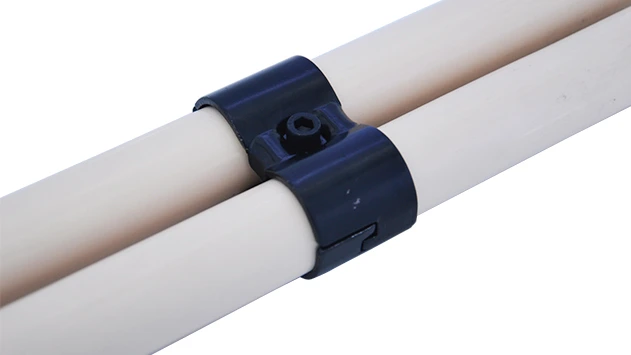
Parallel lean pipe joint used for 2 pcs 28MM lean pipe connection in parallel direction to enhance frame structure, usually for heavy payload requirement for workbench. flow rack, hand trolley.
If you've ever stood in front of a wobbly workbench, watched a material rack sag under the weight of parts, or struggled to reconfigure a production line because the connections wouldn't budge, you know the silent frustration of choosing the wrong components. In the world of lean manufacturing and workspace design, the smallest parts often make the biggest difference—and few parts are as critical as the parallel lean pipe joint. These unassuming connectors are the backbone of stability, flexibility, and efficiency in everything from assembly workbenches to flow racks. But with so many options on the market, how do you pick the one that fits your project like a glove?
Whether you're building a custom aluminum lean pipe workstation, a heavy-duty stainless steel material rack, or a lightweight turnover trolley, the parallel lean pipe joint is the unsung hero holding it all together. It's not just about "connecting pipes"—it's about ensuring your structure can handle daily wear, adapt to changing needs, and keep your team working safely and efficiently. In this guide, we'll walk through the key factors to consider, common pitfalls to avoid, and real-world scenarios to help you choose the perfect parallel lean pipe joint for your next project.
What Even Is a Parallel Lean Pipe Joint?
Let's start with the basics: A parallel lean pipe joint is a specialized connector designed to join two or more lean pipes in a parallel configuration. Think of it as the "elbow" or "hinge" that keeps pipes aligned side-by-side, whether you're building a two-tier workbench, a double-sided material rack, or a conveyor system with parallel rails. Unlike standard 90-degree or T-joints, parallel joints are engineered to maintain equal spacing and stability between parallel pipes—critical for preventing sagging, twisting, or collapse under load.
These joints come in various designs, from fixed rigid connections to rotatory models that allow limited movement (handy for adjustable structures). They're typically made from materials like aluminum, steel, or high-strength plastic, each suited to different environments and load requirements. And while they might seem like a small part of the bigger picture, a poorly chosen parallel joint can turn a sturdy workbench into a safety hazard or a flexible lean system into a rigid, unchangeable mess.
Key Factors to Consider When Choosing a Parallel Lean Pipe Joint
Choosing a parallel lean pipe joint isn't a one-size-fits-all decision. It requires thinking about your project's unique needs—from the materials you're using to the weight it will bear, and even the environment it will operate in. Let's break down the most important factors.
1. Material Compatibility: Match the Joint to Your Pipe
First things first: Your parallel lean pipe joint must play well with the type of lean pipe you're using. Lean pipes come in aluminum, stainless steel, or even plastic-coated steel, and each has different properties that affect joint compatibility.
For example, if you're using aluminum lean pipe (a popular choice for its lightweight, corrosion-resistant, and sleek finish), you'll want a joint designed specifically for aluminum. Aluminum pipes are softer than steel, so a joint with sharp edges or overly tight clamping could scratch or deform the pipe over time. Look for aluminum or aluminum-alloy joints with smooth, rounded contact points—they'll grip securely without damaging the pipe.
On the flip side, if you're working with stainless steel pipe series (common in food processing or high-moisture environments), a steel joint with a chrome plating might be better. Steel joints are stronger but heavier, so they pair well with the sturdier stainless steel pipes. Mixing materials here can lead to problems: A steel joint on an aluminum pipe, for instance, might cause galvanic corrosion (a chemical reaction between dissimilar metals) if exposed to moisture. Save yourself the headache—always check that the joint's material is compatible with your pipe.
2. Load Capacity: Don't Skimp on Strength
How much weight will your structure actually hold? It's a question that's easy to guess at, but getting it wrong can lead to disaster. A parallel lean pipe joint's load capacity—measured in kilograms or pounds—tells you the maximum weight it can support without bending, breaking, or losing grip.
Let's say you're building a workbench for an electronics assembly line. If your team will be placing heavy testing equipment (200kg+) on it, a lightweight plastic joint won't cut it. You'll need a heavy-duty parallel joint, maybe a "Parallel Double End Fixed Lean Pipe Joint" (a type we'll cover later) made from steel or thick aluminum, with reinforced clamping mechanisms.
On the other hand, if you're building a small turnover trolley for moving lightweight components (think 50kg or less), a lighter, more affordable joint—like a plastic or thin-aluminum parallel rotatory joint—might be sufficient. The key is to calculate the total weight the structure will bear (including dynamic loads, like items being placed or moved) and choose a joint with a load capacity that exceeds that number by at least 20% (a safety buffer never hurts).
3. Project Flexibility: Fixed or Adjustable?
Lean manufacturing thrives on adaptability. Workflows change, production lines reconfigure, and what worked last month might not work today. Your parallel lean pipe joint should reflect that need for flexibility—unless your structure is meant to be permanent.
If you anticipate needing to adjust the spacing between parallel pipes (e.g., to fit larger materials on a flow rack) or reposition the structure later, a parallel rotatory lean pipe joint is a smart choice. These joints allow limited rotation or sliding along the pipe, making it easy to tweak the setup without disassembling the entire structure. They're ideal for prototype labs or small-batch production lines where change is frequent.
For permanent structures—like a dedicated assembly workbench that won't need reconfiguration—a fixed parallel joint (e.g., "Parallel Double End Fixed Lean Pipe Joint") is better. These joints lock the pipes in place with bolts or set screws, providing maximum stability. Just be sure you're certain about the layout before installing them—adjusting a fixed joint often means unscrewing, repositioning, and retightening, which can be time-consuming.
4. Environmental Conditions: Think About Where It Will Live
Your parallel lean pipe joint doesn't exist in a vacuum—it has to survive in your workspace, whether that's a dry, climate-controlled factory or a damp warehouse near the coast. Environmental factors like moisture, chemicals, and even static electricity can affect joint performance.
For example, in a food processing plant or a marine facility, moisture and corrosion are constant threats. Here, a stainless steel parallel joint (from the stainless steel pipe series ) is a must—it resists rust and stands up to frequent cleaning with water or chemicals. In contrast, a standard steel joint would start corroding within months, weakening the connection.
If you're working in an electronics manufacturing environment with sensitive components, you might need an ESD (electrostatic discharge) workstation. While ESD needs typically focus on the workbench surface or mats, some joints come with ESD-safe coatings to prevent static buildup—worth considering if your process requires strict ESD control.
5. Ease of Installation: Time Is Money
In lean manufacturing, downtime is the enemy. The faster you can assemble (or reconfigure) your structure, the sooner your team can get back to work. That's why ease of installation matters when choosing a parallel lean pipe joint.
Look for joints that require minimal tools—ideally just a hex key or a screwdriver. Some modern parallel joints use quick-connect mechanisms or snap-on designs that let you assemble the structure in minutes, not hours. Avoid joints that need welding, drilling, or specialized equipment unless you have a dedicated maintenance team on hand.
Also, consider your team's experience. If you're training new employees to assemble workbenches or racks, a joint with clear, intuitive instructions (and maybe color-coded parts) will reduce errors and speed up the process. Remember: A joint that's "easy to install" for a seasoned engineer might be confusing for someone new to lean systems.

Common Types of Parallel Lean Pipe Joints (and When to Use Them)
Now that you know what to look for, let's dive into the most common types of parallel lean pipe joints. Each has its own strengths, so we've put together a quick reference table to help you match the joint to your project.
| Joint Type | Material | Best For | Max Load Capacity | Pipe Compatibility |
|---|---|---|---|---|
| Parallel Rotatory Lean Pipe Joint | Aluminum or Steel | Adjustable structures (e.g., height-adjustable workbenches, reconfigurable flow racks) | Up to 150kg per joint | Aluminum lean pipe, 2.0mm PE coated lean pipe |
| Parallel Double End Fixed Lean Pipe Joint | Steel (Chrome Plated) | Permanent, heavy-duty structures (e.g., material rack B with 3 rows/3 floors, industrial workbenches) | Up to 300kg per joint | Stainless steel pipe series, 1.5mm+ steel pipe |
| Parallel Lean Pipe Joint One Side Rotatory | Aluminum Alloy | Asymmetric structures (e.g., workbenches with one fixed side and one adjustable shelf) | Up to 100kg per joint | Aluminum lean pipe, basic aluminum tube |
| Parallel Fixation Aluminum Pipe Joint | Aluminum | Lightweight, corrosion-resistant setups (e.g., cleanrooms, pharmaceutical labs) | Up to 80kg per joint | Aluminum pipe, aluminum extrusion profile |
Each of these joints solves a specific problem. For example, the Parallel Double End Fixed joint is a workhorse for heavy loads, making it perfect for a material rack that holds hundreds of pounds of parts. The Parallel Rotatory joint, on the other hand, is all about adaptability—great for a startup's assembly line that needs to pivot quickly. The key is to match the joint's strengths to your project's priorities.

Mistakes to Avoid: Don't Let These Errors Ruin Your Project
Even with the best intentions, it's easy to make missteps when choosing a parallel lean pipe joint. Here are the most common mistakes—and how to steer clear of them.
Mistake #1: Choosing Based on Price Alone
It's tempting to grab the cheapest parallel joint you can find, especially if you're working with a tight budget. But here's the truth: A low-quality joint might save you a few dollars upfront, but it could cost you far more later. A joint that bends under load can damage expensive equipment, slow down production, or even cause workplace injuries. Invest in a mid-range or trusted brand—your structure's stability (and your team's safety) is worth it.
Mistake #2: Ignoring Material Thickness
Not all lean pipes are the same thickness. A 1.0mm PE coated lean pipe is thinner and more flexible than a 2.0mm stainless steel pipe, and your joint needs to account for that. A joint designed for thick steel pipe will be too loose on a thin aluminum pipe, leading to wobbling. Always check the joint's specifications for compatible pipe diameters and thicknesses.
Mistake #3: Overlooking Long-Term Maintenance
Will you need to tighten the joint over time? Can you replace worn parts (like screws or gaskets) easily? Some joints are "disposable"—once they wear out, you have to replace the entire joint. Others are designed for easy maintenance, with replaceable components that extend their lifespan. If your structure will be in use for years, opt for a maintainable joint to avoid frequent replacements.
Real-World Example: Choosing the Right Joint for a Busy Assembly Line
Let's put this all together with a quick case study. Imagine you're tasked with building a new assembly workbench for a smartphone manufacturing line. The workbench needs to hold tools, small parts bins, and a light testing device (total load: ~80kg). The line operates in a clean, climate-controlled room, and the team might need to adjust the shelf height occasionally to accommodate new phone models. You're using aluminum lean pipe for its lightweight and clean look.
Which joint would you choose? Let's walk through the factors:
- Material Compatibility: Aluminum lean pipe → Aluminum or aluminum-alloy joint.
- Load Capacity: 80kg total → A joint with 150kg capacity (to be safe) is more than enough.
- Flexibility: Adjustable shelf height → Rotatory joint for easy repositioning.
- Environment: Clean, dry → No need for stainless steel; aluminum is fine.
- Ease of Installation: Assembly line team should build it → Simple, tool-free or hex-key installation.
The clear choice here? A Parallel Rotatory Lean Pipe Joint made from aluminum alloy. It's compatible with aluminum pipe, handles the load, allows height adjustments, and is easy to install—perfect for this project.
Final Thoughts: Your Joint, Your Project's Success
Choosing the right parallel lean pipe joint might seem like a small detail, but it's the difference between a structure that supports your team's work and one that holds them back. By focusing on material compatibility, load capacity, flexibility, environment, and ease of installation, you'll ensure your joint is up to the task—today and tomorrow.
Remember: Lean systems are all about efficiency, adaptability, and continuous improvement. Your parallel lean pipe joint should embody those principles too. So take the time to evaluate your options, ask your supplier questions (a good lean pipe supplier will happily help you choose), and test a sample if you can. Your workbench, your material rack, and your team will thank you.