- Company Articles
- Products and Technology
- Product knowledge
- How to Choose the Right Plastic Pipe Cover for Your Workbench E Setup

How to Choose the Right Plastic Pipe Cover for Your Workbench E Setup
Related Product
Plastic Pipe Cover
Plastic pipe cover to cover dia 28MM aluminum pipe end at workbench, flow rack, to prevent metal surface scratch material or worker.
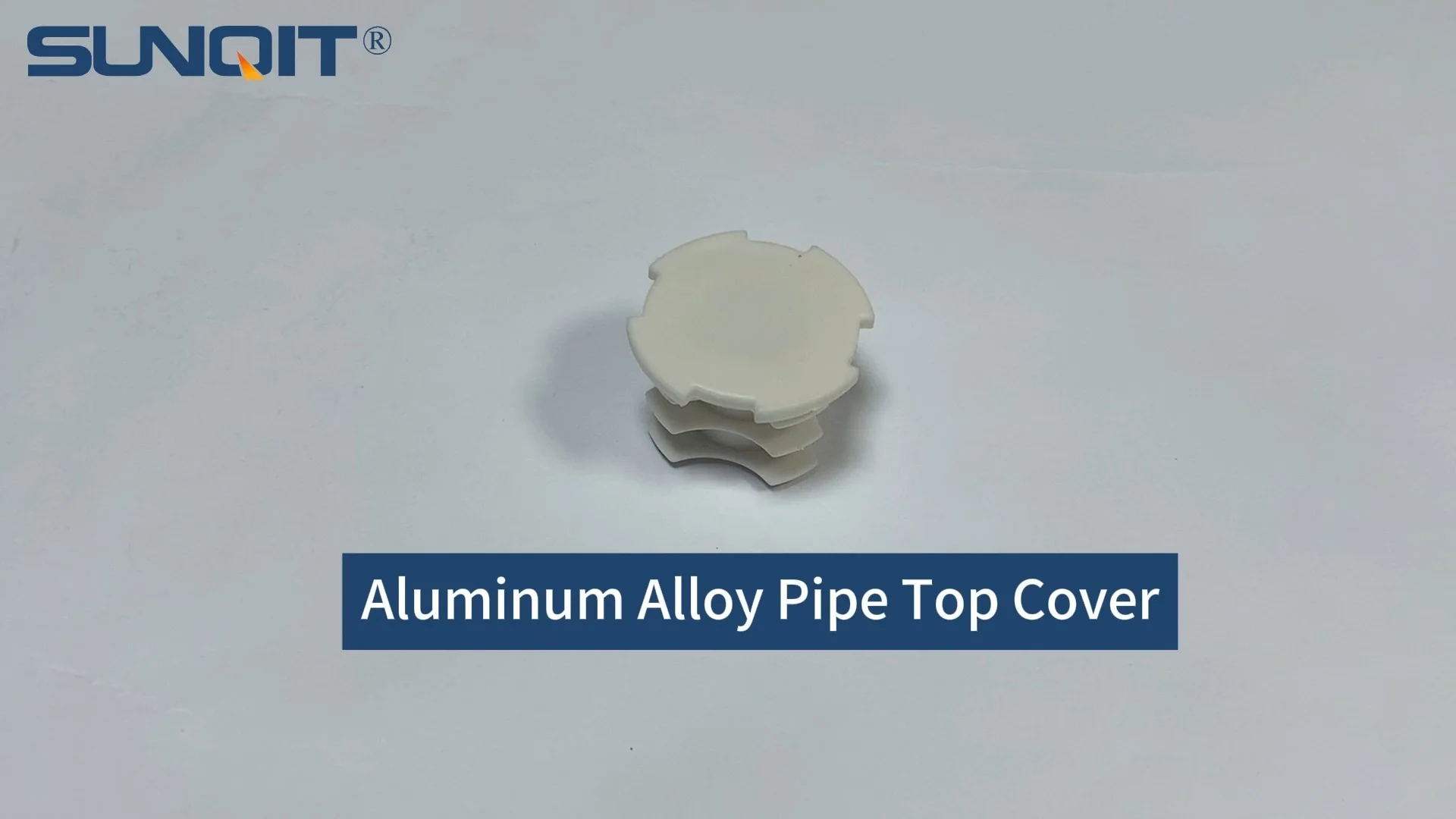
Introduction: The Unsung Hero of Your Workbench E
Setting up a productive workspace is like solving a puzzle—every piece matters, from the large work surface to the tiniest accessory. If you've invested in a Workbench E (single deck-without caster) , you already know it's a workhorse: sturdy, reliable, and designed to keep your tools and materials organized without the distraction of rolling casters. But even the best workbench can fall short if you overlook one critical detail: the plastic pipe covers that protect its underlying structure. These small, often underestimated components play a huge role in extending your workbench's lifespan, improving safety, and even boosting workflow efficiency. In this guide, we'll walk you through everything you need to know to choose the perfect plastic pipe cover for your Workbench E, ensuring your setup is not just functional, but built to last.
Understanding Workbench E: Why It Deserves the Best Protection
Before diving into pipe covers, let's take a moment to appreciate why Workbench E (single deck-without caster) is a favorite in workshops, factories, and labs across industries. Unlike workbenches with casters, its fixed design offers unmatched stability—ideal for precision tasks like assembly, testing, or electronics work where even a slight wobble could ruin a project. Its single-deck surface provides ample space for tools, while its frame, often constructed from lean pipe or aluminum profiles, balances strength and flexibility. But here's the thing: that frame, made of metal pipes, is vulnerable. Without proper protection, daily wear and tear—scratches from tools, bumps from equipment, or even chemical spills—can corrode the pipes, weaken the structure, and turn your reliable workbench into a safety hazard. That's where plastic pipe covers come in: they act as a shield, absorbing impacts, resisting corrosion, and keeping your workbench looking (and functioning) like new.
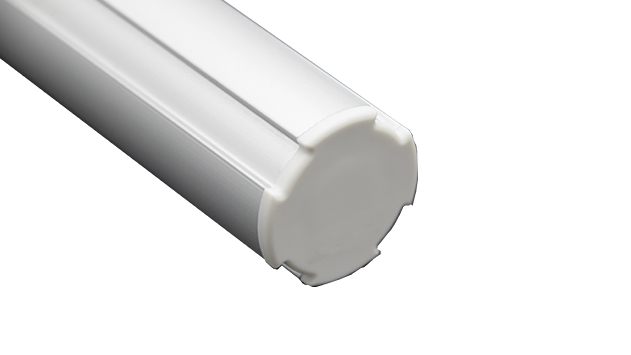
The Role of Plastic Pipe Covers: More Than Just a "Cover-Up"
You might be thinking, "It's just a piece of plastic—how important can it be?" The answer: very. Plastic pipe covers do more than hide unsightly scratches; they're a multitasking solution for your Workbench E setup. First, they protect the metal pipes from physical damage. Whether you're sliding a heavy toolbox across the bench or accidentally knocking into the frame with a trolley, the cover absorbs the impact, preventing dents or cracks. Second, they guard against corrosion. If your workspace deals with moisture, oils, or chemicals (common in manufacturing or automotive shops), bare metal pipes can rust or degrade over time. A quality plastic cover creates a barrier, keeping these elements out. Third, they reduce noise. Metal-on-metal contact—like when a tool drops against the frame—can be (jarring). The plastic dampens these sounds, making your workspace quieter and more pleasant. Finally, they add a touch of organization. Many covers come in colors, allowing you to color-code your workbench (e.g., yellow for high-traffic areas, grey for storage zones), which can streamline workflows and reduce errors. In short, skimping on pipe covers isn't just a cosmetic choice—it's a risk to your workbench's durability and your team's productivity.

Types of Plastic Pipe Covers: Navigating the Options
Not all plastic pipe covers are created equal. To find the right one for your Workbench E, you'll need to understand the different types available. Let's break them down by key features:
1. Material Matters: Choosing the Right Plastic
Most pipe covers are made from one of three materials: PVC (polyvinyl chloride), polyethylene (PE), or polypropylene (PP). PVC is rigid and durable, making it ideal for heavy-duty environments where impact resistance is key. PE is more flexible, which helps it absorb shocks better—great for workbenches in busy assembly lines. PP is chemical-resistant, so if your workspace deals with oils, solvents, or acids, PP covers are a smart pick. For most Workbench E setups, PE or PVC covers strike the best balance between durability and affordability.
2. Size: Fit Like a Glove
Pipe covers come in various diameters to match different pipe sizes. Since Workbench E frames often use lean pipe (typically 28mm in diameter) or aluminum pipes (common sizes like 20mm, 30mm, or 40mm), you'll need to measure your pipes before buying. A cover that's too loose will slip off; one that's too tight will tear when installing. Pro tip: Look for covers with a slight stretch—they'll fit snugly and stay in place even with regular use.
3. Color: More Than Meets the Eye
Color might seem like a personal preference, but in a workspace, it's a tool for efficiency. Just as plastic roller track guide rail yellow and plastic roller track guide rail grey are used to organize roller tracks, pipe covers in different colors can help streamline your Workbench E setup. Yellow covers, for example, are highly visible—perfect for marking high-traffic areas or safety zones (like around the edges of the bench). Grey covers blend in, making them ideal for less frequently accessed parts of the frame, or for creating a clean, uniform look. Some manufacturers even offer custom colors, so you can match your company's branding or team's workflow system.
4. Specialized Features: ESD, Heat Resistance, and More
Depending on your workspace, you might need covers with extra features. For example, if you work with electronics (common in tech or aerospace industries), electrostatic discharge (ESD) can damage sensitive components. ESD-safe plastic covers are conductive, grounding static electricity and protecting your gear. In high-temperature environments (like near ovens or welding stations), heat-resistant covers (made from materials like polyimide) prevent melting or warping. If your Workbench E is used in a cleanroom, look for covers that are easy to sanitize and resistant to chemicals like alcohol or bleach. While these specialized covers cost more, they're worth the investment if your workspace has unique demands.

Key Factors to Consider When Choosing: A Buyer's Checklist
Now that you know the types of covers available, how do you narrow it down? Here's a checklist to guide your decision:
1. Pipe Diameter: Measure Twice, Buy Once
This is non-negotiable. A cover that's too small won't fit; one that's too large will slide off. Grab a tape measure and check the outer diameter of your Workbench E's pipes (most lean pipe frames use 28mm pipes, but confirm!). Covers are usually labeled by the pipe size they fit (e.g., "28mm PVC cover"), so match this exactly.
2. Material Durability: Think About Your Workspace
Consider the daily wear your workbench faces. If it's in a busy factory with heavy equipment, go for a thick, rigid PVC or PE cover. For a lab with lighter use, a thinner PP cover might suffice. Also, check the cover's tensile strength (how much force it can handle before breaking) and impact resistance—look for products with ratings like "ASTM D256" (a standard for impact testing) to ensure quality.
3. Color Coding Needs: Organize with Purpose
Do you need to color-code your workspace? If yes, opt for covers in high-visibility colors like plastic roller track guide rail yellow (great for marking zones where tools are frequently accessed) or neutral tones like plastic roller track guide rail grey (ideal for less active areas like storage frames). Some brands even offer custom color matching, so don't hesitate to ask suppliers if you need a specific shade.
4. Environmental Resistance: Protect Against the Elements
Moisture, chemicals, and UV light can degrade plastic over time. If your Workbench E is near a window (exposed to sunlight), choose a UV-resistant cover to prevent fading or cracking. For damp environments (like a car wash or food processing plant), look for covers labeled "waterproof" or "corrosion-resistant." If chemicals are present, check the cover's chemical compatibility chart (most manufacturers provide this) to ensure it won't react with common substances in your workspace.
5. Ease of Installation: Save Time and Frustration
Some covers are designed to slip on easily, while others require adhesive or clips. For most Workbench E setups, a slip-on cover is best—it's quick to install and easy to replace if damaged. Look for covers with a slight taper or flexible material, which makes them easier to slide over the pipe without tearing.
Installation Guide: How to Fit Your Plastic Pipe Cover Perfectly
Installing a plastic pipe cover is a simple DIY task—no special tools required. Here's a step-by-step guide to get it right:
Step 1: Prepare the Pipe Surface
Start by cleaning the pipes. Wipe them down with a cloth to remove dust, grease, or debris—any dirt under the cover can cause scratches or prevent a snug fit. If there's rust or old adhesive, use a mild solvent (like isopropyl alcohol) to clean the surface, then dry it thoroughly.
Step 2: Measure and Cut the Cover (If Needed)
Most covers come in standard lengths (e.g., 1m or 2m). If your Workbench E's pipes are shorter, mark the cover with a pen and cut it using scissors or a utility knife. For a clean cut, place the cover on a flat surface and use a ruler to guide the blade.
Step 3: Stretch and Slide the Cover On
If the cover is tight (common with rigid materials like PVC), gently stretch one end and slide it over the pipe. Work your way down the pipe, applying even pressure to avoid tearing. For extra flexibility, you can warm the cover slightly (with a hairdryer on low heat) to make it more pliable—just be careful not to overheat, as this can damage the plastic.
Step 4: Secure (If Necessary)
Most slip-on covers stay in place on their own, but if your workspace is extra busy, you can secure the ends with a small zip tie or adhesive tape (choose a tape that won't leave residue when removed). Avoid using nails or screws, as these can pierce the cover and damage the pipe underneath.
Maintenance Tips: Keeping Your Covers (and Workbench) in Top Shape
Once your covers are installed, a little maintenance goes a long way. Here's how to keep them looking and functioning their best:
- Clean Regularly
Wipe the covers with a damp cloth weekly to remove dust and grime. For stubborn stains (like oil or paint), use a mild detergent—avoid harsh chemicals, as they can degrade the plastic.
- Inspect for Wear
Check the covers monthly for cracks, tears, or loose fits. If a cover is damaged, replace it immediately—even a small hole can let moisture in, leading to pipe corrosion.
- replace When Needed
Most plastic covers last 1–3 years, depending on use. If you notice fading, brittleness, or signs of degradation (like cracks that don't flex), it's time for a new set. Keeping spares on hand ensures you can replace them quickly without disrupting workflow.
Comparison Table: Top Plastic Pipe Covers for Workbench E
| Product Name | Material | Fits Pipe Diameter | Color Options | Key Features | Best For |
|---|---|---|---|---|---|
| Standard PVC Pipe Cover | Rigid PVC | 28mm (lean pipe) | Grey, Black | Impact-resistant, corrosion-proof | General workshops, assembly lines |
| Flexible PE Cover | Flexible PE | 20mm–30mm (adjustable) | Yellow , Blue | Highly stretchable, noise-dampening | Busy factories, high-traffic areas |
| ESD-Safe PP Cover | Conductive PP | 28mm (lean pipe) | Grey , White | Static-dissipative, chemical-resistant | Electronics labs, cleanrooms |
| UV-Resistant PVC Cover | UV-stabilized PVC | 30mm (aluminum pipe) | Green, Brown | Weatherproof, fade-resistant | Outdoor workbenches, sunny locations |
Conclusion: Invest in Protection, Reap the Rewards
Your Workbench E (single deck-without caster) is more than a piece of furniture—it's the backbone of your workspace. To keep it strong, safe, and efficient, don't overlook the small details like plastic pipe covers. By choosing the right cover—one that fits your pipe size, matches your workspace's demands, and aligns with your organizational needs—you'll extend your workbench's lifespan, reduce maintenance costs, and create a more productive environment. Whether you opt for a bright plastic roller track guide rail yellow cover to mark high-traffic zones or a sleek plastic roller track guide rail grey cover for a clean look, remember: this isn't just about aesthetics. It's about protecting your investment and ensuring your Workbench E serves you well for years to come. So, measure your pipes, assess your needs, and pick a cover that works as hard as you do. Your workspace (and your team) will thank you.