- Company Articles
- Products and Technology
- Product knowledge
- How to Choose the Right Single Side Aluminum Pipe Fittings for Your System

How to Choose the Right Single Side Aluminum Pipe Fittings for Your System
Related Product
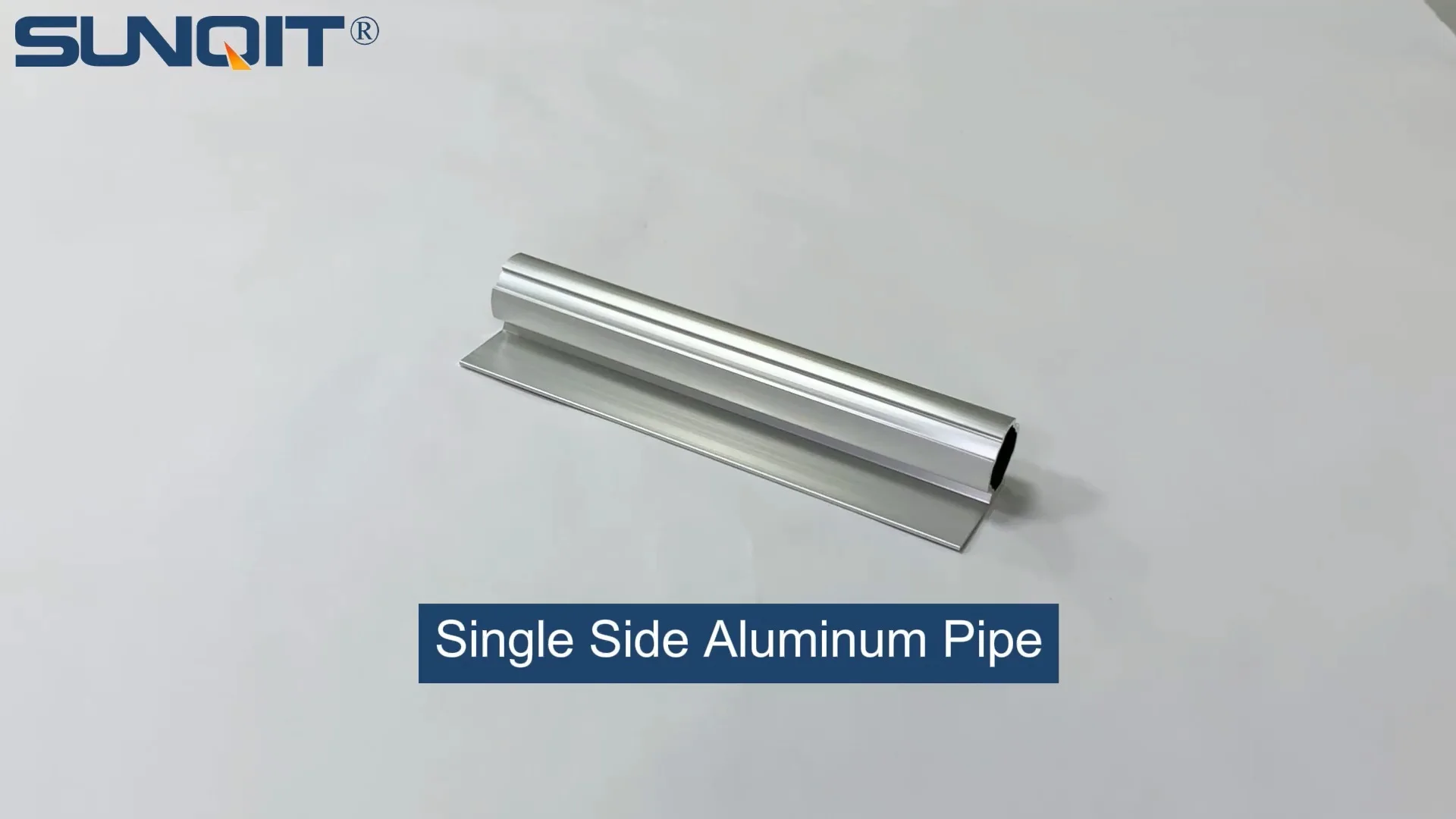
Single Side Aluminum Pipe
The single-sided plane can be installed with a back-mounted material box, and can also be used as a sidewall or partition.
Walk into any modern manufacturing facility, warehouse, or assembly line, and you'll likely spot a network of sleek, modular structures—workbenches, flow racks, conveyor systems, and turnover trolleys—all working in harmony to keep operations running smoothly. What you might not notice at first glance are the unsung heroes holding these systems together: the fittings. Specifically, single side aluminum pipe fittings. These small but critical components are the backbone of lean systems, determining everything from a structure's stability to its flexibility. Choose the wrong ones, and you could end up with wobbly workstations, inefficient workflows, or even safety hazards. Choose the right ones, and you'll unlock a level of adaptability and durability that transforms how your team works. In this guide, we'll break down everything you need to know to select the perfect single side aluminum pipe fittings for your unique system.
Understanding Single Side Aluminum Pipe Fittings: What Are They and Why Do They Matter?
Before diving into the selection process, let's clarify what single side aluminum pipe fittings are and why they're so essential. Single side aluminum pipes are lightweight, corrosion-resistant tubes designed for building modular structures. Unlike traditional steel pipes, they offer the perfect balance of strength and maneuverability, making them ideal for lean manufacturing environments where efficiency and quick reconfiguration are key. The fittings, then, are the connectors that join these pipes together—think of them as the "joints" of your system. They come in various shapes, sizes, and designs, each tailored to specific connection needs: 90-degree angles for corners, T-joints for branching structures, swivel joints for adjustable components, and more.
What sets single side aluminum pipe fittings apart is their focus on simplicity and modularity. Many are designed for tool-free assembly, allowing your team to set up or reconfigure structures in minutes, not hours. This aligns perfectly with lean principles, where minimizing waste (including time spent on setup) is a top priority. But their importance goes beyond convenience. A well-chosen fitting ensures that your aluminum profile structures can withstand daily wear and tear, support heavy loads without bending, and adapt as your needs change—whether you're adding a new shelf to a material rack or repurposing a workbench for a new project.
Key Factors to Consider When Choosing Fittings
Selecting the right single side aluminum pipe fittings isn't a one-size-fits-all process. It requires a clear understanding of your system's goals, environment, and limitations. Let's break down the critical factors to evaluate.
1. Assessing Your System's Core Requirements
Start by asking: What is this system for ? A static workbench in a electronics assembly line has very different needs than a mobile turnover trolley used to transport heavy components across a warehouse. Begin by defining the system's primary function, then drill into specifics:
- Static vs. Dynamic Use: Will the structure stay in one place (like a workbench E with a single deck) or move (like a trolley with caster wheels)? Mobile systems need fittings that can handle vibrations and sudden movements without loosening. Look for locking mechanisms or reinforced joints here.
- Load Requirements: How much weight will the system support? A material rack B with 3 rows and 3 floors might need to hold hundreds of kilograms of parts, while a lightweight assembly station could manage with far less. Fittings have specific weight ratings—never assume a "standard" fitting will work; check the specs.
- Reconfiguration Frequency: Is this a permanent setup, or will you need to adjust it regularly? Lean systems thrive on adaptability. If you're constantly rearranging (e.g., seasonal production changes), prioritize fittings with quick-release mechanisms or internal rotatary aluminum joints that allow easy angle adjustments without disassembly.
2. Material Compatibility: Matching Fittings to Your Aluminum Pipes
Aluminum pipes are prized for their corrosion resistance and lightweight properties, but those benefits can be undermined if paired with incompatible fittings. The first rule? Stick to aluminum or aluminum-compatible materials whenever possible. Mixing metals (e.g., using steel fittings with aluminum pipes) can cause galvanic corrosion—a chemical reaction that eats away at the metal when two dissimilar materials are in contact, especially in humid or wet environments. This isn't just a durability issue; corroded fittings weaken the entire structure over time.
That said, there are exceptions. For example, if your system operates in an extremely high-load environment (think industrial machinery supports), you might opt for stainless steel fittings with aluminum pipes. In this case, use insulating washers or coatings to separate the metals and prevent corrosion. For most standard applications, though, aluminum fittings are the way to go. They're designed to bond seamlessly with aluminum pipes, ensuring a tight, long-lasting connection. Don't forget to check the pipe's diameter, too—fittings are sized to match specific pipe widths (e.g., 20mm, 30mm, 40mm). A 40mm fitting won't work with a 30mm pipe, no matter how well it's made.
3. Load Capacity: Ensuring Safety and Durability
This might seem obvious, but underestimating load capacity is one of the most common mistakes in fitting selection. Every fitting has a maximum weight it can support, and this rating isn't arbitrary—it's determined by factors like material thickness, design, and connection method. A flimsy plastic fitting might work for a lightweight shelf holding small tools, but it'll buckle under the weight of a 200kg batch of components. Conversely, over-specifying (choosing a heavy-duty fitting for a light load) isn't just a waste of money; it can add unnecessary bulk, making the system harder to move or reconfigure.
To calculate the right load capacity, start by determining the total weight the system will bear. For a workbench, this includes the weight of tools, materials, and even the operator (if they lean on it). For a flow rack, consider the weight of each bin or container, multiplied by the number of levels and rows (e.g., a material rack B with 3 rows and 3 floors, each holding 10kg bins, would need to support at least 90kg, plus the weight of the pipes themselves). Then, check the fitting's load rating—this is usually listed in kilograms or pounds by the manufacturer. Always choose fittings with a rating that exceeds your calculated load by 10-20% to account for unexpected stress (like a sudden impact or uneven weight distribution).
4. Environmental Conditions: Where Will Your System Live?
Your system's environment has a huge impact on fitting performance. A fitting that works perfectly in a climate-controlled factory might fail miserably in a dusty warehouse or a humid food processing plant. Here are key environmental factors to consider:
- Moisture and Corrosion: If your system is near water (e.g., a cleaning station) or in a high-humidity area (like a greenhouse), opt for anodized aluminum fittings or stainless steel components. These resist rust and degradation better than untreated aluminum.
- Dust and Debris: In dusty environments (e.g., woodworking shops), avoid fittings with small crevices where dust can accumulate and jam moving parts. Look for smooth, sealed designs instead.
- ESD Sensitivity: For electronics manufacturing or labs handling sensitive components, ESD workstation requirements demand conductive fittings that dissipate static electricity. These are often marked with "ESD-safe" labels and use materials like carbon-infused aluminum.
- Temperature Extremes: Outdoor systems or those near ovens/ freezers need fittings that can withstand thermal expansion and contraction. Aluminum handles temperature changes well, but avoid plastic components in extreme heat—they can warp or become brittle.
5. Ease of Installation and Adaptability: Future-Proofing Your Setup
In lean manufacturing, time is money. The faster your team can set up or reconfigure a system, the less downtime you'll face. That's why ease of installation is a critical factor in choosing fittings. Many modern aluminum pipe fittings are designed for tool-free assembly—think push-to-connect joints or twist-lock mechanisms. These are game-changers for teams that need to adapt quickly. For example, the internal rotatary aluminum joint allows you to adjust the angle of a pipe without disassembling the entire structure, saving precious minutes during a production line changeover.
Adaptability is equally important. Your system today might be a simple workbench, but next year, you might need to add a conveyor or stack racks. Choose fittings that play well with aluminum profile accessories like roller tracks, caster wheels, or shelf brackets. For instance, if you think you'll need mobility later, select fittings that can accommodate caster installation bases—this way, you won't have to rebuild the entire structure when adding wheels. Modularity also extends to compatibility with other systems: Can your fittings connect to standard aluminum extrusion profiles if you expand? Look for suppliers that offer a wide range of aluminum pipe and accessories to ensure you're not locked into a proprietary system.
6. Compatibility with Accessories: The Bigger Picture
A system is only as good as its components work together. Your single side aluminum pipe fittings need to seamlessly integrate with other accessories to create a cohesive workflow. Let's say you're building a flow rack for material handling—you'll need roller tracks to slide bins, guide rails to keep them aligned, and maybe even swivel roller balls for easy direction changes. The fittings holding the roller track must be compatible with both the aluminum pipes and the track's mounting brackets. Mismatched components can lead to jams, misalignment, or uneven weight distribution.
Caster wheels are another common accessory where compatibility matters. If you're adding mobility to a trolley, the caster fittings must securely attach to the pipe's end without protruding or weakening the joint. Look for castor install bases designed specifically for your pipe diameter—these distribute weight evenly and prevent the caster from wobbling. The same goes for workbench accessories like tool hooks or monitor mounts: Ensure the fittings have threaded holes or slots that match standard accessory sizes.

Common Mistakes to Avoid When Selecting Fittings
Even with careful planning, it's easy to fall into pitfalls when choosing single side aluminum pipe fittings. Here are the most common mistakes and how to steer clear of them:
- Choosing Based on Price Alone: It's tempting to opt for the cheapest fittings, but low-cost options often skimp on material quality or design. A $2 fitting might fail after a month of use, costing you more in replacements and downtime than a $5 high-quality one would have upfront.
- Ignoring Future Needs: Don't just think about today's system—plan for tomorrow. If you anticipate expanding or reconfiguring, avoid fixed, non-adjustable fittings. Invest in modular options that grow with you.
- Overlooking Weight Distribution: Even if a fitting has a high load rating, it won't perform well if the weight isn't distributed evenly. For example, using a single T-joint to support a heavy shelf might cause the pipe to bend—add reinforcement brackets or use multiple fittings instead.
- Mixing Fitting Types from Different Suppliers: Not all "standard" fittings are created equal. A 90-degree joint from Supplier A might have a slightly different diameter than one from Supplier B, leading to loose connections. Stick to a single supplier or verify compatibility before mixing.

A Practical Guide: Comparing Popular Single Side Aluminum Pipe Fittings
To help you visualize the options, here's a comparison of some common single side aluminum pipe fittings, their best uses, and key specs:
| Fitting Type | Material | Load Capacity (kg) | Best For | Installation Difficulty |
|---|---|---|---|---|
| Internal Straight Aluminum Joint | Anodized Aluminum | 300-500 | Straight pipe extensions (e.g., shelf supports) | Tool-free (twist-lock) |
| 90° Aluminum Crossing Joint | Aluminum Alloy | 200-350 | Crossing pipes (e.g., workbench frames) | Requires hex key |
| Parallel Fixation Aluminum Pipe Joint | Aluminum + Steel Bolts | 400-600 | Parallel pipe connections (e.g., double-deck workbenches) | Requires wrench |
| Internal Rotary Aluminum Joint | Anodized Aluminum | 150-250 | Adjustable angles (e.g., tiltable shelves) | Tool-free (rotary lock) |
| Lean Pipe Joint (Chrome-Plated) | Steel with Chrome Coating | 450-700 | Heavy-duty structures (e.g., material racks) | Requires Allen key |
*Note: Load capacities are approximate and vary by supplier. Always check manufacturer specs for your specific application.

Working with Reliable Suppliers: Ensuring Quality and Support
Even the most careful selection process can fall flat if you're working with an unreliable supplier. A reputable aluminum pipe supplier will not only provide high-quality fittings but also offer technical support, custom solutions, and consistent inventory. Here's what to look for when choosing a supplier:
- Certifications: Look for suppliers with ISO 9001 certification—this ensures they adhere to strict quality management standards.
- Range of Products: A supplier with a wide selection of aluminum pipe and accessories (fittings, roller tracks, caster wheels) makes it easier to source all components from one place, reducing compatibility issues.
- Technical Support: The best suppliers have engineers or customer service reps who can help you calculate load capacities, recommend fittings, or troubleshoot installation problems.
- Lead Times: In fast-paced environments, long lead times can derail projects. Choose suppliers with local warehouses or quick shipping options.
Conclusion: Investing in the Right Fittings for Long-Term Success
Single side aluminum pipe fittings might seem like small components, but they have a outsized impact on your system's performance, safety, and efficiency. By taking the time to assess your system's requirements, prioritize material compatibility and load capacity, and choose user-friendly, adaptable designs, you'll build a structure that not only meets today's needs but grows with your business. Remember: the goal isn't just to buy fittings—it's to invest in a lean, resilient system that empowers your team to work smarter, not harder. With the right fittings in place, you'll be amazed at how much smoother, faster, and more flexible your operations can be.