- Company Articles
- Products and Technology
- Product knowledge
- How to Choose the Right Size Aluminum Pipe Clamp for Your Pipes

How to Choose the Right Size Aluminum Pipe Clamp for Your Pipes
Related Product
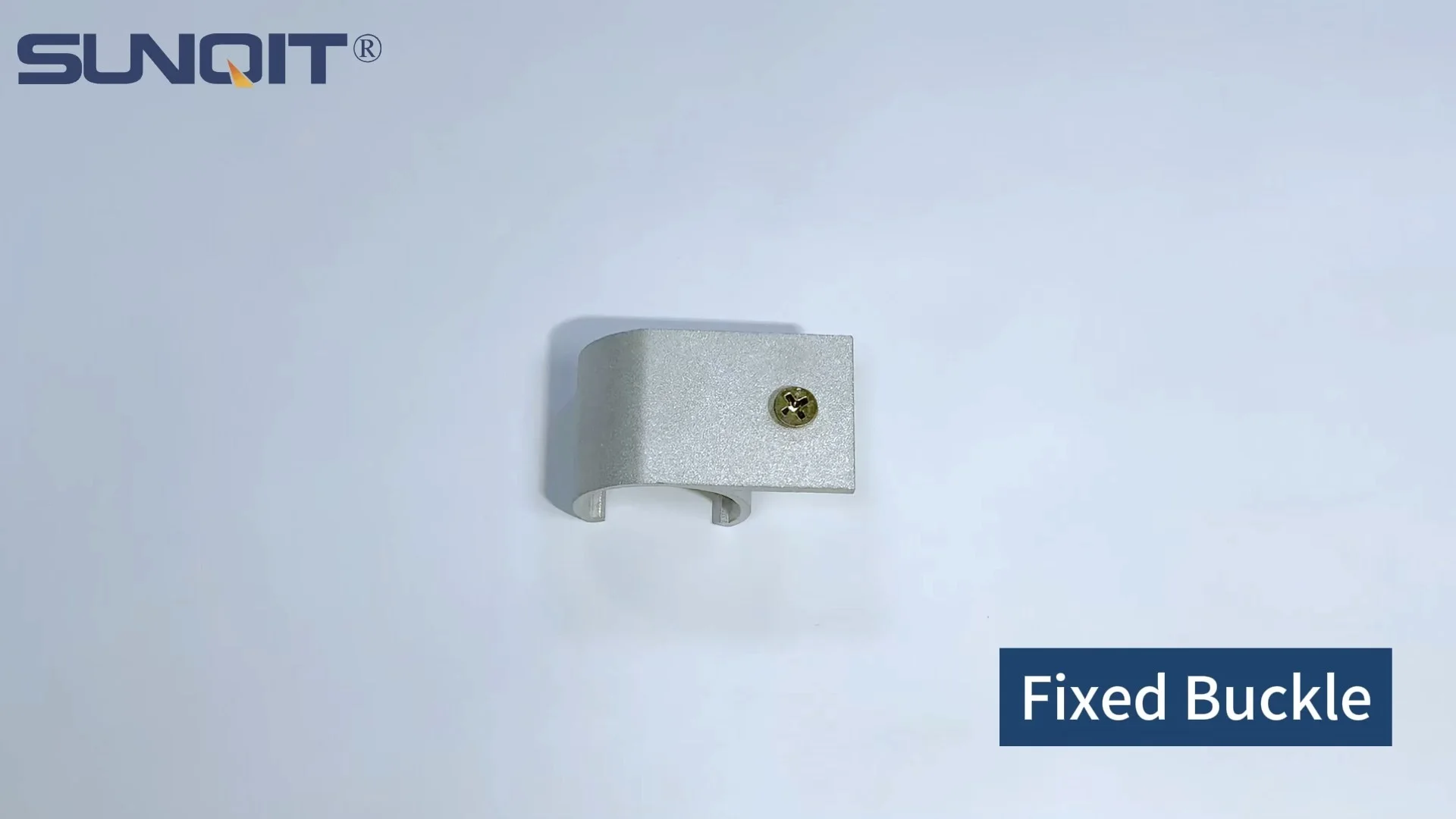
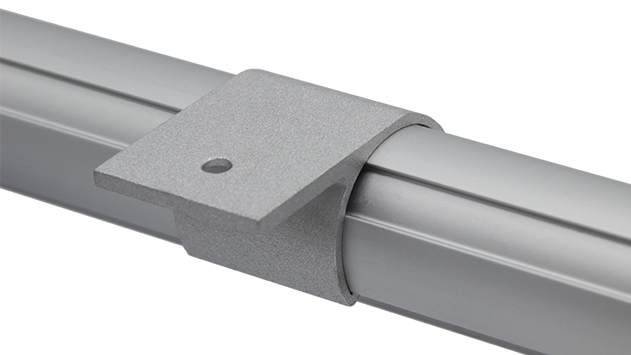
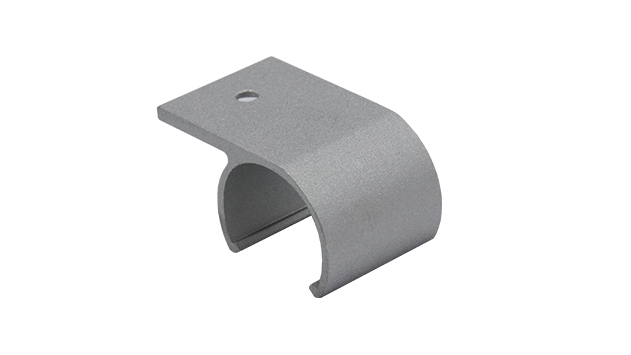
Aluminum Pipe Clamp
Aluminum pipe side clamp used for 28mm aluminum pipe connect with table top, or other accessories.
Walk into any manufacturing plant, warehouse, or workshop, and you'll likely spot aluminum pipes hard at work. They form the backbone of workbenches, hold up material racks, support conveyor systems, and even frame lean production setups. But here's the thing: none of these structures would stand firm without a yet critical component—the pipe clamp. A clamp that's too loose can turn a sturdy aluminum profile frame into a wobbly hazard; one that's too tight might warp the pipe or snap under pressure. Choosing the right size isn't just about measurements—it's about ensuring safety, efficiency, and the longevity of your entire setup. Let's dive into how to get it right, step by step.
First, Know Your Aluminum Pipe: Types and Sizes Matter
Before you even look at a clamp, you need to understand the star of the show: your aluminum pipe. Not all aluminum pipes are created equal, and their size and type will directly dictate the clamp you need. Let's break down the most common types you'll encounter:
Basic Aluminum Tube vs. Aluminum Lean Pipe
The term "aluminum pipe" covers a range of products, but two stand out in industrial settings: basic aluminum tube and aluminum lean pipe . Basic aluminum tubes are straightforward—hollow cylinders used for structural support, like in shelving or lightweight frames. Aluminum lean pipe, on the other hand, is designed for flexibility. Often coated in a durable plastic layer, it's a staple in lean manufacturing systems, where workstations and material flows need to be reconfigured quickly. Both come in standard diameters, but lean pipe often has slightly thicker walls to handle frequent adjustments.
Aluminum Extrusion Profile: The T-Slot Workhorse
If you've seen frames with grooves running along their length, you're looking at aluminum extrusion profile . These aren't just pipes—they're precision-engineered with T-slots that let you attach brackets, panels, or other components without drilling. Common in workbenches and machine guards, extrusion profiles have unique dimensions (like 20×20mm, 30×30mm, or 40×40mm) that require specialized clamps designed to fit into those slots. Mixing a standard pipe clamp with an extrusion profile is a recipe for frustration (and instability).
Sizing Up: Diameter and Wall Thickness
When we talk about "size" in aluminum pipes, we're primarily referring to outer diameter (OD) —the distance across the pipe's outer edge. This is the measurement clamps are designed to grip. Common OD sizes include 16mm, 20mm, 28mm, and 40mm, though you might encounter larger diameters in heavy-duty applications. Wall thickness (how thick the pipe's metal is) matters too: a 20mm pipe with a 1.2mm wall is lighter than one with a 2.0mm wall, but both have the same OD, so they'll use the same clamp size. Pro tip: Always measure the OD, not the inner diameter (ID)—clamps grip the outside, not the hollow center.
Types of Aluminum Pipe Clamps: Which One Do You Need?
Now that you know your pipe, let's explore the clamps that hold them together. Clamps come in a variety of designs, each suited to specific pipes and applications. Here are the most common types you'll come across:
Fixed vs. Adjustable Clamps
Fixed clamps are designed for a single pipe diameter—think of them as a one-size-fits-one solution. They're simple, affordable, and ideal for static setups where the pipe size won't change (like a permanent aluminum profile workbench). Adjustable clamps, on the other hand, can expand or contract to fit a range of diameters (e.g., 16mm to 28mm). These are your best bet for lean systems or workshops where you might reconfigure pipes regularly—no need to buy a new clamp every time you switch pipe sizes.
Specialized Clamps for Aluminum Extrusion Profile
If you're working with T-slot aluminum extrusion profile, standard clamps won't cut it. These profiles require clamps that slide into the T-slots and lock into place, like aluminum profile accessories such as T-bolts with flange nuts or corner brackets. These clamps don't just grip the pipe—they integrate with the profile's design, creating a seamless, rigid connection. For example, a 40×40mm extrusion profile might use a 40mm T-slot clamp that bolts directly into the slot, ensuring zero slippage.
Aluminum Pipe Accessories: The Little Parts That Make a Big Difference
Don't overlook aluminum pipe accessories when choosing a clamp. Washers, lock nuts, and joint covers might seem minor, but they enhance grip and protect the pipe. A rubber washer, for instance, can prevent metal-on-metal friction that might scratch the pipe's surface or loosen the clamp over time. Some clamps even come with built-in accessories, like swivel joints for angled connections or padded grips for delicate aluminum lean pipe.
| Clamp Type | Compatible Pipe Diameter Range | Best For | Key Feature |
|---|---|---|---|
| Fixed Aluminum Joint | 20mm (standard) | Static structures (e.g., basic aluminum tube shelving) | Non-adjustable, low cost, easy to install |
| Adjustable Aluminum Pipe Clamp | 16mm – 40mm | Lean systems, reconfigurable workbenches | Sliding mechanism to fit multiple diameters |
| T-Slot Extrusion Clamp | Depends on profile size (e.g., 20×20mm, 40×40mm) | Aluminum extrusion profile frames | Locks into T-slots for secure, integrated connections |
| Stainless Steel Clamp | 16mm – 50mm (adjustable) | Corrosive environments (e.g., food processing plants) | Resistant to rust, works with aluminum lean pipe |
5 Key Factors to Choose the Right Size Clamp
Now that you're familiar with pipes and clamps, let's walk through the critical factors that will guide your decision. These aren't just checkboxes—they're the difference between a clamp that lasts years and one that fails in months.
1. Measure the Pipe's Outer Diameter (OD) Accurately
This is the golden rule. Grab a caliper (digital or analog) and measure the widest part of the pipe's outer surface. If you don't have a caliper, wrap a piece of string around the pipe, mark where it overlaps, then measure the string's length with a ruler. Divide that length by 3.14 (pi) to get the OD. Avoid guessing—even a 2mm difference can mean the clamp is too loose. For example, a 28mm pipe clamped with a 26mm clamp will slide right out; a 30mm clamp on a 28mm pipe will never tighten enough.
2. Consider the Pipe's Load Capacity
How much weight will the clamp need to hold? A clamp for a lightweight aluminum lean pipe workbench holding small tools will have different requirements than one securing a heavy-duty aluminum extrusion profile frame carrying 50kg material bins. Heavier loads demand clamps with thicker, stronger materials (like reinforced aluminum or stainless steel) and larger diameters to distribute weight evenly. Check the clamp's load rating (usually listed by the manufacturer) and ensure it exceeds your expected load by 20% to be safe.
3. Think About the Environment
Is your aluminum pipe indoors, in a dry workshop? Or outdoors, exposed to rain and humidity? In damp or corrosive environments (like food processing or chemical plants), a standard aluminum clamp might rust, weakening its grip. Opt for stainless steel clamps instead—they're resistant to corrosion and work well with aluminum pipe. For cleanrooms or electronics assembly, look for ESD-safe clamps (electrostatic discharge) to protect sensitive components from static damage.
4. Check for Compatibility with Aluminum Profile
If you're using aluminum extrusion profile , the clamp must match the profile's slot size and shape. A 30×30mm profile with M6 T-slots needs a clamp with M6 bolts; a 40×80mm profile might require longer bolts or specialized brackets. Mixing and matching can lead to stripped slots or loose connections. When in doubt, ask your supplier for a compatibility chart—most reputable aluminum profile suppliers provide detailed specs for their clamps and accessories.
5. Test the Fit (If You Can)
Whenever possible, test the clamp on your pipe before buying in bulk. Slide the clamp onto the pipe, tighten it to the manufacturer's recommended torque (usually 2-3 Nm for aluminum), and give it a gentle shake. Does it hold firm? Is there any wiggle room? If the clamp slips or the pipe bends, it's the wrong size. Many suppliers will send sample clamps for testing—take advantage of this to avoid costly mistakes later.
Step-by-Step: How to Choose and Install the Right Clamp
Let's put it all together with a practical guide. Follow these steps, and you'll be clamping like a pro in no time:
Step 1: Identify Your Pipe Type and Measure OD
Is it a basic aluminum tube, aluminum lean pipe, or aluminum extrusion profile? For tubes and lean pipe, measure the OD with a caliper. For extrusion profile, note the profile size (e.g., 20×20mm) and T-slot specifications (e.g., slot width, bolt size).
Step 2: Determine Your Application and Load
Will the clamp be used for a static structure (e.g., a fixed material rack) or a dynamic one (e.g., a conveyor system with moving parts)? Calculate the maximum weight the clamp will bear, including any shock or vibration (like a turnover trolley hitting a bump).
Step 3: select Clamp Type and Size
Use the table above to narrow down options. For a 28mm aluminum lean pipe in a reconfigurable workstation, an adjustable clamp (16mm-40mm range) makes sense. For a 40×40mm extrusion profile frame, go with a T-slot clamp designed for that profile size.
Step 4: Check for Aluminum Pipe Accessories
Does the clamp need washers to protect the pipe? A swivel joint for a 45-degree angle? Ensure the clamp comes with (or is compatible with) the necessary aluminum pipe accessories to avoid last-minute trips to the supplier.
Step 5: Install and Test
Align the clamp with the pipe, tighten it to the recommended torque (don't over-tighten—aluminum is softer than steel and can dent), and test the stability. If the structure wobbles, double-check the OD measurement and clamp size. If it's rock-solid, you're good to go!

Common Mistakes to Avoid
Even seasoned pros can slip up. Here are the pitfalls to watch for:
Mistake 1: Using "Close Enough" Sizing
A 25mm clamp on a 28mm pipe isn't "close enough"—it will slip. Always match the clamp size to the pipe's OD exactly, or use an adjustable clamp with a range that includes your pipe's size.
Mistake 2: Ignoring Wall Thickness
While OD determines clamp size, wall thickness affects pipe strength. A thin-walled aluminum pipe (1.0mm) might bend under a heavy clamp, even if the size is correct. Pair thin pipes with lightweight clamps to avoid deformation.
Mistake 3: Overlooking Corrosion in Wet Environments
Aluminum resists rust, but aluminum clamps can corrode if exposed to moisture. In damp areas, upgrade to stainless steel clamps or apply a corrosion-resistant coating.
FAQs: Your Clamp Questions Answered
Q: My aluminum pipe has an unusual OD (e.g., 32mm). Can I still find a clamp?
A: Yes! Many suppliers offer custom or specialty clamps for non-standard sizes. Alternatively, use an adjustable clamp with a range that includes 32mm, or wrap the pipe in a thin rubber sleeve to slightly increase the OD and fit a 34mm clamp (test this first to ensure grip).
Q: Can I mix steel clamps with aluminum pipe?
A: It's not ideal. Steel and aluminum can react chemically (galvanic corrosion) when in contact with moisture, weakening both the pipe and clamp. If you must use steel, separate them with a plastic or rubber washer to prevent direct contact.
Q: How tight should I tighten the clamp?
A: Tighten until the clamp grips firmly, but stop when you feel resistance. Over-tightening can warp the pipe or strip the clamp's threads. Most manufacturers recommend a torque of 2-3 Nm for aluminum pipes—invest in a small torque wrench for precision.
Final Thoughts: Clamps Are the Glue of Your Aluminum Setup
Choosing the right size aluminum pipe clamp might seem like a small detail, but it's the difference between a setup that lasts for years and one that falters after months. By measuring your pipe's OD, understanding your application, and selecting the right clamp type (and accessories), you'll create structures that are safe, efficient, and built to handle whatever your workflow throws at them. Remember: a clamp that fits perfectly doesn't just hold pipes together—it holds your operation together, too.