- Company Articles
- Products and Technology
- Product knowledge
- How to Choose the Right Size for Parallel Lean Pipe Joints with One Side Rotatory

How to Choose the Right Size for Parallel Lean Pipe Joints with One Side Rotatory
Related Product
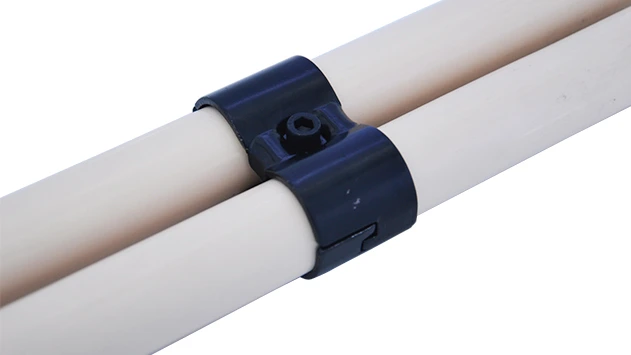
Parallel Lean Pipe Joint
Parallel lean pipe joint used for 2 pcs 28MM lean pipe connection in parallel direction to enhance frame structure, usually for heavy payload requirement for workbench. flow rack, hand trolley.
In the bustling world of manufacturing and production, every second counts. Picture this: a production line where workers constantly adjust workbenches, material racks, and conveyor systems to keep pace with shifting orders. A single inefficient connection or a wobbly joint can throw off the entire workflow, leading to delays, wasted effort, and frayed nerves. This is where the humble yet critical parallel lean pipe joint with one side rotatory steps in. These unassuming components are the unsung heroes of lean systems, holding together the backbone of your workspace—from workbenches to flow racks. But choosing the right size? That's the difference between a smooth, efficient operation and a daily battle with breakdowns and bottlenecks.
Whether you're setting up a new lean system or upgrading an existing one, selecting the correct size for your parallel lean pipe joints isn't just about measurements—it's about understanding your workflow, anticipating your needs, and ensuring every part of your setup works in harmony. In this guide, we'll walk through the key factors that influence this decision, share real-world insights, and equip you with the knowledge to make choices that keep your production line moving forward, not stuck in place.
What Are Parallel Lean Pipe Joints with One Side Rotatory?
Before diving into size selection, let's clarify what these joints are and why they matter. Parallel lean pipe joints with one side rotatory are specialized connectors designed to link lean pipes—hollow tubes used in lean manufacturing setups—while allowing one side of the connection to rotate. This rotation adds a layer of flexibility, making it easy to adjust the angle of workbenches, reposition material racks, or modify conveyor paths without disassembling the entire structure. Think of them as the "hinges" of your lean system, enabling adaptability in a world where change is constant.
These joints come in various materials, but aluminum lean pipe and steel are the most common. Aluminum, in particular, has grown in popularity for its lightweight yet durable nature, resistance to corrosion, and compatibility with a wide range of accessories. When paired with the right size joint, aluminum lean pipes become a versatile foundation for everything from simple workbenches to complex flow rack systems.
Why Size Selection Matters More Than You Think
You might be tempted to grab the first joint that fits your pipe, but size directly impacts three critical areas: stability, load capacity, and workflow efficiency. A joint that's too small for the pipe diameter will feel loose, leading to (wobbling) and potential collapse under weight. One that's too large? It will create unnecessary bulk, restrict rotation, and make adjustments cumbersome. In a production environment where workers rely on smooth, consistent movement of materials, these issues aren't just inconveniences—they're productivity killers.
Consider a scenario where a manufacturer opted for a 20mm joint with 28mm aluminum lean pipes to save costs. Within weeks, the joints began to slip, causing the workbench to tilt. Workers had to pause production to readjust the setup daily, costing hours of lost time. After switching to the correct 28mm joint, stability improved, and downtime dropped by 90%. The lesson? Size isn't a detail—it's the foundation of reliability.

Key Factors to Consider When Choosing Size
Selecting the right size involves balancing several factors, each tied to your specific use case. Let's break them down:
1. Pipe Diameter: The Starting Point
The first rule of thumb: the joint size must match the outer diameter of your lean pipe. Lean pipes come in standard diameters, with 28mm, 30mm, and 40mm being the most common in industrial settings. Aluminum lean pipes, for example, often follow these standards, so check your pipe's specifications before selecting a joint. Using a joint designed for a 28mm pipe with a 30mm pipe will result in a loose fit, while forcing a 40mm joint onto a 30mm pipe will crack the joint or damage the pipe's surface.
Pro tip: If you're unsure about your pipe's diameter, measure it with a caliper—don't guess. A few millimeters of difference can lead to major issues down the line.
2. Load Capacity: Know What You're Lifting
Every joint has a maximum load capacity, which refers to the weight it can safely support without bending or breaking. This isn't just about the materials you're moving today—it's about future-proofing. If your current workflow involves transporting 10kg components but you anticipate scaling up to 20kg next quarter, choose a joint that can handle the higher load.
Load capacity is closely linked to both joint size and material. Larger joints (e.g., 40mm) typically support more weight than smaller ones (e.g., 28mm), especially when made from high-grade aluminum or steel. For example, a 28mm aluminum lean pipe joint might handle up to 50kg, while a 40mm steel joint could support 150kg or more. Always check the manufacturer's load ratings and factor in dynamic loads—weight that shifts during movement (like materials sliding on a flow rack) puts extra stress on joints.
3. Rotation Range: Flexibility Without Compromise
Parallel lean pipe joints with one side rotatory are prized for their rotation, but not all rotations are created equal. Some joints rotate 90 degrees, others 180 degrees, and a few offer 360-degree swivel. The size of the joint can influence this range: larger joints may have bulkier components that limit rotation, while smaller joints might offer more flexibility but less stability.
Ask: How often do you need to rotate the connected pipes? If your workbench requires frequent angle adjustments (e.g., tilting a conveyor to feed materials to different stations), a smaller joint with a 180-degree rotation might be ideal. If stability is critical and rotation is minimal (e.g., a fixed material rack), a larger, sturdier joint with limited rotation could be the better choice.
4. Material Compatibility: Aluminum, Steel, or Plastic?
Your lean pipe's material matters just as much as its diameter. Aluminum lean pipes are lightweight and corrosion-resistant, making them perfect for clean environments or applications where workers need to reposition structures frequently. Steel pipes, on the other hand, are heavier and stronger, suited for high-load, stationary setups. The joint material should complement the pipe: aluminum joints pair best with aluminum pipes to prevent galvanic corrosion (a chemical reaction between dissimilar metals), while steel joints work well with steel pipes.
For example, if you're using aluminum lean pipes in a food processing facility (where corrosion resistance is key), an aluminum joint will last longer than a steel one. Conversely, in a automotive factory with heavy steel workbenches, a steel joint will provide the durability needed to withstand constant use.
5. Environment: Conditions That Test Durability
Finally, consider your workspace's environment. Is it humid? Prone to temperature fluctuations? Exposed to chemicals or debris? These factors can affect both joint size and material. In a damp warehouse, for instance, a larger aluminum joint with a protective coating will resist rust better than a smaller, uncoated steel joint. In a cleanroom setting, where dust is a concern, a compact joint with fewer crevices (like a 28mm aluminum model) is easier to clean than a bulky 40mm steel joint with intricate grooves.

Size Comparison: Finding Your Perfect Match
To simplify the decision, here's a table comparing common parallel lean pipe joint sizes, their typical applications, and key considerations:
| Pipe Diameter (mm) | Recommended Joint Size (mm) | Max Load Capacity (kg) | Best For | Common Materials |
|---|---|---|---|---|
| 28 | 28 | 50–80 | Light-duty workbenches, small turnover trolleys, mini flow racks | Aluminum, plastic-coated steel |
| 30 | 30 | 80–120 | Medium-duty material racks, conveyor systems, double-deck workbenches | Aluminum, stainless steel |
| 40 | 40 | 120–200+ | Heavy-duty flow racks, industrial conveyor belts, multi-level material storage | Steel, high-grade aluminum |
Remember, these are general guidelines. Always check the manufacturer's specifications for your specific joint model, as load capacities can vary based on design and material quality.
Common Mistakes to Avoid
Even with the best intentions, it's easy to make missteps when choosing joint sizes. Here are pitfalls to steer clear of:
Mistake #1: Prioritizing Cost Over Size
It's tempting to save money by reusing old joints or buying smaller, cheaper ones. But a $5 joint that fails and causes $500 in downtime isn't a bargain. Invest in the right size upfront—your future self (and your production schedule) will thank you.
Mistake #2: Ignoring Rotation Limits
A larger joint might support more weight, but if it restricts rotation to 45 degrees when you need 90 degrees, it's useless. Always test rotation range with your specific setup before committing.
Mistake #3: Overlooking Compatibility with Accessories
Joints don't work alone—they connect to casters, roller tracks, and workbench surfaces. A 40mm joint might fit your pipe, but if your roller track connectors only work with 30mm joints, you'll end up with a mismatched, unstable system. Check accessory compatibility across all components.
Real-World Applications: How Size Shapes Success
Let's look at two examples of how choosing the right joint size transformed workflows:
Case 1: Electronics Assembly Plant
A plant producing circuit boards needed flexible workbenches to accommodate varying component sizes. They initially used 28mm joints with 30mm aluminum lean pipes, leading to wobbly work surfaces and frequent adjustments. After switching to 30mm joints, the workbenches stabilized, and workers reported a 30% reduction in time spent readjusting setups. The 30mm joints also allowed for 180-degree rotation, making it easy to flip workbenches between "assembly" and "testing" modes without tools.
A plant producing circuit boards needed flexible workbenches to accommodate varying component sizes. They initially used 28mm joints with 30mm aluminum lean pipes, leading to wobbly work surfaces and frequent adjustments. After switching to 30mm joints, the workbenches stabilized, and workers reported a 30% reduction in time spent readjusting setups. The 30mm joints also allowed for 180-degree rotation, making it easy to flip workbenches between "assembly" and "testing" modes without tools.
Case 2: Automotive Parts Warehouse
A warehouse storing heavy engine parts relied on 30mm joints with 40mm steel pipes for their flow racks. The mismatch caused joints to crack under the weight of 150kg parts, leading to monthly replacements. Upgrading to 40mm steel joints increased load capacity to 200kg, eliminated cracks, and extended joint lifespan from 1 month to 2 years. The warehouse saved $10,000 annually in replacement costs alone.
A warehouse storing heavy engine parts relied on 30mm joints with 40mm steel pipes for their flow racks. The mismatch caused joints to crack under the weight of 150kg parts, leading to monthly replacements. Upgrading to 40mm steel joints increased load capacity to 200kg, eliminated cracks, and extended joint lifespan from 1 month to 2 years. The warehouse saved $10,000 annually in replacement costs alone.
Conclusion: Size Up for Success
Choosing the right size for parallel lean pipe joints with one side rotatory is more than a technical task—it's a commitment to efficiency, safety, and adaptability. By matching joint size to pipe diameter, understanding load capacities, and considering your workflow's unique needs, you're not just building a lean system—you're building a foundation for growth.
So the next time you're setting up a workbench, adjusting a flow rack, or designing a new conveyor system, take a moment to think about the joints. Those small, rotating connectors hold the power to turn chaos into order, delays into deadlines, and frustration into focus. And in the world of lean manufacturing, that's the ultimate goal: to make every part of your process work as hard as your team does.
Remember, the right size isn't just about fitting—it's about thriving.