- Company Articles
- Products and Technology
- Product knowledge
- How to Choose the Right Suction Cup Anti-Slip Foot Adjuster for Your Workbench

How to Choose the Right Suction Cup Anti-Slip Foot Adjuster for Your Workbench
Related Product
Suction Cup Anti-slip Foot Adjuster
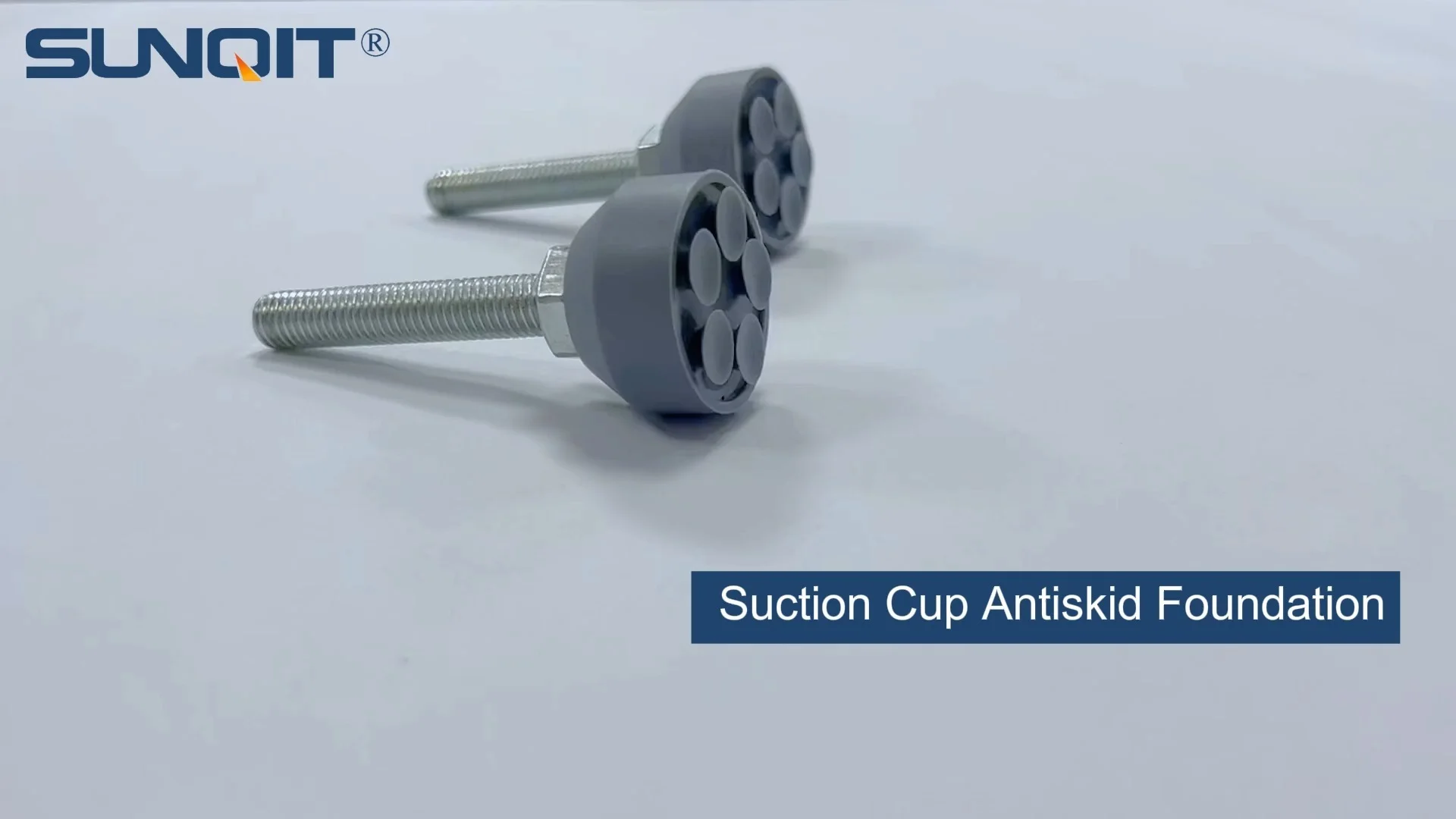
D=35mm suction cup anti-slip foot adjusterï¼screw M10*55ï¼with a blot, used for workbench, flowrack pipe contact with groud.
Walk into any workshop, factory floor, or even a home garage, and you'll likely spot a workbench holding court at the center of the action. It's more than just a table—this humble piece of equipment is the backbone of productivity, supporting everything from delicate electronics assembly to heavy-duty metalworking. But here's the thing: even the sturdiest workbench, whether it's a sleek aluminum workbench or a rugged lean pipe workbench, is only as reliable as its foundation. A wobbly workbench isn't just annoying; it's a recipe for mistakes, wasted time, and even safety hazards. That's where foot adjusters come in, and not just any foot adjusters—suction cup anti-slip foot adjusters. These small but mighty components can transform a frustratingly unstable work surface into a rock-solid platform. In this guide, we'll dive deep into how to choose the right one for your needs, ensuring your workbench works as hard as you do.
What Are Suction Cup Anti-Slip Foot Adjusters, Anyway?
Let's start with the basics. Suction cup anti-slip foot adjusters are specialized leveling devices designed to stabilize workbenches (and other equipment) on uneven floors while preventing unwanted movement. Think of them as the "feet" of your workbench, but with superpowers. Unlike standard adjustable leveling feet, which often have a simple rubber or metal base, these adjusters feature a suction cup at the bottom. This cup creates a vacuum-like seal with the floor, grip and reducing slippage—hence the "anti-slip" label. Most models also have an adjustable stem, usually threaded, that lets you raise or lower the workbench leg to compensate for dips or bumps in the floor. Some even include a locking mechanism to keep the adjustment in place once you've found the perfect level.
At first glance, they might seem like a minor accessory, but their role is critical. Imagine setting up a precision instrument on your workbench only to have it slide an inch every time you lean on the table. Or trying to assemble small parts on a lean pipe workbench that teeters with every movement. Suction cup anti-slip foot adjusters solve these issues by combining two key functions: leveling and anchoring. They're especially valuable in high-traffic environments, like factories or warehouses, where floors take a beating and stability is non-negotiable.
Why Your Workbench Can't Afford the Wrong Foot Adjuster
You might be thinking, "Can't I just use any old foot adjuster?" Technically, yes—but the consequences of cutting corners can be surprisingly costly. Let's break it down:
1. Instability leads to errors. Whether you're soldering circuit boards on an aluminum workbench or stacking tools on a lean pipe workbench, precision matters. A wobbly surface throws off measurements, causes tools to slip, and increases the risk of damaging materials. Over time, these small errors add up to wasted resources and missed deadlines.
2. Slippage equals safety risks. A workbench that slides or shifts under load is an accident waiting to happen. Heavy tools could fall, workers might lose balance, and in extreme cases, the entire bench could tip. Suction cup anti-slip foot adjusters mitigate this by "grabbing" the floor, keeping the workbench rooted even during vigorous activity.
3. Floors take a beating. Cheap or ill-fitting foot adjusters can scratch, scuff, or dent floors, especially delicate surfaces like concrete or tile. The suction cup design, however, distributes weight evenly and uses non-abrasive materials, protecting your workspace flooring from unnecessary damage.
4. Shortened workbench lifespan. A workbench that's constantly wobbling puts extra stress on its frame and joints. Over time, this can lead to cracks, loose connections, or even structural failure. By keeping the bench stable, suction cup adjusters help extend its life, saving you money on replacements down the line.
In short, choosing the right suction cup anti-slip foot adjuster isn't just about convenience—it's an investment in quality, safety, and productivity.

Key Factors to Consider When Shopping for Suction Cup Anti-Slip Foot Adjusters
Now that we've established why these adjusters matter, let's get into the nitty-gritty of how to choose them. Not all models are created equal, and the "best" one depends on your specific workbench, environment, and usage. Here are the critical factors to evaluate:
1. Load Capacity: Know Your Workbench's Weight Limits
First and foremost: how much weight will your workbench actually be supporting? This includes the weight of the workbench itself (an aluminum workbench, for example, is lighter than a steel one) plus the tools, materials, and any equipment placed on it. Suction cup anti-slip foot adjusters are rated for a maximum load capacity, usually listed in pounds or kilograms per adjuster. As a rule of thumb, you'll need to calculate the total weight and divide it by the number of feet (most workbenches have 4, but larger ones may have 6 or more). Then, choose adjusters with a capacity that exceeds this per-foot weight by at least 20% to account for unexpected loads (like slamming a heavy tool down or leaning on the bench).
For example, if you have a lean pipe workbench that weighs 100 lbs and you regularly place 300 lbs of tools and materials on it, the total weight is 400 lbs. With 4 feet, each adjuster needs to handle at least 100 lbs. Opting for adjusters rated for 120 lbs or more ensures you're covered.
2. Suction Cup Design: Grip That Sticks (Literally)
The suction cup is the star of the show here, so pay close attention to its design. Not all suction cups are the same—size, material, and shape all affect performance. Larger cups generally provide better grip, as they contact more of the floor surface. Look for cups made from high-quality rubber or silicone; these materials are flexible, durable, and resistant to wear and tear. Avoid hard plastics, which can crack over time and lose suction.
Another feature to check is the cup's texture. Some cups have a ribbed or patterned surface, which enhances friction, especially on smooth floors like tile or polished concrete. For rough floors (think industrial concrete with cracks or unevenness), a softer, more malleable cup material will conform better to the surface, maintaining the seal. Also, consider if the cup is "vented" or "non-vented." Vented cups release air more easily when pressed down, creating a stronger vacuum seal—ideal for flat, clean floors. Non-vented cups are better for slightly uneven surfaces, as they're less likely to lose suction if there's a small gap.
3. Adjustability Range: How Much "Give" Do You Need?
Floors are rarely perfectly level, especially in older buildings or workshops. That's why adjustability is key. The stem of the foot adjuster (the part that screws into the workbench leg) should have enough length to compensate for unevenness. Most adjusters offer a range of ½ inch to 2 inches of adjustment, but some heavy-duty models go up to 4 inches. To determine how much you need, measure the worst-case scenario in your workspace: find the highest and lowest points of the floor under where the workbench will sit, and calculate the difference. Choose an adjuster with a range that exceeds this difference to ensure you can level the bench completely.
Also, consider the thread type. Coarse threads allow for quick adjustments, which is handy if you move the workbench often. Fine threads, on the other hand, let you make tiny, precise tweaks—great for applications where even a fraction of an inch of wobble matters (like electronics assembly on an aluminum workbench).
4. Material: Durability for Your Environment
The materials used in the adjuster's stem and body matter just as much as the suction cup. For dry, indoor environments, a zinc-plated steel stem might be sufficient. But if your workspace is damp (like a garage with occasional leaks) or exposed to chemicals (like a lab), you'll need something more corrosion-resistant, such as stainless steel or anodized aluminum. Aluminum is also a good choice for lightweight workbenches, as it won't add unnecessary heft.
Don't forget the suction cup material, either. In high-temperature environments (near ovens or welding stations), standard rubber might degrade. Look for heat-resistant silicone cups instead. For cold environments, ensure the cup material remains flexible and doesn't become brittle—some rubber blends are formulated for low temperatures.
5. Floor Type: Match the Adjuster to Your Surface
Your floor surface will dictate the best suction cup design. Let's break down common scenarios:
- Smooth, hard floors (tile, polished concrete, linoleum): Opt for larger, vented suction cups with a smooth or slightly textured surface. These create a strong vacuum seal and grip well without damaging the floor.
- Rough or porous floors (unfinished concrete, asphalt): Choose smaller, softer suction cups with a ribbed texture. The ribs help trap air and maintain suction, even on uneven surfaces. Avoid vented cups here, as they can lose seal in cracks.
- Delicate floors (wood, laminate): Look for cups with a non-marking, extra-soft rubber to prevent scratches. Some models even have a felt or foam layer between the cup and floor for added protection.
6. Locking Mechanism: Keep Adjustments in Place
Once you've leveled your workbench, the last thing you want is for the adjusters to loosen over time—especially in high-vibration environments (think power tools running all day). Many suction cup anti-slip foot adjusters include a locking mechanism, such as a jam nut or a hex screw, that secures the stem after adjustment. Jam nuts are simple: you tighten them against the workbench leg to lock the stem in place. Hex screws require a wrench but offer a tighter, more permanent lock. If your workspace is prone to vibrations, a locking mechanism is non-negotiable.

Comparing Suction Cup Anti-Slip Foot Adjusters: A Quick Reference Table
| Adjuster Type | Load Capacity (per adjuster) | Suction Cup Material | Adjustment Range | Best For | Price Range |
|---|---|---|---|---|---|
| Standard Duty Suction Cup Adjuster | Up to 150 lbs | Rubber | 0.5–1.5 inches | Light workbenches (e.g., aluminum workbench for hobby use) | $8–$15 |
| Heavy-Duty Suction Cup Adjuster | 200–500 lbs | Industrial-grade silicone | 1–3 inches | Lean pipe workbenches, heavy tool storage | $15–$30 |
| Low-Profile Suction Cup Adjuster | Up to 200 lbs | Flexible rubber | 0.25–1 inch | Workbenches with limited ground clearance | $10–$20 |
| Chemical-Resistant Suction Cup Adjuster | Up to 300 lbs | Vinyl or EPDM rubber | 1–2 inches | Labs, cleanrooms, or environments with oils/solvents | $20–$40 |

Installation Tips: Getting Your Adjusters Set Up Right
Even the best suction cup anti-slip foot adjusters won't perform well if installed incorrectly. Follow these steps for a rock-solid setup:
- Prep the floor: Clean the area where the workbench will sit. Dirt, dust, or oil on the floor can prevent the suction cups from sealing properly. A quick sweep and wipe with a damp cloth (or degreaser for oily floors) will do the trick.
- Attach the adjusters: Screw the adjusters into the workbench legs. Most workbench legs have pre-drilled holes or threaded inserts; if not, you may need to drill and tap holes (use a thread size that matches the adjuster's stem). Hand-tighten them first to ensure they're straight.
- Level the workbench: Place a spirit level on the workbench surface, both side-to-side and front-to-back. Adjust each foot by turning the stem clockwise (to lower) or counterclockwise (to raise) until the bubble is centered. For larger workbenches, start with the two front legs, then the back legs, and double-check.
- Lock the adjustments: Once level, tighten the locking mechanism (jam nut or hex screw) on each adjuster. Use a wrench for jam nuts to ensure they're snug against the leg.
- Test for stability: Give the workbench a gentle shake from all sides. If it wobbles, recheck the level and adjust as needed. For extra peace of mind, place a heavy object (like a toolbox) on the bench and check again—this mimics real-world use.
Maintenance: Keeping Your Adjusters Working Like New
Suction cup anti-slip foot adjusters are low-maintenance, but a little care goes a long way in extending their lifespan:
- Clean the suction cups regularly: Over time, dust and debris can accumulate on the cups, reducing grip. Wipe them with a damp cloth every few months (more often in dirty environments).
- Inspect for wear: Check the cups for cracks, tears, or hardening (rubber can dry out over time). If the cup is damaged, replace the adjuster—don't try to "fix" it with tape or glue, as this will compromise safety.
- Lubricate the threads: If the stem becomes hard to turn, apply a small amount of silicone lubricant to the threads (avoid oil-based lubricants, which can degrade rubber cups).
- Re-tighten locking mechanisms: In high-vibration areas, check the jam nuts or hex screws monthly to ensure they haven't loosened. A quick tighten with a wrench will keep everything secure.
Final Thoughts: Invest in Stability, Reap the Rewards
Choosing the right suction cup anti-slip foot adjuster might seem like a small detail, but it's one that has a ripple effect across your entire workflow. A stable workbench reduces frustration, improves accuracy, and keeps you safe—whether you're tinkering in a home garage or running a busy production line with a lean pipe workbench or aluminum workbench. By focusing on load capacity, suction cup design, adjustability, and environment, you'll find an adjuster that not only levels your workbench but also elevates your productivity. Remember, the best adjuster is the one that fits your specific needs—so take the time to assess your workspace, calculate your load, and don't skimp on quality. Your workbench (and your sanity) will thank you.
So, the next time you're setting up a new workbench or troubleshooting an old wobbly one, think beyond the surface. The right suction cup anti-slip foot adjusters are the unsung heroes that turn a good workbench into a great one—steady, reliable, and ready for whatever you throw at it.