- Company Articles
- Products and Technology
- Product knowledge
- How to Choose the Right Three Way Lean Pipe Joint: Sizing & Specifications

How to Choose the Right Three Way Lean Pipe Joint: Sizing & Specifications
Related Product
Three Way Lean Pipe Joint
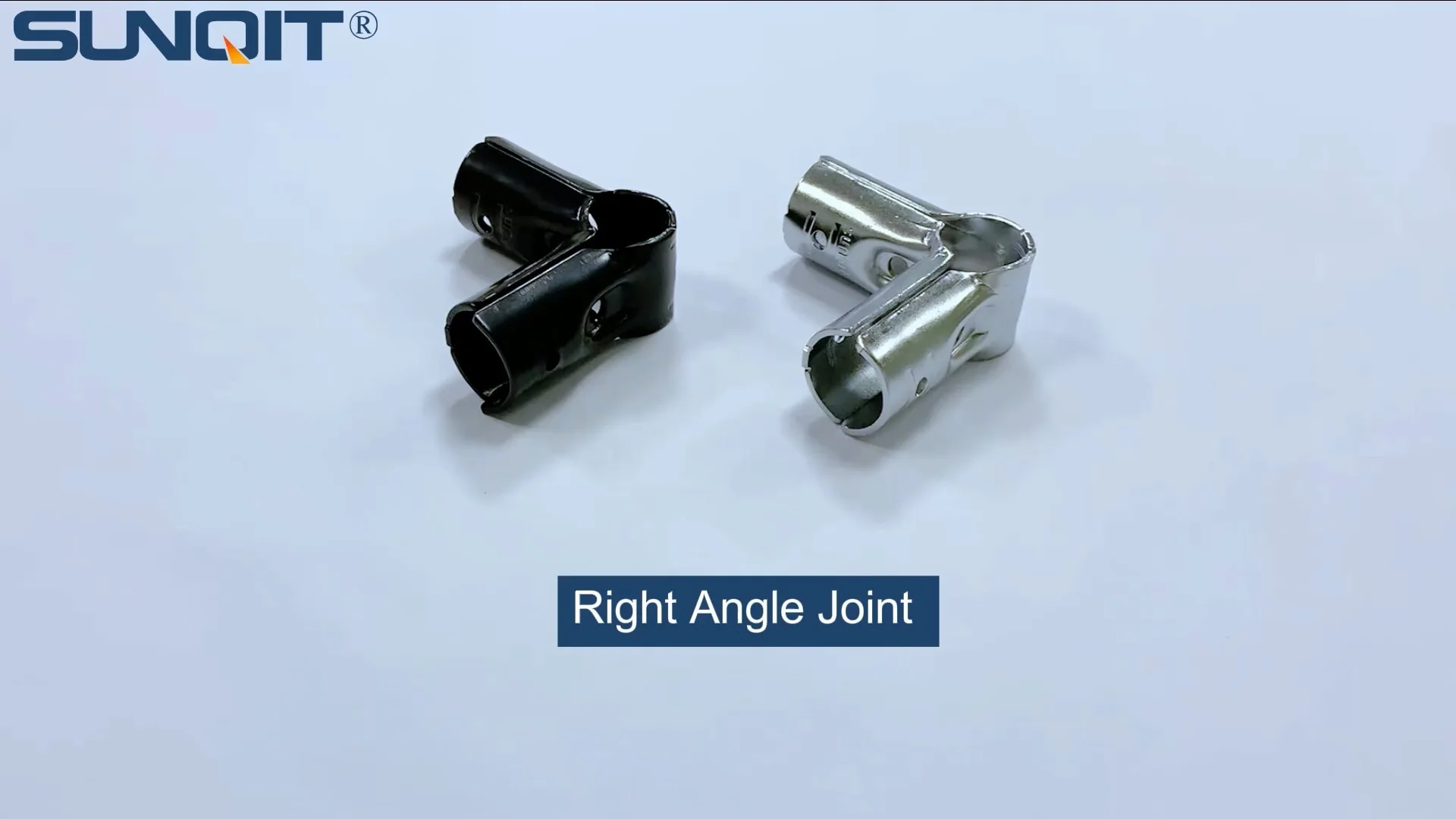
Three way lean pipe joint for 3 pcs 28MM lean pipe connection in straight angle, which used widely in workbench, flow rack, hand trolley frame connection.
In the world of lean manufacturing, where efficiency is king and waste is the enemy, every component in your workspace matters—even the smallest ones. You've probably spent hours researching the perfect lean pipe, debating between aluminum and steel, or choosing the right workbench for your team. But have you stopped to think about the unsung hero holding it all together? The three way lean pipe joint might not get the spotlight, but it's the silent force that turns a pile of pipes and accessories into a functional, rock-solid structure. Whether you're building a material rack B (3 row and 3 floor) for your warehouse or assembling a custom workbench E (single deck-without caster) for your assembly line, the wrong joint can turn your carefully planned lean system into a wobbly, frustrating mess. The right one? It keeps your workflow smooth, your team productive, and your operations running like a well-oiled machine. So let's dive in—this guide will walk you through everything you need to know to choose the perfect three way lean pipe joint, from sizing to specs, and why getting it right matters more than you think.
Understanding the Basics: What is a Three Way Lean Pipe Joint?
Let's start with the fundamentals. A three way lean pipe joint is exactly what it sounds like: a connector designed to join three lean pipes at once, forming a stable, multi-directional connection. Think of it as the "T-junction" of the lean manufacturing world, but with the flexibility to angle pipes in different directions (not just 90 degrees, though that's common too). These joints are the building blocks of modular lean systems, allowing you to create everything from simple workbenches to complex flow racks, conveyor systems, and turnover trolleys. Unlike fixed, one-size-fits-all connectors, three way joints are engineered for adaptability—they let you reconfigure your workspace on the fly, which is the whole point of lean manufacturing, right? Need to add an extra shelf to your material rack? Swap out a joint. Want to adjust the height of your workbench? Loosen a few joints, move the pipes, and tighten them back up. No welding, no drilling, no hassle.
But here's the thing: not all three way joints are created equal. Some are built for heavy loads, others for lightweight setups. Some work best with aluminum lean pipe, while others are designed for steel or stainless steel pipe series. And if you skimp on quality or choose the wrong size, you'll notice. Imagine this: You've just finished building a flow rack with 38 aluminum roller track yellow to move parts between stations. The first time a team member loads a heavy bin onto it, the joint connecting the vertical and horizontal pipes creaks, bends, and suddenly—*crash*. The whole structure tilts, parts scatter, and your production line grinds to a halt. That's the cost of a bad joint. On the flip side, a well-chosen joint will hold steady, even when pushed to its limits, keeping your team safe and your operations on track.
Sizing: The Foundation of a Secure Connection
When it comes to three way lean pipe joints, size isn't just a number—it's the difference between a connection that lasts and one that fails. The first rule? Match the joint size to your lean pipe. It sounds obvious, but you'd be surprised how many people grab the first joint they see, only to realize their pipe is too thick (or too thin) to fit. Let's break down the key sizing factors you need to check.
Pipe Diameter: The Critical Measurement
Lean pipes come in a range of diameters, but the most common are 28mm (about 1.1 inches) for standard pe coated lean pipe and 30mm for heavier-duty options. Your three way joint's inner diameter must match your pipe's outer diameter *exactly*. A joint that's 1mm too big will leave your pipe loose, causing wobbling and instability. One that's too small? You'll either struggle to force the pipe in (damaging both the pipe and the joint) or snap the joint entirely. For example, if you're using 1.5mm pe coated lean pipe (a popular choice for medium-load setups), you'll need a joint designed for 28mm pipes. If you've upgraded to 2.0mm pe coated lean pipe (thicker walls, higher load capacity), double-check that the joint's inner diameter accounts for the extra thickness—some 28mm joints are only compatible with thinner-walled pipes, so don't assume "28mm" is universal.
Thread Size and Grip Strength
Most three way joints use set screws or bolts to lock the pipes in place. The size of these screws (and their grip strength) matters too. A joint with M5 screws might work for lightweight aluminum lean pipe, but if you're using steel pipes to build a heavy-duty material rack, you'll need M6 or M8 screws for a secure hold. Look for joints with serrated or knurled set screws—these bite into the pipe, preventing slippage even under constant vibration (like in a busy production area with conveyor systems running nearby). Avoid joints with cheap, plastic screws—they'll strip easily, leaving you with a connection that can't be tightened properly.
Joint Dimensions: Length and Protrusion
It's not just about the hole in the joint—you also need to consider how much of the pipe the joint actually covers. A joint with short "arms" (the parts that hold the pipes) might save space, but it provides less surface area for gripping the pipe, reducing stability. Aim for arms that cover at least 30-40mm of pipe length. This ensures the joint distributes weight evenly and prevents the pipe from bending at the connection point. Also, think about clearance: if you're building a compact workbench, a bulky joint with long arms might stick out and get in the way of tools or materials. Measure your space first, and choose a joint with dimensions that fit your layout.

Material Matters: Aluminum vs. Steel vs. Plastic
Once you've nailed the size, it's time to pick the material. Three way lean pipe joints are made from all sorts of materials, each with its own pros and cons. The right choice depends on your environment, load requirements, and budget. Let's break down the big three: aluminum, steel, and plastic.
Aluminum Lean Pipe Joints: Lightweight and Corrosion-Resistant
Aluminum is a favorite for lean systems in clean environments (like electronics manufacturing) or areas with moisture (think food processing plants). Aluminum lean pipe joints are lightweight, so they won't add unnecessary bulk to your structure, and they resist rust and corrosion—no more ugly orange spots on your white workbench. They're also easy to handle; your team can reconfigure your setup without straining their backs. The downside? Aluminum is softer than steel, so it's not ideal for *extremely* heavy loads (we're talking 500kg+ per joint). If you're building a rack to hold stacks of metal parts, aluminum might bend over time. But for most workbenches, flow racks, and material racks (like the 3 row, 3 floor material rack B), aluminum joints are more than up to the task. Plus, they pair perfectly with aluminum lean pipe and aluminum pipe accessories, creating a sleek, modern look that's easy to clean.
Steel Joints: Heavy-Duty and Durable
Steel is the workhorse of the joint world. If you need maximum strength—say, you're building a conveyor system to move heavy machinery or a storage rack for automotive parts—steel three way joints are your best bet. They can handle higher loads, resist bending, and stand up to rough handling (no more dents if someone bumps a trolley into the rack). Most steel joints are coated with chrome or powder to prevent rust, but they're still heavier than aluminum, so keep that in mind if you plan to reconfigure your setup often. Also, steel conducts heat and electricity, so if you're working with ESD-sensitive components (like circuit boards), you'll need an ESD-safe coating or a separate grounding system. For non-ESD environments, though, steel is tough to beat for long-term durability.
Plastic Joints: Budget-Friendly but Limited
Plastic joints are the most affordable option, and they're great for lightweight, temporary setups (like a quick prototype workbench or a small parts bin rack). They're also non-conductive and won't scratch delicate surfaces, which is a plus for labs or cosmetic manufacturing. But here's the catch: plastic is prone to cracking under stress, and it degrades over time when exposed to sunlight or chemicals. We've seen teams save a few dollars on plastic joints, only to replace them six months later when they start snapping. Unless you're on an extremely tight budget and your loads are minimal (think 10kg or less per joint), we recommend skipping plastic and investing in aluminum or steel.
| Joint Material | Best For | Max Load Capacity (Per Joint) | Pros | Cons |
|---|---|---|---|---|
| Aluminum | Clean environments, medium loads, frequent reconfigurations | Up to 300kg | Lightweight, corrosion-resistant, easy to handle | Not ideal for extreme heavy loads |
| Steel (Chrome-Coated) | Heavy loads, industrial environments, durability | Up to 800kg | High strength, impact-resistant | Heavy, prone to rust if coating is damaged |
| Plastic | Light loads, temporary setups, tight budgets | Up to 50kg | Cheap, non-conductive, lightweight | Brittle, short lifespan, low load capacity |

Compatibility: It's Not Just About the Pipe
You've checked the pipe diameter, picked the right material, and even verified the thread size. Now comes another crucial step: ensuring your three way joint plays nice with the rest of your lean pipe and accessories. A joint that fits your pipe but clashes with your roller track or caster wheels is just as useless as one that's the wrong size. Let's cover the key compatibility checks.
Lean Pipe and Accessories: A Team Effort
Your three way joint is part of a larger ecosystem. If you're using aluminum profile accessories (like aluminum guide rail A or B) to build a flow rack, your joint must align with the rail's mounting holes. For example, some aluminum joints have pre-drilled holes that match standard aluminum extrusion profiles, making it easy to attach roller track or side guides. If your joint doesn't have these holes, you'll need to drill them yourself (risking damage) or buy adapters, adding time and cost. Similarly, if you're adding casters to your trolley, the joint's base must be wide enough to accommodate the caster's mounting plate. A narrow joint might not have enough surface area to secure the caster, leading to wobbly wheels and a trolley that veers off course.
Rotation and Flexibility: Fixed vs. Swivel Joints
Not all three way joints are fixed at 90 degrees. Some (called "internal rotatary aluminum joint" or "180° internal rotation lean pipe joint") let you adjust the angle of the pipes, which is handy for custom structures or sloped flow racks. But before you buy a swivel joint, ask: Do you *actually* need adjustability? Fixed joints are stronger and more stable because they don't have moving parts that can wear out or loosen. Swivel joints are great for one-off designs, but they add complexity—if you don't need to angle your pipes, stick with fixed. Also, check the rotation range: some swivel joints only move 45 degrees, while others go up to 180. Make sure it matches your design needs.
ESD Compatibility: Protecting Sensitive Electronics
If you work with ESD-sensitive components (like semiconductors or medical devices), your entire lean system needs to be ESD-safe—including the joints. ESD workbench and ESD workstation setups require joints that dissipate static electricity, preventing sudden discharges that can fry circuit boards. Look for joints labeled "ESD-safe" or "static-dissipative." These are usually made with conductive materials (like carbon-infused plastic or grounded steel) that channel static away from your products. Avoid plastic joints unless they're specifically ESD-rated—regular plastic can build up static, turning your workbench into a hazard.

Specifications to Look For: Beyond Size and Material
By now, you're a pro at checking size and material. But there are a few more specs to keep an eye on to ensure you're getting a high-quality joint that will last. These might seem like small details, but they'll save you from headaches down the line.
Load Capacity: Don't Guess—Check the Numbers
Every joint has a maximum load capacity, and it's not a suggestion. Exceeding it is a recipe for disaster. Manufacturers should list this clearly (look for "static load" and "dynamic load" ratings—static is for stationary structures, dynamic for moving ones like trolleys). For example, a standard aluminum joint might have a static load of 300kg, but its dynamic load (when the structure is moving) could drop to 150kg. If you're building a material rack B to hold 20kg boxes on each shelf (3 rows x 3 floors = 18 boxes = 360kg total), you'll need joints with a static load of at least 120kg per joint (since each shelf is held by multiple joints). Always overestimate—better to have a joint that can handle more than you need than one that fails under pressure.
Finish and Coating: Longevity and Aesthetics
The finish isn't just about looks (though a clean, uniform finish does make your workspace look more professional). It's about protection. A smooth, even chrome coating on a steel joint prevents rust and makes cleaning easier (no crevices for dirt to hide). Powder-coated joints are more scratch-resistant than chrome, which is a plus in high-traffic areas. For aluminum, anodized finishes add a layer of protection against corrosion and wear. Avoid joints with uneven coatings, drips, or bare spots—these are signs of poor manufacturing and will fail faster.
Certifications: Quality You Can Trust
Reputable lean system suppliers will have certifications for their joints, like ISO 9001 (quality management) or RoHS (restriction of hazardous substances). These certifications mean the joint has been tested for safety, durability, and compliance with industry standards. If a supplier can't provide certifications, ask why. It might be a red flag that they're cutting corners on materials or testing.
Choosing a Reliable Lean System Supplier: Why It Matters
You've done your homework: you know your pipe size, material preference, and load requirements. Now, where do you buy your three way joint? Not all lean pipe suppliers are created equal, and choosing the right one can make or break your experience. Here's what to look for.
Technical Support: More Than Just a Sales Pitch
A good supplier doesn't just sell you a joint—they help you choose the right one. Look for a lean pipe supplier who asks questions: What are you building? What's your load capacity? Do you need ESD protection? They should be able to walk you through sizing, material options, and compatibility with your existing lean pipe and accessories. Avoid suppliers who push a "one-size-fits-all" joint without understanding your needs—they're more interested in making a sale than ensuring your success.
Inventory and Availability: No More Waiting
There's nothing worse than halting production because your joint shipment is delayed. Choose a supplier with a large, in-stock inventory of three way joints (and other lean pipe accessories, like swivel roller balls 1 inch or plastic roller track guide rail yellow). Check their shipping times—ideally, they offer next-day or two-day shipping for standard parts. Also, ask about bulk ordering: if you need 50 joints for a big project, can they fulfill the order without backorders?
Warranty and Returns: Peace of Mind
Even the best planning can hit a snag. What if the joint you ordered is the wrong size? Or it arrives damaged? A reputable supplier will have a clear return policy and stand behind their products with a warranty (at least 1 year). Avoid suppliers with "all sales final" policies—they're not confident in their joints' quality.
Mistakes to Avoid: Don't Let These Slip-Ups Ruin Your Project
You're almost ready to pick your joint—just a few pitfalls to steer clear of first.
Mistake #1: Choosing Based on Price Alone
We get it—budgets are tight. But a $2 plastic joint that breaks in a month will cost you more in downtime and replacements than a $5 aluminum joint that lasts for years. Invest in quality upfront; your team (and your bottom line) will thank you.
Mistake #2: Ignoring Environmental Factors
A steel joint might be strong, but if you're working in a humid warehouse, it will rust without proper coating. An aluminum joint is great for moisture, but it will bend under heavy loads. Always factor in your workspace's conditions (temperature, moisture, chemicals) when choosing materials.
Mistake #3: Overlooking Future Reconfigurations
Today, you need a simple workbench. Tomorrow, you might need to add a shelf or extend a flow rack. Choose joints that let you expand or adjust your setup without starting from scratch. Modular, reusable joints save time and money in the long run.
Final Thoughts: Your Joint, Your Success
Choosing the right three way lean pipe joint isn't just about checking boxes on a list—it's about building a lean system that works *for* your team, not against them. It's the difference between a workspace where your team dreads setting up for the day and one where they can focus on what matters: creating great products and hitting their goals. So take the time to measure your pipe, check the load capacity, and verify compatibility with your accessories. Talk to your lean system supplier, ask questions, and don't settle for "good enough." Remember: the best joint is the one that disappears into the background, quietly doing its job so your lean system can shine. Now go out there and build something amazing.