- Company Articles
- Products and Technology
- Product knowledge
- How to Choose the Right Two Way Lean Pipe Joint Chrome for Your Production Line

How to Choose the Right Two Way Lean Pipe Joint Chrome for Your Production Line
Related Product
Two Way Lean Pipe Joint Chrome
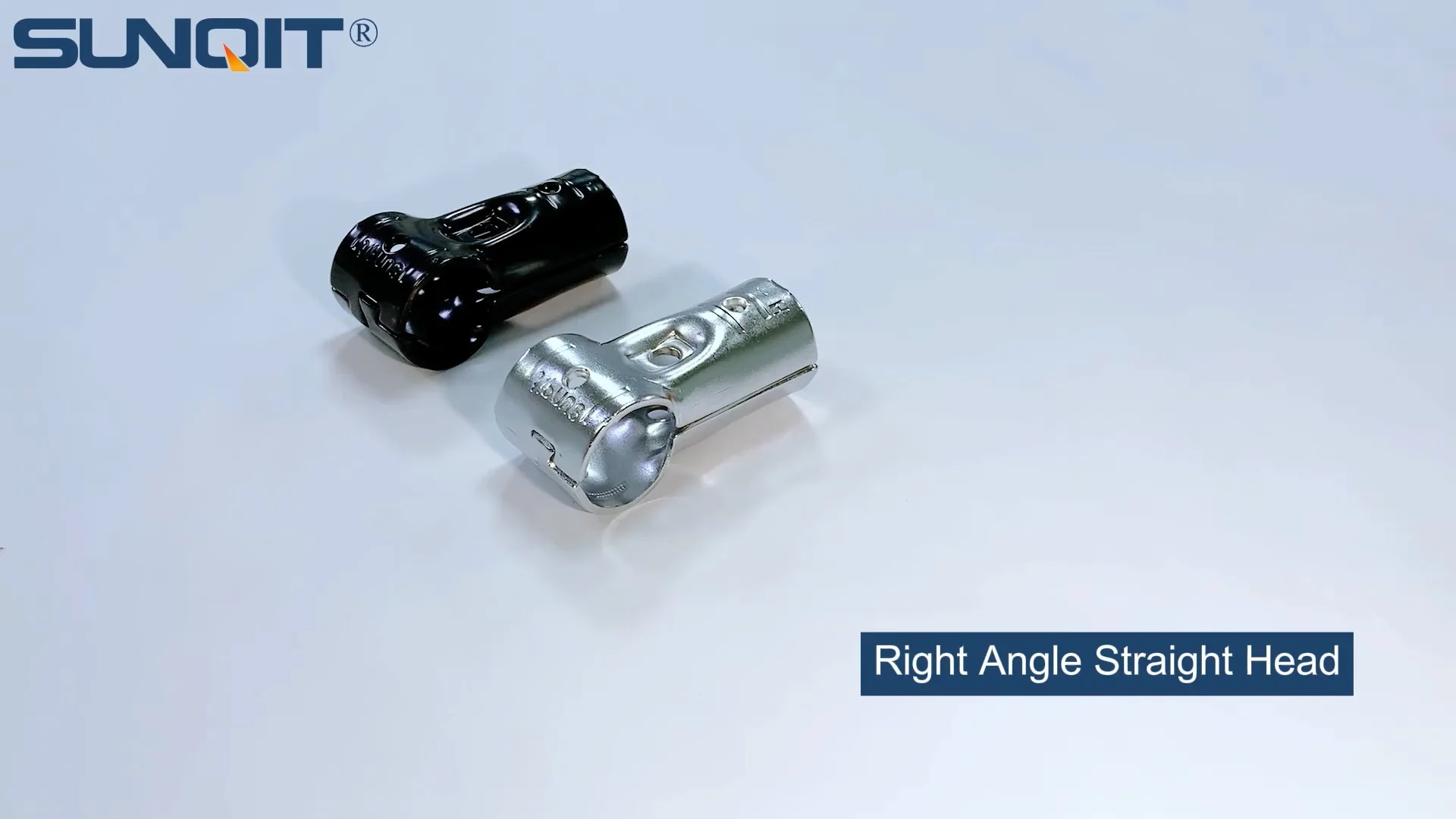
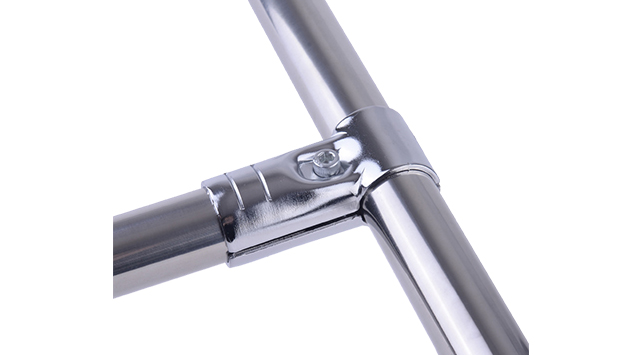
Two way lean pipe joint for 2 pcs 28MM lean pipe connection in straight angle, which used widely in workbench, flow rack, hand trolley frame connection.
In the fast-paced world of manufacturing, where efficiency reigns supreme and every detail impacts the bottom line, lean principles have become the cornerstone of operational success. From streamlining workflows to eliminating waste, lean manufacturing is about creating systems that are both agile and resilient. Yet, even the most thoughtfully designed lean system hinges on the performance of its smallest components. Today, we're focusing on one such component that often goes unnoticed but plays a pivotal role in maintaining structural integrity and operational fluidity: the two way lean pipe joint chrome.
If you've ever walked through a busy factory floor, you've likely seen these unassuming connectors in action—joining pipes to form workbenches, material racks, and assembly stations. They may appear simple, but selecting the right two way lean pipe joint chrome can mean the difference between a production line that operates like a well-oiled machine and one that's plagued by frequent breakdowns and inefficiencies. Whether you're setting up a new lean pipe workbench or upgrading an existing system, this guide will equip you with the knowledge to choose joints that not only meet your current needs but also support future growth.
Understanding the Two Way Lean Pipe Joint Chrome: Fundamentals and Functionality
Before diving into selection criteria, let's establish a clear understanding of what a two way lean pipe joint chrome is and why it's indispensable in lean manufacturing. At its core, this joint is a specialized connector engineered to link two lean pipes at a fixed or adjustable angle—most commonly 90 degrees, though some variants offer flexibility for custom configurations. The "chrome" designation refers to the chromium plating applied to the base metal (typically steel), which enhances durability, resists corrosion, and provides a sleek, professional finish.
Lean pipes—often called "lean tubes"—serve as the building blocks of lean systems. Constructed from materials like steel, aluminum (such as aluminum lean pipe), or plastic, these pipes balance strength and lightweight design, making them ideal for constructing everything from workstations to material handling trolleys. However, pipes alone cannot form stable structures; they rely on joints to create rigid, functional frameworks. The two way joint excels in linear connections, acting as the backbone of simple yet critical structures like shelving units and assembly line partitions.
Consider a typical scenario: a lean pipe workbench used for electronics assembly. This workbench must support tools, components, and possibly small testing equipment. If the two way joints holding its frame are subpar—loose, corroded, or weak—the entire structure may wobble. Operators might slow down to avoid spills or errors, turning minor instability into hours of lost productivity weekly. Conversely, a high-quality two way lean pipe joint chrome ensures the workbench remains steady, allowing operators to focus on tasks rather than compensating for structural flaws.
Another example involves material flow systems, such as roller track setups that transport components between workstations. The frames supporting these roller tracks depend on two way joints to maintain alignment. A faulty joint could cause the track to shift, leading to jams and bottlenecks. In such cases, what starts as a single compromised joint can disrupt the entire production flow. Simply put, these small connectors are the unsung heroes that keep lean systems intact—overlooking their quality is akin to ignoring the foundation of a building.
Key Factors to Consider When Selecting Two Way Lean Pipe Joint Chrome
Selecting the right two way lean pipe joint chrome requires careful evaluation of your specific operational needs, environmental conditions, and long-term goals. Below are the critical factors to weigh before making a purchase, ensuring your choice aligns with both immediate and future requirements.
1. Material Quality and Chrome Plating Integrity
The foundation of any reliable joint lies in its base material and plating quality. Most two way joints are crafted from steel, but not all steel grades are equal. Opt for joints made from high-grade steel (e.g., carbon steel or alloy steel), which offers superior tensile strength and resistance to bending. Low-quality steel may seem cost-effective initially, but it will deform or crack under stress, leading to frequent replacements and downtime.
Chrome plating is equally crucial. A thick, uniform chromium layer acts as a barrier against moisture, chemicals, and abrasion, preventing rust and extending the joint's lifespan. When inspecting joints, look for consistent plating coverage—avoid products with bare spots, bubbles, or discoloration, as these indicate poor quality. A smooth, scratch-resistant surface is a sign of proper plating; rough patches or flaking suggest the finish will degrade quickly in industrial environments.
For facilities with harsh conditions—such as exposure to oils, coolants, or high humidity—consult your lean pipe supplier about enhanced plating options, like nickel-chrome combinations, which offer superior corrosion resistance. Remember: investing in quality plating reduces long-term maintenance costs and ensures joints withstand the rigors of daily use.
2. Load Capacity: Matching Strength to Application
Every joint has a maximum load it can safely support, and exceeding this limit is a recipe for failure. Load capacity, typically measured in kilograms, refers to the weight the joint can bear without deforming. However, this rating is not absolute—it depends on installation quality and pipe material. For instance, a joint rated for 200kg may only handle 150kg if paired with thin-walled pipes or improperly tightened connections.
To determine the right load capacity, calculate the total weight your structure will support. For a lean pipe workbench, this includes the weight of the bench top, tools, materials, and any equipment. Add a 20-30% safety margin to account for dynamic forces (e.g., operators leaning on the bench or placing items abruptly). Failing to do so risks joint failure under peak loads.
Avoid assuming all two way joints have identical load capacities. Light-duty joints for trolleys may only support 100kg, while heavy-duty models for material racks can handle 500kg or more. Always verify ratings with your supplier and request test certificates if needed. Choosing a joint with adequate capacity ensures safety and longevity.
3. Compatibility with Lean Pipes and Systems
A joint's load capacity and material quality are irrelevant if it doesn't fit your pipes. Compatibility hinges on pipe diameter and type. Most lean pipes have an outer diameter of 28mm, though 20mm and 30mm variants exist. The joint's inner diameter must match the pipe's outer diameter exactly—a loose fit causes instability, while an overly tight one may crack the pipe during installation.
If using aluminum lean pipe, double-check compatibility. Aluminum pipes are lighter and more corrosion-resistant than steel but may have different tolerances. Some joints are designed specifically for aluminum, featuring softer internal liners to prevent scratching and ensure a snug fit. Using steel-only joints on aluminum pipes can damage the pipe's protective oxide layer, leading to corrosion at connection points.
Connection method is another consideration. Most two way joints use set screws or clamping mechanisms. Set screws are simple but require precise torque to avoid stripping; clamping systems (e.g., lever-operated bolts) often provide tighter, more adjustable grips. Ensure the joint's connection method suits your pipes—for example, thicker-walled aluminum pipes may require longer set screws.
4. Environmental Resilience
The operating environment significantly impacts joint performance. Evaluate these conditions to ensure your chosen joint can withstand its daily surroundings:
- Humidity and Moisture: In damp facilities (e.g., food processing plants with washdowns), corrosion resistance is critical. Chrome plating helps, but extreme cases may require stainless steel joints. Ask about IP ratings, which indicate resistance to dust and water ingress.
- Temperature Extremes: High heat (e.g., near welding stations) or cold (e.g., refrigerated warehouses) can cause metal expansion/contraction. Choose joints rated for your temperature range and avoid plastic components that may become brittle or melt.
- Chemical Exposure: Factories using oils, solvents, or acids need joints with chemical-resistant plating. Chrome resists mild chemicals, but harsh substances may require specialized coatings—consult your supplier for options.
- Vibration: Heavy machinery generates vibration that can loosen joints. Opt for joints with locking mechanisms (e.g., nylon-insert lock nuts) and schedule regular tightening checks.
5. Supplier Reliability and Support
Even the best joint design is useless without a trustworthy supplier. A reliable lean pipe supplier ensures consistent quality, on-time delivery, and ongoing support. When evaluating suppliers, ask:
- Do they have a proven track record in lean manufacturing? Look for reviews, case studies, or industry certifications (e.g., ISO 9001).
- What quality control measures do they implement? Reputable suppliers test joints for load capacity, plating thickness, and durability.
- Can they accommodate your volume and lead time needs? Small suppliers may offer lower prices but struggle with large orders.
- Do they provide technical support? A knowledgeable team can assist with installation questions or compatibility issues, preventing costly mistakes.
A supplier is more than a vendor—they're a partner in your operational success. Prioritize those who demonstrate commitment to quality and customer service.
Common Pitfalls to Avoid
Even informed buyers can make mistakes when selecting two way lean pipe joints. Here are key pitfalls to steer clear of:
Prioritizing Cost Over Quality
Opting for the cheapest joints to save money often backfires. A $2 joint that fails after six months costs more than a $5 joint that lasts five years, considering replacement labor and downtime. Calculate total cost of ownership (TCO), including purchase price, maintenance, and replacements, to make an informed decision.
Neglecting Compatibility Checks
Assuming new joints will fit existing pipes is risky. Pipes wear over time, and manufacturers may use slightly different diameters. Measure pipe outer diameter with a caliper and compare to joint specifications. Test-fit a sample joint before bulk ordering to avoid compatibility issues.
Underestimating Load Requirements
Guessing load capacity instead of calculating it leads to failure. Always weigh components and add a safety margin. For example, a workbench supporting 100kg of tools needs joints rated for at least 130kg to account for dynamic stress.

Real-World Applications: Success Stories
These case studies illustrate how choosing the right two way lean pipe joint chrome transforms operations:
Case Study 1: Electronics Manufacturer Eliminates Workbench Instability
A mid-sized electronics firm struggled with wobbly lean pipe workbenches, causing tools to slide and assembly errors. Inspection revealed rusted, low-quality steel joints—daily water-based cleaning accelerated corrosion. The company switched to chrome-plated, heavy-duty joints from a reputable lean pipe supplier, with 30% higher load capacity and clamping-style connections. Within a month, assembly times dropped by 12%, and joints showed no rust after six months. The investment paid for itself via improved productivity.
Case Study 2: Automotive Supplier Optimizes Material Handling with Aluminum Lean Pipe
An automotive parts supplier sought to reduce trolley weight by switching to aluminum lean pipe. Initially, they used existing steel joints, which cracked aluminum pipes due to tight fit and scratched protective layers, causing corrosion. After consulting their supplier, they adopted aluminum-compatible two way lean pipe joint chrome with plastic liners. Trolleys became 25% lighter, reducing worker fatigue and injuries. The new joints prevented scratching and corrosion, extending system lifespan.
Maintenance Tips for Longevity
Proper maintenance ensures your two way lean pipe joint chrome lasts. Follow these practices:
Regular Inspections
Check joints during routine maintenance for looseness, rust, or bending. Tighten connections and replace worn joints promptly—delays risk structural failure.
Cleaning and Lubrication
Wipe joints with a damp cloth to remove debris. Avoid abrasives that scratch plating. For moving parts, apply light machine oil quarterly to prevent seizing.
Stock Spare Joints
Keep extra joints on hand to minimize downtime when replacements are needed. Label and store them in a dry area to prevent corrosion.
Comparison Table: Two Way Lean Pipe Joint Chrome Models
| Feature | Standard Chrome Joint | Heavy-Duty Chrome Joint | Aluminum-Compatible Chrome Joint |
|---|---|---|---|
| Base Material | Carbon Steel | Alloy Steel | Carbon Steel with Plastic Liner |
| Chrome Plating Thickness | 8-10 microns | 12-15 microns | 10-12 microns |
| Load Capacity (Static) | 150kg | 300kg | 200kg |
| Compatible Pipe Diameter | 28mm Steel | 28mm Steel/Aluminum | 28mm Aluminum |
| Connection Type | Set Screw | Clamping Lever | Adjustable Clamp |
| Best For | Light-Duty Workbenches | Heavy Material Racks | Aluminum Lean Pipe Systems |
*Load capacities are approximate and depend on installation and pipe material. Consult your supplier for application-specific guidance.
Conclusion: Invest in Quality for Operational Excellence
The two way lean pipe joint chrome may be small, but its role in lean manufacturing is monumental. By prioritizing material quality, load capacity, compatibility, environmental resilience, and supplier reliability, you ensure your lean system operates at peak efficiency. Remember, lean manufacturing thrives on attention to detail—these joints are no exception.
Whether you're building a new lean pipe workbench or upgrading roller track systems, the right joints reduce waste, minimize downtime, and support a safer workplace. Partner with a trusted lean pipe supplier, ask critical questions, and never compromise on quality. Your production line, operators, and bottom line will reap the benefits for years to come.