- Company Articles
- Products and Technology
- Product knowledge
- How to Choose the Right Vertical Lean Pipe Joint for Material Rack B

How to Choose the Right Vertical Lean Pipe Joint for Material Rack B
Related Product
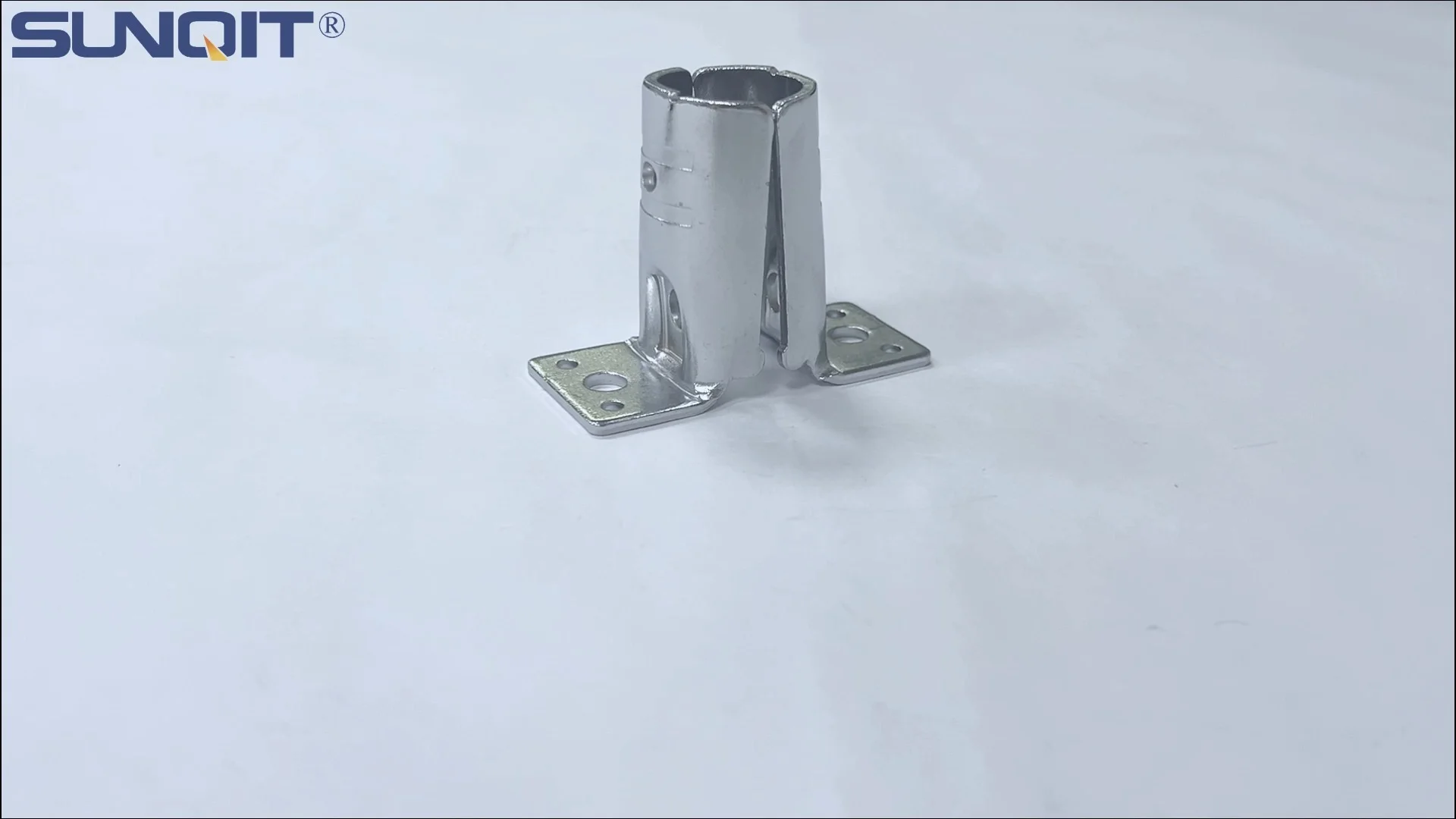
Vertical Lean Pipe Joint
Vertical lean pipe joint is used for 28mm lean pipe fixed on ground and keep it stable.
Walk into any busy warehouse or manufacturing floor, and you'll notice one thing quickly: organization is the backbone of efficiency. From neatly stacked boxes to tools hung within arm's reach, every detail matters. But if there's one piece of equipment that quietly keeps operations running smoothly, it's the humble material rack. Today, we're zeroing in on a workhorse you've probably seen a hundred times but might not have given much thought to: Material Rack B (3 row and 3 floor) . With three rows and three floors, it's a staple for storing parts, tools, and materials in factories, logistics hubs, and workshops. But here's the secret: its reliability, stability, and even its lifespan depend almost entirely on one tiny yet critical component—the vertical lean pipe joint .
Think about it: a rack with three levels of shelves needs to hold hundreds of kilograms of weight, day in and day out. If the joints connecting its vertical pipes to the horizontal shelves are weak, wobbly, or ill-fitting, you're looking at sagging shelves, misplaced items, or worse—collapses that risk injury and downtime. So, whether you're setting up a new Material Rack B or replacing old, worn-out parts, choosing the right vertical lean pipe joint isn't just a "nice-to-have." It's the difference between a rack that works for you and one that becomes a headache.
In this guide, we'll break down everything you need to know to pick the perfect vertical lean pipe joint for your Material Rack B. We'll start by understanding what Material Rack B really is, dive into why vertical joints matter, and walk through the key factors that should influence your choice. By the end, you'll feel confident selecting joints that keep your rack sturdy, your materials safe, and your workflow uninterrupted.
First Things First: What Exactly Is Material Rack B (3 row and 3 floor)?
Before we talk joints, let's get clear on the star of the show: Material Rack B (3 row and 3 floor). Picture this: a freestanding rack made from interconnected pipes and joints, with three vertical columns (rows) and three horizontal shelves (floors). It's not overly fancy, but that's part of its appeal. Its simple design makes it easy to assemble, adjust, and reconfigure—perfect for dynamic workplaces where needs change fast.
Typically, Material Rack B stands around 1.8–2.2 meters tall, with each shelf spaced 40–60 cm apart. The shelves might be made of plywood, metal, or even wire mesh, depending on what you're storing. Common uses? Holding small parts in automotive factories, tools in repair shops, or inventory in distribution centers. Its three-row, three-floor layout strikes a balance between vertical space savings and accessibility—no more climbing ladders to reach the top shelf or bending to the floor for the bottom one.
But here's the catch: none of this works without strong, reliable connections. The vertical pipes are the "backbone" of the rack, and the horizontal shelves attach to them via joints. If those joints fail, the entire structure weakens. A loose joint might make the shelf wobble; a broken one could send everything crashing down. That's why, when it comes to Material Rack B, the lean pipe joint isn't an afterthought—it's the foundation.
Vertical Lean Pipe Joints 101: The Unsung Heroes of Your Rack
Let's get up close and personal with vertical lean pipe joints. What are they, exactly? In simplest terms, they're the connectors that fasten vertical pipes to horizontal shelves (or other vertical pipes) in your Material Rack B. Think of them as the "elbows" and "knees" of the rack—small but essential for structure and movement (or lack thereof; we want stability, after all).
Most vertical lean pipe joints are designed to clamp onto or screw into the pipes, creating a tight, secure bond. They come in different shapes—T-shaped, L-shaped, or straight—but for Material Rack B, we're focused on the ones that handle vertical loads. These joints need to withstand the downward pressure of the shelves and whatever's on them, as well as the occasional side-to-side jostling when items are loaded or unloaded.
You might have heard terms like vertical lean pipe joint chrome thrown around. Chrome-plated joints are popular because the chrome adds a layer of corrosion resistance and a smooth finish, making them easier to clean. But chrome isn't the only option—there are also aluminum, stainless steel, and even plastic joints, each with its own pros and cons. We'll dig into those later.
Here's a real-world example: A friend of mine manages a small electronics warehouse. They set up Material Rack B to store circuit boards and small components. At first, they used generic plastic joints to save money. Within three months, the top shelf started tilting—one joint had cracked under the weight of just 60 kg of parts. They had to halt operations, unload the rack, and replace all the joints with metal ones. Lesson learned: skimping on joints costs more in the long run.

Why Choosing the Right Joint Matters More Than You Think
You might be thinking, "It's just a joint—how big of a deal can it be?" Let's break down the risks of choosing the wrong one:
- Safety hazards: A failed joint can cause shelves to collapse, risking injury to anyone nearby. Even a wobbly rack might lead to items falling off, damaging products or hurting workers.
- Wasted time and money: If you have to replace joints frequently, you're looking at downtime for disassembly, reassembly, and purchasing new parts. My friend's warehouse lost half a day of work—time they couldn't get back.
- Inefficient storage: Weak joints limit how much weight you can safely put on each shelf. You might end up underutilizing the rack, wasting space and forcing you to buy extra racks.
- Frustration: There's nothing more annoying than a rack that won't stay straight, shelves that sag, or joints that loosen every time you touch them. It slows down your team and adds unnecessary stress to the workday.
On the flip side, choosing the right joint turns Material Rack B into a reliable workhorse. It stays stable, holds more weight, and lasts for years. It's the kind of decision that makes your job easier without you even noticing—until you remember how much of a hassle the old rack was.

5 Key Factors to Consider When Choosing a Vertical Lean Pipe Joint
Now that we know why joints matter, let's talk about how to pick the right one. Here are the five factors you need to check before hitting "buy."
1. Load Capacity: How Much Weight Will It Actually Hold?
Start with the basics: how much weight will each shelf of your Material Rack B hold? Let's say you're storing tools that weigh 80 kg per shelf. The joint needs to handle not just 80 kg, but more—because "dynamic loads" (like when someone slams a box down or pulls a heavy item out quickly) add extra stress. A good rule of thumb: choose joints rated for 150% of your expected maximum load . For 80 kg shelves, that means joints rated for at least 120 kg.
Check the manufacturer's specs for "maximum vertical load" or "static load capacity." Don't guess—if the label says "up to 100 kg," don't push it to 150 kg. Overloading is the number one cause of joint failure.
2. Material Compatibility: Match the Joint to Your Pipes
Material Rack B is often built with aluminum lean pipe or steel pipes. Your joint needs to play nice with whatever pipe you're using. For example, aluminum pipes are lightweight and rust-resistant, but they're softer than steel. Using a steel joint with aluminum pipes might scratch or dent the pipe, weakening the connection over time. Look for joints specifically designed for your pipe material—aluminum joints for aluminum pipes, steel joints for steel pipes.
Pro tip: If you're not sure what kind of pipe you have, check the diameter (most lean pipes are 28mm or 30mm) and material (aluminum is lighter and silver; steel is heavier and may have a black or galvanized finish). The joint's packaging should list compatible pipe sizes and materials.
3. Environmental Conditions: Will It Stand Up to Your Workplace?
Is your warehouse humid? Do you work with liquids or chemicals? Or is it dry and climate-controlled? Your environment will dictate the joint material. For example:
- Dry, indoor spaces: Vertical lean pipe joint chrome is a great choice. Chrome plating resists rust in dry air and is easy to wipe clean.
- Humid or wet areas (like food processing or car washes): Go for stainless steel joints. Stainless steel contains chromium, which forms a protective layer against moisture and corrosion.
- Light-duty, clean rooms: Aluminum joints work well. They're lightweight, rust-proof, and won't shed particles (important for electronics or pharmaceutical settings).
4. Ease of Installation and Adjustment
Unless you're a professional installer, you want joints that are easy to put together. Some joints require tools (like hex keys or wrenches), while others snap into place or use hand-tightened screws. If you need to reconfigure Material Rack B later (e.g., adjusting shelf heights), look for joints that can be loosened and retightened without damaging the pipes.
Avoid joints with tiny, easily lost parts—trust me, nothing's worse than dropping a screw into a dark corner of the warehouse and having to halt assembly to find it. Opt for one-piece or minimal-part designs whenever possible.
5. Cost vs. Quality: When to Splurge (and When to Save)
It's tempting to buy the cheapest joints, but remember: this is an investment in safety and efficiency. A $5 joint that fails in six months is more expensive than a $10 joint that lasts five years. That said, you don't need to buy the priciest option if you don't need it. For example:
- Low-weight, dry environments: Chrome-plated steel joints are affordable and sufficient.
- Heavy loads or harsh conditions: Stainless steel is worth the extra cost for durability.
- Portable racks or light use: Aluminum joints offer a good balance of cost and performance.

Comparing Common Vertical Lean Pipe Joint Types
To make your decision easier, let's compare the three most popular types of vertical lean pipe joints for Material Rack B. Use this table to match your needs with the right joint.
| Joint Type | Material | Max Load Capacity (kg) | Best For | Pros | Cons |
|---|---|---|---|---|---|
| Chrome-Plated Steel | Carbon steel with chrome plating | 150–200 | Dry warehouses, light-to-medium loads, Material Rack B with aluminum or steel pipes | Affordable; corrosion-resistant in dry air; strong enough for most shelves | Prone to rust in humidity; may scratch aluminum pipes |
| Aluminum | Aluminum alloy | 100–150 | Clean rooms, humid areas, aluminum lean pipe racks | Lightweight; rust-proof; won't scratch aluminum pipes | Lower load capacity; more expensive than chrome-plated steel |
| Stainless Steel | 304 or 316 stainless steel | 200–300 | Heavy loads, wet environments (e.g., food processing, car washes) | Extremely durable; resistant to moisture, chemicals, and rust; works with all pipe types | Most expensive option; heavier than aluminum |
*Load capacities are approximate and vary by manufacturer. Always check the product specifications for exact ratings.
Pro Tips for Installing Vertical Lean Pipe Joints
Even the best joint won't perform well if it's installed incorrectly. Here's how to get it right:
- Clean the pipes first: Dust, grease, or rust on the pipes can prevent the joint from clamping tightly. Wipe them down with a dry cloth (or mild detergent for greasy pipes) before installing.
- Don't overtighten: Yes, you want a snug fit, but cranking the screws too hard can strip the threads or warp the joint. Tighten until you feel resistance, then give it a quarter-turn more—no more.
- Check for alignment: Before fully tightening, make sure the shelves are level and the vertical pipes are straight. A crooked joint will put extra stress on the rack over time.
- Test the load gradually: Once installed, load the shelf with 50% of its maximum weight, let it sit for a few hours, then check the joints. If they're still tight, add the rest of the weight.
How to Make Your Joints Last Longer
With a little care, your vertical lean pipe joints can last for years. Here's how to maintain them:
- Inspect monthly: Check for loose screws, cracks, or rust. Tighten any loose joints and replace damaged ones immediately.
- Lubricate moving parts: If your joints have adjustable components (like swivel joints), apply a drop of machine oil every few months to keep them moving smoothly.
- Clean regularly: Wipe chrome or stainless steel joints with a damp cloth to remove dust and grime. For aluminum, use a mild soap—avoid abrasive cleaners that can scratch the finish.
- Avoid overloading: Stick to the weight limits! Even the strongest joint will fail if you push it too hard.
Final Thoughts: Your Rack Deserves the Best Joints
Material Rack B (3 row and 3 floor) is more than just a storage solution—it's a tool that keeps your operation running smoothly. And like any tool, its performance depends on the quality of its parts. The vertical lean pipe joint might be small, but it's the key to a stable, safe, and efficient rack.
When shopping for joints, remember to prioritize load capacity, material compatibility, and environmental resistance. Use the table above to compare options, and don't hesitate to invest a little more in quality—your team, your budget, and your peace of mind will thank you.
So go ahead: choose those joints wisely. Your Material Rack B (and everything on it) will stand tall for years to come.