- Company Articles
- Products and Technology
- Installation And Maintenance
- How to Clean 38 Aluminum Roller Track Black with Wheel Flange: Maintenance Guide

How to Clean 38 Aluminum Roller Track Black with Wheel Flange: Maintenance Guide
Related Product
38 Aluminum Roller Track Black with Wheel Flange
Heavy duty roller tracks with flanged plastic rollers for use in processing, logistics and materials handling operations. Ideal for transporting goods quickly and easily as well as for installing on shelving to aid in picking operations.
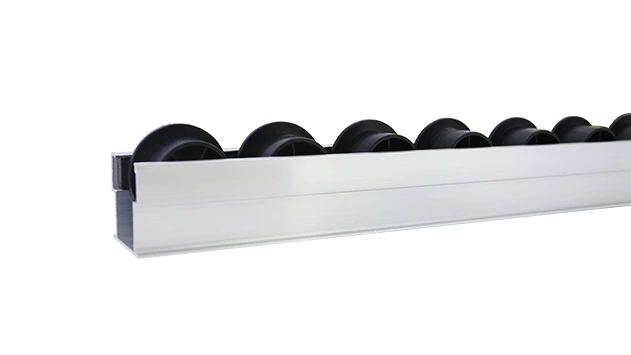
Roller tracks are the unsung heroes of any production line. Whether you're using them in a conveyor system for 3C assembly or a lean pipe workstation for medical device manufacturing, these tracks keep parts moving smoothly from one station to the next. But when a 38 aluminum roller track black with wheel flange gets dirty—covered in dust, grease, or small debris—it can slow down your entire operation, cause parts to jam, or even damage the products you're moving. That's why regular cleaning and maintenance aren't just chores; they're essential for keeping your flexible production equipment running at peak efficiency. In this guide, we'll walk you through every step of cleaning your roller track, from prepping your tools to troubleshooting common issues, and even share how quality parts from a trusted lean pipe supplier can make this process easier.
Pre-Cleaning Preparation: Gather Your Tools & Safety Gear
Before you dive into cleaning, let's get everything ready to ensure the process is safe and effective. You don't need expensive or specialized tools—most items are things you probably already have in your maintenance closet, plus a few aluminum profile accessories to simplify disassembly if needed. Here's what you'll need:
- Soft-bristle brush or microfiber cloths: Avoid steel wool or abrasive sponges—these can scratch the black coating on your aluminum track and leave permanent marks.
- pH-neutral detergent: Harsh chemicals like bleach or ammonia can eat away at the anti-corrosion coating on the aluminum. Opt for a mild dish soap or a cleaner specifically designed for aluminum surfaces.
- Warm water: Not boiling—extreme heat can warp the aluminum frame or cause the wheel flanges to loosen. Lukewarm water (around 100°F/38°C) is perfect.
- Silicone-based lubricant: Petroleum-based lubricants can attract dust and grime, so silicone is the best choice. It's non-sticky and provides long-lasting lubrication for the roller axles.
- Screwdriver set: A Phillips-head and flat-head screwdriver will help you remove wheel flanges if you need to deep clean the axles. Make sure the screwdrivers are the right size—using the wrong one can strip the screw heads.
- Gloves: Nitrile or latex gloves will protect your hands from dirt, detergent, and lubricant. They also prevent fingerprints from getting on the clean aluminum surface.
- Air compressor (optional): If you have one, it's great for drying hard-to-reach areas like between the wheel flanges. Set it to low pressure (under 30 PSI) to avoid bending the rollers.
- Dry microfiber towels: For wiping down the track after cleaning. Avoid paper towels—they can leave lint behind.
Safety first: Always turn off any power to the conveyor system connected to the roller track before you start cleaning. If the track is part of a larger lean pipe system, make sure no one is using the line while you're working. This prevents accidents like fingers getting caught in moving rollers or parts falling off the track.
Step-by-Step Cleaning Process: From Surface Dirt to Deep Shine
Cleaning your 38 aluminum roller track black with wheel flange isn't rocket science, but following these detailed steps will ensure you do it right without damaging the parts. Let's break it down:
Step 1: Remove Loose Debris & Inspect for Damage
Start by using a soft-bristle brush to sweep away loose dirt, dust, and small particles from the top and sides of the roller track frame. Pay extra attention to the gaps between the wheel flanges—this is where debris often builds up. For larger pieces of debris (like small plastic parts or metal shavings), use your fingers (wearing gloves) to pick them up. As you clean, inspect the track for any visible damage: bent rollers, cracked flanges, or scratches on the black coating. Note any issues you find—you'll need to address them later.
If you notice debris stuck between the rollers that the brush can't reach, use a toothpick or a small wooden skewer to gently dislodge it. Be careful not to push too hard—you don't want to scratch the wheel flanges or bend the rollers. For very stubborn debris, you can remove the wheel flanges (using a screwdriver) to get better access. Just remember to keep track of all the screws so you don't lose them.
Step 2: Wipe Down the Track Frame & Rollers
Fill a bucket with warm water and add a small amount of pH-neutral detergent (about a teaspoon per gallon of water). Dip a microfiber cloth into the solution, wring it out well (so it's damp, not dripping), and start wiping down the aluminum frame. Work from top to bottom to avoid spreading dirt to clean areas. For the rollers, hold the cloth against the roller and spin it slowly—this will remove dirt from all sides of the roller and the wheel flange.
Why is a damp cloth important? Excess water can seep into the axle of the roller and cause rust or corrosion over time. If you're cleaning a track that's part of an ESD workstation, make sure the detergent is ESD-safe—this prevents static buildup that can damage sensitive electronic parts.
Step 3: Deep Clean Stubborn Stains & Grease
Grease and oil stains are common on roller tracks used in automotive or mechanical manufacturing. To remove them, make a slightly stronger solution: mix one part mild detergent with three parts warm water. Dip a clean cloth into the solution and gently scrub the stained area in circular motions. Don't apply too much pressure—this can scratch the black coating on the aluminum.
If the stain still won't come off, try using a small amount of isopropyl alcohol (70% concentration) on a cloth. Alcohol is safe for aluminum and evaporates quickly, so it won't leave moisture behind. Test it on a small, hidden area first to make sure it doesn't damage the coating. Once the stain is gone, wipe the area with a damp cloth to remove any alcohol residue.
Step 4: Rinse & Dry Thoroughly
After you've cleaned the entire track, it's time to rinse off any detergent residue. Fill another bucket with clean warm water and use a fresh microfiber cloth to wipe down the frame and rollers. This step is crucial—residue from detergent can attract more dirt and grease over time.
Next, dry every part of the track completely. Use a dry microfiber towel to wipe down the frame and rollers. For hard-to-reach areas (like between the wheel flanges), use an air compressor (set to low pressure) or a dry toothbrush to remove moisture. If you skip this step, moisture can lead to oxidation of the aluminum, which will cause the black coating to fade or peel.
Step 5: Lubricate the Rollers & Wheel Flanges
Lubrication is the final step—and one of the most important. It keeps the rollers spinning smoothly and prevents friction-related wear. Grab your silicone-based lubricant and apply a small drop to the axle of each roller (where it connects to the wheel flange). Don't over-lubricate—too much lubricant will attract dust and grease. Spin the roller back and forth a few times to spread the lubricant evenly.
For wheel flanges that are loose, tighten the screws with a screwdriver before lubricating. This ensures the rollers stay in place and spin correctly. If the screws are worn or stripped, replace them with new ones—you can find these as part of aluminum profile accessories from most lean pipe suppliers.

Troubleshooting Common Issues During Cleaning
While cleaning, you might notice some problems that need fixing. Let's go over the most common ones and how to handle them:
1. Rollers Sticking or Not Spinning Freely
If a roller isn't moving smoothly even after cleaning, the axle might be clogged with dirt or old lubricant. To fix this: remove the wheel flange using a screwdriver, then use a small brush to clean the axle. Wipe it down with a cloth dampened with isopropyl alcohol to remove any residue. Reapply silicone lubricant and reattach the flange. If the problem persists, the roller might be worn out—consider replacing it with a new one from a reliable lean pipe supplier.
2. Minor Rust Spots on Aluminum Frame
Aluminum doesn't rust easily, but if you see small rust spots (usually from contact with steel parts), don't panic. Mix one part white vinegar with two parts warm water and dip a cloth into the solution. Gently rub the rust spot until it disappears. Rinse the area with clean water and dry it immediately. To prevent this in the future, use corrosion-resistant steel parts or keep steel accessories away from the aluminum track.
3. Loose Wheel Flanges
Loose flanges can cause rollers to shift or fall off the track. Tighten the screws with a screwdriver, but don't over-tighten—this can strip the threads on the aluminum frame. If the screws are worn, replace them with new ones (look for M4 or M5 screws, which are standard for aluminum profile accessories). For flanges that keep coming loose, you can add a small amount of thread-locking adhesive (like Loctite) to the screws—just make sure it's removable so you can take the flange off later for cleaning.
4. Debris Stuck Between Rollers
Small pieces of debris (like plastic shavings or metal filings) often get stuck between the rollers and the frame. To remove them: use a toothpick or a small wooden skewer to gently push the debris out. Be careful not to scratch the black coating or bend the rollers. If the debris is too small to see, use a flashlight to illuminate the gap—this makes it easier to find and remove.
5. Faded Black Coating
If the black coating on your roller track is fading, it might be due to exposure to harsh chemicals or UV light. To restore it: clean the track thoroughly, then apply a thin layer of black spray paint designed for aluminum. Make sure the paint is anti-scratch and corrosion-resistant. Let it dry completely before using the track again. For long-term protection, consider using a track with a durable coating like SunQit's 38 aluminum roller track black with wheel flange.

Preventive Maintenance Schedule: Keep Your Track in Top Shape
Cleaning once in a while isn't enough—you need a regular schedule to ensure your roller track lasts for years. Here's a detailed plan you can adapt to your production needs:
| Frequency | Tasks to Perform | Notes |
|---|---|---|
| Daily |
1. Sweep loose debris from the track.
2. Check for stuck rollers or loose flanges. 3. Wipe down the track with a dry cloth. |
Do this at the end of each shift to prevent debris from building up. |
| Weekly |
1. Clean the track with mild detergent and warm water.
2. Lubricate the rollers with silicone-based lubricant. 3. Inspect for visible damage (bent rollers, cracked flanges). |
Assign this task to a maintenance team member to ensure consistency. |
| Monthly |
1. Deep clean the track (remove flanges if needed).
2. replace any worn rollers or flanges. 3. Check for rust or corrosion on the frame. |
Keep a log of replaced parts to track wear and tear. |
| Quarterly |
1. Disassemble the track for thorough cleaning.
2. Inspect the axle of each roller for damage. 3. Reapply lubricant to all moving parts. |
This is a good time to consult a lean system supplier for custom solutions if your track needs upgrades. |
| Annually |
1. Complete overhaul: replace worn rollers, flanges, and frame parts.
2. Repaint the track if the coating is faded. 3. Evaluate if the track meets your current production needs. |
Consider upgrading to a more durable track like SunQit's if your current one is outdated. |
Following this schedule will reduce downtime, extend the life of your roller track, and keep your production line running smoothly. For businesses with high-volume operations (like 3C assembly or automotive manufacturing), you might need to increase the frequency of some tasks—for example, lubricating the rollers twice a week instead of once.
How SunQit's Products Make Maintenance Easier
Not all roller tracks are created equal. SunQit's 38 aluminum roller track black with wheel flange is designed with maintenance in mind—here's how it stands out:
- Durable Black Coating: The track uses a high-quality, anti-scratch, corrosion-resistant coating that resists fading and peeling. This means you won't have to clean it as often or repaint it regularly. The coating also repels grease and dirt, making cleaning faster and easier.
- Easy-to-Remove Wheel Flanges: The flanges are attached with standard M4 screws, so you can take them off quickly without special tools. This is perfect for deep cleaning or replacing worn rollers. SunQit also provides replacement screws as part of their aluminum profile accessories line.
- Compatible with Lean Pipe System: This roller track integrates seamlessly with SunQit's lean pipe system, so you can adjust or expand your setup without hassle. For example, if you need to add a conveyor to your line, the track can be connected to SunQit's conveyor system using standard lean pipe joints.
- Custom Solutions: SunQit offers custom solutions tailored to your unique production needs. For medical device manufacturing, they can design a track that's easy to sanitize and meets FDA standards). For 3C assembly, they can create a track that's compatible with ESD workstations to prevent static damage. Their team of experts will work with you to design a system that's efficient, durable, and easy to maintain.
- Reliable Replacement Parts: As a trusted lean pipe supplier, SunQit provides all the replacement parts you need—from rollers to flanges to lubricants. All parts are designed to fit perfectly with their roller tracks, so you don't have to worry about compatibility issues. They also offer bulk discounts for wholesale orders, which saves you money.
SunQit's flexible production equipment line includes everything from roller tracks to workstations to conveyor systems—all built with the same focus on quality and ease of maintenance. Their products are used in a wide range of industries, including automotive, medical device manufacturing, and 3C assembly. Whether you need a single roller track or a complete lean system, SunQit has you covered.
For example, if you're running a 3C assembly line, SunQit's custom solutions can help you design a track system that moves parts quickly and efficiently. The track will be compatible with your existing lean pipe workstation, so you don't have to replace your entire setup. And since it's designed for easy maintenance, you'll spend less time cleaning and more time producing.
Final Thoughts: Maintenance is an Investment, Not a Chore
Taking care of your 38 aluminum roller track black with wheel flange isn't just about keeping it clean—it's about protecting your investment and ensuring your production line runs smoothly. A well-maintained track can last for 5-10 years, while a neglected one might need to be replaced in 2-3 years. The small time and effort you put into maintenance will save you money in the long run by reducing downtime and replacement costs.
Remember: The key to effective maintenance is consistency. Follow the steps in this guide, stick to your schedule, and don't hesitate to reach out to a reliable lean system supplier like SunQit if you need help. Their expertise and quality products will make your maintenance tasks easier and more effective.
By investing in a high-quality roller track and maintaining it properly, you can keep your production line running at peak efficiency for years to come. Your team will appreciate the smooth operation, and your customers will benefit from faster delivery times and higher-quality products.