- Company Articles
- Products and Technology
- Installation And Maintenance
- How to Clean 40 Aluminum Roller Track Green: Best Practices for Hygiene

How to Clean 40 Aluminum Roller Track Green: Best Practices for Hygiene
Related Product
40 Aluminum Roller Track Green
Durable and smooth-running modular roller rails. The system is fully assembled. The roller rail profile contains plastic rollers mounted on steel axles. Aluminum frame with plastic wheel make it anti corrosion,and material convey more smooth.
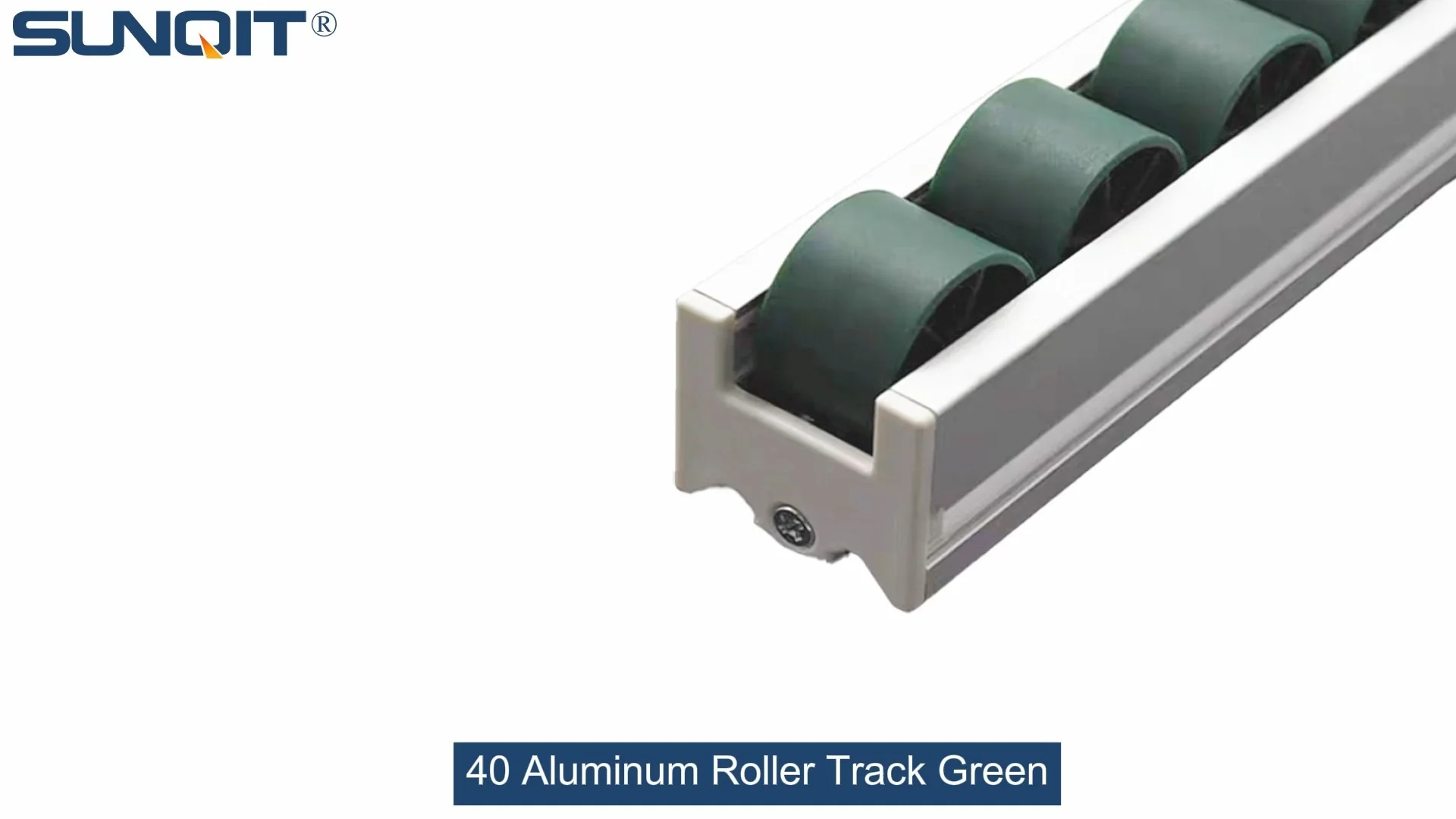
If you're running a lean system that relies on flow racks or conveyors, you know how critical every component is to keeping operations smooth. The 40 aluminum roller track green—with its durable green coating and lightweight aluminum construction—is a workhorse in many industries, from 3C assembly lines to medical device manufacturing. But like any hardworking tool, it needs regular cleaning to maintain hygiene, prevent jams, and extend its lifespan. In this guide, we'll walk you through everything you need to know about cleaning and maintaining this essential piece of your lean pipe-based setup, including step-by-step processes, best practices, and common mistakes to avoid.
Why Cleaning 40 Aluminum Roller Track Green Matters
Before diving into the how-to, let's talk about the why. The 40 aluminum roller track green is often used in high-traffic areas: think flow racks moving parts to a lean pipe workstation, or conveyors carrying components through an assembly line. Over time, dust, dirt, small debris (like plastic shavings from 3C parts), and even spilled liquids can build up on the rollers and track surfaces. This buildup doesn't just look unhygienic—it causes real problems:
- Jams and Downtime: Debris trapped between rollers can stop materials from sliding smoothly, leading to line stoppages that cost time and money.
- Corrosion Risk: Aluminum is resistant to rust, but if moisture is left on the track (especially with dirt acting as a catalyst), it can cause oxidation or damage to the green protective coating.
- Hygiene Violations: In industries like medical device manufacturing or food packaging (though less common for this track), unclean surfaces can lead to regulatory non-compliance.
- Premature Wear: Abrasive debris can scratch the rollers or track, reducing their efficiency and forcing you to replace parts sooner than necessary.
For lean systems that prioritize "sustainable improvement" (a core principle of many lean pipe suppliers), regular cleaning is a low-cost way to keep your equipment in top shape without needing frequent replacements.
Pre-Cleaning Preparation: Tools & Safety
Before you start cleaning, gather the right tools and follow basic safety steps to protect yourself and your equipment. Here's what you'll need:
Essential Tools
- Soft-bristle brush (to remove loose debris without scratching the green coating)
- Microfiber cloths (lint-free, ideal for wiping surfaces)
- pH-neutral mild detergent (like dish soap—avoid harsh chemicals like bleach or ammonia)
- Warm water (for diluting detergent)
- Compressed air canister or blower (for hard-to-reach gaps between rollers)
- Disposable gloves (to protect your hands from dirt and detergent)
- Dry towel or air dryer (to thoroughly dry the track after cleaning)
- Small screwdriver (optional, for tightening aluminum profile accessories if needed)
Safety First
- Disconnect Power: If the 40 aluminum roller track green is part of a powered conveyor system, turn off the power and unplug it before cleaning. This prevents accidental movement while you're working.
- Wear Gloves: Gloves protect your hands from dirt, sharp debris, and mild detergent.
- Clear the Area: Remove any materials or products from the track to avoid getting them wet or dirty during cleaning.

Step-by-Step Cleaning Process for 40 Aluminum Roller Track Green
Follow these steps to ensure a thorough, safe clean for your roller track:
Step 1: Remove Loose Debris
Start with the easiest part: removing loose dust, dirt, and small debris. Take your soft-bristle brush and gently sweep along the track, focusing on the gaps between rollers and the edges of the aluminum frame. For flow racks that hold small parts (like 3C components), pay extra attention to areas where tiny pieces might be trapped. If you have compressed air, use it to blow out debris from hard-to-reach spots—like the space between the roller and its axle.
Step 2: Wipe the Track Surface
Mix a small amount of mild detergent with warm water (about 1 teaspoon of soap per liter of water). Dip a microfiber cloth into the solution, wring it out thoroughly (you don't want dripping water), and wipe the entire surface of the 40 aluminum roller track green. This includes:
- The top and sides of the aluminum frame
- The outer surface of each roller (rotate them as you wipe to cover all sides)
- The edges of the track where debris often accumulates
Avoid using excessive pressure—let the detergent do the work. If you encounter a stubborn stain (like dried glue or oil), let the soapy cloth sit on the stain for 1-2 minutes before wiping it off.
Step 3: Deep Clean Rollers & Gaps
Rollers are the heart of the track, so they need extra care. For each roller:
- Gently rotate it with your finger to expose all surfaces.
- Use a damp microfiber cloth to wipe every part of the roller, including the area where it meets the track frame.
- For gaps between the roller and the frame, use compressed air to blow out any remaining debris. This step is crucial for preventing jams in high-use conveyors or flow racks.
Step 4: Rinse & Dry Thoroughly
Once you've wiped the entire track with soapy water, take a clean, damp microfiber cloth (no detergent) and wipe the track again to remove any soap residue. Residue can attract dust, so this step is important. Then, dry the track completely using a dry microfiber cloth or air dryer. Pay special attention to the rollers and frame edges—moisture left here can cause oxidation or damage the green coating over time.
Step 5: Inspect & Maintain
Cleaning is a great time to inspect your track for signs of wear or damage. Here's what to look for:
- Damaged Rollers: Check if any rollers are cracked, bent, or not rotating smoothly. If so, replace them (lean pipe suppliers often sell replacement rollers and the necessary aluminum profile accessories).
- Loose Connectors: Tighten any loose screws or bolts on the aluminum profile accessories that hold the track together. Loose connectors can cause the track to shift, leading to jams or uneven material flow.
- Coating Damage: If the green coating is scratched or peeling, consider touching it up with a matching paint (check with your supplier for the right product) to protect the aluminum underneath.

Best Practices for Regular Maintenance
Cleaning once isn't enough—regular maintenance is key to keeping your 40 aluminum roller track green in top condition. The frequency of cleaning depends on how often you use the track and the industry you're in. Here's a handy guide:
| Industry/Usage Scenario | Cleaning Frequency | Key Notes |
|---|---|---|
| High-Use 3C Assembly Lines | Daily (quick clean) + Weekly (deep clean) | 3C parts often leave small plastic shavings—daily brushing prevents buildup. |
| Medical Device Manufacturing | Daily (sanitize) + Bi-Weekly (deep clean) | Use EPA-approved sanitizers to meet regulatory standards. |
| Warehouse Flow Racks | Weekly (quick clean) + Monthly (deep clean) | Warehouses accumulate dust—focus on roller gaps and frame edges. |
| Automotive Parts Conveyors | Bi-Weekly (quick clean) + Monthly (deep clean) | Automotive parts may leave oil residue—use mild degreaser if needed. |
| Low-Use Storage Areas | Monthly (quick clean) + Quarterly (deep clean) | Less traffic means less buildup, but regular checks are still important. |
Pro Tips to Prevent Buildup
- Use Entry Mats: Place mats at the entrance of conveyor lines or flow racks to trap dirt from shoes or carts before it reaches the track.
- Train Staff: Teach your team to do quick daily checks—like brushing off debris from the track—since lean systems rely on everyone's participation.
- Cover When Not In Use: If the track is unused for long periods (like during holidays), cover it with a dust sheet to prevent dust accumulation.

Common Mistakes to Avoid
Even with the best intentions, it's easy to make mistakes when cleaning your 40 aluminum roller track green. Here are the most common ones and how to steer clear:
1. Using Harsh Chemicals or Abrasive Tools
Bleach, ammonia, or steel wool can scratch the green coating and damage the aluminum. Stick to mild detergent and soft tools like microfiber cloths and soft brushes.
Avoiding Hidden Areas
It's easy to focus on the visible parts of the track, but hidden areas (like under the rollers or between the track and its frame) are where debris often accumulates. Use compressed air to reach these spots during deep cleans.
3. Not Drying Thoroughly
Moisture left on the track can cause oxidation or rust (even on aluminum if it's exposed). Always dry the track completely after cleaning—use a dry cloth or air dryer for hard-to-reach areas.
4. Over-Lubricating Rollers
While some rollers need lubrication, too much oil or grease attracts dust and debris. Check your supplier's guidelines for lubrication frequency—most 40 aluminum roller tracks require minimal lubrication.
5. Ignoring Damaged Parts
A cracked roller or loose connector can lead to bigger problems (like line jams) if not fixed promptly. replace damaged parts as soon as you notice them—lean pipe suppliers often have quick delivery times for replacement components.
How Cleaning Supports Lean System Efficiency
Lean systems are all about eliminating waste and improving efficiency—and cleaning your 40 aluminum roller track green directly contributes to both. Here's how:
- Reduced Downtime: A clean track means fewer jams, so your assembly line or flow rack keeps moving without interruptions.
- Longer Equipment Life: Regular cleaning prevents premature wear, so you don't have to replace parts as often—aligning with the "sustainable improvement" principle of lean pipe systems.
- Better Hygiene: Clean tracks reduce the risk of contamination, which is critical for industries like medical device manufacturing or food packaging (though this track is less common in food, it's still relevant).
- Improved Worker Morale: A clean workspace is more pleasant to work in—workers are more productive when their tools and equipment are well-maintained.
For example, a 3C assembly plant we worked with recently implemented our daily cleaning routine for their flow racks' 40 aluminum roller track green. Within a month, their line downtime due to jams dropped by 85%—saving them over 10 hours of lost production each week. That's the power of regular maintenance!
Troubleshooting Common Issues
Even with regular cleaning, you might encounter some issues with your 40 aluminum roller track green. Here's how to fix them:
Issue 1: Rollers Are Stuck or Not Rotating Smoothly
Possible causes: Debris trapped between the roller and frame, or lack of lubrication. Fix:
- Use compressed air to blow out debris from the roller gap.
- Apply a small amount of lubricant (like silicone spray) to the roller axle (follow supplier guidelines).
- If the roller is still stuck, replace it with a new one.
Issue 2: Green Coating Is Peeling or Scratched
Possible causes: Abrasive tools or harsh chemicals. Fix:
- Touch up the damaged area with matching green paint (ask your lean pipe supplier for the right product).
- Switch to soft tools and mild detergent for future cleaning.
Issue 3: Track Is Shifting or Uneven
Possible causes: Loose aluminum profile accessories. Fix:
- Tighten all screws and bolts on the track's connectors.
- If the track is still uneven, check if the base is level—adjust the feet if needed.
Conclusion
Cleaning your 40 aluminum roller track green isn't just a chore—it's an investment in the efficiency, hygiene, and longevity of your lean system. By following the steps and best practices outlined in this guide, you can keep your flow racks, conveyors, and lean pipe workstations running smoothly for years to come. Remember: Regular maintenance is the key to avoiding costly downtime and replacements. So grab your brush and cloth, and start cleaning—your lean system will thank you!
If you need replacement parts (like rollers or aluminum profile accessories) or have questions about maintaining your lean pipe system, reach out to a trusted lean pipe supplier—they can provide the right products and advice to keep your operations on track.