- Company Articles
- Products and Technology
- Installation And Maintenance
- How to Clean 40 Aluminum Roller Track White: Maintenance Best Practices

How to Clean 40 Aluminum Roller Track White: Maintenance Best Practices
Related Product
40 Aluminum Roller Track White
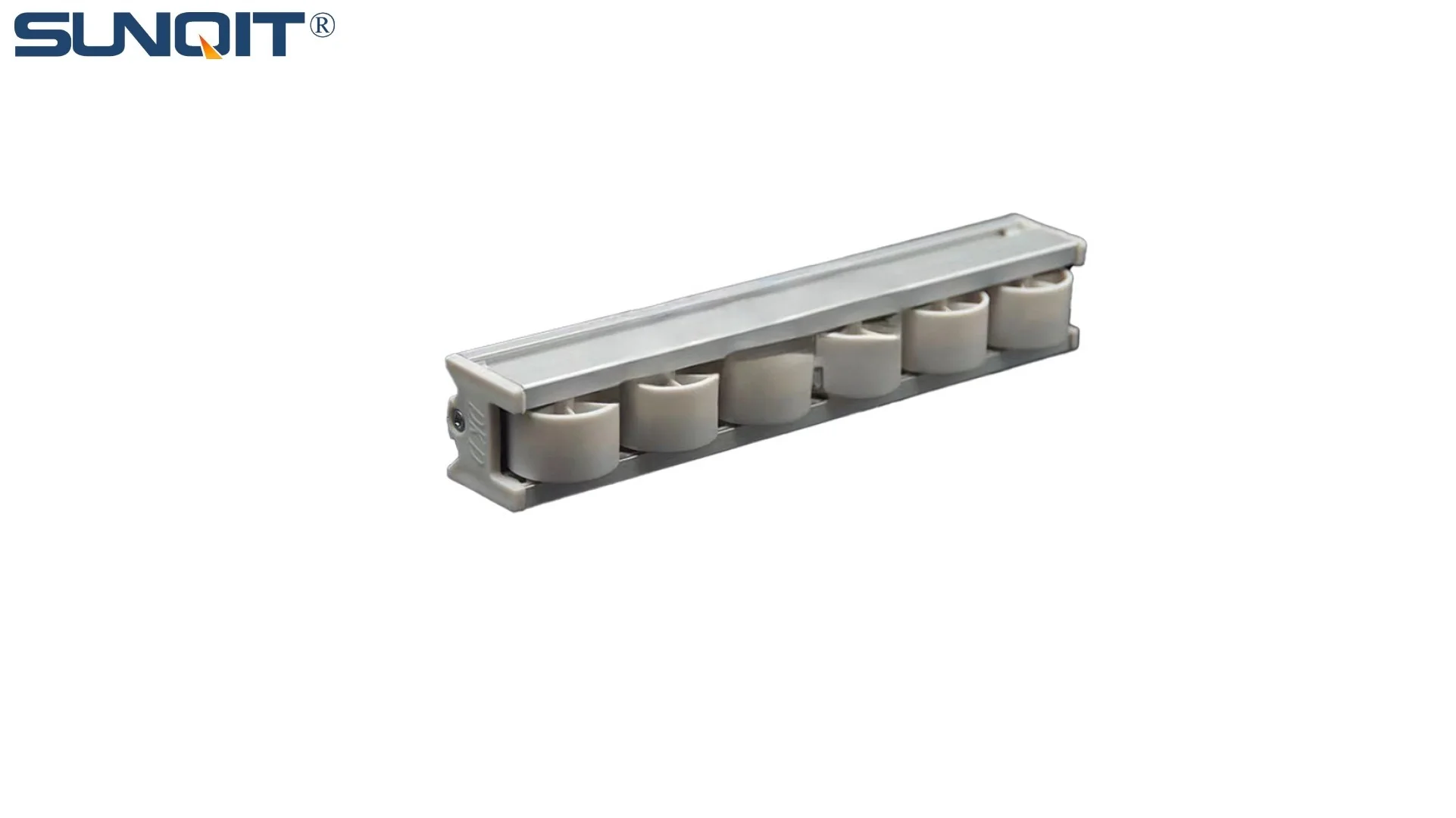
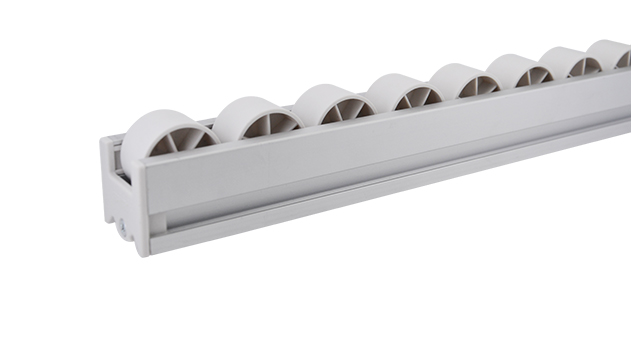
Durable and smooth-running modular roller rails. The system is fully assembled. The roller rail profile contains plastic rollers mounted on steel axles. Aluminum frame with plastic wheel make it anti corrosion,and material convey more smooth.
Introduction: The Unsung Hero of Your Workshop
Walk into any well-oiled production facility, and you'll notice the quiet stars of the show: the equipment that keeps materials moving, stations organized, and workflows seamless. Among these, the 40 Aluminum Roller Track White often flies under the radar—until it stops working smoothly. Whether it's part of a flow rack, a conveyor system, or a workbench setup, this unassuming component plays a critical role in keeping your lean system running like clockwork.
But here's the thing: even the most durable aluminum roller tracks need care. Dust, oil, grease, and debris build up over time, turning a smooth glide into a sluggish drag. A sticky roller track isn't just an annoyance; it slows down production, increases the risk of product damage, and can even lead to costly downtime. And when you're operating within a lean system framework—where efficiency and waste reduction are everything—letting maintenance slip isn't an option.
The good news? Cleaning and maintaining your 40 Aluminum Roller Track White doesn't have to be a complicated chore. With the right tools, a little know-how, and a consistent routine, you can keep those rollers spinning freely for years. In this guide, we'll walk through everything you need to know: why regular cleaning matters, the tools you'll need, step-by-step cleaning instructions, and pro tips to prevent future buildup. Let's dive in.
Why Cleaning Your 40 Aluminum Roller Track White Matters
You might be thinking, "It's just a roller track—how much damage can a little dirt do?" More than you'd expect. Let's break down the key reasons keeping this component clean should be a priority in your workshop:
1. Preserves Efficiency (and Your Lean System Goals)
At the heart of any lean system is the elimination of waste—including time wasted on slow or stuck equipment. A dirty roller track creates friction, meaning materials take longer to move from point A to point B. Over a full shift, those extra seconds add up to minutes, and over a week, to hours of lost productivity. For example, if a roller track that should take 5 seconds to move a part now takes 10 seconds, and your team handles 100 parts per hour, that's an extra 500 seconds (over 8 minutes) of wasted time each hour. Multiply that across multiple workstations, and you're looking at significant efficiency losses—exactly what lean systems aim to avoid.
2. Extends Equipment Lifespan
Aluminum roller tracks are built to last, but abrasive dirt and debris act like sandpaper on the rollers and bearings. Over time, this wear and tear can cause rollers to seize, bearings to fail, or even bend the aluminum profile itself. Replacing a roller track or its components isn't cheap, and the downtime during replacement only adds to the cost. Regular cleaning removes these abrasive particles, protecting your investment and ensuring your equipment stays in service longer.
3. Improves Safety and Reduces Errors
A sticky roller track isn't just slow—it can be dangerous. When materials don't move smoothly, workers may apply extra force to push or pull them, increasing the risk of strains or spills. Loose debris on the track can also cause parts to jam or tip, leading to product damage or even injury. Additionally, a dirty track is harder to inspect; small cracks, loose connectors, or worn rollers might go unnoticed under a layer of grime, turning minor issues into major problems.
4. Maintains Product Quality
If your roller track is used to transport delicate parts or finished products, dirt and grease can transfer onto surfaces, leaving smudges, scratches, or contamination. For industries like electronics (where ESD workstations are common) or food processing, even tiny particles can compromise product integrity. A clean track ensures materials move without picking up unwanted residue, keeping your output up to standard.
Quick Tip:
Make cleaning part of your team's daily "5S" routine (Sort, Set in Order, Shine, Standardize, Sustain). Assigning a quick wipe-down at the end of each shift takes just a minute but prevents buildup from becoming a bigger issue.
Tools and Materials You'll Need
Before you start cleaning, gather these supplies. Most are likely already in your workshop, but it's worth double-checking to avoid mid-clean trips to the supply closet:
| Tool/Material | Purpose | Why It Works |
|---|---|---|
| Soft-bristle brush (toothbrush or small paintbrush) | Removing loose debris from roller gaps and joints | Stiff brushes can scratch the aluminum profile; soft bristles reach tight spaces without damage. |
| Microfiber cloths | Wiping down rollers and track surfaces | Lint-free and highly absorbent, microfiber cloths trap dirt without leaving streaks or residue. |
| Compressed air can or air compressor | Blowing out dust from hard-to-reach areas (e.g., roller bearings) | Perfect for dislodging stubborn particles in crevices that brushes can't reach. |
| Mild detergent (e.g., dish soap) or isopropyl alcohol (70-90%) | Cleaning grease and oil buildup | Harsh chemicals can damage the aluminum finish; mild soap or alcohol cuts through grime safely. |
| Distilled water | Rinsing soap residue (if using detergent) | Tap water may contain minerals that leave spots; distilled water dries clear. |
| Small bucket or spray bottle | Mixing cleaning solution (soap + water) or applying alcohol | Keeps your workspace organized and prevents spills. |
| Toothpicks or wooden skewers | Removing stubborn debris from roller axles or connectors | Thin enough to reach tight gaps without scratching metal parts. |
| Silicone-based lubricant (optional) | Keeping rollers moving smoothly after cleaning | A light coating on bearings reduces friction; avoid oil-based lubricants, which attract dust. |
Pro tip: Always test your cleaning solution on a small, inconspicuous area of the roller track first. This ensures it won't discolor the aluminum profile or damage any plastic components (like roller guides).

Step-by-Step Cleaning Guide: From Start to Finish
Now that you have your tools ready, let's walk through the cleaning process. Depending on how dirty your roller track is, this should take 15–30 minutes per section. For best results, tackle one section at a time to avoid spreading debris to already cleaned areas.
Step 1: Power Down and Disassemble (If Needed)
First, safety first! If your roller track is part of a powered conveyor system, unplug it or turn off the power at the breaker. For manual systems (like those on flow racks or workbenches), remove any materials or products from the track to avoid damage or contamination during cleaning.
In some cases, you may need to disassemble parts of the track to reach all areas. For example, if your 40 Aluminum Roller Track White is attached to an aluminum profile with roller track connectors, check if the track can be slid out or unclipped. Refer to your supplier's instructions for disassembly—most lean pipe and accessories are designed for easy removal without special tools.
Step 2: Remove Loose Debris with Brushing and Air
Start by dry-cleaning to remove loose dust, dirt, and debris. Use the soft-bristle brush to gently sweep along the length of the track, focusing on the gaps between rollers and around the roller track placon mounts (the brackets that attach the track to the aluminum profile). A toothbrush works great for smaller rollers or tight corners.
Next, use compressed air to blow out any remaining particles from the roller bearings, axles, and connector joints. Hold the air nozzle a few inches from the track to avoid damaging delicate parts—too much pressure can bend roller axles or dislodge small components. Tilt the track slightly if possible to let debris fall away instead of settling back into the track.
Step 3: Wipe Down Rollers and Track Surfaces
Now it's time to tackle sticky grime. Dip a microfiber cloth into your cleaning solution (either soapy water or isopropyl alcohol) and wring it out well—you want it damp, not soaking wet. Excess liquid can seep into bearings and cause rust or damage.
Wipe each roller individually, turning them by hand to clean all sides. For particularly greasy spots, apply a small amount of alcohol directly to the cloth and scrub gently. Don't forget the sides of the track and the aluminum guide rails—these areas often collect dust and oil that can transfer to materials.
If you used soap and water, follow up with a clean, damp cloth dipped in distilled water to remove any soap residue. Soap left on the track can attract more dirt later, undoing your hard work.
Step 4: Target Stubborn Debris with Toothpicks or Skewers
Even after brushing and wiping, some debris (like bits of tape, glue, or hardened grease) might cling to roller axles or the edges of the track. This is where toothpicks or wooden skewers come in handy. Gently prod at the debris to loosen it, then wipe it away with a cloth. Be careful not to scratch the aluminum profile or push debris deeper into the bearings.
Step 5: Dry Thoroughly
Moisture is the enemy of metal components, so make sure everything is completely dry before reassembling or using the track. Use a dry microfiber cloth to wipe down rollers, tracks, and connectors. For hard-to-reach areas, use compressed air again to blow out moisture. If possible, let the track air-dry for 10–15 minutes in a well-ventilated area before putting it back into service.
Step 6: Reassemble and Test (Optional: Lubricate)
Once dry, reattach any components you disassembled (like roller track placon mounts or connectors). Make sure all parts are secure—loose connectors can cause the track to wobble or misalign, leading to jams later.
Test the track by rolling a small, lightweight object (like an empty box) along its length. It should move smoothly with minimal effort. If rollers still feel stiff, a tiny drop of silicone-based lubricant on each bearing can help. Apply just enough to coat the bearing—too much will attract dust. Wipe away any excess lubricant with a clean cloth.
Pro Move:
Keep a cleaning log near the roller track to note when it was last cleaned and any issues you noticed (e.g., "stiff roller on left end"). This helps you spot patterns (like frequent buildup in one area) and stay consistent with maintenance.

Deep Cleaning for Stubborn Grime: When Regular Cleaning Isn't Enough
Most of the time, the steps above will keep your roller track in top shape. But every few months (or more often if your workshop is particularly dusty or greasy), you'll need a deeper clean. Here's how to handle tough cases:
Case 1: Oil or Grease Buildup
If your roller track is near machinery that leaks oil, or if grease has caked onto the rollers, a stronger approach is needed. Mix a paste of baking soda and water (1:1 ratio) and apply it to the greasy areas with a cloth. Let it sit for 5–10 minutes to break down the grease, then scrub gently and wipe away with a damp cloth. Rinse with distilled water and dry thoroughly.
Case 2: Rust Spots (Yes, Even on Aluminum!)
Aluminum is resistant to rust, but if the track is scratched or the protective finish is damaged, small rust spots can form (especially if exposed to moisture). For light rust, make a paste of lemon juice and salt, apply it to the spot, and let it sit for 10 minutes. Scrub with a soft brush, then rinse and dry. For deeper rust, use a specialized aluminum cleaner (available at hardware stores) and follow the manufacturer's instructions.
Case 3: Mold or Mildew (Rare, But Possible)
In humid workshops, mold or mildew might grow on the track, especially if it's rarely used. Mix equal parts white vinegar and water in a spray bottle, spray the affected area, and let it sit for 15 minutes. Wipe away with a damp cloth, then dry thoroughly. The vinegar smell will fade as it dries, and it's safe for aluminum surfaces.
After deep cleaning, consider applying a thin coat of car wax (non-abrasive) to the aluminum profile. This creates a protective barrier that repels dust and makes future cleaning easier. Just make sure to avoid waxing the rollers themselves—wax can make them slippery and cause materials to slide too quickly.
Preventive Maintenance: Keep Your Roller Track Clean Longer
Cleaning is important, but preventing buildup in the first place is even better. Here are simple habits to keep your 40 Aluminum Roller Track White in peak condition:
- Schedule Regular Inspections: Once a week, take 2 minutes to visually inspect the track. Look for debris, loose rollers, or signs of wear. Catching issues early prevents big problems later.
- Train Your Team: Make sure everyone who uses the track knows to keep it clear of debris. Post a small sign near the workstation as a reminder: "No food, drinks, or tools on the roller track."
- Cover Unused Tracks: If a roller track isn't in use for an extended period (e.g., during a shutdown), cover it with a clean cloth or plastic sheet to keep dust off.
- Check Nearby Equipment: If the track is near machines that produce dust, oil, or debris, install a simple barrier (like a clear plastic shield) to block particles from settling on the track.
- replace Worn Parts Promptly: If a roller is cracked, a bearing is seized, or a connector is loose, replace it immediately. A single faulty part can cause the entire track to underperform and lead to more damage.
Lean System Bonus:
Integrate roller track maintenance into your "total productive maintenance" (TPM ) efforts. TPM, a key part of lean systems, empowers operators to take ownership of their equipment, including basic cleaning and inspections. This not only keeps equipment running smoothly but also builds a culture of accountability in your workshop.
Troubleshooting Common Roller Track Issues (That Cleaning Can Fix!)
Even with regular cleaning, you might run into issues. Here's how to diagnose and fix common problems—often, a good clean is the solution:
| Issue | Possible Cause (and Fix) |
|---|---|
| Rollers are stiff or won't turn | Dirt in bearings: Clean thoroughly with compressed air and alcohol. If still stiff, apply a drop of silicone lubricant to bearings. |
| Materials slide unevenly or jam | Debris on track or misaligned rollers: Clean the track and check for bent rollers or loose connectors. Straighten or tighten as needed. |
| Track makes a squeaking or grinding noise | Dirty or dry bearings: Clean bearings with alcohol and lubricate lightly. If noise persists, check for worn rollers and replace if needed. |
| Materials leave marks on the track | Grease or oil buildup: Clean track with alcohol to remove residue. If marks are from scratches, polish the aluminum profile with a soft cloth and metal polish. |
If cleaning doesn't resolve the issue, it may be time to contact your roller track supplier for replacement parts or professional service. Most suppliers offer technical support, and many carry replacement rollers, bearings, or connectors that are easy to install.
Conclusion: Small Efforts, Big Results for Your Lean System
Cleaning your 40 Aluminum Roller Track White might not be the most glamorous task in your workshop, but it's one of the most impactful. By taking 15–30 minutes every week or two to brush, wipe, and inspect, you'll keep your roller track moving smoothly, preserve your equipment investment, and support the efficiency goals of your lean system.
Remember: a well-maintained roller track isn't just about speed—it's about creating a workspace where everyone can focus on doing their best work, without the frustration of slow or stuck equipment. It's about reducing waste, improving safety, and ensuring every part of your operation contributes to your team's success.
So the next time you walk past that roller track, take a moment to give it a quick once-over. A little care today will save you time, money, and headaches tomorrow. Your lean system (and your team) will thank you.