- Company Articles
- Products and Technology
- Installation And Maintenance
- How to Clean 40 Steel Roller Track White to Maintain Hygiene in Medical Workshops

How to Clean 40 Steel Roller Track White to Maintain Hygiene in Medical Workshops
Related Product
40 Steel Roller Track White
The roller track can be installed with multiple accessories to create different slopes and configurations of flow racks.All steel conveyor 40 roller track accessories are engineered to perfectly fit the sliding rail.It is enable the movement of SLC boxes.
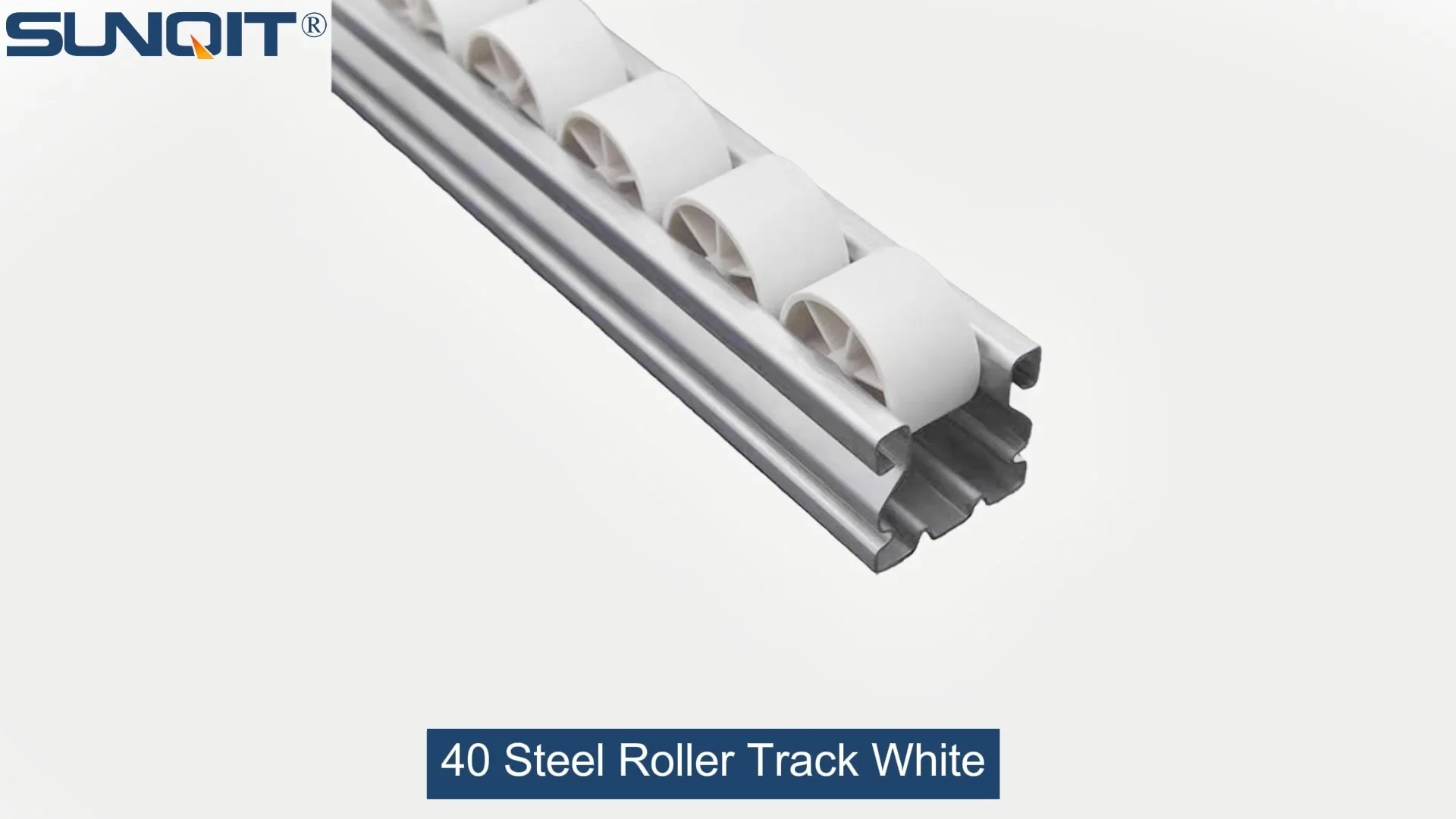
Medical workshops are places where precision and cleanliness aren't just nice-to-haves—they're absolute musts. Every surface, every piece of equipment, and every component plays a role in ensuring that medical devices are assembled safely, supplies are handled without contamination, and workflows stay efficient. One such component that often gets overlooked but is critical to daily operations is the 40 steel roller track white. Found in flow racks, conveyors, and other lean system setups, these roller tracks are workhorses, moving everything from small medical parts to larger assemblies. But if they're not kept clean, they can become breeding grounds for bacteria or cause jams that disrupt production. So, how do you keep them spotless and functional in a medical environment? Let's dive in.
What Is 40 Steel Roller Track White, and Why Does It Matter in Medical Workshops?
First, let's get clear on what we're talking about. The 40 steel roller track white is a type of roller track made from steel, coated with a white finish—often chosen for medical settings because it's easy to spot dirt and stains. These tracks are part of the lean pipe system solutions that many medical workshops rely on. They're used in flow racks to hold bins of medical supplies, in conveyors that move products through assembly lines, and even as part of lean pipe workbenches where delicate medical devices are put together.
In medical workshops, hygiene is non-negotiable. A single speck of dust or a tiny amount of debris on a roller track could contaminate a medical device, leading to serious consequences. That's why keeping these tracks clean isn't just about maintenance—it's about patient safety. Plus, clean roller tracks work more smoothly, reducing the risk of jams that can slow down production or damage sensitive parts.
Pre-Cleaning Preparation: Gather Your Tools and Take Safety First
Before you start cleaning, you need to make sure you have the right tools and take the necessary safety precautions. Here's what you'll need:
| Tool/Item | Purpose |
| Soft-bristled brush | To remove loose debris without scratching the white finish |
| Non-abrasive, medical-grade cleaner | To clean without damaging the steel or leaving harmful residues |
| Microfiber cloths | For gentle wiping and drying |
| Clean water (distilled if possible) | To rinse off cleaner |
| Disinfectant spray (medical-grade) | To kill bacteria and germs |
| Gloves (nitrile or latex) | To protect your hands and avoid cross-contamination |
| Goggles | To protect your eyes from splashes |
Safety precautions are key here. First, turn off any equipment connected to the roller tracks—you don't want the conveyor or flow rack moving while you're cleaning. Next, wear your gloves and goggles to avoid contact with cleaners or debris. If the roller track is part of a larger lean system, like a conveyor, make sure it's disconnected from power sources to prevent accidents.
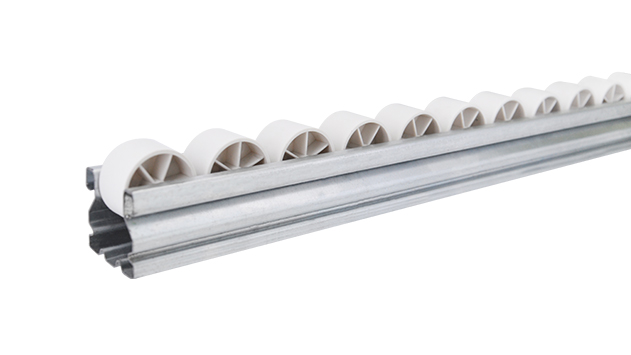
Step-by-Step Cleaning Process for 40 Steel Roller Track White
Now, let's walk through the actual cleaning steps. Follow these carefully to ensure your roller tracks are clean and safe for medical use:
Step 1: Remove Loose Debris
Start by using a soft-bristled brush to sweep away any loose dirt, dust, or small particles from the roller track. Pay special attention to the gaps between the rollers—this is where debris often hides. Gently brush back and forth, making sure not to apply too much pressure that could scratch the white surface. You can also use a microfiber cloth to wipe away any remaining loose debris.
Step 2: Apply Medical-Grade Cleaner
Next, apply a small amount of non-abrasive, medical-grade cleaner to a microfiber cloth. Avoid spraying the cleaner directly onto the roller track, as this could cause it to seep into the roller bearings and damage them. Instead, dampen the cloth with the cleaner and then wipe down the track. Make sure the cleaner is approved for use in medical environments—check the label to be sure it's non-toxic and leaves no residue.
Step 3: Scrub Gently
Using the damp cloth, scrub the roller track gently. Focus on any stained or dirty areas, but don't scrub too hard. The white finish is designed to be durable, but abrasive scrubbing can scratch it, making it harder to clean in the future and potentially harboring bacteria. For stubborn stains, you can let the cleaner sit for a minute or two before scrubbing, but don't leave it on longer than recommended by the manufacturer.
Step 4: Rinse Thoroughly
After scrubbing, use a clean, damp microfiber cloth (dampened with distilled water if possible) to rinse off the cleaner. Make sure to remove all traces of the cleaner, as any residue could contaminate medical supplies or devices. You may need to rinse the cloth several times to ensure it's clean before wiping the track again.
Step 5: Dry Completely
Drying is a crucial step. Moisture left on the steel roller track can lead to rust, which is not only unsightly but also a hygiene risk. Use a dry microfiber cloth to wipe the track thoroughly. Pay attention to the gaps between the rollers and the roller track connectors—these areas are prone to retaining moisture. If possible, let the track air dry for a few minutes after wiping to ensure it's completely dry.
Step 6: Disinfect
In medical workshops, cleaning isn't enough—you need to disinfect too. Apply a medical-grade disinfectant spray to a clean microfiber cloth and wipe down the entire roller track. Follow the instructions on the disinfectant label for contact time (how long it needs to sit on the surface to kill germs). After the contact time is up, wipe the track with a dry cloth to remove any remaining disinfectant residue.
Step 7: Inspect for Damage
Once the track is clean and dry, take a few minutes to inspect it for any damage. Look for scratches, dents, or worn-out rollers. If you notice any issues, it might be time to replace parts like the roller track connectors or the rollers themselves. A damaged track can be less efficient and more prone to harboring dirt, so addressing issues early is important.

Maintenance Tips to Keep Your Roller Tracks Clean Longer
Cleaning is important, but regular maintenance can help keep your 40 steel roller track white in top shape for longer. Here are some tips:
- Set a cleaning schedule: Depending on how often the track is used, you might need to clean it daily, weekly, or monthly. In high-traffic medical workshops, daily cleaning might be necessary. Create a schedule and stick to it.
- Avoid harsh chemicals: Never use abrasive cleaners, bleach, or ammonia on the roller track. These can damage the white finish and the steel underneath.
- Lubricate rollers (if needed): Some roller tracks require occasional lubrication to keep them moving smoothly. Check the manufacturer's instructions to see if your track needs lubrication, and use a medical-grade lubricant if so.
- Keep the area around the track clean: Dirt and debris from the surrounding area can easily get onto the roller track. Make sure the floor around the track is swept regularly, and keep bins and other items away from the track to prevent spills.
- Train staff: Make sure everyone who uses the roller track knows how to keep it clean. Teach them to wipe up spills immediately and to avoid placing dirty items on the track.

Common Mistakes to Avoid When Cleaning 40 Steel Roller Track White
Even with the best intentions, it's easy to make mistakes when cleaning roller tracks. Here are some common ones to watch out for:
- Using abrasive tools: Scrub brushes with hard bristles or steel wool can scratch the white finish, making it harder to clean and more likely to harbor bacteria.
- Ignoring hidden areas: It's easy to focus on the visible parts of the track, but the gaps between rollers and the roller track connectors are just as important. Make sure to clean these areas thoroughly.
- Not drying properly: As mentioned earlier, moisture can lead to rust. Always dry the track completely after cleaning.
- Using non-medical grade cleaners: Cleaners that aren't approved for medical use can leave harmful residues or be toxic, which is a big no-no in medical workshops.
- Cleaning while the equipment is on: This is a safety hazard. Always turn off and disconnect power before cleaning.
How Lean Solutions Support Hygiene in Medical Workshops
The 40 steel roller track white is part of a larger lean system that's designed to be efficient and easy to maintain. For medical workshops, this is a game-changer. Lean solutions like flow racks and conveyors are modular, meaning parts can be easily disassembled for thorough cleaning. This is especially important in medical environments where every nook and cranny needs to be spotless.
Companies that provide lean pipe system solutions often offer custom designs for medical workshops. These designs take into account the unique hygiene requirements of the industry, using materials that are easy to clean and maintain. For example, the white finish on the 40 steel roller track makes dirt visible, so you can catch contamination early. Plus, lean systems are built to be durable and reusable, which is not only cost-effective but also sustainable—aligning with the values of many modern medical facilities.
Whether you're using a flow rack for storing medical supplies or a conveyor for assembling devices, a well-maintained lean system helps keep your workshop clean and efficient. And when it comes to cleaning, the modular design makes it easy to access every part of the roller track, ensuring that no area is missed.
Conclusion
Keeping your 40 steel roller track white clean in a medical workshop is essential for hygiene, safety, and efficiency. By following the step-by-step cleaning process, taking the right precautions, and avoiding common mistakes, you can ensure that your roller tracks remain in top condition. Remember, regular maintenance and cleaning are key—don't wait until the track is visibly dirty to take action.
Lean solutions play a big role in supporting hygiene in medical workshops. Their modular design and easy-to-clean materials make them ideal for environments where cleanliness is paramount. So, if you're looking to upgrade your medical workshop's equipment, consider investing in a lean system that includes 40 steel roller track white—you'll be glad you did when it comes to keeping things clean and running smoothly.
In the end, a clean roller track is more than just a well-maintained piece of equipment—it's a commitment to patient safety and quality care. So roll up your sleeves, grab your cleaning tools, and give your roller tracks the attention they deserve.