- Company Articles
- Products and Technology
- Installation And Maintenance
- How to Clean 60 Aluminum Roller Track Grey: Best Practices

How to Clean 60 Aluminum Roller Track Grey: Best Practices
Related Product
60 Aluminum Roller Track Grey
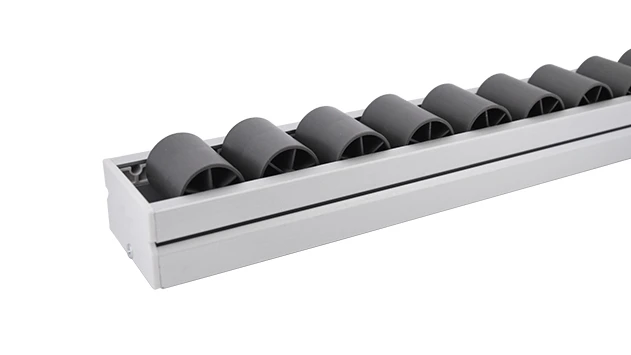
Modular system roller tracks aluminum gravity roller tracks are an excellent solution for transporting materials within industrial environments, warehouses and distribution centres.
How to Clean 60 Aluminum Roller Track Grey: Best Practices
Why Cleaning Your 60 Aluminum Roller Track Grey Matters
If you're using 60 aluminum roller track grey in your production line or warehouse, you know how crucial it is for smooth material flow. But when was the last time you gave it a proper deep clean? Let's be honest—most of us overlook this simple task until something goes wrong: parts get stuck, rollers jam, or the whole line slows down. And that's not just a minor inconvenience; it hits your bottom line hard. A dirty roller track can disrupt your lean system, make your flow rack less efficient, and even cause damage to your conveyor components over time. So today, we're breaking down the best practices to keep your 60 aluminum roller track grey in top shape, ensuring your operations run like a well-oiled machine (pun intended).
Pre-Cleaning: Gather Your Tools & Stay Safe
Before you dive into cleaning, let's get prepared. You don't need fancy equipment, but having the right tools will make the job easier and more effective. Here's what you'll need:
- Soft-bristled brush (to avoid scratching the aluminum surface)
- Mild detergent (avoid harsh chemicals that can corrode aluminum)
- Warm water (not too hot—extreme temperatures can damage the track)
- Microfiber cloths (for wiping and drying)
- Compressed air (to blow out dust from hard-to-reach areas)
- Lubricant (like silicone-based oil, suitable for aluminum)
- Gloves (to protect your hands from dirt and chemicals)
- Safety goggles (in case of flying debris when using compressed air)
Safety first! Make sure the track is disconnected from any power sources if it's part of an automated conveyor system. If it's a manual flow rack, clear all items off the track to avoid damage or accidents. Now you're ready to start cleaning.

Step-by-Step Cleaning Process for 60 Aluminum Roller Track Grey
Let's walk through each step carefully. Take your time—this isn't a rush job. A thorough clean now will save you time and money later.
Step 1: Remove Loose Debris
Start by using the soft-bristled brush to sweep away any loose dirt, dust, or small particles from the rollers and the track frame. Pay attention to the gaps between rollers and the edges of the track—these are common spots where debris accumulates. If you have compressed air, use it to blow out dust from the nooks and crannies that the brush can't reach. This step prevents dirt from getting pushed into the roller bearings during the wet cleaning phase.
Step 2: Wash the Track with Mild Detergent
Mix a small amount of mild detergent with warm water. Dip your microfiber cloth into the solution (wring it out so it's damp, not soaking wet) and wipe down the entire track—rollers, frame, and all. For stubborn stains or grease spots, gently scrub with the soft brush. Avoid using abrasive cleaners or scouring pads; they can scratch the aluminum surface, making it more prone to future dirt buildup and corrosion. Remember, 60 aluminum roller track grey is designed to be durable, but harsh chemicals can eat away at its protective coating.
Step 3: Rinse Thoroughly
After washing, rinse the track with clean warm water to remove any soap residue. Soap left behind can attract more dirt, so make sure you get every spot. Use a damp cloth (without detergent) to wipe down the track again if needed. Don't let water pool in the roller bearings—this can lead to rust or corrosion. If you notice water in the bearings, use compressed air to blow it out gently.
Step 4: Dry Completely
This is a critical step many people skip. Moisture is the enemy of aluminum roller tracks. Use a dry microfiber cloth to wipe down the entire track, including the rollers and frame. For hard-to-reach areas, use compressed air to blow dry. Make sure there's no leftover moisture before moving on to lubrication. A dry track will prevent rust and ensure the lubricant works effectively.
Step 5: Lubricate the Rollers
Once the track is dry, it's time to lubricate the rollers. Choose a silicone-based lubricant that's safe for aluminum. Apply a small amount of lubricant to each roller bearing—don't overdo it, as excess lubricant can attract dirt. Spin each roller a few times to distribute the lubricant evenly. This will keep the rollers spinning smoothly and reduce friction, which extends the life of your track and improves material flow.

Maintenance Tips to Keep Your Track in Top Shape
Cleaning is great, but regular maintenance will prevent problems before they start. Here are some tips to incorporate into your routine:
| Frequency | Task | Why It Matters |
|---|---|---|
| Daily | Quick sweep of loose debris | Prevents buildup that can jam rollers |
| Weekly | Wipe down track with dry cloth | Removes surface dust and keeps track dry |
| Monthly | Deep clean (follow steps above) | Eliminates stubborn dirt and grease |
| Quarterly | Inspect for damage (bent rollers, loose parts) | Catches issues early to avoid costly repairs |
| Semi-Annually | Re-lubricate all rollers | Maintains smooth operation and extends track life |
Also, keep an eye on the aluminum profile accessories connected to your track—like connectors or brackets. If they're loose, tighten them to ensure the track stays aligned. Misalignment can cause uneven wear on rollers and lead to jams.
Troubleshooting Common Issues
Even with regular cleaning, you might run into some problems. Let's address the most common ones:
Sticky Rollers
If rollers are sticky, it's usually due to a buildup of dirt or old lubricant. Try cleaning the rollers again with mild detergent and warm water, then re-lubricate. If that doesn't work, check if the bearings are damaged—you might need to replace them.
Rust Spots
Aluminum doesn't rust, but if there are steel components (like bearings) or if the protective coating is scratched, rust can form. Use a rust remover safe for aluminum to treat the spots, then clean and re-lubricate the area. To prevent future rust, make sure to dry the track thoroughly after cleaning and avoid using harsh chemicals.
Misaligned Track
A misaligned track can cause items to get stuck or fall off. Check the aluminum profile accessories (like brackets or connectors) to see if they're loose. Tighten them as needed. If the track is bent, you might need to replace the affected section. Regular inspections will help catch misalignment early.
How Clean Roller Tracks Boost Your Lean System Efficiency
You might be wondering, "How does cleaning a roller track relate to my lean system?" Well, a lot more than you think. Lean manufacturing is all about eliminating waste and optimizing flow. A dirty or poorly maintained 60 aluminum roller track grey creates waste—waste of time (when items get stuck), waste of resources (when you have to repair or replace parts), and waste of energy (when the conveyor has to work harder to move items).
Let's take flow racks, for example. They rely on gravity to move parts smoothly. If the rollers are dirty or sticky, parts won't slide as easily, disrupting the flow and causing bottlenecks. Similarly, conveyors with clean rollers use less energy and run more efficiently, which aligns with lean principles of sustainability and cost reduction.
And don't forget about aluminum profile accessories. Loose or dirty accessories can affect the entire system's stability. By keeping your roller track clean and well-maintained, you're ensuring that every component of your lean system works together seamlessly. This leads to faster production times, fewer errors, and happier employees (no one likes working with a jammed line!).
Conclusion: Make Cleaning a Habit
Cleaning your 60 aluminum roller track grey isn't the most exciting task, but it's one of the most important. By following these best practices—gathering the right tools, cleaning step-by-step, maintaining regularly, and troubleshooting issues—you'll keep your track running smoothly for years to come. Remember, a clean track is a productive track. It enhances your lean system, improves flow rack efficiency, and keeps your conveyor components in great shape.
So next time you walk past your 60 aluminum roller track grey, take a minute to inspect it. If it's looking a bit dusty, grab your brush and cloth. Your production line (and your wallet) will thank you. And if you ever need replacement parts or aluminum profile accessories for your track, make sure to choose a reliable supplier that understands the importance of quality components in lean systems.