- Company Articles
- Products and Technology
- Installation And Maintenance
- How to Clean Aluminum Pipe Adjustable Leveling Feet Properly

How to Clean Aluminum Pipe Adjustable Leveling Feet Properly
Related Product
Aluminum Pipe Adjustable Leveling Feet
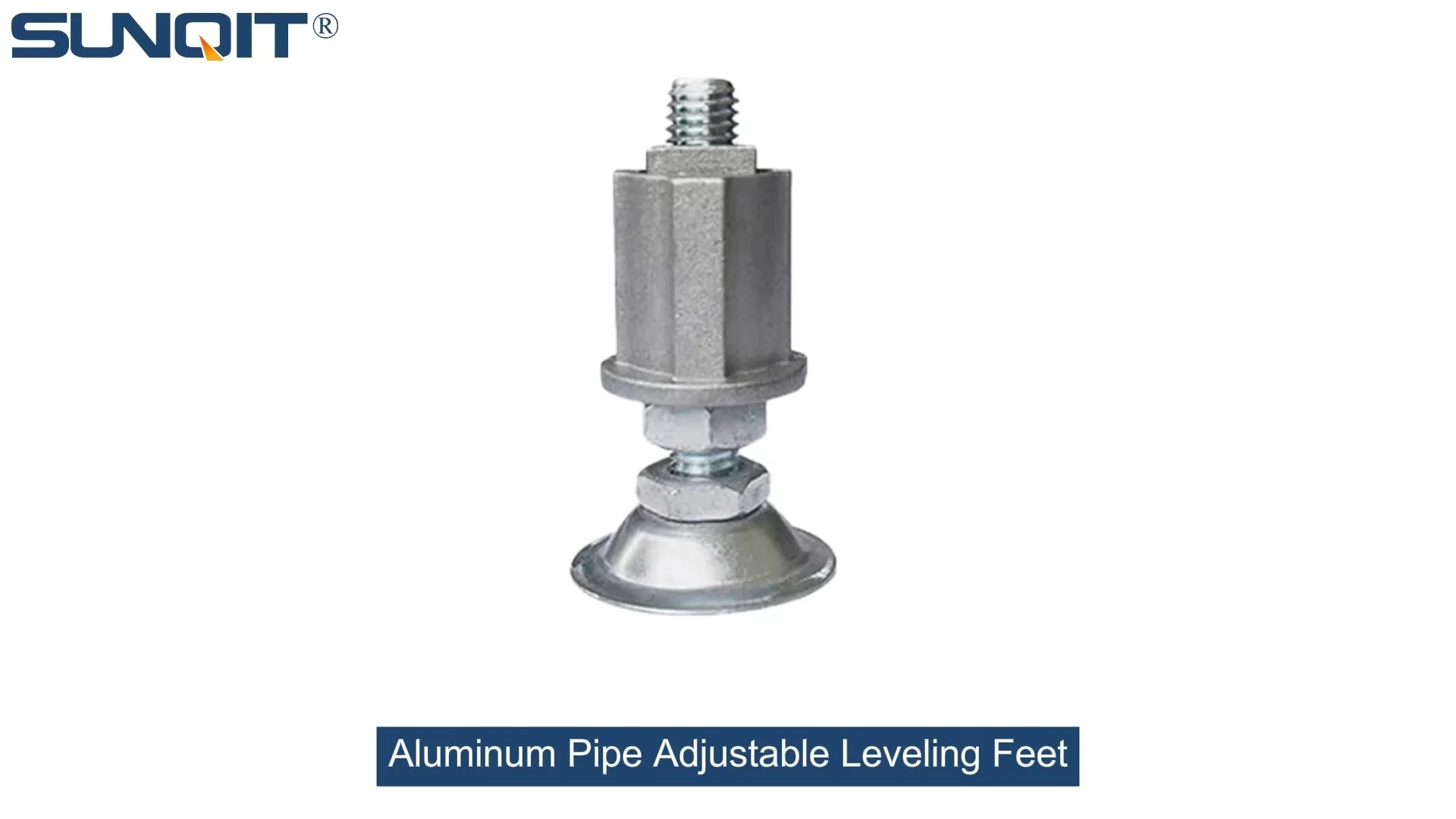
Aluminum Pipe Adjustable Leveling Feet are designed to keep machines level when placed on uneven or sloped ground. Otherwise known as adjustable equipment feet, they are available to order in a wide variety of size and load capacity combinations.
Walk into any busy workshop, manufacturing plant, or even a well-organized garage, and you'll likely spot workbenches, material racks, or assembly stations standing steady on unassuming yet crucial components: aluminum pipe adjustable leveling feet. These small but mighty parts are the unsung heroes of stability, ensuring that your workstation doesn't wobble mid-task, your material rack holds heavy loads without tipping, and your production line runs smoothly without unexpected jolts. But here's the thing—like any hardworking tool, they need a little TLC to keep performing at their best. Grime, dust, and even the occasional spill can build up over time, gumming up their threads, corroding their aluminum surfaces, or making adjustments a frustrating struggle. In this guide, we'll break down exactly how to clean and maintain these essential aluminum pipe accessories, so your workbench stays steady, your operations stay efficient, and your leveling feet last for years to come.
Why Cleaning Aluminum Pipe Adjustable Leveling Feet Isn't Just "Extra Work"
Let's start with the basics: Why bother cleaning something as "simple" as a leveling foot? After all, they're just metal and rubber, right? Wrong. Think about it—every time you adjust the height of your workbench to fit a new project, or wheel a heavy turnover trolley into place, those leveling feet are hard at work. They're exposed to dust from raw materials, oil from machinery, grease from hands, and even moisture from cleaning routines or humid environments. Over time, that buildup doesn't just look messy—it can cause real problems.
First, dirt and debris in the threads of the leveling feet can make adjustments stiff or impossible. Imagine needing to raise your workbench by half an inch to align with a conveyor, only to find the adjustment knob stuck because grit has jammed the threads. That's a production delay waiting to happen. Second, aluminum—while durable—can corrode if left in contact with moisture and grime for too long. Even a small spot of rust or oxidation can weaken the metal, making the feet less stable over time. And finally, a dirty leveling foot with a grimy rubber base might lose its grip, turning a steady workstation into a slipping hazard. In short, clean leveling feet mean smoother operations, safer workspaces, and longer-lasting equipment. So let's roll up our sleeves and get into the how-to.
Understanding Your Aluminum Pipe Adjustable Leveling Feet
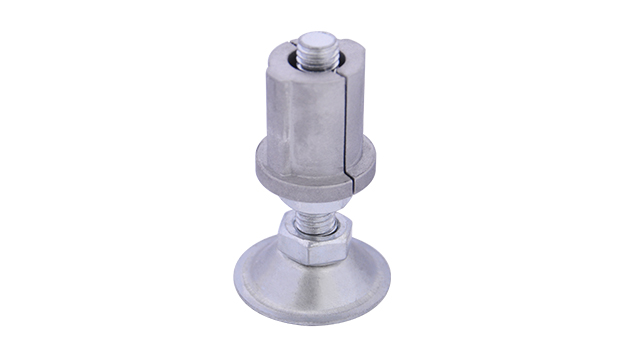
Before we dive into cleaning, let's take a quick look at what exactly we're dealing with. Aluminum pipe adjustable leveling feet are typically part of a larger system—often paired with aluminum lean pipe, aluminum profile, or aluminum extrusion profile to build workbenches, racks, or trolleys. They consist of three main parts: the aluminum pipe stem, the adjustable thread mechanism, and the base (usually rubber or plastic for grip). Some might also have small aluminum pipe accessories like lock nuts or washers to keep the height setting secure.
The aluminum pipe stem is the backbone, connecting the leveling foot to the workstation frame. It's lightweight but strong, designed to withstand the weight of tools, materials, or products. The adjustable thread mechanism is where the magic happens: a threaded section on the stem screws into a matching thread in the base, allowing you to twist the foot up or down to fine-tune height. The base, often made of anti-slip rubber, sits between the thread mechanism and the floor, absorbing vibrations and preventing scratches. Together, these parts keep your workstation balanced, even on uneven floors.
Now, why does this matter for cleaning? Because each part traps dirt differently. The threads can catch dust and oil, the base can collect hair and debris, and the junction between the aluminum stem and the base might hide moisture. Knowing where the grime hides is half the battle.
Gathering Your Cleaning Toolkit
You don't need a fancy workshop to clean aluminum pipe adjustable leveling feet—just a few household or basic workshop tools. Here's what you'll need:
- Soft-bristled brushes: A small paintbrush or toothbrush works great for dislodging dust from threads and crevices. Avoid stiff brushes—they can scratch the aluminum finish.
- Microfiber cloths: These are gentle on aluminum and won't leave lint behind. Have a few on hand—one for dry wiping, one for damp cleaning.
- Mild detergent: A squirt of dish soap or a gentle all-purpose cleaner (like diluted vinegar) is perfect. Avoid harsh chemicals like bleach or abrasive cleaners—they can corrode aluminum or damage the rubber base.
- Warm water: For mixing with detergent to create a cleaning solution.
- Toothpicks or cotton swabs: Ideal for picking out stubborn dirt from tight threads or small gaps.
- Isopropyl alcohol (optional): For tough grease or oil spots—just dab a little on a cloth and wipe gently.
- Silicone lubricant (optional): After cleaning, a tiny spritz on the threads will keep adjustments smooth. Avoid oil-based lubricants—they attract more dust.
- Bucket or bowl: To hold your cleaning solution.
Pro tip: If your leveling feet are really caked in grime (think months of workshop dust), you might also want a can of compressed air to blow out loose debris before wet cleaning. Just be sure to do this outdoors or in a well-ventilated area to avoid spreading dust everywhere.

Step-by-Step Cleaning Process
Now that you've got your tools ready, let's walk through the cleaning process. We'll break it down into easy, actionable steps to ensure you don't miss a spot.
Step 1: Prep the Workstation
First, you'll want to unload the workstation or material rack. If it's holding tools, parts, or products, move them to a temporary surface—you don't want to risk them falling while you adjust the feet. If the workstation is on casters (like a turnover trolley), lock the wheels to keep it steady. For larger setups, you might need a helper to hold the frame while you work on the feet—safety first!
Step 2: Inspect the Feet
Take a close look at each leveling foot before you start cleaning. Are there visible signs of corrosion on the aluminum stem? Is the rubber base cracked or worn? Are the threads gunked up with oil or dust? Note any issues—this will help you focus your cleaning efforts. For example, a foot with corroded threads might need extra care, while one with a dusty base can be tackled with a quick brush.
Step 3: Dry Cleaning First
Start with dry cleaning to remove loose debris. Take your soft-bristled brush and gently scrub the aluminum stem, focusing on the threads. Brush in the direction of the threads (up and down) to dislodge dust—scrubbing sideways might push dirt deeper into the grooves. Next, brush the base, paying attention to the edges where it meets the floor. If you have compressed air, give the threads and base a quick blast to blow out any remaining loose dirt. This step prevents you from turning dry dust into mud when you add water later.
Step 4: Wet Cleaning the Aluminum and Base
Now it's time for a deeper clean. Mix a few drops of mild detergent with warm water in your bucket or bowl—you want a soapy solution, not a foam party. Dip your microfiber cloth into the solution, wring it out well (you don't want dripping water), and wipe down the aluminum stem. Move in gentle circles to lift oil or grease, then wipe with a dry microfiber cloth to prevent water spots. For the rubber base, wipe it thoroughly to remove grime, paying attention to the anti-slip texture—this is where most of the floor dirt hides.
Pro tip: If there's a stubborn oil spot on the aluminum stem, dampen a corner of your cloth with isopropyl alcohol and gently rub the spot. Alcohol evaporates quickly, so it won't leave moisture behind to cause corrosion.
Step 5: Cleaning the Threads (The Most Important Part!)
The threads are the heart of the leveling foot—if they're dirty, adjusting the height will be a chore. Take a toothpick or cotton swab and gently run it along the threads. Twist the swab as you go to pick up dirt and oil. If the threads are really clogged, you can dip the toothpick in your soapy solution (just a little!) to help break up grime. Be patient—this might take a minute per foot, but it's worth it. Once the threads are clean, wipe them with a dry microfiber cloth to remove any leftover debris.
Step 6: Drying Thoroughly
Aluminum loves moisture, but not in a good way—left wet, it can develop white spots (oxidation) or even corrosion over time. After cleaning, dry each foot completely. Use a dry microfiber cloth to wipe down the stem, threads, and base. If you have time, let the feet air-dry for 10–15 minutes before moving on—this ensures no hidden moisture is trapped in the threads or under the base.
Step 7: Lubricating (Optional but Recommended)
Once everything is dry, a light lubricant will keep the threads moving smoothly. Grab your silicone lubricant (avoid oil-based products—they attract dust) and spray a tiny amount onto the threads. Twist the foot up and down a few times to spread the lubricant evenly. Wipe off any excess with a dry cloth—you don't want a greasy residue that will collect dirt later. This step is especially helpful if you noticed the feet were stiff during inspection.
Step 8: Reassemble and Test
Now it's time to put everything back together. If you had to remove the feet from the workstation (unlikely for most cleaning, but possible for deep cleans), reattach them and tighten any lock nuts. Adjust each foot to the desired height, then test the workstation for stability. Push gently on different corners—if it wobbles, tweak the feet until it's steady. Finally, reload your tools or materials, and you're good to go!

Cleaning Solutions for Different Grime Types
| Grime Type | Tools Needed | Cleaning Solution | Notes |
|---|---|---|---|
| Dry dust and dirt | Soft brush, compressed air | N/A (dry cleaning) | Brush in the direction of threads to avoid pushing dirt deeper. |
| Oil and grease | Microfiber cloth, toothpick | Mild detergent + warm water, or isopropyl alcohol | Alcohol works best for thick grease—test on a small area first. |
| Moisture spots (light oxidation) | Microfiber cloth | Diluted white vinegar (1:1 with water) | Wipe gently—vinegar dissolves oxidation but don't leave it on too long (1 minute max). |
| Debris in rubber base | Soft brush, toothpick | Soapy water | Use the toothpick to pick out hair or string from anti-slip grooves. |
Keeping Your Leveling Feet Clean Long-Term
Cleaning once is great, but regular maintenance will keep your aluminum pipe adjustable leveling feet in top shape for years. Here are a few easy habits to adopt:
- Weekly quick clean: Spend 2 minutes per workstation brushing off the feet with a dry brush. This prevents dust buildup and makes deep cleaning easier.
- Monthly deep clean: Do a full cleaning (steps 3–7 above) once a month, or more often if the workstation is in a dusty or oily environment (like a machine shop).
- Check for wear: During your monthly clean, inspect the rubber base for cracks or flattening—if it's worn, replace it! A worn base won't grip the floor, making the workstation unstable.
- Keep the area around the workstation clean: Sweep or vacuum the floor under the workstation regularly. Less floor dirt means less dirt on the feet.
- Avoid harsh chemicals: If you're mopping the workshop floor, use a mild cleaner—strong floor chemicals can damage the rubber base or corrode aluminum over time.
Troubleshooting Common Issues
Even with regular cleaning, you might run into a few hiccups. Here's how to fix them:
Stiff threads that won't adjust
If the foot is hard to twist, the threads are probably still dirty. Repeat the thread cleaning step with a toothpick and soapy water, then apply a little silicone lubricant. If it's still stiff, check for rust—if you see brown spots, gently scrub with a paste of baking soda and water (baking soda is mild and won't scratch aluminum), then rinse and dry.
White spots on the aluminum stem
These are likely oxidation (aluminum's version of rust). Mix equal parts water and white vinegar, dip a cloth in the solution, and gently rub the spots. The vinegar will dissolve the oxidation—wipe immediately with a dry cloth to prevent further reaction.
Wobbly workstation even after cleaning
If the feet are clean but the workstation still wobbles, the floor might be uneven, or the base might be worn. Try adjusting the feet again, or replace the rubber base if it's cracked or flattened. You can find replacement bases at most hardware stores or from your aluminum pipe supplier.
Final Thoughts: Small Steps for Big Results
Cleaning aluminum pipe adjustable leveling feet might seem like a small task, but it's one that pays off in big ways. A little time spent brushing threads, wiping bases, and drying thoroughly will keep your workstations stable, your adjustments smooth, and your aluminum parts corrosion-free. Whether you're a hobbyist with a garage workbench or a production manager overseeing a line of material racks, these simple steps will help your equipment last longer and work better—so you can focus on the tasks that matter, not on wobbly workstations.
Remember: Your aluminum pipe adjustable leveling feet are the foundation of your workspace. Treat them well, and they'll keep supporting you for years to come.