- Company Articles
- Products and Technology
- Installation And Maintenance
- How to Clean & Maintain 3030 Aluminum Profile End Caps: Care Guide

How to Clean & Maintain 3030 Aluminum Profile End Caps: Care Guide
Related Product
3030 Aluminum Profile End Cap
The aluminum profile end cap adds a finishing touch to your project and closes off profile ends to limit dust and debris buildup, also it can avaid some scratch for material and labor during the assemble work.
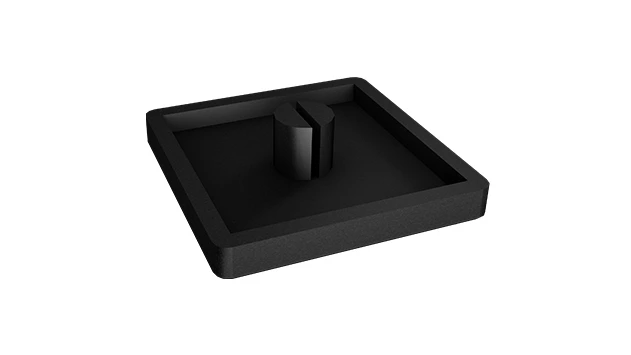
If you work with aluminum profiles—whether in a workshop, factory, or even a home DIY project—you've probably encountered the unsung hero of these structures: the end cap. Specifically, the 3030 aluminum profile end cap might seem like a small detail, but it plays a big role in protecting your aluminum profiles from dust, moisture, and damage. Think about it: without a properly fitted end cap, the open ends of your aluminum profile could collect debris, corrode from water exposure, or even become a safety hazard with sharp edges. And since aluminum profiles are the backbone of so many essential tools—from workbenches to material racks—keeping their end caps in top shape is key to ensuring everything runs smoothly.
In this guide, we're diving deep into how to clean and maintain your 3030 aluminum profile end caps. We'll cover everything from daily care routines to troubleshooting common issues, and even share a handy table to help you choose the best cleaning agents. Whether you're a seasoned manufacturer relying on aluminum profile accessories for production lines or a hobbyist building a custom shelf, this guide will help you extend the life of your end caps and, by extension, your entire aluminum profile setup.
Why 3030 Aluminum Profile End Caps Deserve Your Attention
Before we jump into the "how," let's talk about the "why." Aluminum profiles are prized for their strength, lightweight design, and resistance to corrosion—but they're not invincible. The ends of these profiles, where the 3030 aluminum profile end cap sits, are particularly vulnerable. Without protection, dust and dirt can settle inside the hollow profile, making it harder to clean over time and even clogging internal channels if you're using the profile for wiring or fluid flow. Moisture is another enemy: while aluminum naturally forms a protective oxide layer, standing water inside an uncovered profile can still lead to pitting or discoloration, especially in humid environments.
Then there's the matter of safety and aesthetics. A loose or cracked end cap can leave sharp edges exposed, risking scrapes or cuts. And let's be honest—scratched, discolored, or missing end caps make even the sturdiest aluminum profile setup look unprofessional. For businesses, that can affect client perception; for home users, it just takes away from the pride of a well-built project. Simply put, maintaining your end caps is a small effort that pays off in durability, safety, and appearance.
Step-by-Step Guide to Cleaning 3030 Aluminum Profile End Caps
Cleaning your end caps isn't complicated, but doing it right ensures you don't accidentally damage them or the aluminum profile itself. Let's break it down into easy-to-follow steps.
1. Gather Your Supplies
First, round up what you'll need. You don't need anything fancy—most supplies are probably already in your cleaning closet:
- Microfiber cloths (soft, non-abrasive—avoid paper towels, which can scratch)
- Soft-bristled brush (an old toothbrush works great for tight spots)
- Bucket of warm water
- Mild dish soap (unscented is best to avoid residue)
- Isopropyl alcohol (70% concentration, for tougher grease or grime)
- Gloves (optional, but helpful if using alcohol or if your hands are sensitive)
- Cotton swabs (for crevices in the end cap design)
Pro tip: Avoid abrasive tools like steel wool, scouring pads, or harsh chemicals (bleach, ammonia, or industrial cleaners) at all costs. These can scratch the end cap's surface or react with the aluminum profile, causing discoloration or corrosion.
2. Prepare the Area
Before you start cleaning, clear the space around the aluminum profile. If the profile is part of a larger structure (like a workbench or material rack), remove any items resting on or near the end cap to avoid getting them wet or dirty. If the end cap is on a vertical section (like a rack post), place a small towel or drop cloth underneath to catch drips—this is especially important if the floor is sensitive to water.
Take a moment to inspect the end cap before cleaning. Note any cracks, chips, or looseness—we'll address those in the maintenance section later. For now, just make a mental note so you don't miss them during cleaning.
3. Remove Loose Debris
Start by gently brushing away any loose dirt, dust, or cobwebs from the end cap and the surrounding area of the aluminum profile. Use the soft-bristled brush to reach into any grooves or decorative edges on the end cap—these are common spots for debris to hide. If there's stubborn lint or hair, a quick blast of compressed air (if you have it) can help dislodge it, but a dry microfiber cloth works too. The goal here is to remove anything that might scratch the end cap when you start wiping with a wet cloth.
4. Choose Your Cleaning Solution
Most of the time, plain warm water is enough for light dirt. For slightly grittier spots or fingerprints, add a drop or two of mild dish soap to your bucket and mix until suds form (you don't need a lot—too much soap can leave a residue). For greasy or oily buildup (common in workshop settings where machine oil or lubricants might splash), dampen a corner of your microfiber cloth with isopropyl alcohol—this cuts through grease without harming the end cap or aluminum profile.
You might be wondering: Can I use vinegar? While vinegar is a natural cleaner, it's acidic and can etch aluminum over time, especially with repeated use. It's best to stick to the safer options above unless you're dealing with heavy oxidation (we'll cover that in troubleshooting).
5. Clean the End Cap Gently
Dip your microfiber cloth into the cleaning solution (or water) and wring it out well—you want it damp, not soaking wet. Excess water can seep into the gap between the end cap and the aluminum profile, which might lead to moisture buildup inside. Starting at the top of the end cap (if vertical) or one edge (if horizontal), wipe in gentle, circular motions or along the length of the profile—whichever feels more natural. Pay extra attention to any raised edges or logos on the end cap, as these can trap dirt.
For tight spots, like the crevice where the end cap meets the aluminum profile, use a cotton swab dampened with your cleaning solution. Gently run the swab along the seam to dislodge any trapped dirt. If you're using isopropyl alcohol for grease, use a separate cloth to avoid mixing soap and alcohol, and work in small sections—alcohol evaporates quickly, so you'll want to wipe it dry immediately after application.
6. Dry Thoroughly
As soon as you finish cleaning, grab a dry microfiber cloth and wipe the end cap and surrounding area until completely dry. Don't skip this step! Even if the end cap feels "mostly dry," water spots can form as moisture evaporates, leaving behind mineral deposits (especially if your tap water is hard). For extra shine, you can buff the end cap with a clean, dry cloth in a circular motion—this helps remove any remaining streaks and brings out the end cap's finish.
7. Inspect Again
Now that the end cap is clean and dry, take another look. Did you miss any spots? Is the end cap sitting flush with the aluminum profile, or does it wiggle slightly? Are there any new scratches or discoloration you didn't notice before? Jot down any issues—this is the perfect time to address them, before they get worse.

Essential Maintenance Habits for Long-Lasting End Caps
Cleaning is just one part of caring for your 3030 aluminum profile end caps. Regular maintenance ensures they stay functional and looking good for years. Here's what you need to do:
1. Schedule Regular Visual Checks
Make it a habit to inspect your end caps at least once a week, especially if they're on equipment that gets heavy use (like a workbench in a busy workshop). A quick 30-second check can catch problems early. Look for:
- Looseness: Gently wiggle the end cap with your finger—if it moves more than a millimeter or two, it might need to be resecured.
- Cracks or Chips: Even small cracks can grow over time, especially if the profile is bumped or vibrated regularly.
- Discoloration: Yellowing, dark spots, or white powdery residue (oxidation) can indicate exposure to harsh conditions.
- Debris Buildup: If dirt is accumulating faster than usual, maybe the area needs more frequent cleaning or there's a leak nearby causing moisture.
For profiles used in industrial settings (like conveyor systems or production lines), consider adding these checks to your daily equipment inspection routine—they're quick and can prevent costly downtime later.
2. Tighten (or replace) Loose End Caps
Most 3030 aluminum profile end caps are press-fit, meaning they're designed to snap into place without screws. If yours is loose, it might just need a gentle push to re-seat it. Place your thumb on the center of the end cap and apply even pressure until you hear a soft "click"—that means it's back in place. If it won't stay put, the end cap might be worn (the plastic or rubber could have stretched) or the inside of the aluminum profile might be dirty or damaged.
If the end cap is screw-on (less common, but some heavy-duty designs use this), check the screws for tightness. Use a screwdriver that fits the head exactly (slotted, Phillips, or hex) to avoid stripping the screw. Tighten just until snug—over-tightening can crack the end cap or strip the threads in the aluminum profile.
3. Protect Against Corrosion and Wear
Aluminum profiles are corrosion-resistant, but the end caps (often made of plastic, rubber, or coated metal) can still degrade over time, especially in harsh environments. Here's how to protect them:
- Control the Environment: If possible, keep aluminum profile setups away from direct rain, high humidity, or chemical fumes. For outdoor use (like patio furniture made with aluminum profiles), look for end caps specifically labeled "weather-resistant" and consider applying a UV protectant spray (like those used for plastic outdoor furniture) once a year to prevent fading and brittleness.
- Avoid Impact: Bumping the end cap against hard surfaces (like when moving equipment) is a common cause of cracks. Add corner guards or padding if the profile is in a high-traffic area, or simply be mindful when moving tools or materials nearby.
- Use Compatible Cleaners: As we mentioned earlier, harsh chemicals can eat away at end cap materials. Stick to mild soap and water for regular cleaning, and test any new cleaner on an inconspicuous area first (like the back of a spare end cap) to check for discoloration.
4. Know When to replace End Caps
Even with perfect care, end caps won't last forever. Here are signs it's time to swap in a new one:
- Visible Damage: Cracks, deep chips, or missing pieces that can't be repaired.
- Permanent Looseness: If the end cap falls off repeatedly, even after re-seating, the fit is compromised.
- Severe Discoloration: Yellowing or staining that won't come off with cleaning, especially if it's affecting the profile's appearance.
- Warping: Heat or prolonged pressure can cause plastic end caps to warp, making them no longer fit flush with the profile.
When replacing, always buy end caps designed for 3030 aluminum profiles—size matters! Using a generic end cap might not fit properly, leaving gaps that let in debris. You can find replacements from aluminum profile suppliers or hardware stores that specialize in industrial supplies. And keep a few spares on hand—nothing's worse than needing a new end cap and having to wait for shipping!

Troubleshooting Common 3030 Aluminum Profile End Cap Issues
Even with regular care, you might run into problems with your end caps. Here's how to tackle the most common ones:
Problem 1: End Cap Won't Come Off (Stuck)
If you need to remove a stuck end cap (to clean inside the profile or replace it), don't yank or pry hard—you could damage the aluminum profile. Try these steps instead:
- Warm It Up: For plastic end caps, a hair dryer on low heat can soften the material slightly, making it easier to remove. Hold the dryer 6–8 inches from the end cap for 10–15 seconds, then try gently twisting and pulling.
- Use a Plastic Spudger: A plastic pry tool (or even a credit card wrapped in cloth to avoid scratching) can help loosen the edge. insert the spudger into the seam between the end cap and profile, then gently lever it outward—work your way around the cap to avoid bending it.
- Clean the Seam First: Sometimes debris acts like glue, holding the end cap in place. Use a cotton swab dampened with isopropyl alcohol to clean the seam, then try removing again.
Problem 2: White Powdery Residue (Oxidation)
If you notice a white, chalky substance on the aluminum profile near the end cap, that's oxidation—aluminum's natural reaction to moisture and air. While it's not harmful, it can spread if left untreated. To remove it:
- Make a paste with equal parts water and baking soda.
- Dampen a microfiber cloth with water, then dip it into the paste.
- Gently rub the oxidized area in small circles—don't scrub hard, as baking soda is slightly abrasive.
- Wipe clean with a damp cloth, then dry immediately.
After removing oxidation, apply a thin coat of car wax (non-abrasive) to the profile end to help prevent future buildup. Avoid getting wax on the end cap itself, though—some plastics can react to wax.
Problem 3: Discolored or Yellowed End Caps
Plastic end caps can yellow over time, especially if exposed to sunlight or heat. For mild yellowing, try cleaning with a paste of baking soda and water (as above)—the mild abrasiveness can help lift stains. For tougher cases, mix one part hydrogen peroxide with two parts water, apply to the end cap with a cloth, and let sit for 10–15 minutes (test on a hidden spot first!). Rinse and dry thoroughly. Note: This works best on white or light-colored end caps—avoid using on dark colors, as it might lighten them unevenly.
Problem 4: End Cap Cracks from Impact
Small cracks might seem minor, but they can let in moisture and dirt. For temporary fixes (if you're waiting for a replacement), clean the crack with isopropyl alcohol, then apply a small amount of clear epoxy glue. Let it dry completely (follow the glue's instructions) and sand lightly if needed to smooth the surface. This won't make the end cap as strong as new, but it'll keep debris out until you can replace it.
Cleaning Agents Comparison Table
| Cleaning Agent | Best For | Pros | Cons | Application Tips |
|---|---|---|---|---|
| Warm Water | Light dust, fingerprints | Readily available, no chemicals, safe for all end cap materials | Not effective for grease or heavy dirt | Use a damp (not wet) cloth; dry immediately |
| Mild Dish Soap & Water | Moderate dirt, food residue, light oil | Gentle, removes grime without harsh chemicals | Can leave residue if not rinsed well | Use 1–2 drops per liter of water; wring cloth thoroughly |
| Isopropyl Alcohol (70%) | Grease, oil, adhesive residue | Cuts through grease quickly, evaporates fast (less water risk) | Can dry out rubber end caps over time; flammable | Use in well-ventilated area; avoid prolonged contact with rubber |
| Baking Soda Paste (Water + Baking Soda) | Oxidation stains, mild discoloration | Natural, abrasive enough to lift stains but gentle on aluminum | Can scratch plastic if scrubbed too hard | Apply with soft cloth, rub gently, rinse immediately |
Final Thoughts: Small Part, Big Impact
At the end of the day, 3030 aluminum profile end caps might seem like a tiny detail in the grand scheme of your workshop, factory, or DIY project. But as we've explored, they're crucial for protecting your aluminum profiles, maintaining safety, and keeping everything looking professional. By following these cleaning and maintenance tips—from gentle wiping to knowing when to replace—you'll ensure your end caps (and the profiles they protect) last for years to come.
Remember, aluminum profiles are an investment—whether you're using them for a simple workbench or a complex production system. Taking care of the small parts, like end caps, is part of getting the most out of that investment. And with the right habits, it's easy to do—no special tools or expertise required. So grab your microfiber cloth, schedule those quick checks, and give your end caps the attention they deserve. Your aluminum profiles (and your future self) will thank you!