- Company Articles
- Products and Technology
- Installation And Maintenance
- How to Clean & Maintain 40 Aluminum Roller Track Grey for Peak Performance

How to Clean & Maintain 40 Aluminum Roller Track Grey for Peak Performance
Related Product
40 Aluminum Roller Track Grey
Durable and smooth-running modular roller rails. The system is fully assembled. The roller rail profile contains plastic rollers mounted on steel axles. Aluminum frame with plastic wheel make it anti corrosion,and material convey more smooth.
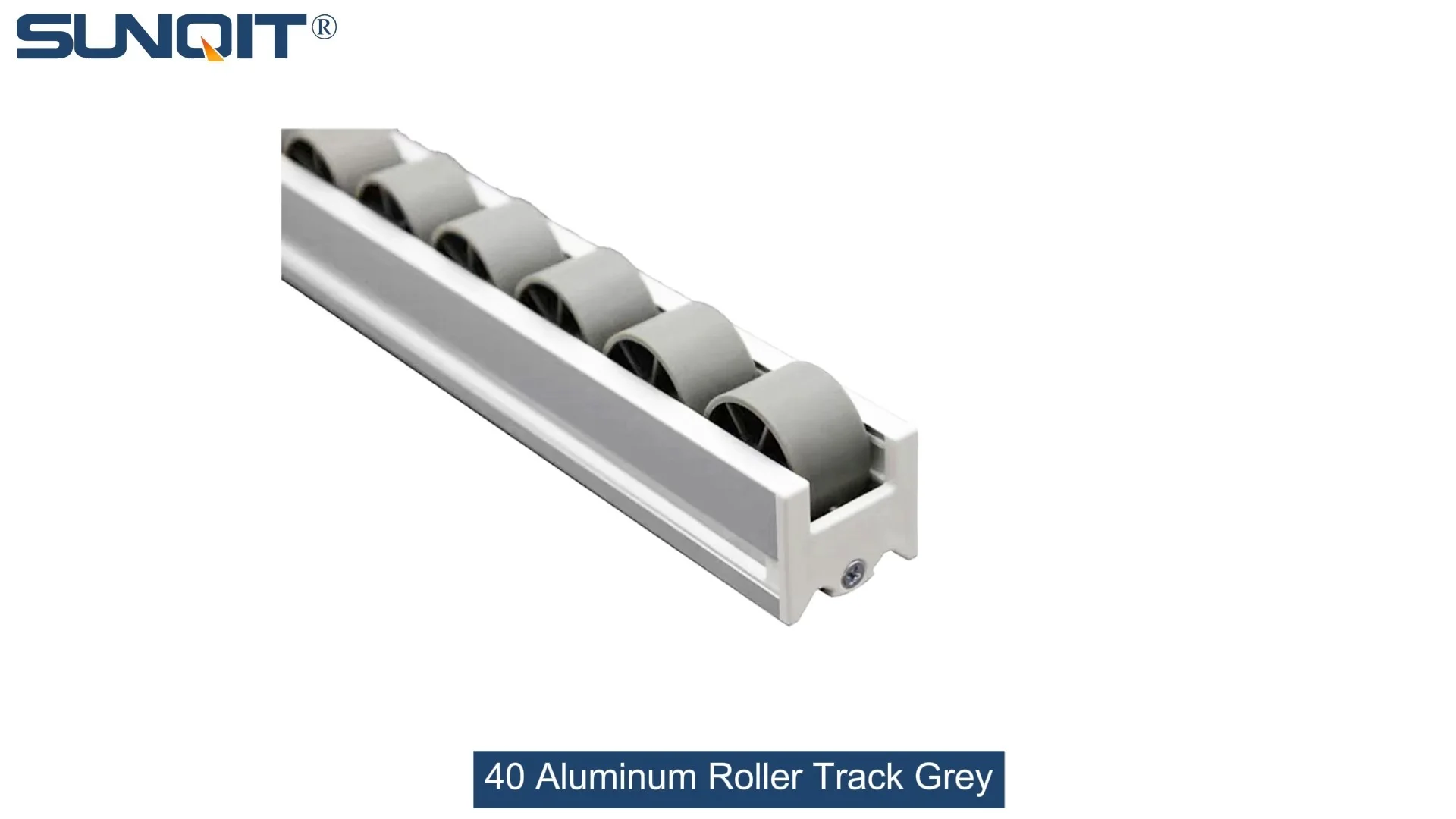
In the hustle of a busy production floor, where every second counts and workflows hum with precision, there's a quiet workhorse that keeps things moving: the 40 aluminum roller track grey. Sleek, durable, and designed to withstand the demands of daily use, this unassuming component is the backbone of countless assembly lines, warehouses, and material handling systems. Yet, like any hardworking tool, it thrives on care—and suffers when neglected. A jammed roller, a sticky track, or a corroded bracket can bring even the most streamlined operation to a grinding halt, disrupting timelines, frustrating teams, and eroding the efficiency that defines a well-run lean system . The good news? With the right cleaning and maintenance routine, you can keep your 40 aluminum roller track grey performing at its best for years, ensuring smooth material flow, reducing downtime, and protecting your investment. Let's dive into the how-to.
Why Maintenance Matters: Beyond "Just Keeping It Clean"
Before we roll up our sleeves, let's talk about why this matters. The 40 aluminum roller track grey isn't just a piece of equipment—it's a critical link in your operational chain. When it works, you barely notice it. When it doesn't? Suddenly, pallets get stuck, parts pile up, and your team is forced to waste time troubleshooting instead of producing. Over time, neglect can lead to bigger issues: worn rollers that damage products, loose brackets that compromise safety, or even warped tracks that require costly replacements. Proper maintenance, on the other hand, does more than extend the track's lifespan. It ensures consistent performance, which is the cornerstone of a lean system —minimizing waste, maximizing productivity, and keeping your team focused on what they do best.
Plus, let's not overlook the material itself. The 40 aluminum roller track grey is crafted from high-grade aluminum profile , chosen for its strength-to-weight ratio, resistance to rust, and smooth surface finish. But aluminum, while durable, isn't invincible. Dust, debris, and even the oils from human hands can degrade its performance over time. The grey coating, which protects the aluminum and reduces friction, is especially vulnerable to harsh chemicals or abrasive tools. So, caring for your track isn't just about mechanics—it's about preserving the material that makes it reliable in the first place.
Cleaning 101: Keeping Your Track Spotless
Cleaning might seem like a no-brainer, but there's a right way and a wrong way to do it—especially with aluminum. The goal? Remove dirt, debris, and grime without scratching the surface or damaging the grey coating. Let's break it down into daily, weekly, and monthly routines.
Daily Cleaning: Quick Wins for Busy Days
On a typical day, your 40 aluminum roller track grey collects more than just dust. Bits of packaging, loose screws, or even spilled liquids can find their way into the rollers or crevices, gumming up the works. A 5-minute daily clean prevents these small issues from becoming big problems.
Tools you'll need: A soft-bristled brush (a small paintbrush or clean makeup brush works well), a microfiber cloth, and a can of compressed air (optional, but handy for tight spots).
Step-by-step:
- Power down the system: Safety first! If your roller track is motorized, turn off the power to avoid accidental movement while cleaning.
- Brush away loose debris: Use the soft brush to sweep along the track's length, focusing on the gaps between rollers and around brackets. This dislodges dirt, dust, and small particles that could jam rollers.
- Wipe the surface: Dampen the microfiber cloth with warm water (no soap unless there's sticky residue) and gently wipe the track's frame and rollers. The microfiber will trap dust without scratching the grey coating.
- Target tight spots: If debris is stuck in roller axles or bracket joints, use compressed air to blow it out. Hold the can 6–8 inches away to avoid damaging delicate parts.
Weekly Deep Clean: Tackling Hidden Grime
Daily cleaning handles the obvious stuff, but weekly deep cleaning gets into the nooks and crannies where grime builds up over time—like oil residues, sticky spills, or stubborn dust that's settled into the track's edges.
Tools you'll need: Mild dish soap (unscented, no abrasives), a soft sponge, a toothbrush (for detail work), and a clean towel for drying.
Step-by-step:
- Mix a gentle cleaning solution: Add a drop of mild dish soap to a bucket of warm water. Avoid harsh chemicals like bleach or ammonia—they can strip the grey coating or corrode the aluminum profile .
- Scrub gently: Dip the sponge in the soapy water, wring it out well (you don't want excess moisture), and wipe the track's frame, rollers, and brackets. For sticky spots (like dried glue or oil), use the toothbrush to scrub lightly—too much pressure can scratch the aluminum.
- Rinse and dry: Dampen a clean microfiber cloth with plain water and wipe away soap residue. Then, use a dry towel to thoroughly dry the track, paying extra attention to roller axles and joints—moisture here can lead to rust or corrosion.
- Check for residue: Run your hand along the track; it should feel smooth and dry. If there's a sticky film, repeat the rinse step.

Maintenance: Keeping Your Track in Tip-Top Shape
Cleaning removes dirt, but maintenance ensures every part of your 40 aluminum roller track grey works as it should—from rollers spinning freely to brackets staying tight. Think of it as giving your track a "tune-up" to prevent breakdowns.
Inspection: The Foundation of Maintenance
Start with a thorough inspection—ideally, but at minimum. Walk the length of the track and look for signs of wear, damage, or looseness. Here's what to check:
- Rollers: Spin each roller by hand. They should rotate smoothly with no grinding or resistance. If a roller sticks, it may need lubrication or replacement.
- Brackets and joints: Tug gently on brackets and roller track accessories like connectors or end supports. They should feel secure—no wobbling or movement. Loose parts can misalign the track over time.
- Track alignment: Stand at one end of the track and look down its length. The track should be straight, with rollers evenly spaced. A bent or misaligned track can cause products to veer off course.
- Coating condition: Check the grey coating for chips, scratches, or peeling. Exposed aluminum is prone to corrosion, so touch up small chips with a matching paint pen (available at hardware stores).
Lubrication: Keeping Rollers Rolling
Even the best rollers need a little help to spin freely. Over time, dust and friction can dry out roller axles, leading to squeaking or sticking. Lubrication keeps things moving smoothly—but choose the right product!
Best lubricants: Silicone-based spray lubricant or light machine oil (like 3-in-1 Oil). Avoid heavy greases—they attract dust and gum up rollers. For ESD (electrostatic discharge) environments, use ESD-safe lubricants to prevent static buildup.
How to apply:
- Wipe roller axles clean with a dry cloth to remove old lubricant and debris.
- Apply a small drop of lubricant to each axle (a little goes a long way!).
- Spin the roller by hand to distribute the lubricant evenly.
- Wipe away excess lubricant with a cloth to prevent dust adhesion.
Pro tip: Lubricate monthly, or more often if the track is used in dusty or high-humidity environments.
Tightening Loose Parts: Preventing Misalignment
Vibration from daily use can loosen screws, bolts, and brackets over time. Left unchecked, this leads to track misalignment, wobbly rollers, and even safety hazards. Make tightening a monthly habit:
Tools needed: Phillips-head screwdriver, adjustable wrench, or hex key (depending on your track's fasteners).
Focus areas:
- Roller axle bolts
- Bracket mounting screws
- End supports and stop brackets
- Connectors linking track sections
Tighten fasteners until they're snug, but don't over-tighten—aluminum is softer than steel, and stripping threads will only create more work later!

Troubleshooting Common Issues: Fixing Problems Before They Escalate
Even with regular care, issues can pop up. The key is to spot them early and address them fast. Here's a handy guide to common problems and solutions:
| Issue | Probable Cause | Solution |
|---|---|---|
| Rollers squeaking or not spinning | Dry axles or debris buildup | Clean axles with compressed air, then lubricate with silicone spray. |
| Track is bent or misaligned | Heavy impact or loose brackets | Loosen brackets, gently straighten the track, then retighten. replace bent sections if damage is severe. |
| Products get stuck on the track | Uneven rollers or debris in the path | Check for debris; replace any rollers that don't spin freely. Ensure track is level. |
| Grey coating peeling | Harsh chemicals or abrasion | Touch up with matching paint; avoid abrasive cleaners in the future. |
| Brackets wobbling | Loose screws or worn threads | Tighten screws; if threads are stripped, replace the bracket or use a larger screw (if possible). |

Long-Term Care: Protecting Your Investment
Your 40 aluminum roller track grey is built to last, but a few extra steps can extend its life even further. Here's how to keep it in peak condition for years:
Train Your Team: Everyone's a Caretaker
A lean system thrives on accountability—and that includes equipment care. Train your team to spot issues early: teach them to report squeaky rollers, loose brackets, or debris buildup. Even a quick "Hey, the track is sticking today" can prevent a breakdown tomorrow.
Store Spare Parts Smartly
Nothing kills productivity like waiting for replacement parts. Keep a small inventory of critical roller track accessories on hand: extra rollers, brackets, screws, and lubricant. Store them in a dry, labeled container so they're easy to find when needed.
Adjust for Usage Changes
If your operation starts handling heavier loads or running longer hours, your track will face new stresses. Increase inspection frequency, tighten brackets more often, and consider upgrading to heavy-duty rollers if needed. Adapting to change keeps your track working as hard as you do.
Seasonal Checks: Weather-Proofing
Humidity, temperature swings, and even seasonal dust (like from facility cleaning or outdoor air intake) can affect your track. In humid months, check for corrosion and dry lubricants more often. In dry, dusty seasons, step up daily brushing to keep particles out of rollers.
Final Thoughts: Consistency Is Key
The 40 aluminum roller track grey might not be the star of your production line, but it's the unsung hero that keeps things moving. By making cleaning and maintenance a regular habit—whether it's a 5-minute daily wipe-down or a monthly deep dive—you'll protect your investment, reduce downtime, and keep your lean system running like clockwork. Remember: a little care today prevents a lot of headaches tomorrow. So grab that brush, check those rollers, and let your track shine—grey coating and all.