- Company Articles
- Products and Technology
- Installation And Maintenance
- How to Clean & Maintain 4040C EU Standard Aluminum Profile: Longevity Tips

How to Clean & Maintain 4040C EU Standard Aluminum Profile: Longevity Tips
Related Product
4040C EU Standard Aluminum Profile
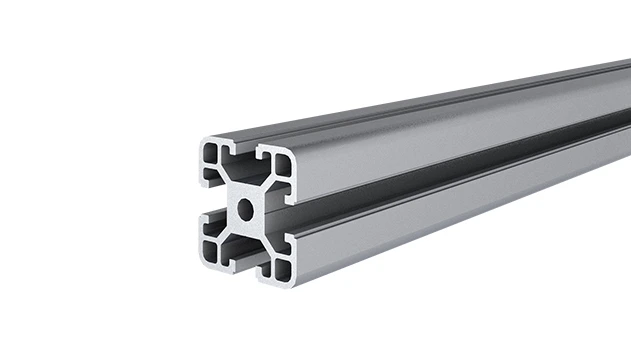
4040C is a 4.00x4.00 CM fractional 40 series square extrusion T-slot profile with four open T-slots, each side with 4.00cm face. The profile has align-a-grooves to assist in aligning connecting profiles.
Your go-to guide for keeping your aluminum extrusion profiles in top shape—because a little care today saves big headaches tomorrow.
Why 4040C Aluminum Profiles Deserve Your Attention
If you've spent any time in a workshop, factory, or even a modern office, chances are you've seen 4040C EU standard aluminum profile hard at work. These sleek, versatile structures are the unsung heroes of countless setups: think sturdy workbenches that hold heavy machinery, efficient material racks that keep tools organized, or smooth conveyor systems that move products seamlessly. What makes them so popular? They're lightweight but surprisingly tough, corrosion-resistant, and infinitely customizable—thanks to those handy t-slots that let you snap on accessories like a pro.
But here's the thing: even the most durable materials need a little TLC. I've visited shops where 4040C profiles look brand-new after years of use, and others where they're chipped, grimy, or rusting prematurely—all because of simple neglect. The good news? You don't need to be a maintenance expert to keep your profiles in prime condition. With a few easy habits, you can extend their lifespan, keep them functioning smoothly, and even save money on replacements down the line.
Pro Insight: Aluminum extrusion profiles like the 4040C are designed to last decades, but their longevity hinges on two things: how well you clean them and how proactive you are with maintenance. Think of it like caring for a car—regular washes and check-ups prevent bigger problems later.
First, Let's Get to Know Your 4040C Profile
Before diving into cleaning and maintenance, it helps to understand what you're working with. The 4040C is part of the EU standard aluminum extrusion profile family, named for its dimensions: roughly 40mm by 40mm (hence "4040"). Its cross-section features a series of t-slots—those narrow, T-shaped grooves running along the length—that make it a breeze to attach aluminum profile accessories like brackets, shelves, or even aluminum profile rubber strip for a snug fit.
Most 4040C profiles are made from 6063 aluminum alloy, a blend known for its excellent corrosion resistance and smooth finish. This is why they hold up well in humid factories or even outdoor settings (though prolonged rain or saltwater might require extra care). The extrusion process—heating the aluminum and forcing it through a die—gives the profile its consistent shape and strength, but it also leaves tiny pores in the surface that can trap dirt and moisture if not cleaned regularly.
Common Uses (And Why Maintenance Matters for Each)
Workbenches: A workbench with 4040C legs and frame takes a lot of abuse—spills, tool drops, and constant friction. Grease or oil buildup in the t-slots can make it hard to adjust accessories, while dents might throw off the bench's level surface.
Material Racks: Racks holding heavy boxes or parts rely on sturdy joints and smooth t-slots. Dust and debris in the slots can make sliding shelves sticky, and loose connections (from worn accessories) could lead to instability.
Conveyor Systems: Profiles used in conveyors need to stay straight and clean to keep rollers or belts moving smoothly. Even a small amount of grime can cause jams or uneven wear on moving parts.

Step-by-Step: Cleaning Your 4040C Aluminum Profile
Cleaning might seem like a no-brainer, but doing it wrong can actually damage your profile. Skip the harsh chemicals or steel wool—those can scratch the surface or strip away the protective oxide layer that keeps aluminum corrosion-free. Instead, stick to these gentle, effective steps.
What You'll Need
- A soft-bristled brush (an old toothbrush works great for t-slots)
- Microfiber cloths (avoid paper towels—they can leave lint)
- Mild dish soap or a pH-neutral cleaner (like Simple Green)
- Warm water (not hot—extreme temps can warp the profile)
- A bucket or spray bottle
- A soft sponge (non-abrasive!)
- A dry towel for buffing
The Cleaning Process: From Dust to Shine
1. Start with a Dry Dusting: Before getting anything wet, use the soft-bristled brush to sweep away loose dust, dirt, or debris—especially in the t-slots. These grooves are magnets for crumbs, metal shavings, or sawdust, and if you skip this step, you'll just turn that gunk into a muddy mess when you add water.
2. Mix Your Cleaning Solution: In a bucket, mix a few drops of mild dish soap with warm water—you want suds, not a foam party. For hard-to-reach areas (like the back of a material rack), fill a spray bottle with the solution instead.
3. Wipe Down the Surface: Dip the sponge in the soapy water, wring it out well (you don't want pools of water sitting on the aluminum), and gently wipe the profile's surfaces. Follow the direction of the extrusion (the length of the profile) to avoid streaks. For stubborn spots—like dried grease or paint splatters—let the soapy water sit for 2-3 minutes, then gently scrub with the sponge (no scrubbing too hard!).
4. Tackle the T-Slots: This is where the old toothbrush comes in. Dip it in the soapy water and carefully scrub along the t-slots, working the bristles into the corners. If there's really stuck debris, you can use a wooden toothpick (never metal!) to loosen it, then brush it away.
5. Rinse Thoroughly: Use a clean, damp cloth (rinsed in plain warm water) to wipe away any soap residue. Soap left on aluminum can leave a sticky film that attracts more dirt, so don't skip this step!
6. Dry Immediately: Grab a dry microfiber cloth and buff the profile until it's completely dry. Pay extra attention to the t-slots and joints—moisture trapped here can lead to corrosion over time.
Quick Fix for Greasy T-Slots: If your t-slots are coated in machine oil or grease, mix a solution of 1 part white vinegar to 3 parts water. The vinegar cuts through grease without harming the aluminum—just be sure to rinse and dry thoroughly afterward!
Maintenance: More Than Just Cleaning
Cleaning keeps your 4040C profile looking good, but maintenance keeps it working well. Think of it as checking under the hood—catching small issues before they become big problems. Here's what you need to do, and how often.
Weekly Quick Checks
These take 5 minutes tops, but they'll save you from headaches later:
- Inspect for Loose Accessories: Give any attached aluminum profile accessories (like brackets, shelves, or end caps) a gentle wiggle. If they're loose, tighten them with the appropriate tool (usually an Allen wrench or Phillips screwdriver). Loose parts can stress the profile's t-slots over time.
- Check for Surface Damage: Look for dents, scratches, or chips—especially around high-traffic areas (like the edges of a workbench). Small scratches can be buffed out with a soft cloth and a tiny bit of aluminum polish; deeper dents might need professional attention if they're affecting the profile's structure.
- Clear T-Slots: Even if you cleaned them recently, t-slots can collect dust quickly. Do a quick brush with the dry toothbrush to keep them clear.
Monthly Deep Dive
Once a month, set aside 15-20 minutes for a more thorough check. Focus on these key areas:
Joints and Connections: The places where two profiles meet (or where accessories attach) are prone to wear. Look for signs of corrosion (white or grayish powdery spots) or rust (orange spots—though aluminum doesn't rust, steel accessories might). If you spot corrosion, mix a paste of baking soda and water, apply it with a cloth, let it sit for 5 minutes, then wipe clean. For rust on steel parts, use a rust remover like WD-40, then replace the part if it's too damaged.
Aluminum Profile Rubber Strip: If your profile uses aluminum profile rubber strip (those soft, flexible strips that line t-slots to reduce noise or protect parts), check for cracks, tears, or missing sections. Over time, rubber can dry out and degrade—replace any damaged strips to keep the t-slots sealed and functional.
Lubricate Moving Parts: If your 4040C profile is part of a moving system (like a conveyor or adjustable workbench), apply a small amount of silicone lubricant to hinges, rollers, or sliding mechanisms. Avoid oil-based lubricants—they attract dust and can gum up the works.
Seasonal Maintenance (Yes, Seasons Matter!)
Depending on where your profile lives, seasonal changes can affect its condition:
- Humid Summers/Rainy Seasons: Moisture is aluminum's sneaky enemy. After heavy rain or in high humidity, do an extra dry wipe-down—especially on outdoor profiles or those near sprinklers. Consider applying a thin coat of car wax (non-abrasive) to outdoor profiles to add a protective layer against moisture.
- Dry Winters/Heated Spaces: Dry air can cause rubber strips to crack faster. Check your aluminum profile rubber strip more often and apply a rubber conditioner (like 303 Protectant) to keep them supple.
- Factory Floor Environments: If your profile is in a shop with lots of oil, coolant, or chemicals, increase cleaning frequency to once a week (or even twice, if there are frequent spills). These substances can eat away at the aluminum's protective layer over time.
The Maintenance Checklist: Your Quick Reference
To make it easy, here's a handy table to keep track of your 4040C profile care routine:
| Task | Frequency | Tools Needed | Why It Matters |
|---|---|---|---|
| Dust t-slots and surfaces | 3-4 times a week | Soft brush, toothbrush | Prevents debris buildup that can scratch or jam accessories |
| Wipe down with soapy water | Every 2 weeks | Sponge, mild soap, water | Removes grease, oils, and grime that damage the finish |
| Check for loose accessories | Weekly | Allen wrench, screwdriver | Loose parts stress the profile and can lead to instability |
| Inspect for corrosion/rust | Monthly | Baking soda paste (for corrosion), rust remover (for steel parts) | Stops small issues from spreading to the entire profile |
| replace worn rubber strips | Every 6 months (or as needed) | New rubber strips, utility knife | Keeps t-slots sealed and reduces noise/vibration |
| Lubricate moving parts | Monthly (or after cleaning) | Silicone lubricant, cloth | Ensures smooth movement and prevents wear on hinges/rollers |
Troubleshooting: Fixing Common 4040C Profile Issues
Even with great care, problems can pop up. Here's how to handle the most common ones:
Issue 1: T-Slots Are Sticky or Hard to Slide Accessories Into
This is almost always due to dirt or dried lubricant buildup. Solution: Do a deep clean of the t-slots (follow the cleaning steps above), then apply a tiny amount of silicone spray (just a quick spritz) into the slot. Wipe away excess with a cloth—you want a light coating, not a puddle.
Issue 2: White, Powdery Spots (Corrosion)
Aluminum corrosion (called "oxidation") looks like a white or grayish powder. It's usually caused by prolonged exposure to moisture or chemicals. Solution: Mix baking soda and water into a thick paste, apply it to the spots with a cloth, let sit 5-10 minutes, then wipe clean with a damp cloth. Dry thoroughly. If the corrosion is deep (pitting in the aluminum), you may need to sand the area lightly with 400-grit sandpaper, then clean and apply a clear aluminum sealant.
Issue 3: Dents or Bends in the Profile
Small dents (less than 1/4 inch deep) can sometimes be fixed by gently tapping them out from the inside (use a rubber mallet and a block of wood to avoid damaging the surface). For larger dents or bends, the profile may need to be replaced—especially if it's part of a load-bearing structure like a workbench or rack. A bent profile can compromise safety, so don't take chances here.
Issue 4: Rubber Strips Are Cracking or Peeling
Over time, aluminum profile rubber strip dries out, especially in dry or sunny environments. Solution: Remove the old strip (use a utility knife to cut it away if it's stuck), clean the t-slot thoroughly, then press the new strip into place. Make sure the new strip is the right size for your t-slot—most hardware stores or aluminum suppliers carry standard sizes.
Final Thoughts: Your Profile, Your Investment
Caring for your 4040C EU standard aluminum profile isn't just about keeping it shiny (though that's a nice bonus). It's about protecting an investment that keeps your workspace running smoothly, safely, and efficiently. Whether you're a small workshop owner or part of a large manufacturing team, these simple habits will pay off: fewer repairs, longer-lasting equipment, and a workspace that feels pride-worthy.
Remember, aluminum extrusion profiles are built to be tough, but they're not invincible. A few minutes of cleaning each week, a monthly check-in, and quick fixes when issues pop up—these are the secrets to making your 4040C profiles last for years (and maybe even decades). And when you do need to replace aluminum profile accessories or rubber strips, invest in quality parts—cheap knockoffs wear out faster and can damage your profile in the long run.
Last Pro Tip: Make maintenance a team effort! If you work in a shop, assign small tasks to everyone (e.g., "Monday morning t-slot brushing" or "Friday afternoon accessory checks"). When everyone pitches in, it takes less time and ensures nothing gets missed.
So go ahead—grab that brush, mix up some soapy water, and give your 4040C profile a little love. It'll thank you by working harder, longer, and looking great while doing it.