- Company Articles
- Products and Technology
- Installation And Maintenance
- How to Clean & Maintain Aluminum Pipe with Tray Holder Systems

How to Clean & Maintain Aluminum Pipe with Tray Holder Systems
Related Product
Aluminum Pipe with Tray Holder
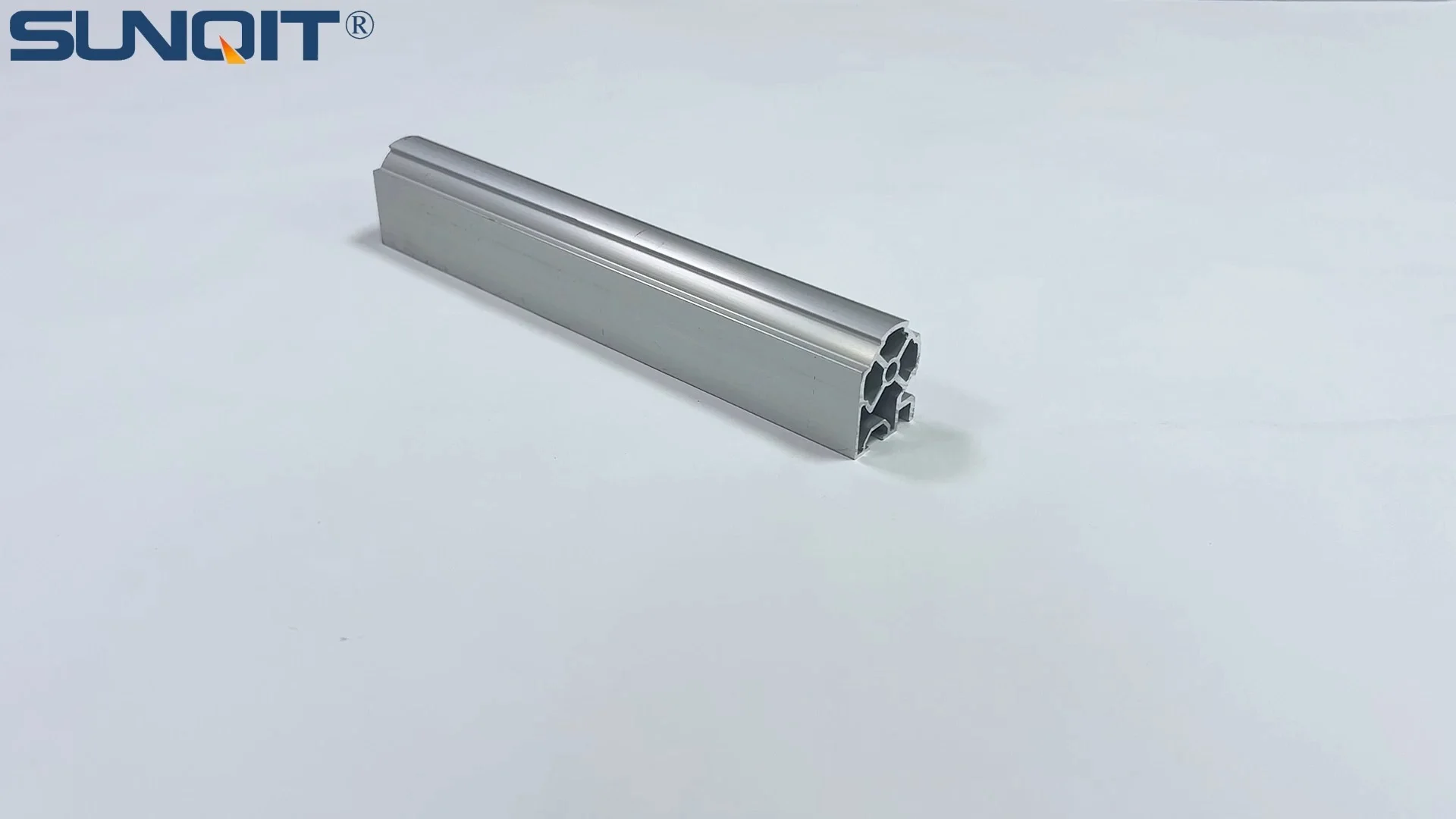
Aluminum pipe with tray holder,the pipe one side connected by a joint, the other side with a slot which can hold a tray or a aluminum pannel.
Walk into any well-run workshop, factory, or assembly line, and you'll likely spot a familiar sight: sleek, silver structures holding tools, parts, and materials in perfect order. These are aluminum pipe with tray holder systems—workhorses of organization that keep workflows moving and teams efficient. From the workbench where your team assembles components to the roller track gliding trays across the floor, these systems rely on sturdy aluminum lean pipes, clever aluminum pipe accessories, and precise engineering to stay functional. But even the most durable systems need care. Dirt builds up in joints, corrosion creeps in, and moving parts like roller tracks start to stick. Ignore these issues, and suddenly your "efficient" setup becomes a source of delays and frustration. That's why we're here: to guide you through simple, actionable steps to clean and maintain your aluminum pipe systems—so they keep working as hard as your team does.
Why Maintenance Matters: More Than Just "Looking Good"
Let's start with the basics: Why bother with regular cleaning and maintenance? It's easy to push it to the bottom of the to-do list, especially when deadlines are tight. But neglecting your aluminum pipe system can cost you far more than a few minutes of upkeep. Here's why it's worth the effort:
Safety first. A wobbly workbench or a loose tray holder isn't just an annoyance—it's a hazard. Tools or parts could fall, injuring someone, or a weakened frame might collapse under weight. Regular checks catch these issues before they become accidents.
Efficiency equals productivity. A sticky roller track might only slow a tray down by a few seconds, but multiply that by hundreds of daily uses, and suddenly you're losing hours of work time. Clean, well-maintained systems keep workflows smooth, so your team stays focused on tasks, not troubleshooting.
Save money (a lot of it). Replacing an entire aluminum lean pipe frame or a set of damaged aluminum pipe accessories isn't cheap. A small crack in a joint today could lead to a broken frame next month, costing you hundreds (or thousands) in replacements. Maintenance extends the life of your system, turning small investments of time into big savings.
Morale boost. It's subtle, but a clean, organized workspace makes a difference. When tools are easy to find, surfaces are spotless, and equipment works like it should, team morale stays high. No one wants to work in a space that feels neglected—and your aluminum system is part of that first impression.
Getting to Know Your System: The Parts That Need Love
Before diving into cleaning, let's take a quick tour of your aluminum pipe with tray holder system. Understanding its components will help you target your efforts where they matter most. Here's what you're likely working with:
Aluminum lean pipes: The backbone of your system. These lightweight, corrosion-resistant pipes form the frame—think of them as the "bones" holding everything up. They're tough, but they pick up fingerprints, dust, and grime daily.
Aluminum pipe accessories: The "joints and muscles" connecting the pipes. This includes connectors, brackets, hinges, and feet that stabilize the structure. Over time, these can loosen, crack, or get clogged with dirt, weakening the entire system.
Workbench surfaces: The flat, sturdy tops where assembly, packing, or sorting happens. They're often mounted on the aluminum lean pipe frame and can be made of wood, plastic, or metal—all of which collect spills, scratches, and debris.
Tray holders: The brackets or rails that hold trays, bins, or containers. These keep small parts organized but can get sticky with oil, grease, or dust, making trays hard to slide in and out.
Roller track (if included): The wheeled rails that let materials "flow" from one station to another. These are critical for efficiency but are magnets for dust, hair, and small debris, which can jam the wheels.
Each of these parts, from the main aluminum lean pipes to the tiniest aluminum profile accessories, plays a role in your system's health. Now, let's roll up our sleeves and get them clean.

Step 1: Gather Your Cleaning Tools (You Probably Already Have Most of These)
You don't need a fancy toolkit to clean your aluminum system—just a few basic supplies. Here's what to grab:
- Microfiber cloths: Soft and lint-free, these won't scratch aluminum surfaces. Avoid paper towels—they're too abrasive.
- Soft-bristle brushes: A small paintbrush or toothbrush works for tight spots (like pipe joints or roller track wheels).
- Mild detergent: Dish soap (like Dawn) or a gentle all-purpose cleaner. Avoid bleach, ammonia, or abrasive cleaners—they can damage the aluminum's finish.
- Warm water: For mixing with detergent. Avoid hot water, which can warp plastic accessories.
- Bucket: To hold your soapy water.
- Sponge or soft rag: For wiping down larger surfaces like workbenches.
- Lint-free towels: For drying—water spots on aluminum are hard to remove once they set.
- Toothpicks or cotton swabs: For picking gunk out of tiny crevices (like the gaps in roller track wheels).
Pro tip: Keep a small "maintenance caddy" near your system with these supplies. That way, you can tackle quick cleanups on the spot instead of letting dirt build up.

Step 2: The Pre-Cleaning Inspection (Don't Skip This!)
Before you start wiping, take 5 minutes to inspect your system. This helps you spot issues like loose parts or damage that cleaning alone won't fix. Here's what to look for:
Loose joints or accessories: Gently wiggle the aluminum lean pipes and tray holders. Do any parts move or wobble? Tighten loose bolts with a wrench—this prevents further damage during cleaning.
Cracks or corrosion: Check aluminum pipe accessories (like plastic connectors) for cracks. On aluminum pipes, look for white, powdery spots (a sign of early corrosion) or discoloration. Note these areas—you'll want to treat them after cleaning.
Sticky or jammed parts: Try sliding a tray in a holder or rolling a bin along the roller track. If it sticks, make a mental note—this area needs extra attention.
Debris buildup: Are there piles of dust in corners? Grease spots on the workbench? Hair wrapped around roller track wheels? These are your cleaning "targets."
Jot down what you find (or take quick photos with your phone) so you don't forget. Now, let's start cleaning!
Step 3: Dry Cleaning First—Dust, Debris, and Loose Gunk
Always start with dry cleaning. Wiping a dusty surface with a wet cloth just turns dust into mud, making more work for yourself. Here's how to do it right:
Dust the aluminum lean pipes: Use a microfiber cloth or soft brush to wipe down all exposed pipe surfaces. Work from top to bottom to avoid knocking dust onto already-clean areas. Pay extra attention to horizontal surfaces (like the top of a workbench frame) where dust settles.
Attack tight spots with a brush: Use your soft-bristle brush to get into joints, where dust loves to hide. For example, the area where an aluminum pipe connects to a joint often has a tiny gap—run the brush along it to dislodge debris.
Clean tray holders: Remove all trays or bins first (set them aside to clean separately). Use the brush to sweep out crumbs, dirt, or small parts that have fallen into the holder rails. If the holders have slots or holes, use a toothpick or cotton swab to pick out stuck debris.
Roller track care: This is where a toothbrush shines. Gently brush between the roller wheels to remove hair, dust, or bits of plastic/metal that might be jamming them. Spin each wheel with your finger to dislodge loose debris—if a wheel doesn't spin freely, mark it for deeper cleaning later.
Workbench surface: Wipe the entire surface with a dry microfiber cloth to remove loose dust, crumbs, or dirt. If there are sticky spots (like dried glue or tape residue), don't scrub yet—we'll tackle those with soapy water.
Step 4: Wet Cleaning—Deep Cleaning for Shine and Sanity
Now that the loose debris is gone, it's time for wet cleaning. This removes grease, oil, fingerprints, and stubborn grime. Follow these steps:
Make your cleaning solution: Fill a bucket with warm (not hot) water and add a few drops of mild dish soap. Mix until suds form. Avoid overdoing the soap—too much can leave a residue.
Wipe down aluminum lean pipes: Dip a sponge or microfiber cloth into the soapy water, wring it out well (you want it damp, not soaking), and wipe the pipes. Go with the grain of the aluminum (if visible) to avoid scratches. For fingerprints or oily spots, apply gentle pressure—don't scrub hard, as this can dull the finish.
Clean aluminum pipe accessories: Joints, brackets, and connectors need extra care. Use a damp cloth to wipe around bolts and crevices. For plastic accessories, avoid soaking them—water can weaken glue or cause warping. A cotton swab dipped in soapy water works great for small, hard-to-reach areas.
Scrub the workbench surface: Dip your sponge in soapy water and wipe the entire surface. For tough spots (like dried paint or oil), let the soapy water sit for 30 seconds, then gently scrub with the sponge. Avoid using steel wool or abrasive pads—they'll scratch wood, plastic, or metal surfaces.
Rinse (if needed): Most of the time, wiping with a damp cloth (rinsed in clean water) is enough to remove soap residue. For workbench surfaces or tray holders with lots of soap, wipe with a clean, damp cloth, then dry immediately.
Dry everything thoroughly: Aluminum resists rust, but water left in joints or on accessories can cause corrosion over time. Use a lint-free towel to dry all surfaces, paying special attention to:
- Joints between aluminum pipes and accessories
- Roller track wheels and axles
- Undersides of the workbench (where water can drip and pool)
- Tray holder rails (moisture here can make trays stick)
Pro tip: For hard-to-reach areas (like the back of a roller track), use a hair dryer on the "cool" setting to blow out moisture. This is especially helpful in humid climates!
Step 5: Treating Stains, Corrosion, and Sticky Parts
Even with careful cleaning, you might still have a few problem spots. Let's tackle them:
Corrosion on aluminum pipes: If you noticed white, powdery spots during your pre-inspection, mix equal parts white vinegar and water. Dip a cloth in the solution, wring it out, and gently rub the spot. The vinegar's acidity will dissolve the corrosion. Rinse immediately with clean water and dry thoroughly. For larger spots, use a specialized aluminum cleaner (test it on a hidden area first to avoid discoloration).
Sticky tray holders or roller track: If a tray still sticks after cleaning, the rails might need lubrication. Use a silicone-based spray lubricant (avoid oil-based lubes—they attract dust). Spray a tiny amount on the rails or roller wheels, then wipe away excess with a cloth. Test the tray/roller again—they should glide smoothly now.
Scratches on workbench surfaces: For minor scratches on wood or plastic, apply a small amount of furniture polish or plastic conditioner and buff with a cloth. For metal surfaces, a metal polish (like Brasso) can help reduce the appearance of scratches.
Grease/oil stains: If dish soap didn't cut it, try a drop of rubbing alcohol on a cloth. Gently rub the stain, then wipe with soapy water and dry.
Step 6: Maintenance—Keeping It Clean (and Functional) Long-Term
Cleaning is half the battle—maintenance keeps your system in shape between deep cleans. Here's what to do regularly:
Weekly "quick checks": Spend 5 minutes every week wiping down workbench surfaces with a dry microfiber cloth, checking for loose bolts, and spinning roller track wheels to ensure they move freely. This catches small issues before they grow.
Monthly accessory inspection: Tighten any loose aluminum pipe accessories (joints, brackets, bolts) with a wrench. Look for cracks in plastic parts—if a connector is cracked, replace it immediately (a broken accessory can compromise the entire system). Check tray holders for bent or warped rails and straighten them gently if needed.
Quarterly lubrication: Even with regular cleaning, moving parts like roller track wheels or swivel tray holders need lubrication. Apply a small amount of silicone spray to these parts every 3 months to keep them smooth.
Annual deep clean: Once a year, do a full teardown (if possible). Remove trays, detach roller track sections, and clean each part individually. This is also a good time to replace worn aluminum profile accessories (like cracked brackets or faded roller track guides).
Maintenance Schedule Table: Stay on Track
| Task | Frequency | Tools Needed | Notes |
|---|---|---|---|
| Dust surfaces and pipes | Weekly | Microfiber cloth, soft brush | Top to bottom to avoid re-dusting areas. |
| Tighten loose bolts/joints | Weekly | Wrench or screwdriver | Focus on high-vibration areas (near machinery). |
| Wipe workbench with soapy water | Bi-weekly | Sponge, mild detergent, water | Remove all items from the bench first. |
| Inspect for corrosion/cracks | Monthly | Flashlight (for dark corners) | Check under trays and behind roller track for hidden issues. |
| Lubricate roller track/wheels | Quarterly | Silicone spray, cloth | Wipe excess lube to prevent dust buildup. |
| replace worn accessories | As needed | Replacement parts, basic tools | Keep spares of common parts (e.g., brackets, connectors) on hand. |
| Full system deep clean | Annually | All cleaning tools, possibly a helper | Teardown and clean parts individually for best results. |
Seasonal Tips: Adjusting for Weather and Workload
Your system's needs change with the seasons and how busy your workshop is. Here's how to adapt:
Humid months (summer/rainy season): Moisture is aluminum's enemy. After cleaning, dry joints and crevices extra thoroughly—consider using a hair dryer on cool to get into tight spots. Check for corrosion weekly, and apply a thin coat of car wax to aluminum pipes (this adds a protective barrier against moisture).
Dry/cold months (winter): Static electricity can build up, attracting more dust. Wipe workbench surfaces with an anti-static cloth occasionally. If your workshop gets cold, plastic accessories (like tray holder rails) can become brittle—avoid slamming trays or putting sudden pressure on them.
Busy periods (peak production): When your team is working overtime, systems get more wear and tear. Do daily quick checks (instead of weekly) and add an extra bi-weekly deep clean to prevent buildup.
Final Thought: Your System Works Hard—Return the Favor
Your aluminum pipe with tray holder system isn't just metal and plastic—it's a partner in your team's success. It holds the tools they need, keeps parts organized, and ensures materials flow smoothly. By taking 15–30 minutes a month to clean and maintain it, you're investing in efficiency, safety, and longevity. And when your system stays strong, your team stays strong too.
So grab your microfiber cloth, schedule that first quick check, and give your aluminum lean pipes the care they deserve. Your future self (and your budget) will thank you.