- Company Articles
- Products and Technology
- Installation And Maintenance
- How to Clean & Maintain Aluminum Side Guards for Optimal Performance

How to Clean & Maintain Aluminum Side Guards for Optimal Performance
Related Product
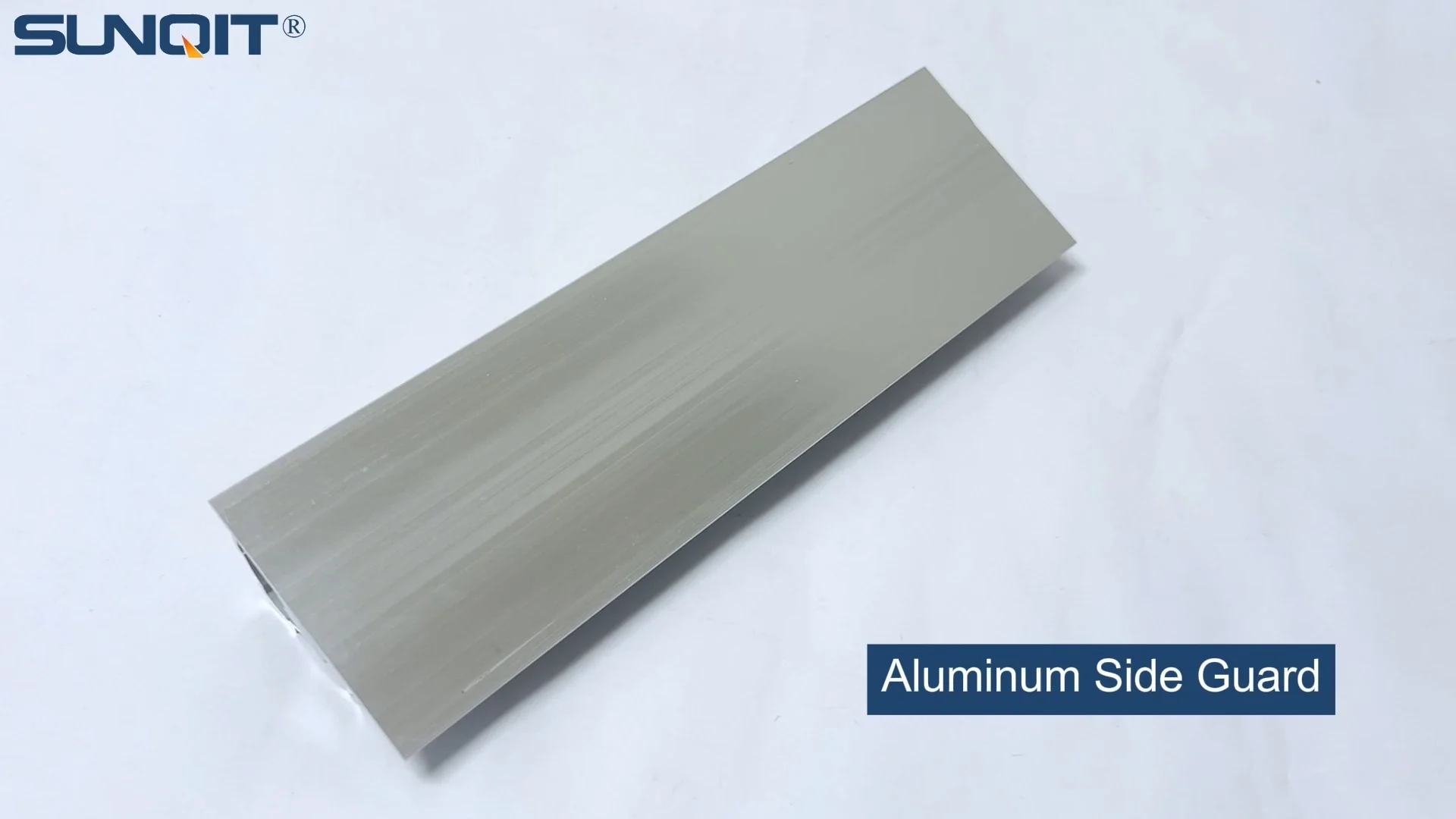
Aluminum Side Guard
Aluminum side guard, it works with a aluminum pipe or a roller track as side guard to prevent material drop,or move to wrong direction.
Introduction: Why Aluminum Side Guards Deserve Your Attention
If you've ever walked through a busy warehouse, stood beside a production line, or worked at a well-organized workbench, you've probably seen them—sleek, sturdy strips of metal running along edges, shelves, or conveyor belts. Those are aluminum side guards, and while they might not be the flashiest part of your setup, they're the unsung heroes keeping your operations running smoothly. Made from durable aluminum extrusion profile, these guards do more than just look neat; they protect equipment from collisions, guide materials along conveyor tracks, and even shield workers from sharp edges. But here's the thing: like any hardworking tool, they need a little care to keep performing at their best.
Neglecting your aluminum side guards might start small—maybe a smudge of grease here, a loose bracket there. But over time, that grime can eat away at the surface, those loose parts can lead to misalignment, and suddenly, your "low-maintenance" guards become a headache. Scratches turn into corrosion, wobbly mounts cause jams on your roller tracks, and before you know it, you're replacing parts (or entire guards) that could've lasted years longer with basic upkeep. The good news? You don't need to be a maintenance pro to keep them in top shape. With a few simple tools, a regular routine, and some insider tips, you can extend their lifespan, boost safety, and keep your workflow as efficient as the day you first installed them.
In this guide, we're diving deep into everything you need to know about cleaning and maintaining aluminum side guards. We'll break down why they're so crucial (hint: it's not just about aesthetics), walk through step-by-step cleaning methods, share pro maintenance hacks, and even troubleshoot common issues. Whether you're managing a factory floor, running a small workshop, or just want to get the most out of your workbench setup, this is your go-to resource for keeping those aluminum side guards strong, shiny, and ready for action.
Understanding Aluminum Side Guards: What They Are & Why They Matter
Before we jump into cleaning and maintenance, let's make sure we're all on the same page about what aluminum side guards actually are. At their core, they're protective barriers made from aluminum extrusion profile—those versatile, lightweight metal shapes formed by pushing aluminum through a die to create consistent, strong structures. You'll find them in all sorts of industrial and commercial settings: along the edges of workbenches to keep tools from sliding off, on conveyor systems to guide products smoothly, around material racks to prevent items from tipping, and even on machinery to shield sensitive components from accidental bumps.
What makes aluminum the go-to material here? For starters, it's lightweight but surprisingly tough—perfect for a guard that needs to be durable without weighing down your equipment. It's also naturally resistant to rust and corrosion, which is a big plus in environments where moisture, oils, or chemicals are present. And let's not forget about flexibility: aluminum extrusion profiles can be cut, shaped, and assembled with aluminum profile accessories (like brackets, clamps, and hinges) to fit almost any space or purpose. That means whether you need a short guard for a small workbench or a long, curved one for a custom conveyor, aluminum can handle it.
But their real value lies in how they support your overall operations. Think about a busy assembly line: without side guards, parts might slide off the conveyor, causing delays and potential damage. On a material rack, guards keep boxes or tools from falling, reducing the risk of workplace injuries and lost inventory. Even on a simple workbench, they add stability—no more chasing rolling screws or losing small parts over the edge. In short, aluminum side guards aren't just "extras"; they're integral to keeping your workspace safe, organized, and efficient. And like any integral part, their performance depends on how well you take care of them.

Cleaning Your Aluminum Side Guards: A Step-by-Step Guide
Let's start with the basics: cleaning. Aluminum side guards might not look dirty at first glance, but over time, they collect all sorts of gunk—dust, grease, fingerprints, even chemical residues from the materials they're protecting. This buildup doesn't just look unsightly; it can actually damage the aluminum's surface over time. Grease, for example, traps dirt, which acts like sandpaper when rubbed against the guard during use. Chemicals might react with the aluminum, causing discoloration or pitting. The good news? Cleaning them is quick, easy, and requires tools you probably already have on hand.
Tools You'll Need
Before you start, gather these supplies: a soft microfiber cloth (avoid paper towels—they can scratch), a bucket of warm water, mild dish soap (skip the heavy-duty degreasers unless you're dealing with really tough grime), a soft-bristled brush (like an old toothbrush or a small paintbrush), white vinegar (for stubborn stains), and a clean, dry towel for drying. That's it! No need for expensive cleaners or specialized equipment.
Step 1: Dust First, Wipe Later
Always start by removing loose dust and debris. Use the dry microfiber cloth to wipe down the entire surface of the guard, paying extra attention to crevices, corners, and areas where the guard meets other parts (like brackets or aluminum profile accessories). If there's caked-on dust or cobwebs, gently brush them away with the soft-bristled brush. This step is crucial because rubbing dust into the surface with a wet cloth can scratch the aluminum. Think of it like dusting furniture before wiping it down—you wouldn't skip that step, and neither should you here.
Step 2: Wash with Mild Soap and Water
Next, mix a few drops of mild dish soap into the warm water. Dip your microfiber cloth into the soapy water, wring it out well (you want it damp, not soaking), and gently wipe the guard in the direction of the grain (if you can see it). This helps prevent streaks and ensures you're lifting dirt instead of pushing it around. For extra grimy spots—like where hands frequently touch the guard or near machinery that leaks oil—let the soapy cloth sit on the area for 30 seconds to a minute before wiping. This gives the soap time to break down the grease. Avoid scrubbing too hard, especially on polished aluminum, as it can dull the finish.
Step 3: Tackle Tough Stains with Vinegar
If soap and water alone aren't cutting it—say, there's a rust spot (yes, aluminum can develop surface rust if exposed to certain conditions) or a stubborn oil stain—white vinegar is your friend. Mix equal parts vinegar and water in a spray bottle, spray the affected area, and let it sit for 5–10 minutes. Then, gently scrub with the soft-bristled brush and wipe clean with a damp cloth. Vinegar is acidic enough to dissolve tough stains but mild enough not to damage the aluminum's protective oxide layer. Just be sure to rinse the area thoroughly with clean water afterward to remove any vinegar residue, as leaving it on could cause discoloration over time.
Step 4: Dry Thoroughly
Never let aluminum side guards air-dry, especially if you're in a humid environment. Water spots can form, and if there's any leftover soap or vinegar, it can leave streaks. Instead, use a clean, dry microfiber towel to wipe the guard completely dry. Pay attention to joints and crevices where water might pool—these are prime spots for corrosion if moisture is left behind. If you're cleaning guards on a conveyor or material rack, make sure the area around them is also dry to prevent water from dripping onto other components.
How Often Should You Clean Them?
The short answer: it depends on your environment. If your side guards are in a relatively clean area (like an office-based workshop), a quick wipe-down once a week might be enough. In a busy warehouse or factory with lots of dust, grease, or chemicals, aim for 2–3 times a week. And don't wait for them to look dirty—by the time grime is visible, it might already be causing damage. Get into the habit of including a quick dust and wipe in your daily or weekly workspace cleanup routine.

Maintenance Practices: Keeping Your Guards Strong and Secure
Cleaning is important, but it's only half the battle. To truly keep your aluminum side guards performing at their best, you need a solid maintenance routine. Maintenance isn't just about fixing things when they break—it's about catching small issues before they turn into big problems. Loose brackets, bent edges, or worn-out aluminum profile accessories can all compromise the guard's ability to protect and guide. The good news is that maintenance is mostly about regular inspections and simple fixes, which you can do in just a few minutes each month.
Regular Inspections: The Key to Early Detection
Set a calendar reminder to inspect your aluminum side guards at least once a month (more often if they're in high-traffic areas). Grab a flashlight (to see into dark corners) and a notebook (to jot down issues), and walk through each guard, checking for the following:
- Bent or dented sections: Even small dents can weaken the guard and create rough edges that catch on materials or tools.
- Loose or missing fasteners: Check screws, bolts, brackets, and other aluminum profile accessories that hold the guard in place. A loose bracket might seem minor, but it can cause the guard to shift, leading to misalignment on conveyors or instability on workbenches.
- Corrosion or discoloration: Look for white, powdery spots (aluminum oxide) or dark stains. While aluminum is corrosion-resistant, it's not corrosion-proof—especially if exposed to salt, chemicals, or constant moisture.
- Scratches or deep gouges: Deep scratches can trap dirt and moisture, accelerating wear and corrosion.
- Alignment issues: On conveyors or material racks, make sure the guard is straight and even. A misaligned guard can cause products to jam or slide off track.
Fixing Common Issues
Once you've identified issues, it's time to fix them. Let's break down how to tackle the most common problems:
Bent or dented edges: For small dents, you can often gently push them out from the back using a rubber mallet (to avoid scratching) and a block of wood (to distribute pressure). For larger dents or bent sections, you might need to replace the affected part—contact your aluminum profile supplier for replacement pieces if needed.
Loose fasteners: Tighten loose screws or bolts with the appropriate tool (usually a Phillips or flathead screwdriver, or a wrench). If a fastener is stripped or missing, replace it with a new one of the same size and type. Avoid over-tightening, as this can strip the threads or crack the aluminum extrusion profile.
Corrosion: For light surface corrosion (white, powdery spots), mix a paste of baking soda and water, apply it to the area with a soft cloth, and gently rub until the corrosion is gone. Rinse with water and dry thoroughly. For more severe corrosion, you might need to sand the area lightly with fine-grit sandpaper (220 grit or higher), then apply a clear aluminum sealant to prevent future damage.
Scratches: Minor scratches can be buffed out with a metal polish (choose one specifically for aluminum) and a soft cloth. Apply a small amount of polish, rub in a circular motion, then wipe clean. For deep gouges, you might need to fill them with aluminum filler (available at hardware stores) and sand smooth before polishing.
Misalignment: If the guard is misaligned, loosen the fasteners slightly, adjust the guard into place, then retighten. On conveyors, use a level to ensure the guard is straight and parallel to the roller track. If the misalignment is due to warped aluminum extrusion profile, you may need to replace the guard section.
Lubricating Moving Parts (If Applicable)
Some aluminum side guards are paired with moving components, like roller tracks or hinges (common in guards that flip up for access). If your guard has moving parts, apply a small amount of lubricant (like silicone spray or machine oil) to the joints and tracks every 3–6 months. This prevents squeaking, reduces friction, and extends the life of the aluminum profile accessories. Just be sure to wipe away excess lubricant to avoid attracting dust and dirt.
Troubleshooting: Solving Common Aluminum Side Guard Problems
Even with regular cleaning and maintenance, you might run into occasional issues. The key is to know how to diagnose and fix them quickly. Below is a handy table to help you troubleshoot common problems, their likely causes, and solutions.
| Common Issue | Likely Cause | Quick Fix | Long-Term Solution |
|---|---|---|---|
| Guards feel wobbly or unstable | Loose brackets or fasteners; worn-out aluminum profile accessories | Tighten all visible screws and bolts | replace worn brackets or fasteners with new aluminum profile accessories; consider adding extra supports for heavy-use areas |
| Materials get stuck on the guard | Bent edges, rough spots, or misalignment | File down rough edges with a metal file; adjust guard alignment | replace severely bent sections; install edge trim (like rubber or plastic) to create a smoother surface |
| White, powdery spots on the surface | Surface corrosion from moisture or chemical exposure | Clean with baking soda paste and water; dry thoroughly | Apply a clear aluminum sealant; improve ventilation in humid areas; avoid contact with harsh chemicals |
| Guards rattle or make noise during use | Loose parts or gaps between guard and mounting surface | Add rubber washers between brackets and guard to dampen noise | Tighten all connections; replace worn or damaged mounting hardware |
| Fasteners keep coming loose | Vibration from machinery; stripped threads | Use thread-locking adhesive (like Loctite) on screws and bolts | replace stripped fasteners with larger size or helicoil inserts; add vibration-dampening pads under the guard |
If you encounter a problem you can't fix (like severe structural damage or extensive corrosion), don't hesitate to contact your aluminum extrusion profile supplier. They can provide replacement parts, technical advice, or even help you design a more durable guard setup for your specific needs.
Pro Tips for Long-Term Performance
Now that you know the basics of cleaning and maintenance, let's dive into some pro tips to keep your aluminum side guards in top shape for years to come. These little extra steps can make a big difference in their lifespan and performance.
Integrate with Your Lean System
If your workplace uses a lean system (focused on minimizing waste and maximizing efficiency), your aluminum side guards should be part of that strategy. A well-maintained guard prevents waste from damaged materials, reduces downtime from jams or repairs, and keeps workflows smooth. Train your team to include guard checks in their daily "5S" routines (Sort, Set in Order, Shine, Standardize, Sustain). For example, during the "Shine" phase (cleaning), have them wipe down the guards; during "Standardize," create a checklist for monthly inspections. By making guard care part of your lean pipe and accessories maintenance, you'll ensure it never gets overlooked.
Protect Guards During High-Impact Activities
If your guards are in areas with frequent cart traffic, heavy machinery, or material handling, consider adding extra protection. Rubber edge trim (available in hardware stores) can cushion impacts and prevent dents. For workbenches used with power tools, install a thicker aluminum extrusion profile or a steel reinforcement strip along the edge. You can also place warning signs or floor markers to remind workers to be careful around guard edges—prevention is always easier than repair.
Document Your Maintenance
Keep a simple log of when you clean and inspect your guards. Note any issues you find, how you fixed them, and when you replaced parts. Over time, this log will help you spot patterns—maybe certain guards need more frequent tightening due to nearby machinery vibration, or a particular area is prone to corrosion. Use this information to adjust your maintenance schedule or make design changes (like adding extra supports or switching to a different aluminum profile) to prevent recurring issues.
Seasonal Adjustments
Environmental changes can affect your guards. In humid seasons (like summer in many areas), increase cleaning frequency to prevent moisture buildup and corrosion. In winter, if you're in a cold climate, check for ice or snow buildup that could bend or damage guards—especially on outdoor racks or loading docks. If you use de-icing salts nearby, rinse guards more often to remove salt residue, which can accelerate corrosion.
Invest in Quality Accessories
The aluminum profile accessories you use to mount and support your guards matter just as much as the guards themselves. Cheap, low-quality brackets or fasteners can rust, strip, or break, compromising the guard's stability. Stick with high-quality aluminum profile accessories from a reputable supplier. Look for accessories made from the same or compatible aluminum alloy to prevent galvanic corrosion (a reaction between different metals in the presence of moisture). Stainless steel fasteners are also a good choice for added durability, especially in wet environments.
Conclusion: Small Efforts, Big Rewards
Aluminum side guards might not be the most glamorous part of your workspace, but they play a vital role in keeping your operations safe, efficient, and productive. By taking a little time each week to clean them and a few minutes each month to inspect and maintain them, you'll extend their lifespan, reduce repair costs, and avoid frustrating downtime. Remember, the goal isn't perfection—it's consistency. A quick wipe-down after a busy day, a monthly check for loose bolts, and addressing small issues before they grow are all it takes to keep your guards performing at their best.
Think of it this way: your aluminum side guards work hard for you every day. They protect your equipment, guide your materials, and keep your team safe. Returning the favor with a little care is the least you can do—and the payoff is well worth it. So grab your microfiber cloth, schedule that inspection, and give your guards the attention they deserve. Your future self (and your bottom line) will thank you.