- Company Articles
- Products and Technology
- Installation And Maintenance
- How to Clean & Maintain Chrome Coating on One Way Rotatory Straight Lean Pipe Joints

How to Clean & Maintain Chrome Coating on One Way Rotatory Straight Lean Pipe Joints
Related Product
One Way Rotatory Straight Lean Pipe Joint
Two way lean pipe joint for 2 pcs 28MM lean pipe connection in straight angle with rotatory fucntion, which used widely in workbench, flow rack, hand trolley frame connection.
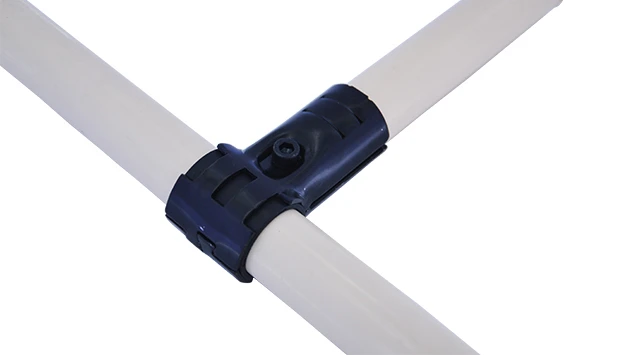
If you've ever walked through a busy manufacturing facility or a warehouse optimized for lean production, you've probably seen them: the unassuming but hardworking components that keep workflows moving—lean pipe joints. These small but critical parts are the backbone of everything from assembly line workbenches to material transport systems. And among the various types, the one way rotatory straight lean pipe joint chrome stands out for its unique ability to combine flexibility with durability. But here's the thing: that shiny chrome coating isn't just for looks. It's a protective barrier that ensures smooth rotation, resists corrosion, and extends the life of the joint. Ignore its maintenance, and you could be looking at sticky rotations, rust spots, or even premature failure—all of which throw a wrench into your carefully designed lean system.
In this guide, we're diving deep into how to properly clean and maintain the chrome coating on these specific joints. Whether you're a facility manager, a maintenance tech, or someone just starting to build out their lean setup, this isn't just about keeping parts shiny—it's about keeping your operations efficient, reducing downtime, and getting the most out of your investment in lean pipe systems. Let's start by understanding why this matters, then walk through the step-by-step process to keep your chrome-coated joints in top shape.
Understanding Chrome Coating on One Way Rotatory Straight Lean Pipe Joints
Before we grab the cleaning supplies, let's take a minute to appreciate what makes the one way rotatory straight lean pipe joint chrome special. First, the "one way rotatory" part: these joints are designed to allow rotation in a single direction, which is crucial for controlled material flow in lean systems—think of parts sliding down a roller track or a workbench that needs to pivot just so. The "straight" design means they connect lean pipes in a linear path, while the "chrome coating" is the final layer that takes this hardworking joint from functional to long-lasting.
What Is Chrome Coating, Anyway?
Chrome coating (or chromium plating) is a thin layer of chromium applied to the surface of the joint, usually over a base metal like steel. There are two main types used in industrial parts: decorative chrome (which is what you see here) and hard chrome (used for high-wear parts). For lean pipe joints, decorative chrome is the go-to because it offers a balance of corrosion resistance, smoothness, and visual appeal. The coating is typically just a few micrometers thick, but don't let that fool you—when maintained properly, it forms a tough barrier against moisture, oils, and workshop grime.
Why Chrome on These Joints?
Lean systems thrive on efficiency, and that means every component needs to work reliably with minimal fuss. The chrome coating on a one way rotatory straight lean pipe joint serves three key purposes:
- Corrosion Resistance: Workshops and factories are rarely sterile environments. Humidity, oils from machinery, and even trace chemicals in the air can eat away at bare metal. Chrome acts as a shield, preventing rust and oxidation from taking hold.
- Smooth Rotation: The one-way rotation mechanism relies on low friction. A damaged or dirty chrome surface can create drag, making the joint stiff or jerky—exactly what you don't want in a system built for flow.
- Easy Cleaning: Chrome's smooth, non-porous surface is naturally resistant to dirt and grime buildup. Unlike painted or uncoated metal, it doesn't trap debris, which makes maintenance quicker and more effective.
In short, the chrome coating is the unsung hero that keeps these joints performing their role in your lean system day in and day out. Now, let's talk about what happens when that coating is neglected.
Signs Your Chrome Coating Needs Attention
You don't need to wait for a joint to seize up to start caring for its chrome coating. In fact, catching issues early is the best way to avoid costly repairs or replacements. Here are the red flags to watch for:
1. Dullness or Cloudiness
Fresh chrome has a mirror-like shine. If your joint starts looking dull, hazy, or grayish, that's a sign that a layer of dirt, oil, or oxidation is building up. Left unchecked, this layer can etch into the chrome over time, making it harder to restore the shine later.
2. Rust Spots or Pitting
Even tiny scratches in the chrome can expose the underlying metal to moisture. When you see small brown spots (rust) or tiny dents (pitting), that means corrosion has started. The longer you wait, the more the rust will spread, eventually compromising the joint's structural integrity.
3. Sticky or Stiff Rotation
If the joint no longer rotates smoothly in its one-way direction, or if it feels "sticky" when you move it, grime or dried lubricant might be gumming up the works. Sometimes, this is due to a dirty chrome surface creating extra friction—cleaning might be all it takes to fix it.
4. Peeling or Flaking Coating
In severe cases, the chrome coating might start to peel away from the base metal, leaving silver or gray patches. This is usually a sign of either poor initial plating (rare if you bought from a reputable lean pipe joint supplier ) or long-term neglect. Once the coating starts flaking, it's only a matter of time before the entire joint needs replacing.
Pro Tip: Make chrome coating inspection part of your regular lean system checks. A quick visual scan during daily or weekly walkthroughs can catch issues before they escalate. Keep a small notebook or digital log to track which joints need attention—this helps you spot patterns (e.g., joints near steam vents are more prone to rust) and adjust maintenance accordingly.

Tools and Materials You'll Need
Cleaning and maintaining chrome coating doesn't require fancy or expensive tools. In fact, you probably already have most of these items in your workshop or maintenance closet. Here's what you'll need, organized by purpose:
| Category | Tools/Materials | Purpose | Notes |
|---|---|---|---|
| Cleaning | Mild dish soap or pH-neutral detergent | Removes oil, grease, and surface dirt | Avoid harsh soaps with bleach or ammonia—they can damage chrome. |
| Microfiber cloths (2-3) | Wiping and drying without scratching | Use separate cloths for cleaning and drying to avoid re-depositing dirt. | |
| Soft-bristle brush (toothbrush or small paintbrush) | Cleaning crevices and tight spots | Make sure the bristles are nylon or natural fiber—stiff plastic can scratch chrome. | |
| Polishing & Protection | Chrome polish (liquid or paste) | Restores shine and adds a protective layer | Look for polishes labeled "non-abrasive" to avoid wearing down the coating. |
| Silicone-based lubricant (spray or liquid) | Keeps rotation smooth and prevents corrosion | Avoid petroleum-based lubricants—they can break down some plastics in the joint. | |
| Rust Treatment (If Needed) | Chrome rust remover (e.g., Naval Jelly) | Removes surface rust without damaging chrome | Use sparingly and follow the manufacturer's instructions—leave it on too long, and it can etch the coating. |
| Fine steel wool (0000 grade) | Gently buffs away light rust spots | Only use 0000 grade (the finest)—coarser grades will scratch chrome. | |
| Safety | Rubber gloves | Protects hands from chemicals and grime | Nitrile gloves are best if you're using rust remover. |
One thing you shouldn't use? Abrasive cleaners (like scouring powder), steel wool coarser than 0000 grade, or wire brushes. These will scratch the chrome, creating tiny grooves where dirt and moisture can collect—exactly what we're trying to prevent.

Step-by-Step Cleaning Process
Now that you have your tools ready, let's walk through the cleaning process. We'll start with the basics (routine cleaning for lightly soiled joints) and move to deeper cleaning for joints with buildup or minor rust.
Step 1: Prepare the Work Area
First, make sure the joint is accessible. If it's part of a larger structure (like a workbench or roller track), you might need to disconnect it temporarily—just be sure to note how it's assembled so you can put it back correctly! If disassembly isn't possible, cover nearby surfaces with a drop cloth or paper towel to catch drips. Then, remove any loose debris (dust, metal shavings) with a dry microfiber cloth—this prevents scratching during wet cleaning.
Step 2: Wash with Mild Detergent
Fill a small bowl or bucket with warm (not hot) water and add a few drops of mild dish soap. Dip your microfiber cloth into the soapy water, wring it out so it's damp (not soaking), and gently wipe the entire surface of the chrome coating. Pay extra attention to crevices where the joint meets the lean pipe—this is where oil and dirt love to hide. For tight spots (like the area around the rotation mechanism), use the soft-bristle brush to dislodge grime. Scrub gently—no need to apply pressure; the soap will do the work.
Step 3: Rinse Thoroughly
Once you've wiped away all visible dirt and oil, dampen a clean microfiber cloth with plain water (no soap) and wipe the joint again to remove any soap residue. Soap left on chrome can dry into a cloudy film, so don't skip this step! If the joint is in a hard-to-reach spot, you can use a spray bottle filled with water to rinse, then blot dry with a cloth.
Step 4: Dry Immediately and Completely
Moisture is the enemy of chrome, so dry the joint right away with a clean, dry microfiber cloth. Pat (don't rub) the surface to absorb water, then use a gentle circular motion to buff away any remaining moisture. For one way rotatory joints, rotate the mechanism a few times while drying—this ensures water doesn't get trapped inside the rotation housing, which could lead to internal rust.
Step 5: Polish (For Dull or Hazy Coating)
If the chrome still looks dull after cleaning, it's time to polish. Apply a small amount of chrome polish to a clean microfiber cloth (about the size of a dime). Rub the polish onto the joint in small, circular motions, focusing on dull areas. Let the polish sit for 1-2 minutes (check the product instructions—some need longer), then buff it off with a dry cloth. You should see an immediate improvement in shine! For best results, polish in a well-ventilated area—some polishes have a strong odor.
Quick Fix for Light Grime: If you're short on time, a damp microfiber cloth with a drop of baby oil can work wonders for removing fingerprints and light dust. Just be sure to wipe off excess oil afterward to avoid attracting more dirt.
Deep Cleaning: Tackling Rust and Stubborn Buildup
For joints with rust spots or heavy grease buildup, the basic cleaning process might not be enough. Here's how to handle these tougher cases without damaging the chrome coating.
Dealing with Surface Rust
Small rust spots (the size of a pinhead or smaller) can often be removed with a chrome-safe rust remover. Start by cleaning the joint as usual (Steps 1-4 above) to remove any dirt covering the rust. Then, apply a tiny amount of rust remover to a cotton swab and dab it directly on the rust spot—avoid getting it on the surrounding chrome. Let it sit for 5-10 minutes (again, check the product label), then gently wipe away with a damp cloth. If the rust is still there, repeat the process once—don't overdo it, as prolonged exposure to rust remover can damage the coating. Once the rust is gone, dry the joint and apply a thin layer of chrome polish to protect the area.
Removing Heavy Grease or Oil Buildup
If the joint is caked in old grease (common in high-lubrication environments), start with a degreaser specifically designed for chrome. Spray the degreaser onto a cloth (don't spray directly on the joint—you don't want it seeping into the rotation mechanism), then wipe the surface. Let it sit for 3-5 minutes to break down the grease, then wipe clean with a soapy cloth, rinse, and dry. For really stubborn grease, you can use a soft-bristle brush dipped in degreaser to scrub gently. Just be sure to rinse thoroughly afterward—degreaser residue can eat away at chrome over time.
When to Call in the Pros (or replace the Joint)
If you've tried all these steps and the chrome is still pitted, peeling, or heavily rusted, it might be time to replace the joint. Remember: the chrome coating is thin, and once it's compromised, the underlying metal is exposed. A joint with flaking chrome or deep rust isn't just unsightly—it's a liability. Most lean pipe joint suppliers offer replacement parts at reasonable prices, and swapping out a joint is usually quicker than trying to salvage a badly damaged one. Plus, a new joint will perform better, keeping your lean system running smoothly.
Maintenance Tips to Keep Chrome Coating Lasting Longer
Cleaning is important, but prevention is even better. Here are some habits and practices to keep your one way rotatory straight lean pipe joint chrome in top condition for years:
Lubricate Regularly (But Don't Overdo It)
The rotation mechanism of your joint needs lubrication to stay smooth, but too much lube can attract dirt and grime, which then sticks to the chrome. Use a silicone-based lubricant (avoid petroleum jelly or motor oil) and apply just a drop or two to the rotation point every 2-4 weeks, depending on usage. Rotate the joint a few times to distribute the lubricant, then wipe away any excess with a clean cloth. This keeps the mechanism moving freely and prevents dirt buildup on the chrome.
Protect from Environmental Hazards
Chrome hates moisture, chemicals, and extreme temperatures. If your joint is near a steam vent, a pressure washer, or an area where chemicals are used, consider adding a protective cover (like a small plastic shield) when the joint isn't in use. In humid environments, you can also apply a thin coat of car wax to the chrome every 3-6 months—this adds an extra layer of protection against moisture and oxidation. Just make sure to wax only the chrome parts, not the rotation mechanism itself.
Handle with Care
It might seem obvious, but rough handling is a common cause of chrome damage. Avoid hitting or dropping the joint, and don't use it as a "handle" to move heavy lean pipe structures. When assembling or disassembling, use the right tools (e.g., a wrench that fits the joint nut properly) to avoid scratching the chrome with slipping tools. Even small scratches can lead to big problems later, so treat these joints with the same care you'd give any precision part.
Store Spare Joints Properly
If you keep spare lean pipe and accessories in storage, make sure your chrome-coated joints are stored in a dry, cool place. Wrap them in a clean cloth or place them in a sealed plastic bag with a silica gel packet to absorb moisture. Avoid stacking heavy items on top of them, as this can bend or scratch the coating. Proper storage ensures that when you need a replacement, the joint is as good as new.
Integrating Chrome Maintenance into Your Lean System
At the end of the day, maintaining chrome coating isn't just a maintenance task—it's part of keeping your entire lean system running at peak efficiency. Lean manufacturing is all about eliminating waste, and downtime caused by a seized or broken joint is a huge waste of time and resources. By making chrome coating care a regular part of your lean protocols, you're not just preserving parts—you're preserving productivity.
Consider training your team to spot early signs of chrome damage. Frontline workers who use the equipment daily are often the first to notice a sticky joint or a rust spot. Empower them to report issues immediately, and reward proactive maintenance habits. You can even create a simple "chrome care checklist" that ties into your existing 5S or total productive maintenance (TPM) programs—this turns maintenance from a chore into a team effort.
And remember: investing in quality parts from the start makes maintenance easier. A well-made one way rotatory straight lean pipe joint chrome from a trusted supplier will have a thicker, more durable coating that stands up to daily wear and tear. It might cost a bit more upfront, but when you factor in reduced maintenance time and longer lifespan, it's well worth the investment.
Final Thoughts: Shiny Joints, Smooth Operations
Cleaning and maintaining the chrome coating on your one way rotatory straight lean pipe joint chrome might seem like a small task, but it's one that pays big dividends. A little time spent wiping, drying, and polishing can prevent rust, keep rotations smooth, and extend the life of these critical lean system components. And when your joints are in top shape, your assembly lines run faster, your material flow stays on track, and your team can focus on what they do best—creating value, not fixing broken parts.
So the next time you walk through your facility, take a second look at those chrome-coated joints. They might not be the flashiest part of your lean setup, but they're working hard to keep things moving. Give them the care they deserve, and they'll return the favor by keeping your operations efficient, productive, and (yes) even a little bit shiny.