- Company Articles
- Products and Technology
- Installation And Maintenance
- How to Clean and Lubricate 85 Steel Roller Track Properly

How to Clean and Lubricate 85 Steel Roller Track Properly
Related Product
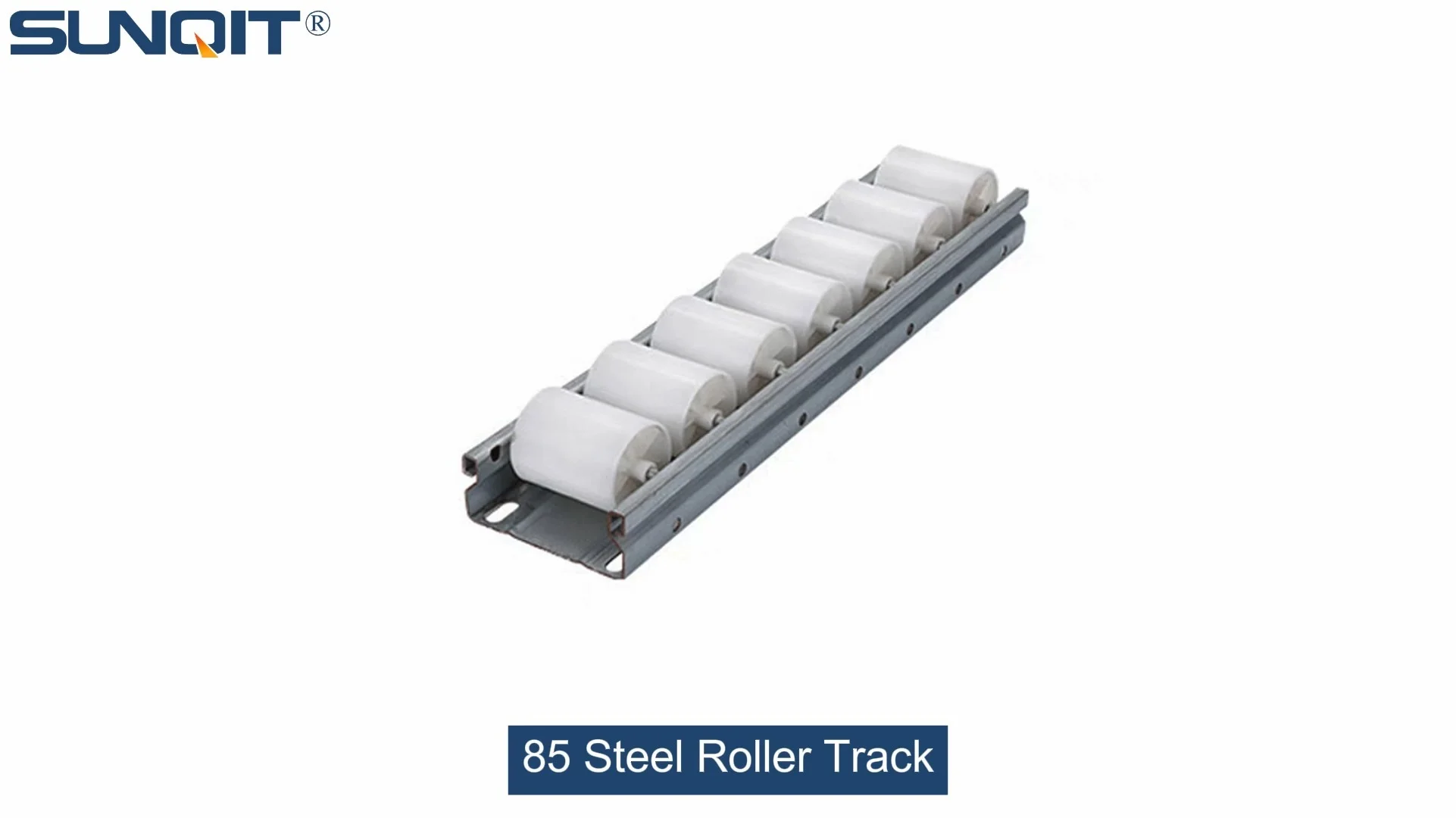
85 Steel Roller Track
85 heavy duty modular system roller track.Its use is focused on the transport of heavy products. Its implantation is carried out by creating a slope for the product to move under the force of gravity.
In the busy hum of manufacturing plants, where every second counts and efficiency is king, there's a quiet workhorse that keeps production lines moving smoothly: the 85 steel roller track. Whether it's gliding components through a conveyor system in an automotive assembly plant, supporting bins in a flow rack at a warehouse, or linking workstations in a 3C electronics factory, this unassuming piece of equipment plays a critical role in keeping operations on track. But like any hardworking team member, it needs a little care to stay at the top of its game. Neglecting its maintenance can lead to jams, slowdowns, and even unexpected downtime—problems that no lean-focused operation can afford. Let's dive into how to properly clean and lubricate your 85 steel roller track, ensuring it continues to support your lean system 's goals of efficiency, sustainability, and continuous improvement.
Why 85 Steel Roller Track Maintenance Matters
Before we roll up our sleeves, let's talk about why this maintenance isn't just a "nice-to-do" but a "must-do." The 85 steel roller track is designed to handle heavy loads, resist wear, and stand up to the harsh conditions of manufacturing environments—think dust, debris, oils, and constant use. Over time, though, even the toughest equipment accumulates grime. Dust from metal shavings in a machine shop, residue from lubricants in a 3C assembly line, or even moisture in a warehouse can build up on the rollers and tracks. This buildup doesn't just look messy; it creates friction. Friction means slower movement, louder operation, and extra strain on the entire system—from the rollers themselves to the lean pipe frames that support them.
In industries like medical device manufacturing, where precision is non-negotiable, a sticky roller track could disrupt the delicate flow of sterile components. In high-speed automotive plants, a seized roller might bring a section of the line to a halt, costing thousands in lost production. And for operations committed to lean principles, unplanned maintenance and replacements fly in the face of "sustainable improvement." Proper cleaning and lubrication aren't just about extending the life of the track—they're about protecting your investment, maintaining consistent productivity, and honoring the lean promise of minimizing waste (including waste from equipment failure).
Step-by-Step Guide to Cleaning 85 Steel Roller Track
Cleaning might seem straightforward, but doing it right requires attention to detail—especially in hard-to-reach spots where debris loves to hide. Let's break it down into simple, actionable steps:
1. Gather Your Tools
Before you start, make sure you have everything you need. This saves time and ensures you don't leave the job halfway through. You'll want:
- A soft-bristle brush (to avoid scratching the steel surface)
- Compressed air (for blowing out tight gaps)
- Mild degreaser (avoid harsh chemicals that might damage the track's finish)
- Lint-free cloths or microfiber towels (for wiping and drying)
- A small, flat tool (like a plastic scraper or old credit card) for stubborn debris
- Protective gloves (to keep your hands clean and safe)
Pro tip: In sensitive environments like ESD workstations, opt for anti-static cloths to avoid static buildup that could damage electronics.
2. Power Down and Secure the Area
Safety first! If the roller track is part of a powered conveyor system, turn off the power and lock the switch to prevent accidental startup. In manual systems (like those in some flow racks ), clear the area of any products or materials to give yourself full access. This step might seem obvious, but rushing into cleaning without securing the space is a common mistake that can lead to accidents or incomplete cleaning.
3. Remove Loose Debris
Start with the easy stuff: use the soft-bristle brush to sweep away loose dust, dirt, and small particles from the track surface and around the rollers. Work in the direction of roller movement to avoid pushing debris into gaps. For overhead tracks or hard-to-reach areas, compressed air is your best friend—hold the nozzle a few inches from the track and blow out debris from between rollers and along the edges. Imagine you're cleaning out the corners of a lean pipe workbench —you wouldn't skip the crevices there, and you shouldn't here either!
4. Tackle Grease and Sticky Residue
Over time, oil from machinery, product residues, or old lubricant can build up into a sticky film on the rollers and track. This is where the mild degreaser comes in. Dampen a lint-free cloth with the degreaser (don't soak it—you don't want excess liquid dripping into the track mechanism) and wipe down each roller and the track surface. For really stubborn spots, let the degreaser sit for 30 seconds to a minute, then gently scrape with the plastic tool. Avoid using metal scrapers, as they can scratch the steel and create rough spots that attract more debris later.
In food packaging or medical device facilities, where cleanliness standards are ultra-high, use a degreaser that's approved for use in cleanrooms—check with your facility's safety officer if you're unsure.
5. Dry Thoroughly
Moisture is the enemy of steel, as it can lead to rust and corrosion. After cleaning, use a dry lint-free cloth to wipe down the entire track and rollers, ensuring no water or degreaser remains. For tight spots, use compressed air again to blow out moisture—pay extra attention to the roller bearings and axles, where water can hide. If you're working in a humid environment, consider using a fan to speed up drying, or wait a few minutes before moving on to lubrication.

Lubrication: Keeping the Rollers Rolling Smoothly
Now that your 85 steel roller track is sparkling clean, it's time to give it the "slippery" care it needs to move freely. Lubrication reduces friction between the rollers and their axles, preventing wear and tear and keeping operations quiet. But not all lubricants are created equal—choosing the right one and applying it correctly is key.
1. Choose the Right Lubricant
The type of lubricant you use depends on your environment and the track's usage:
- Dry lubricants (like graphite powder or PTFE spray): Ideal for clean environments, ESD workstations, or areas where oil-based lubricants might attract dust (e.g., 3C assembly lines with sensitive electronics).
- Light machine oil: Great for general-purpose use in most manufacturing settings. Look for oils labeled "non-detergent" to avoid gumming up the works.
- Grease: Best for heavy-load applications, like roller tracks in automotive plants that carry large components. Grease stays in place longer but can attract more debris, so it's not the best choice for dusty environments.
Avoid using household oils (like cooking oil) or WD-40 (which is a solvent, not a lubricant) as they break down quickly and can damage the track over time.
2. Apply Lubricant Sparingly
Less is more when it comes to lubrication! Over-lubricating leads to excess oil or grease that traps dust, creating a sticky mess that's worse than no lubrication at all. For roller axles, apply a drop or two of oil directly to the bearing points (you'll see small gaps where the roller meets the track frame). For grease, use a small brush or grease gun to apply a thin layer to the axle. For the track surface itself (if needed), a light spray of dry lubricant or a wipe with an oiled cloth (wring out excess first) is sufficient.
Pro tip: Spin each roller by hand after applying lubricant to distribute it evenly inside the bearings. You should feel a smooth, resistance-free rotation—if a roller still feels stiff, it might need a little more lubricant or further cleaning.
3. Wipe Away Excess
After lubricating, use a clean lint-free cloth to wipe away any excess oil or grease from the track surface and roller exteriors. This step prevents dust from sticking and ensures products moving along the track don't pick up unwanted lubricant (especially important in food or medical device production).

How Often Should You Maintain Your Roller Track?
The short answer: it depends on how much you use it. A roller track in a high-speed conveyor system that runs 24/7 will need more frequent care than one in a small flow rack used occasionally. To make it easy, we've put together a quick guide based on usage intensity:
| Usage Intensity | Cleaning Frequency | Lubrication Frequency | Example Scenarios |
|---|---|---|---|
| High (constant use, heavy loads, dusty environment) | Weekly | Every 2 weeks | Automotive assembly lines, large conveyor systems |
| Medium (daily use, moderate loads, average dust) | Bi-weekly | Monthly | 3C electronics production, medical device workstations |
| Low (intermittent use, light loads, clean environment) | Monthly | Every 3 months | Small parts storage flow racks , manual material handling systems |
Pro Tip: Create a Maintenance Log
Keep a simple log to record when you cleaned and lubricated the track. Note any issues (like sticky rollers or unusual noises) so you can spot patterns—for example, if a certain section of track gets dirty faster, it might mean there's a nearby dust source that needs addressing. This aligns perfectly with the lean system principle of continuous improvement: tracking data to make smarter decisions.

Troubleshooting Common Roller Track Issues
Even with regular maintenance, you might run into problems. Here's how to diagnose and fix the most common issues:
Problem: Rollers are Sticking or Jamming
Possible causes:
Debris in the bearings, dried-out lubricant, or misaligned rollers.
Solution:
Disassemble the roller (if possible) and clean the bearing with degreaser, then re-lubricate. If misalignment is the issue, check the track frame—loose bolts (common in
lean pipe
systems) can cause the track to warp. Tighten bolts and adjust the frame to ensure the track is level.
Problem: Excessive Noise During Operation
Possible causes:
Lack of lubrication, worn bearings, or debris between rollers.
Solution:
Clean and re-lubricate first—often, noise is simply due to dry or dirty rollers. If the noise persists, inspect rollers for signs of wear (like cracks or uneven surfaces). replace worn rollers promptly to avoid damaging the entire track.
Problem: Rollers Rotate Unevenly
Possible causes:
Bent axles or uneven lubrication.
Solution:
Straighten bent axles with pliers (gently!) or replace them if bent beyond repair. Re-lubricate, making sure to distribute the lubricant evenly by spinning each roller by hand.
Final Thoughts: Maintenance as Part of Your Lean Journey
Cleaning and lubricating your 85 steel roller track might not be the most glamorous task on the factory floor, but it's a small investment that pays big dividends. By keeping this critical component in top shape, you're not just extending its lifespan—you're ensuring your production lines run smoothly, reducing downtime, and staying true to the lean system values of efficiency and sustainability. After all, a well-maintained roller track is a reflection of a well-run operation—one that cares about every detail, from the biggest conveyor system to the smallest roller.
Remember, maintenance isn't a one-time chore; it's an ongoing commitment to improvement. Just as your lean pipe workstations and flow racks are designed to be reconfigurable and reusable, your maintenance routine should be adaptable too—tweak frequencies based on usage, update tools as needed, and always look for ways to make the process more efficient. In the end, the goal is simple: keep the rollers rolling, keep production moving, and keep your lean journey on track.