- Company Articles
- Products and Technology
- Installation And Maintenance
- How to Clean and Lubricate Aluminum Guide Rail B for Optimal Functionality

How to Clean and Lubricate Aluminum Guide Rail B for Optimal Functionality
Related Product
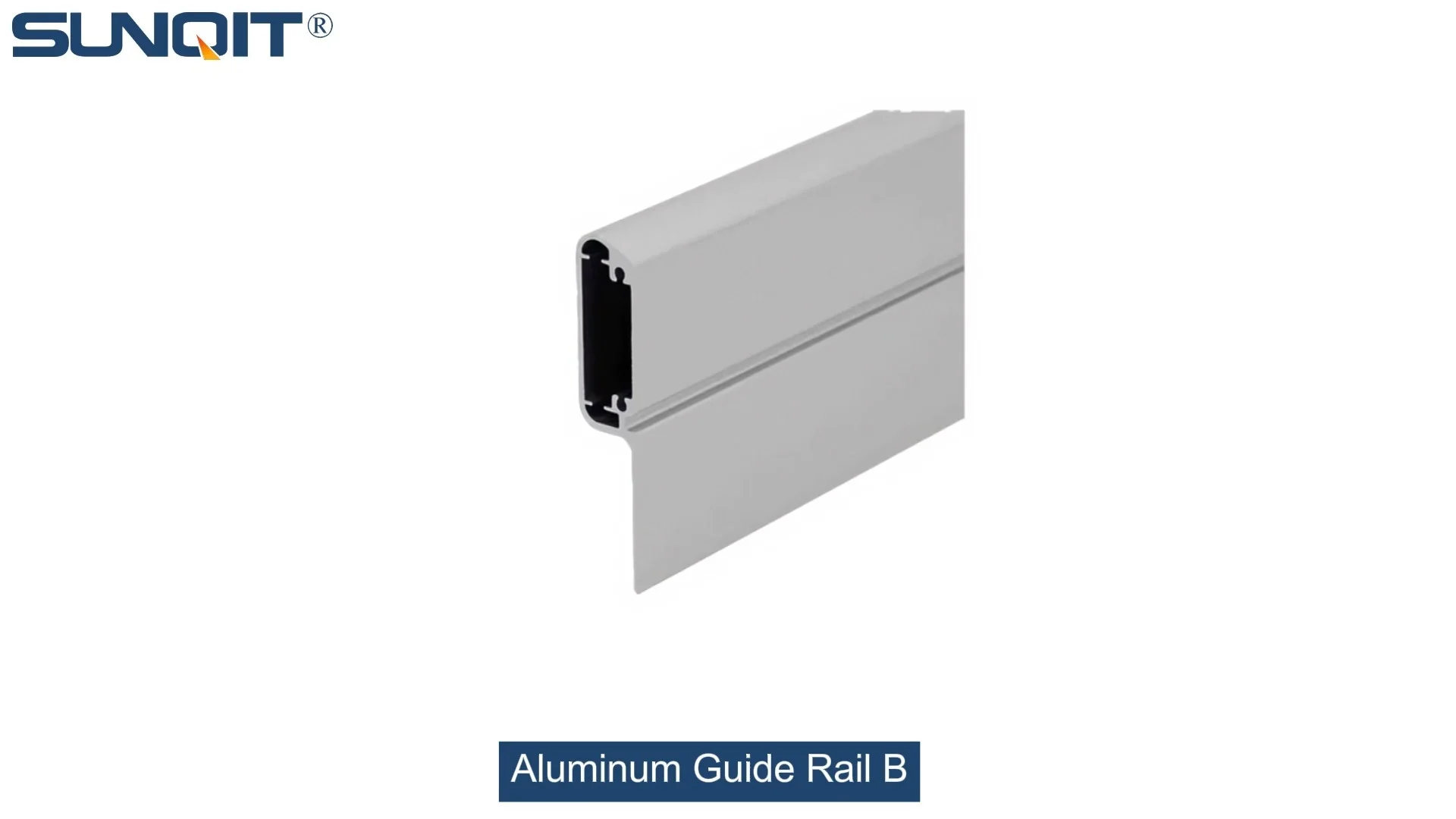
Aluminum Guide Rail B
The aluminum guide rails hold the transport goods securely on the roller track. For installation, the guide rails are simply pushed over the roller tracks.To protect sensitive products.
Walk into any buzzing manufacturing facility—whether it's churning out smartphones, assembling medical devices, or packing warehouse shipments—and you'll spot the quiet workhorses keeping everything moving: aluminum guide rails. Among these, Aluminum Guide Rail B stands out as a unsung hero, silently supporting material racks, workbenches, and conveyor systems day in and day out. But even the toughest components need a little care to keep up with the demands of modern production. In this guide, we'll break down exactly how to clean and lubricate your Aluminum Guide Rail B to maximize its lifespan, reduce downtime, and keep your lean manufacturing systems running like clockwork.
Why Aluminum Guide Rail B Deserves Your Attention
Before diving into the "how," let's talk about the "why." Aluminum Guide Rail B isn't just another metal bar—it's a critical link in your production chain. Designed with the same lean philosophy that drives systems like lean pipe workbenches and material racks, this rail is built to be durable, lightweight, and adaptable. It's the reason your Material Rack B can smoothly feed parts to assembly lines, why your Workbench E (Single Deck-Without Caster) stays aligned during precision tasks, and how roller tracks glide without jamming during peak production hours.
But here's the thing: even the best-designed components suffer when neglected. Dust, oil spills, and metal shavings can turn a smooth glide into a jerky, inefficient mess. Over time, this not only slows down production but also wears down the rail's surface and the rollers that depend on it. The result? Unexpected breakdowns, costly replacements, and frustrated teams. By investing a little time in regular cleaning and lubrication, you're not just maintaining a piece of equipment—you're protecting your team's productivity and your bottom line.
Gearing Up: What You'll Need
Like any good maintenance task, success starts with the right tools. Gather these supplies before you begin, and you'll save time and avoid mid-task scrambles:
- Soft-bristle brushes : A small hand brush (think paintbrush size) for tight spots and a larger brush for surface debris.
- Microfiber cloths : Lint-free and gentle on aluminum surfaces—avoid abrasive rags that can scratch the rail's finish.
- Compressed air canister or air compressor : Perfect for blowing dust out of crevices, especially around roller tracks and connectors.
- Neutral pH cleaner : Avoid harsh chemicals like bleach or acidic solutions (they'll corrode the aluminum). A mild dish soap diluted in water works well, or opt for a specialized aluminum cleaner if you're dealing with heavy grease.
- Plastic scraper : For stubborn, dried-on debris (use gently to avoid scratching).
- Lubricant : Choose a high-quality, water-resistant lubricant. Lithium-based grease is ideal for most industrial settings, but if you're in a cleanroom or medical environment, go for a food-grade silicone lubricant to avoid contamination.
- Precision applicator : A small grease gun, syringe, or lint-free cloth for applying lubricant to tight spots.
- Safety gear : Gloves to protect your hands from chemicals and debris, and safety glasses if you're using compressed air.
Pro tip: Check your maintenance schedule and plan this task during a lull in production—you don't want to interrupt workflow, and a clean workspace makes the job easier.

Step 1: Deep Cleaning—Saying Goodbye to Gunk
Cleaning Aluminum Guide Rail B is a two-part process: first, remove loose debris, then tackle stuck-on grime. Follow these steps for a spotless finish:
1.1 Clear the Area and Power Down
Safety first! If the rail is part of an active conveyor system or workbench, turn off the power and lockout/tagout the equipment to prevent accidental startup. Remove any materials, tools, or products resting on or near the rail—you don't want to knock things over or trap debris under them.
1.2 Brush Away Loose Debris
Start with the dry stuff. Use your large soft-bristle brush to sweep along the length of the rail, dislodging dust, metal shavings, and loose dirt. Pay extra attention to the edges and the area where the rail meets roller tracks or connectors—these are dust magnets. For tight spots (like the grooves in Plastic Roller Track Guide Rail Yellow or Grey), use the small hand brush to gently agitate debris.
1.3 Blast Away Hidden Dust
Now grab your compressed air. Hold the nozzle 6–8 inches from the rail and blow out crevices, focusing on:
- Roller track placon mounts (like Roller Track Placon Mount for Aluminum Profile High or Flat)
- Joint connections, especially where the rail attaches to workbenches or material racks
- The space between the rail and any side guides (common in 38 Aluminum Roller Track with Side Guide setups)
Keep the air moving to avoid blowing dust into other sensitive components. If you're using an air compressor, set the pressure to 30–40 PSI—too much force can damage plastic parts or push debris deeper into mechanisms.
1.4 Wipe Down with Cleaner
Dampen a microfiber cloth with your neutral pH cleaner (don't soak it—you want it slightly moist, not dripping). Wipe the entire length of the rail in smooth, overlapping strokes, applying gentle pressure to remove oil, grease, or fingerprints. For stubborn spots (like dried coolant or adhesive residue), let the cleaner sit for 1–2 minutes, then gently scrape with the plastic scraper before wiping again.
Pro tip: If your rail is installed on a workbench (like Workbench E), take a moment to clean the adjacent surfaces too—dust and spills on the bench can easily transfer back to the rail once production resumes.
1.5 Dry Thoroughly
Moisture is the enemy of aluminum (hello, corrosion!), so dry the rail immediately after cleaning. Use a clean, dry microfiber cloth to wipe away all moisture, then let it air-dry for 5–10 minutes to ensure no damp spots remain. If you're in a humid environment, a fan can speed up this process.

Step 2: Lubrication—Keeping the Glide Smooth
Now that your Aluminum Guide Rail B is sparkling clean, it's time to give it the "slippery" support it needs to keep moving smoothly. Lubrication reduces friction between the rail and moving parts (like rollers or sliding components), preventing wear and tear and quieting any annoying squeaks.
2.1 Identify Key Lubrication Points
Not all parts of the rail need lubricant—focus on the areas where metal or plastic moves against the aluminum. Common spots include:
- Roller axles : If your rail is paired with roller tracks (like 40 Steel Roller Track or 85 Staggered Roller Track), the axles holding the rollers in place need regular lubrication.
- Sliding contact surfaces : Any part of the rail that rubs against another component (e.g., the edges of a material tray sliding along the rail).
- Connectors and joints : Points where the rail attaches to other structures, like Aluminum Guide Rail A or Roller Track Placon Mount Connector—these can stiffen over time if not lubricated.
- Adjustment mechanisms : If your rail has height or angle adjustments (common in custom workbench setups), lubricate the moving parts to keep adjustments smooth.
2.2 Applying the Lubricant
Less is more when it comes to lubrication—too much can attract dust and create a messy buildup. Follow these steps for precise application:
- Start with a clean surface : We already cleaned the rail, but double-check for any leftover dust or cleaner residue—you don't want to seal debris under the lubricant.
- Apply a thin, even layer : For large surfaces (like the top of the rail where trays slide), use a microfiber cloth to wipe on a light coat of lubricant. For small parts (like roller axles), use the precision applicator to place a tiny dot of grease directly on the axle—about the size of a pea is enough.
- Work the lubricant in : For moving parts (like rollers), manually rotate or slide them a few times to distribute the lubricant evenly. This ensures it reaches all contact points.
- Wipe away excess : Use a clean cloth to remove any drips or buildup—you want a thin film, not globs.
Pro tip: If you're lubricating a roller track with Plastic Roller Track Guide Rail Yellow, be careful not to get lubricant on the plastic wheels themselves—this can make them slippery and affect traction. Stick to the axles and metal components.

Staying Consistent: Creating a Maintenance Schedule
One-off cleaning and lubrication is great, but consistency is key to long-term performance. How often should you do this? It depends on how hard your Aluminum Guide Rail B is working. Here's a general guideline to adapt to your facility:
| Usage Frequency | Cleaning Schedule | Lubrication Schedule | Additional Checks |
|---|---|---|---|
| High-use (24/7 production, dusty environments) | Weekly surface cleaning; Monthly deep clean | Every 2 weeks | Daily visual check for debris or damage |
| Moderate use (8-hour shifts, clean environment) | Monthly surface cleaning; Quarterly deep clean | Monthly | Weekly visual check |
| Low use (intermittent or light loads) | Quarterly surface cleaning; Bi-annual deep clean | Every 3 months | Monthly visual check |
Pro tip: Keep a maintenance log (digital or paper) to track when you cleaned, lubricated, and any issues you noticed. Over time, this will help you spot patterns—like if a certain rail needs more frequent care due to its location (near a dusty machine, for example)—and adjust your schedule accordingly.
Troubleshooting: Solving Common Issues
Even with regular maintenance, you might run into hiccups. Here's how to diagnose and fix common problems with Aluminum Guide Rail B:
Issue: Rail feels "sticky" or resists movement
Possible cause : Buildup of dust, grease, or dried lubricant. If cleaning doesn't fix it, the rail might be misaligned (common after heavy use or impact).
Solution : Do a deep clean with compressed air to blast out hidden debris. If sticking persists, check the rail's alignment—loosen the mounting brackets, realign, and retighten. If the rail is bent (rare, but possible with heavy impact), contact your supplier for replacement options.
Issue: Squeaking or grinding noises
Possible cause : Lack of lubrication, or debris trapped between moving parts (like a small metal shard in a roller axle).
Solution : Stop production, clean the affected area, and reapply lubricant. If the noise continues, inspect the rollers or sliding components for damage—worn plastic wheels or bent axles may need replacement.
Issue: Corrosion or discoloration on the rail
Possible cause : Exposure to moisture, harsh chemicals, or salt (common in coastal facilities).
Solution : Clean the affected area with a mild aluminum cleaner, then dry thoroughly. To prevent future corrosion, apply a thin coat of automotive wax (yes, wax!) to the rail's surface—it creates a barrier against moisture. If corrosion is severe (pitting or flaking), the rail may need to be replaced.
Beyond Maintenance: Embracing the Lean Mindset
At the end of the day, maintaining your Aluminum Guide Rail B isn't just about keeping a piece of equipment running—it's about living the lean manufacturing principles that make your operation efficient and sustainable. Think about it: lean systems thrive on reducing waste, and unplanned downtime due to equipment failure is one of the biggest wastes of all. By taking care of your guide rails (and all your lean components, from lean pipes to workbenches), you're embodying the "continuous improvement" mindset that sets successful facilities apart.
And remember, you're not alone in this. Whether you're setting up a new line with custom solutions or maintaining existing equipment, suppliers like ours are here to support you. From choosing the right Aluminum Guide Rail B for your needs to providing tips on keeping it in top shape, we're invested in your success. After all, when your production lines run smoothly, everyone wins—your team, your customers, and your business.
Final Thoughts: Small Steps, Big Results
Cleaning and lubricating Aluminum Guide Rail B might not be the most glamorous task on your to-do list, but it's one of the most impactful. In just a few hours each month, you can extend the life of your equipment, reduce downtime, and keep your team focused on what they do best—creating quality products. So grab your brush, your lubricant, and a little patience, and give your guide rail the care it deserves. Your future self (and your production metrics) will thank you.