- Company Articles
- Products and Technology
- Installation And Maintenance
- How to Clean and Maintain 40 Roller Track Placon Mount drop High for Longevity

How to Clean and Maintain 40 Roller Track Placon Mount drop High for Longevity
Related Product
40 Roller Track Placon Mount drop High
Roller track placon mount work as a connector for roller track and pipe or aluminum profile in rack syetem, it is a necessary parts in rack system which widely used in industrial plant and logistic,warehouse storage.
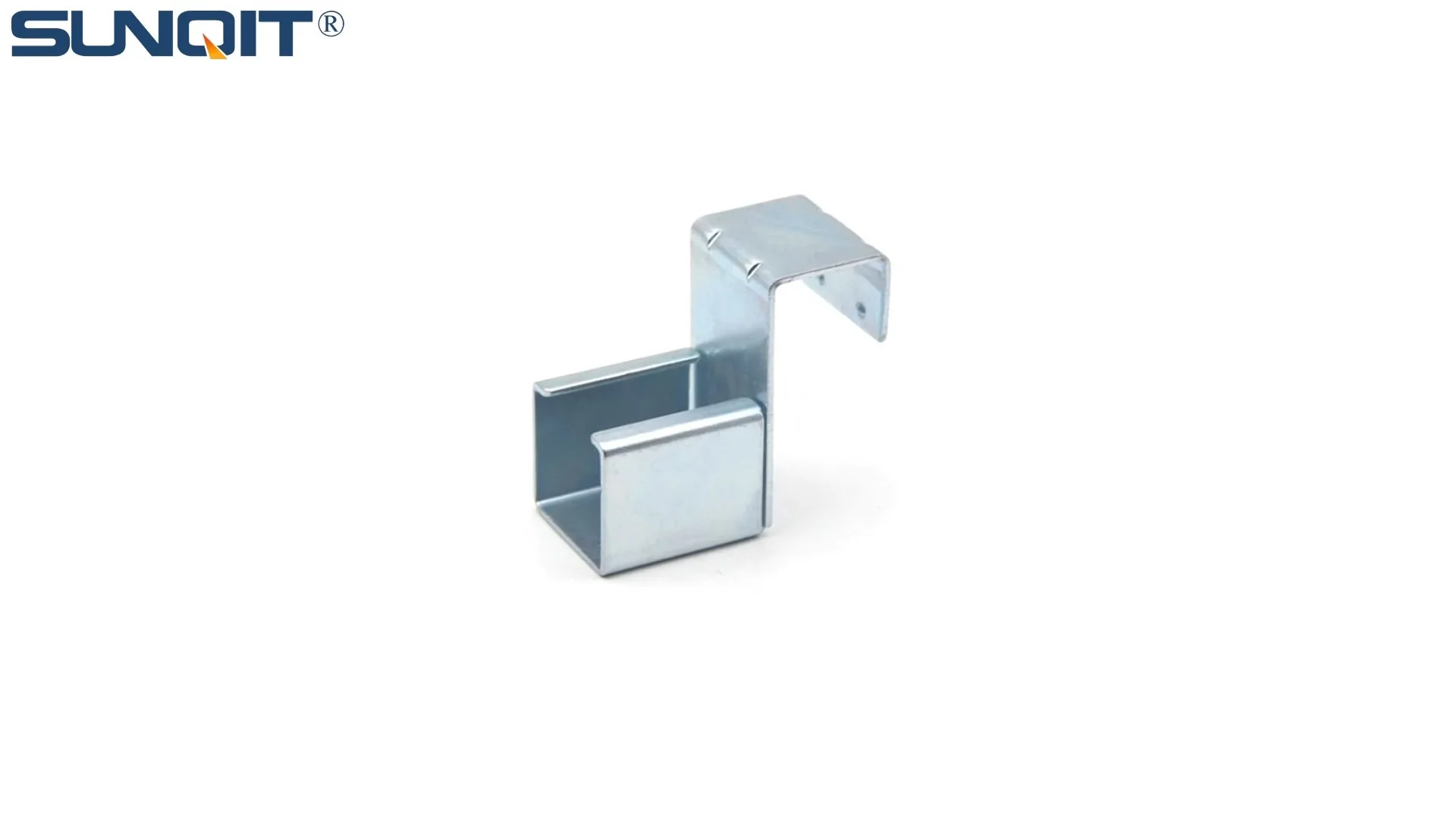
If you've ever walked through a busy manufacturing plant, you've probably seen them—those sleek, metallic tracks zipping components from one workstation to the next, keeping production lines moving like a well-choreographed dance. One of the unsung heroes of this dance? The 40 Roller Track Placon Mount drop High. This isn't just a piece of metal; it's the backbone of efficient material flow in lean systems across industries like 3C assembly, automotive, and (warehousing and logistics). But like any hardworking team member, it needs a little TLC to keep performing at its best. Let's dive into how to clean and maintain this critical tool so it keeps your operations smooth, your downtime low, and your team happy for years to come.
Why Bother? The Impact of Neglected Roller Tracks
Before we grab our cleaning rags, let's talk about why this matters. A dirty or poorly maintained roller track might seem like a small issue, but it can snowball fast. Imagine this: a buildup of dust and debris in the track causes a roller to jam. That jams the entire line. Suddenly, your team is standing around, deadlines are slipping, and frustration is rising. Worse, if a worn-out caster wheel or loose aluminum profile connector gives out, you could be looking at costly repairs or even safety risks. In lean manufacturing, every second counts—and a well-maintained roller track is one of the easiest ways to keep those seconds on your side.
Pro Insight: Studies show that regular maintenance can extend the lifespan of roller tracks by up to 30%—that's years of extra service from a tool you've already invested in. It's not just about saving money; it's about respecting the efficiency your lean system was built to deliver.
Gearing Up: Tools You'll Need
You don't need a fancy toolkit for this—just a few basics you probably already have in your maintenance closet. Here's what to gather:
- Soft-bristle brush (a toothbrush works great for tight spots!)
- Microfiber cloths (avoid paper towels—they leave lint behind)
- Mild detergent (dish soap diluted in water works well; skip harsh chemicals like bleach)
- Compressed air can or air compressor (for blowing out dust in crevices)
- Silicone-based lubricant (avoid oil-based lubes—they attract more dust)
- Hex key set (for tightening loose aluminum profile connectors)
- Flashlight (to check for hidden debris or wear)
- Rubber mallet (gently tapping misaligned parts back into place)
Got everything? Good—let's get started.

Step 1: Daily Cleaning—Quick Wins for Busy Days
You don't need to deep clean every day, but a 2-minute daily wipe-down can prevent big problems later. Here's how to do it right:
1.1 Power Down and Inspect First
Safety first! Always turn off the power to the conveyor system (if your track is motorized) before cleaning. Then, take a quick visual scan—are there any obvious chunks of debris, like plastic shavings or loose screws? Pick those up by hand (wear gloves if needed) to avoid scratching the track during cleaning.
1.2 Wipe the Rails and Rollers
Grab a dry microfiber cloth and run it along the aluminum guide rails and each roller. This removes surface dust and prevents it from building up into a gritty paste. For hard-to-reach spots between rollers, use the soft-bristle brush to dislodge dust—think of it like brushing crumbs out of a toaster, but for your production line.
1.3 Check for Sticky Spots
If you notice any sticky residue (from spilled lubricant, adhesive, or product), dampen a corner of the cloth with your soapy water mix and gently rub the spot. Wipe it dry immediately—you don't want water sitting on the aluminum profile, which can lead to oxidation over time.

Step 2: Deep Cleaning—Monthly Maintenance for Peak Performance
Once a month (or more often if your facility is extra dusty, like a woodworking shop), it's time for a deep clean. Set aside 30–45 minutes, and your track will thank you.
2.1 Blow Out Hidden Debris
Use compressed air to blast dust from the nooks and crannies: between the roller track placon mount connectors, around the end supports, and inside the aluminum profile channels. Hold the air nozzle a few inches away to avoid damaging delicate parts—you're trying to clean, not sandblast!
2.2 Scrub the Rollers and Bearings
Remove a few rollers (if your track allows—check your manufacturer's guide for how to detach them) and scrub the wheels and bearings with the soapy cloth. If they're really grimy, let them soak in soapy water for 5 minutes first. Rinse with a damp cloth, dry thoroughly, and set aside while you clean the track itself.
2.3 Clean the Track Bed
The track bed (the surface the rollers sit on) can collect gunk over time. Use the brush to loosen debris, then wipe with a damp cloth. For tough stains, a plastic scraper (like a credit card) can gently lift stuck-on grime without scratching the aluminum. Dry the track completely before reattaching the rollers—moisture and metal don't mix well long-term.

Step 3: Maintenance—Lubrication, Tightening, and Tuning
Cleaning removes the "bad stuff," but maintenance adds the "good stuff" to keep things running smoothly. Let's break it down:
3.1 Lubricate Like a Pro
Rollers and bearings need lubrication to reduce friction, but not all lubes are created equal. Silicone-based lubricants are best here—they repel dust and won't gum up like oil-based options. Apply a tiny drop to each roller axle and spin the wheel to distribute it evenly. Wipe off any excess—you want a thin film, not a puddle. For the track's sliding surfaces (like aluminum guide rail A or B), a light spray of silicone lube on a cloth (not directly on the track) will keep materials gliding smoothly.
3.2 Tighten Loose Connections
Vibration from daily use can loosen bolts and connectors—this is where your hex key set comes in. Check all roller track placon mount brackets, end supports, and aluminum profile fixings. Tighten them snugly, but don't overdo it—stripping a bolt is worse than leaving it a little loose. Pay extra attention to joints where the track meets other equipment, like conveyor systems or workbenches—these take the most stress.
3.3 Adjust Roller Alignment
Over time, rollers can get misaligned, causing materials to veer off track or make loud noises. To check alignment, place a straightedge along the track—all rollers should touch it evenly. If one is sticking up or sitting too low, loosen its mounting bracket, adjust, and retighten. For stubborn misalignments, a gentle tap with the rubber mallet can nudge it back into place. Test the track by rolling a small box along it—if it moves smoothly without wobbling, you're good!
Troubleshooting Common Issues (and How to Fix Them Fast)
Even with great maintenance, problems can pop up. Here's how to handle the most common ones:
Issue 1: Rollers Are Sticking or Squeaking
Why it happens: Dust buildup, dry bearings, or misalignment.
Fix: Clean the rollers and bearings (see Step 2.2), lubricate with silicone lube, and realign if needed. If a roller still sticks after cleaning, it might be worn out—replace it with a new one (keep spares on hand!).
Issue 2: Track Is Wobbly or Unstable
Why it happens: Loose brackets, worn caster wheels, or uneven floor mounting.
Fix: Tighten all connectors (Step 3.2). Check the caster wheels (if your track is mobile) for flat spots or cracks—replace them if damaged. If the floor is uneven, use adjustable leveling feet under the track supports to stabilize it.
Issue 3: Materials Are Slowing Down on the Track
Why it happens: Dirty or dry guide rails, misaligned rollers, or too much friction.
Fix: Clean and lubricate the guide rails, realign rollers, and ensure the track is sloped correctly (most gravity-fed tracks need a tiny incline—check your system's specs).
Long-Term Care: Create a Maintenance Schedule
Consistency is key! Set up a simple schedule to keep track of cleaning and maintenance. Here's a sample to adapt to your facility's needs:
| Task | Frequency | Who Does It | Notes |
|---|---|---|---|
| Daily wipe-down & inspection | End of each shift | Line operators | Quick visual check + dust removal |
| Roller lubrication | Every 2 weeks | Maintenance team | Focus on high-traffic sections |
| Deep cleaning | Monthly | Maintenance team | Include bearing inspection & track bed scrub |
| Bolt tightening & alignment check | Quarterly | Maintenance team | Use torque wrench for critical joints |
| Full component review | Annually | Maintenance supervisor | replace worn parts (rollers, connectors) proactively |
Pro Tip: Keep a maintenance log! Jot down dates, tasks done, and any issues you notice. Over time, this will help you spot patterns (e.g., "The left track always needs more lubrication") and adjust your schedule accordingly.
When to Call in the Pros: Knowing Your Limits
You're now a roller track maintenance pro, but some jobs are better left to experts. If you notice bent aluminum profiles, cracked roller track placon mount brackets, or motor issues (for powered tracks), reach out to your lean solution supplier. Trying to fix structural damage yourself could make it worse—and safety should never be a DIY project.
Wrapping Up: Your Track, Your Team, Your Success
Maintaining your 40 Roller Track Placon Mount drop High isn't just about keeping a piece of equipment in shape—it's about respecting the work your team does every day. A smooth, reliable track means less frustration, fewer delays, and more time to focus on what really matters: building great products. Plus, when you extend the life of your lean pipe and aluminum profile systems, you're living the "sustainable improvement" mindset that lean manufacturing is all about.
So grab that microfiber cloth, set a reminder on your calendar, and give your roller track the care it deserves. Your future self (and your production numbers) will thank you.