- Company Articles
- Products and Technology
- Installation And Maintenance
- How to Clean and Maintain 40 Steel Roller Track Black Wheels for Optimal Performance

How to Clean and Maintain 40 Steel Roller Track Black Wheels for Optimal Performance
Related Product
40 Steel Roller Track Black Wheel
The roller track can be installed with multiple accessories to create different slopes and configurations of flow racks.All steel conveyor 40 roller track accessories are engineered to perfectly fit the sliding rail.
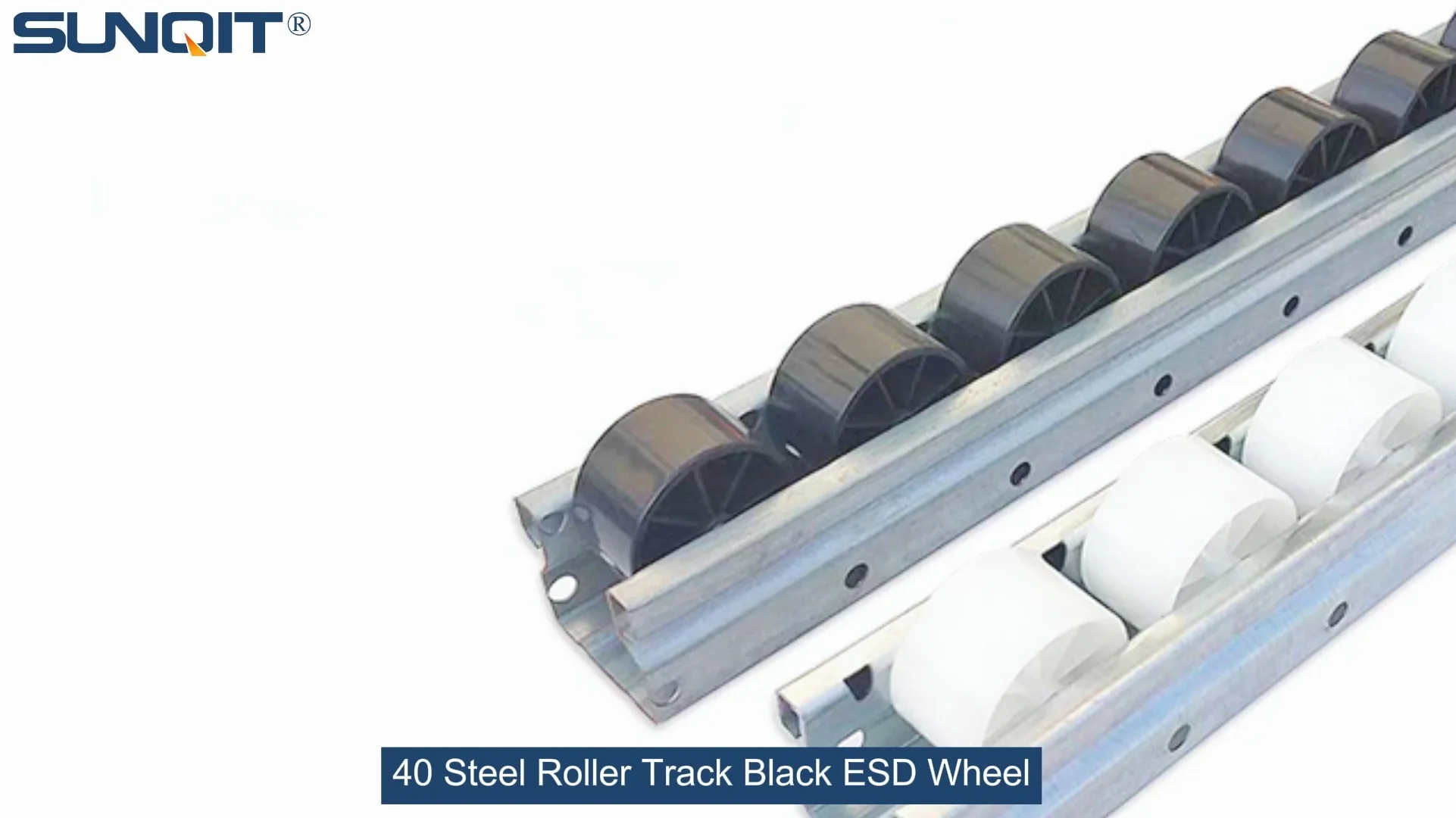
Let's start with a scenario we've all seen (or experienced): A production line suddenly slows down. Workers pause, frown, and lean in to check—the culprit? A sticky, grimy roller track wheel that's stopped spinning smoothly. In the world of manufacturing, those small 40 steel roller track black wheels might not look like much, but they're the unsung heroes keeping your conveyor systems, flow racks, and assembly lines moving. When they work well, you barely notice them. When they don't? Downtime, frustration, and lost productivity follow.
Here's the thing: These wheels aren't just metal and rubber. They're critical links in your lean system, designed to handle the daily grind of heavy loads, constant motion, and the messy reality of factory floors. But like any hardworking team member, they need a little care to stay at their best. In this guide, we'll walk through simple, actionable steps to clean and maintain your 40 steel roller track black wheels—so your production line stays efficient, your workers stay focused, and your lean manufacturing goals stay on track.
Understanding Your 40 Steel Roller Track Black Wheels
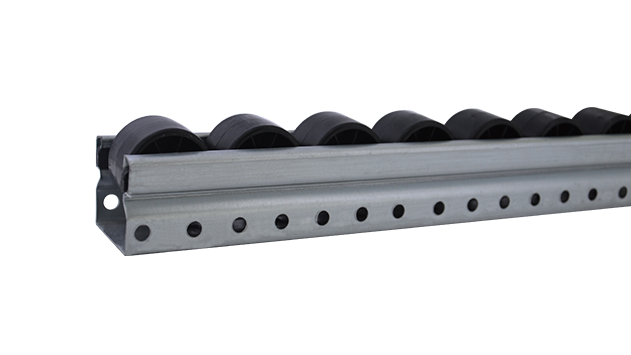
Before we dive into cleaning and maintenance, let's get to know these components better. The 40 steel roller track black wheels are engineered for durability, with a steel core that handles weight and a black rubber or plastic outer layer that provides grip and reduces noise. They're common in flow racks, conveyor systems, and lean pipe workbenches—anywhere materials need to glide smoothly from one station to the next.
What makes them unique? Their design balances strength and flexibility. The black wheel material is often ESD-safe (electrostatic discharge), which is crucial for sensitive electronics manufacturing. The steel frame resists bending under heavy loads, while the precision bearings inside ensure that spin you need to keep things moving. But here's the catch: All that hard work leaves them vulnerable to dirt, dust, oil, and wear. Without regular care, even the toughest wheels will start to fail.
Quick fact: A single dirty or misaligned wheel can slow a conveyor system by up to 15%—that's hours of lost production over a month. Multiply that across an entire factory floor, and the cost adds up fast.
Step-by-Step Cleaning Guide: Getting Your Wheels Back to Smooth
Cleaning your roller track wheels isn't a one-size-fits-all task—it depends on how dirty they are, what kind of debris they're dealing with, and how often they're used. But follow this step-by-step process, and you'll have them spinning like new in no time.
1. Gather Your Tools
First, round up what you'll need. You don't need fancy equipment—just basic supplies you probably already have in your maintenance closet:
| Tool/Product | Use |
|---|---|
| Soft-bristle brush | Removing loose dirt and debris from wheel surfaces |
| Lint-free cloths | Wiping down wheels and bearings |
| Mild detergent (dish soap works!) | Cutting through grease and oil |
| Water (distilled, if possible) | Mixing with detergent for cleaning solution |
| Compressed air can or air compressor | Blowing out dust from (bearings) |
| Rubbing alcohol (isopropyl) | Disinfecting and drying hard-to-reach areas |
| Small toothbrush or pipe cleaner | Cleaning crevices around bearings |
2. Safety First: Power Down and Inspect
Never clean a moving roller track! Start by shutting off the power to the conveyor or flow rack. This isn't just about avoiding accidents—it also lets you get a close look at each wheel without worrying about it spinning unexpectedly. Take a moment to inspect the entire track: Are there any obvious issues like broken wheels, bent axles, or loose bolts? Note those down—we'll tackle maintenance after cleaning.
3. Remove Surface Debris
Grab your soft-bristle brush and gently sweep away loose dirt, dust, and small debris from each wheel. Pay extra attention to the space between the wheel and the track frame—this is where dust loves to hide. If there's caked-on grime (think dried oil or product residue), use the brush to loosen it before moving to wet cleaning. For stubborn bits, a toothbrush works wonders in tight spots.
4. Wash Away Grease and Oil
Mix a small amount of mild detergent with water (about 1 teaspoon per cup of water) to make a gentle cleaning solution. Dip a lint-free cloth into the solution, wring it out so it's damp (not soaking), and wipe down each wheel. Focus on the outer surface where grease and oil build up—these can make wheels slippery or sticky. For ESD-safe wheels, avoid harsh chemicals like bleach or ammonia—they can damage the ESD coating.
After wiping, use a clean, damp cloth with plain water to rinse off any soap residue. Soap left behind can attract more dirt later, so don't skip this step! Then, dry each wheel thoroughly with a dry cloth—moisture can lead to rust on the steel components.
5. Clean the Bearings (The Secret to Smooth Spins)
The bearings inside the wheel are what make it spin. If they're clogged with dust, the wheel will drag or seize up. Here's how to clean them: Use compressed air to blow dust out of the bearing area—hold the can a few inches away to avoid damaging the bearings. If you don't have compressed air, a pipe cleaner gently twisted into the bearing (gap) can pull out loose debris.
For bearings that feel gritty when you spin the wheel, a drop of rubbing alcohol on a cloth can help dissolve stubborn grime. Wipe the bearing area lightly, then let it air dry for 5 minutes before moving on to lubrication (more on that later).
Essential Maintenance Practices: Keeping Wheels in Top Shape
Cleaning is just the first step. Regular maintenance is how you prevent problems before they start. Think of it like changing the oil in your car—skip it, and you'll be dealing with bigger, costlier issues down the line. Here's what you need to do:
1. Lubricate Bearings Regularly
Bearings need lubrication to reduce friction and wear. After cleaning, apply a small amount of lightweight machine oil or bearing grease to each wheel's bearing. Use a toothpick or small brush to apply—you only need a drop or two (too much oil attracts dirt). Spin the wheel a few times to distribute the lubricant evenly. For high-use systems (like conveyor belts running 8+ hours a day), lubricate every 2 weeks. For less frequent use, monthly is usually enough.
Pro Tip:
Use a lubricant labeled "food-grade" if you're in the food packaging or medical device industry—these are safer for sensitive environments and won't leave harmful residues.
2. Check for Wear and Tear
Every time you clean, take 30 seconds to inspect each wheel for signs of damage: cracks in the wheel surface, flat spots (from sitting under heavy loads), or rust on the steel frame. If a wheel is cracked or has deep grooves, replace it immediately—damaged wheels can jam the track or damage products. Also, check the axle and mounting bolts: Are they loose? Tighten them with a wrench to prevent wheels from wobbling.
How do you know when it's time to replace a wheel? If it doesn't spin freely after cleaning and lubrication, or if the wheel material is worn down to the steel core, it's time for a new one. Don't wait for it to fail completely—replace proactively to avoid downtime.
3. Align the Track and Wheels
Even a slightly misaligned wheel can cause problems. Over time, tracks can bend or shift, making wheels rub against the frame instead of spinning freely. To check alignment, spin each wheel and watch its path—if it wobbles or scrapes the track, gently adjust the mounting brackets until the wheel spins straight. A level tool can help ensure the track itself is even from end to end—uneven tracks put extra stress on wheels, leading to premature wear.
4. Keep the Surrounding Area Clean
Dust and debris on the factory floor eventually find their way onto your roller tracks. Sweep or vacuum the area around the track daily, and use mats near entry points to trap dirt from shoes or equipment. For high-debris areas (like near machining stations), consider installing a simple guard or cover over the track to keep larger particles out.

Troubleshooting Common Issues: Fixing Wheel Problems Fast
Even with great maintenance, issues can pop up. Here's how to diagnose and fix the most common problems:
Problem: Wheel is Stuck or Hard to Spin
Cause: Dirty bearings, lack of lubrication, or a bent axle. Solution: Clean and lubricate the bearings first. If that doesn't work, check the axle—if it's bent, replace it. For severely stuck wheels, removing the wheel from the track and soaking the bearing in rubbing alcohol for 10 minutes can dissolve built-up grime.
Problem: Loud Squeaking or Grinding Noises
Cause: Dry bearings or misaligned wheels. Solution: Lubricate the bearings. If the noise continues, check alignment—adjust the wheel so it spins without rubbing the track. If the wheel itself is damaged (cracked or chipped), replace it immediately (damaged wheels often make unusual noises).
Problem: Wheels Are Slipping (Materials Won't Move)
Cause: Greasy wheel surface or worn wheel material. Solution: Clean the wheel with soap and water to remove oil. If the wheel surface is smooth (no tread left), replace it—worn wheels lose grip, making it hard to move materials.

Long-Term Care: Building a Maintenance Routine
The best way to keep your 40 steel roller track black wheels performing is to make maintenance a habit. Create a simple schedule based on how much your track is used:
| Usage Level | Daily Tasks | Weekly Tasks | Monthly Tasks |
|---|---|---|---|
| High (8+ hours/day) | Sweep debris, check for obvious damage | Clean wheels, lubricate bearings | Inspect for wear, align track, replace worn wheels |
| Medium (4-8 hours/day) | Sweep debris | Check for damage, clean wheels | Lubricate bearings, inspect alignment |
| Low (Less than 4 hours/day) | Visual check for debris | Clean wheels if needed | Lubricate bearings, inspect for wear |
Keep a maintenance log to track when you cleaned, lubricated, or replaced wheels. This helps you spot patterns (e.g., "Wheel 5"—maybe it's under extra load) and plan for replacements before a breakdown.
Lean Manufacturing Bonus:
Regular wheel maintenance aligns perfectly with lean principles! By reducing downtime and extending wheel life, you're cutting waste (muda) and improving efficiency. It's a small investment of time that pays off in big productivity gains.
Why Quality Matters: Choosing the Right Wheels and Suppliers
Even with the best maintenance, low-quality wheels will fail faster. When it's time to replace wheels or upgrade your roller track system, choose a reputable lean pipe supplier that specializes in durable, precision-engineered components. Look for wheels with:
- High-grade steel frames to resist bending
- ESD-safe rubber/plastic wheels (for electronics manufacturing)
- Sealed bearings to keep dust out (reduces cleaning needs!)
- Consistent sizing to ensure compatibility with your existing track
A reliable supplier won't just sell you parts—they'll help you choose the right wheels for your specific needs (e.g., heavy loads vs. high-speed applications) and offer guidance on maintenance. That's the kind of partnership that makes lean manufacturing work.
Conclusion: Small Steps, Big Results
At the end of the day, cleaning and maintaining 40 steel roller track black wheels isn't glamorous work. It's not the kind of task that makes headlines or wins awards. But it's the kind of work that keeps your production line moving, your team productive, and your business profitable. By taking 15 minutes each week to clean, inspect, and lubricate these small but critical components, you're investing in the efficiency and reliability of your entire operation.
So grab your brush, your lubricant, and your maintenance log. Your wheels (and your bottom line) will thank you. After all, in lean manufacturing, the details matter—and smooth-spinning wheels are one detail that can make all the difference.