- Company Articles
- Products and Technology
- Installation And Maintenance
- How to Clean and Maintain One Side Rotatory Chrome Parallel Lean Pipe Joints

How to Clean and Maintain One Side Rotatory Chrome Parallel Lean Pipe Joints
Related Product
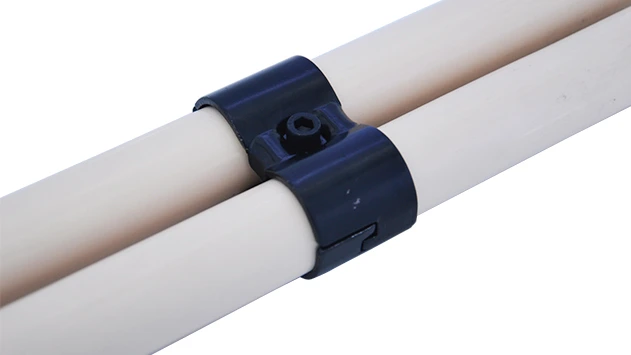
Parallel Lean Pipe Joint
Parallel lean pipe joint used for 2 pcs 28MM lean pipe connection in parallel direction to enhance frame structure, usually for heavy payload requirement for workbench. flow rack, hand trolley.
Introduction: The Unsung Heroes of Lean Systems
In the bustling world of manufacturing and production, where every second counts and efficiency is king, there's a silent workhorse that keeps operations running smoothly: the lean pipe joint. These unassuming components are the backbone of lean systems, holding together everything from workbenches and flow racks to conveyor systems and turnover trolleys. Among the many types of lean pipe joints, one stands out for its flexibility and durability: the one side rotatory chrome parallel lean pipe joint. Whether you're managing a busy assembly line or maintaining a warehouse setup, understanding how to properly clean and maintain these joints isn't just a "nice-to-have"—it's essential for keeping your lean system functioning at its best, reducing downtime, and extending the lifespan of your equipment.
Think about it: a single stiff or corroded joint can slow down material flow, create bottlenecks, or even lead to equipment damage. Over time, dirt, grease, and wear can take a toll on these small but critical parts, turning a minor inconvenience into a major production headache. But with the right knowledge and a little regular care, you can keep these joints rotating smoothly, ensuring your lean pipe structures remain sturdy, reliable, and ready to handle the demands of your workspace. In this guide, we'll walk you through everything you need to know about cleaning and maintaining one side rotatory chrome parallel lean pipe joints, from understanding their design to troubleshooting common issues. Let's dive in.
Understanding One Side Rotatory Chrome Parallel Lean Pipe Joints
Before we jump into maintenance, let's take a moment to appreciate what makes these joints unique. At first glance, a lean pipe joint might seem like a simple piece of hardware, but its design is surprisingly thoughtful. The one side rotatory chrome parallel lean pipe joint is engineered to connect lean pipes (typically aluminum or steel tubes) while allowing for rotational movement on one side—hence the "one side rotatory" name. This rotation is what gives lean systems their flexibility: it lets you adjust the angle of workbenches, reposition material racks, or modify conveyor paths without having to disassemble the entire structure.
The "chrome" in the name refers to the chrome plating on the joint's surface. This isn't just for aesthetics; chrome is highly resistant to corrosion and wear, making it ideal for industrial environments where moisture, oils, or chemicals might be present. The "parallel" aspect means the joint is designed to connect pipes that run parallel to each other, creating stable, horizontal or vertical structures. When paired with the right lean pipe and accessories, these joints form the building blocks of everything from simple workstations to complex material handling systems.
To visualize how these joints work, imagine a typical lean pipe workbench. The frame is built using lean pipes connected by various joints, including one side rotatory chrome parallel ones. These joints allow the workbench's shelves or accessories (like tool holders) to swivel or adjust, adapting to different tasks throughout the day. Without smooth rotation, those adjustments become difficult or impossible, limiting the workbench's functionality. That's why keeping these joints in top shape is so crucial—they're the reason lean systems live up to their name: "lean," meaning efficient, adaptable, and waste-free.

Why Regular Cleaning and Maintenance Matter
You might be thinking, "These joints are made of chrome and metal—can't they just handle whatever the factory throws at them?" While it's true that lean pipe joints are built to be tough, they're not invincible. Let's break down why regular care is non-negotiable:
1. Preventing Corrosion and Wear
Chrome plating is excellent at resisting rust, but it's not impervious. Scratches, dents, or even tiny cracks in the chrome can expose the underlying metal to moisture, oils, or chemicals. Over time, this can lead to corrosion, which eats away at the joint's structure. Dirt and debris trapped in the rotational mechanism can also cause friction, wearing down the moving parts and making the joint stiff or jerky. Regular cleaning removes these contaminants, while maintenance (like lubrication) reduces friction, keeping the joint moving smoothly and preventing premature wear.
2. Ensuring Safety
A damaged or poorly maintained joint isn't just a productivity risk—it's a safety hazard. A loose or weakened joint could cause a section of your lean pipe structure to collapse, potentially injuring workers or damaging materials. Stiff joints might require extra force to adjust, leading to strained muscles or accidents. By keeping joints clean and tight, you're creating a safer workspace for everyone.
3. Saving Time and Money
Downtime is expensive. A single hour of halted production can cost thousands of dollars, depending on your industry. By catching issues early (like a stiff joint that just needs cleaning and lubrication), you avoid costly repairs or replacements down the line. Regular maintenance is far cheaper than replacing an entire joint or repairing damage caused by a failed component. Plus, a well-maintained lean system runs more efficiently, reducing waste and boosting overall productivity.
4. Preserving Flexibility
The whole point of a lean system is its adaptability. If your one side rotatory joint can't rotate, you lose that flexibility. Maybe you need to reposition a workbench to accommodate a new task, or adjust a flow rack to fit larger materials—without a functional joint, you're stuck. Regular care ensures your joints retain their rotational ability, so your lean system can evolve with your needs.

Tools and Materials You'll Need
Before you start cleaning and maintaining your one side rotatory chrome parallel lean pipe joints, gather the right tools and materials. You don't need anything fancy—most of these items are probably already in your maintenance closet. Here's what you'll need:
| Tool/Material | Purpose | Tips |
|---|---|---|
| Microfiber cloths | Wiping away dust, dirt, and excess lubricant | Use lint-free cloths to avoid leaving residue; have a few on hand for different tasks (e.g., dry wiping vs. damp cleaning). |
| Soft-bristled brush (toothbrush or small parts brush) | Removing debris from tight spaces, like the rotational mechanism or crevices in the joint | A toothbrush works great for small, hard-to-reach areas; avoid metal brushes, which can scratch the chrome finish. |
| Mild detergent (dish soap or pH-neutral cleaner) | Cleaning grease or oil buildup | Dilute with water to avoid harsh chemical residue; test on a small, inconspicuous area first to ensure it doesn't damage the chrome. |
| Distilled water | Rinsing off detergent | Tap water can leave mineral deposits; distilled water dries cleaner, reducing the risk of spots or corrosion. |
| Silicone-based lubricant (spray or dropper bottle) | Lubricating the rotational joint | Avoid oil-based lubricants, which can attract dirt; silicone-based options are long-lasting and repel dust. |
| Chrome polish (optional) | Removing minor scratches or restoring shine to the chrome finish | Choose a polish specifically designed for chrome; avoid abrasive compounds that can wear down the plating. |
| Adjustable wrench or hex key (depending on joint design) | Tightening loose connections or disassembling the joint (if needed) | Use the correct size to avoid stripping bolts or damaging the joint; if disassembling, keep track of small parts (e.g., washers). |
| Flashlight | Inspecting hard-to-see areas for damage or debris | A small, bright flashlight helps spot cracks, rust, or trapped dirt in the rotational mechanism. |
Pro tip: Keep these tools organized in a small toolkit dedicated to lean pipe maintenance. That way, you'll always have what you need on hand, and you won't waste time searching for supplies when you notice an issue.
Step-by-Step Cleaning Process
Now that you have your tools ready, let's walk through the cleaning process. This should be done every 2–4 weeks, depending on how dusty or greasy your environment is. If your workspace is particularly dirty (e.g., a manufacturing floor with lots of oil or debris), you might need to clean more frequently—weekly, or even biweekly.
Step 1: Prepare the Area
Start by clearing the area around the joint. Remove any materials, tools, or equipment that might get in the way. If the joint is part of a larger structure (like a workbench or flow rack), make sure the structure is stable—you don't want it shifting while you're working. If possible, power down any nearby machinery to avoid accidents. Safety first!
Step 2: Dry Wipe to Remove Loose Debris
Take a clean microfiber cloth and gently wipe the entire surface of the joint, including the chrome plating and the rotational mechanism. This removes loose dust, dirt, or lint that could scratch the surface during deeper cleaning. Pay special attention to the crevices where the joint connects to the lean pipe—these areas often trap debris. Use a soft-bristled brush to dislodge any stubborn particles (like dust bunnies or small pieces of debris) that the cloth can't reach.
Step 3: Clean Grease or Oil Buildup (If Needed)
If the joint is greasy or oily (common in manufacturing settings where lubricants or coolants are used), mix a small amount of mild detergent with distilled water (about 1 teaspoon of soap per cup of water). Dip a clean microfiber cloth into the solution, wring it out well (you don't want excess water dripping into the joint), and gently wipe the affected areas. Focus on the rotational parts, as grease buildup here is a common cause of stiffness. Avoid saturating the joint—too much water can seep into the mechanism and cause rust. If the grease is thick, use the soft-bristled brush to scrub gently, then wipe away with the damp cloth.
Step 4: Rinse and Dry Thoroughly
If you used detergent, dampen a new microfiber cloth with distilled water (no soap) and wipe the joint to remove any residue. Soap left on the chrome can attract dirt, so it's important to rinse thoroughly. Once rinsed, dry the joint immediately with a clean, dry microfiber cloth. Pay extra attention to the rotational mechanism—moisture here can lead to corrosion or frozen parts. If you're worried about water trapped in small spaces, use a can of compressed air (with the nozzle attachment) to blow out excess moisture. Hold the can upright to avoid spraying liquid propellant onto the joint.
Step 5: Inspect for Damage
Now that the joint is clean and dry, take a close look at it with your flashlight. Check the chrome plating for scratches, dents, or peeling—these are signs that the underlying metal might be exposed. Inspect the rotational mechanism for wear: are there any cracks in the plastic or metal components? Is the joint loose where it connects to the lean pipe? Are there any missing parts (like washers or small bolts)? If you notice major damage (e.g., deep scratches, cracks, or a joint that's bent out of shape), it might be time to replace the joint. For minor scratches, you can use chrome polish to buff them out (we'll cover that in the maintenance section).
Essential Maintenance Practices
Cleaning is just the first step—maintenance ensures your one side rotatory chrome parallel lean pipe joint stays in great shape long-term. Here are the key practices to follow:
Lubricate the Rotational Mechanism
The rotational part of the joint is where most wear occurs, so keeping it lubricated is critical. After cleaning and drying the joint, apply a small amount of silicone-based lubricant to the moving parts. How much? A little goes a long way—you don't want to overdo it, as excess lubricant can attract dirt. For spray lubricants, hold the can about 6–8 inches away from the joint and spray for 1–2 seconds. For dropper bottles, add 2–3 drops directly to the pivot point. Then, rotate the joint back and forth a few times to distribute the lubricant evenly. This ensures the mechanism moves smoothly and reduces friction. How often should you lubricate? Aim for every 4–6 weeks, or more frequently if the joint is used heavily or exposed to dust, moisture, or extreme temperatures.
Tighten Connections
Over time, the bolts or screws that hold the joint to the lean pipe can loosen due to vibration or regular use. A loose joint is unstable and can cause the entire structure to wobble, putting stress on the joint and surrounding components. Use an adjustable wrench or hex key (depending on your joint's design) to gently tighten the connections. Be careful not to overtighten—this can strip the threads or damage the lean pipe. Just snug them up until there's no play in the joint. Check the connections every time you clean the joint, as loose bolts are often easy to fix before they become a problem.
Polish the Chrome Finish (If Needed)
Minor scratches on the chrome can be buffed out with chrome polish, which helps protect the surface and restore shine. Apply a small amount of polish to a clean microfiber cloth (a dime-sized amount is usually enough) and rub it into the scratch in a circular motion. Let it sit for 1–2 minutes (check the polish instructions for exact timing), then buff away with a clean, dry cloth. This not only improves the appearance but also helps seal small scratches, preventing moisture from reaching the underlying metal. Do this every 2–3 months, or as needed if you notice scratches or dullness.
Check Alignment
A misaligned joint can cause uneven wear and strain. When inspecting the joint, make sure it's properly aligned with the lean pipe. If the joint is tilted or the lean pipe is bent, it can put extra pressure on the rotational mechanism, leading to premature failure. If you notice misalignment, adjust the lean pipe or surrounding components to straighten it out. This might involve loosening nearby joints, realigning the pipe, and retightening—just be sure to check all connections after making adjustments.
Troubleshooting Common Issues
Even with regular care, you might run into issues with your one side rotatory chrome parallel lean pipe joint. Here's how to diagnose and fix the most common problems:
Issue 1: The Joint Is Stiff or Won't Rotate
Possible Causes: Dirt or debris trapped in the rotational mechanism, dried lubricant, or corrosion.
Solution: Start by cleaning the joint thoroughly (follow the steps above) to remove debris. If it's still stiff, apply fresh silicone-based lubricant and rotate the joint back and forth to distribute it. If the problem persists, check for corrosion—if you see rust, use a chrome polish to remove it, then clean and relubricate. If the joint is still stuck, it might be worn out and need replacement.
Issue 2: The Joint Is Loose
Possible Causes: Loose bolts, worn threads on the lean pipe, or a damaged joint connection.
Solution: Tighten the bolts with an adjustable wrench or hex key (be careful not to overtighten). If the bolts won't stay tight, check the threads on the lean pipe—if they're stripped, you may need to replace the pipe section. If the joint itself is damaged (e.g., a cracked connection point), replace the joint.
Issue 3: Chrome Plating Is Peeling or Rusting
Possible Causes: Scratches or damage exposing the underlying metal, or prolonged exposure to moisture/chemicals.
Solution: For minor peeling, use chrome polish to seal the edges and prevent further damage. For rust, gently scrub the area with a chrome polish (avoid abrasive tools, which can worsen the damage). If the plating is extensively peeled or rusted, the joint should be replaced—corrosion weakens the structure and can spread to other parts of the lean system.
Issue 4: The Joint Makes a Grinding Noise When Rotating
Possible Causes: Debris in the mechanism, worn parts, or lack of lubrication.
Solution: Clean the joint to remove debris, then lubricate. If the noise persists, inspect the rotational parts for wear—look for cracked or broken components (like plastic washers or metal gears). If parts are worn, replace the joint to avoid further damage.
Best Practices for Long-Term Durability
To keep your one side rotatory chrome parallel lean pipe joints (and your entire lean system) in top shape for years, follow these best practices:
Stick to a Regular Maintenance Schedule
Consistency is key. Set a calendar reminder to clean and inspect your joints every 2–4 weeks, depending on usage. For high-traffic areas (like assembly lines that run 24/7), weekly checks might be necessary. Create a simple checklist to ensure you don't miss any steps: clean, inspect, lubricate, tighten. Over time, this routine will become second nature, and you'll catch issues before they escalate.
Train Your Team to Spot Issues
Your frontline workers are the first to notice when something's off. Train them to recognize signs of a problematic joint: stiffness, grinding noises, looseness, or visible damage. Encourage them to report issues immediately (even if they seem minor) so you can address them before they cause downtime. A quick "Hey, this joint is stuck" from a team member can save hours of hassle later.
Use Quality Lean Pipe and Accessories
Not all lean pipe joints are created equal. Invest in high-quality, genuine parts from reputable suppliers. Cheap knockoffs might save you money upfront, but they're often made with inferior materials (like thin chrome plating or weak plastic components) that wear out quickly. Using compatible lean pipe and accessories also ensures a snug fit, reducing stress on the joint. When replacing a joint, stick to the same brand or model to ensure compatibility with your existing lean system.
Avoid Overloading the Joint
Every lean pipe joint has a weight limit. Exceeding this limit puts unnecessary stress on the joint, leading to bending, cracking, or failure. Check the manufacturer's specifications for your joint's weight capacity, and ensure your lean structure doesn't exceed it. If you need to support heavier loads, consider upgrading to a heavy-duty joint or reinforcing the structure with additional supports.
Store Spare Joints On-Site
Even with the best maintenance, joints occasionally need replacement. Keep a few spare one side rotatory chrome parallel lean pipe joints in your maintenance closet, along with basic tools (like wrenches and lubricant). This way, if a joint fails unexpectedly, you can replace it quickly and minimize downtime. Label the spares clearly so anyone on your team can find them in an emergency.
Conclusion: Small Steps, Big Results
Cleaning and maintaining one side rotatory chrome parallel lean pipe joints might seem like a small task, but it's one that has a big impact on your lean system's performance, safety, and longevity. By taking the time to understand these joints, gathering the right tools, and following a regular maintenance routine, you're investing in the efficiency and reliability of your workspace. Remember: a smooth-rotating joint is a happy joint, and a happy joint means a smoother, more productive operation.
Whether you're a seasoned maintenance pro or new to lean systems, the steps outlined in this guide are simple, actionable, and designed to save you time, money, and headaches. So grab your microfiber cloth, your silicone lubricant, and get started—your lean system (and your bottom line) will thank you. Here's to many years of smooth rotations, sturdy structures, and seamless production!