- Company Articles
- Products and Technology
- Installation And Maintenance
- How to Clean and Maintain Swivel Stem Caster Wheels with Brake

How to Clean and Maintain Swivel Stem Caster Wheels with Brake
Related Product
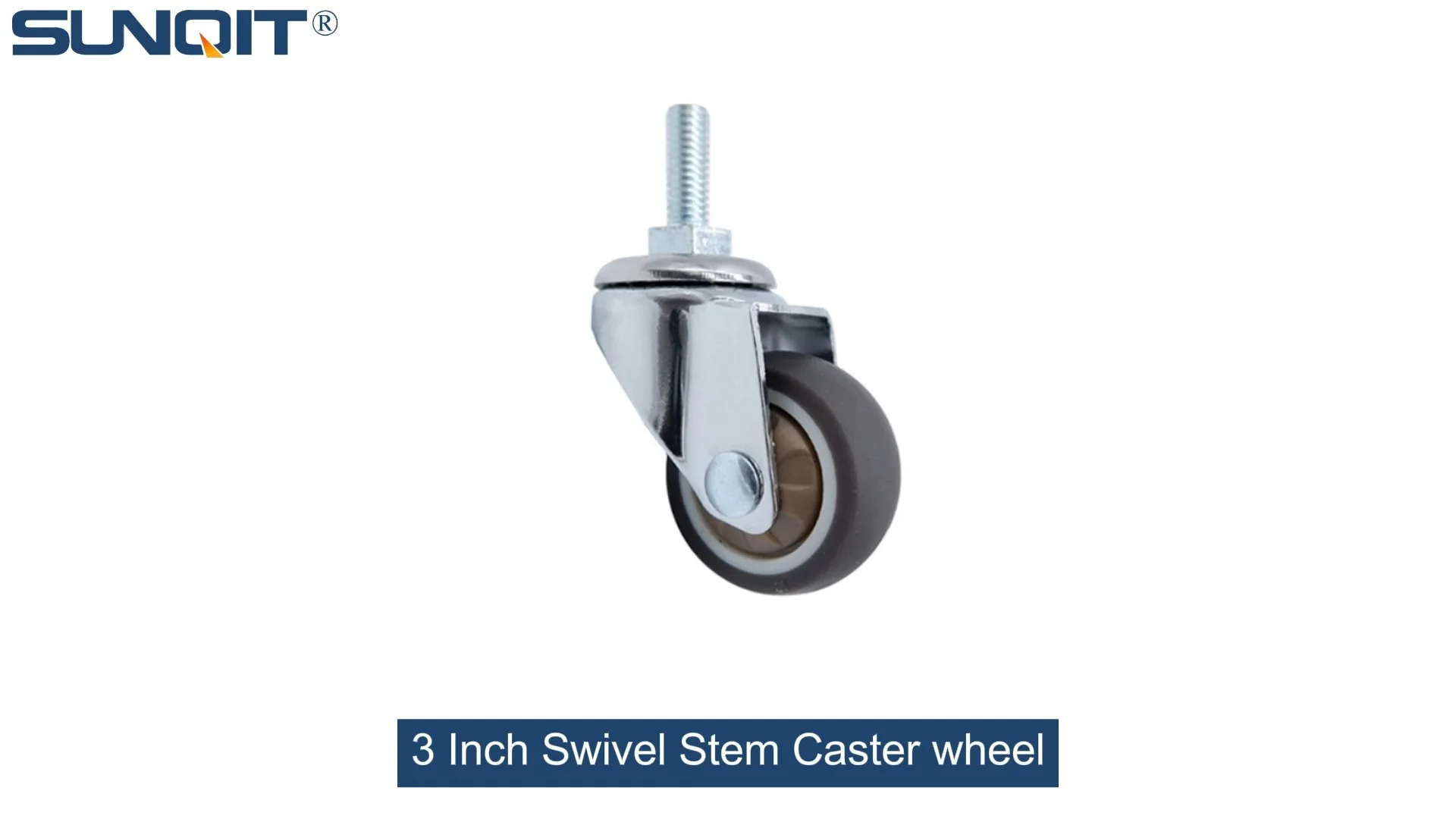
Swivel Stem Caster wheel
360 Degree Swivel Stem Caster. Threaded-post mount design, castors diameter 3 inch.Each swivel caster wheels loading 70KGS. Heavy enough and widely suit for carts, chairs, cabinet, flow rack, workbench, turnover rolley.
Introduction: Why Caster Wheel Maintenance Matters More Than You Think
If you've ever pushed a loaded workbench across a factory floor, maneuvered a turnover trolley through a warehouse, or adjusted a material rack to reach supplies, you've probably felt the difference a smooth-rolling caster wheel makes. Those small, unassuming components—like the swivel stem caster wheel with brake—are the unsung heroes of efficiency in workshops, labs, and production lines. But here's the thing: they don't stay reliable on their own. Dirt, grime, and daily wear quietly chip away at their performance, turning a once-easy push into a frustrating struggle, or worse, creating safety hazards when brakes fail or wheels lock unexpectedly.
Think about it: a stuck caster on a workbench might slow down assembly line workers. A squeaky wheel on a material cart could distract from precision tasks. A brake that won't hold on a loaded trolley? That's a recipe for accidents. The good news? With a little regular care, you can keep your swivel stem caster wheels with brake rolling smoothly, extend their lifespan, and avoid costly replacements. This guide isn't just about cleaning—it's about investing in the tools that keep your workspace moving. Let's dive in.
Getting to Know Your Swivel Stem Caster Wheel with Brake
Before you grab a wrench or a sponge, it helps to understand what you're working with. Swivel stem caster wheels with brake aren't just "wheels on a stick"—they're engineered systems with multiple parts working together. Let's break down the key components, because knowing what each part does will make cleaning and maintenance much clearer.
The Caster Wheel Itself: Your First Line of Contact with the Floor
The wheel is the part that touches the ground, and its material and design determine how it performs. Most swivel stem caster wheels are made from rubber, polyurethane, nylon, or steel. Rubber and polyurethane are great for smooth floors and shock absorption, while nylon and steel handle heavier loads but can be noisy on hard surfaces. Over time, the wheel can develop cracks, lose tread, or pick up debris like metal shavings or sticky residue—all of which affect movement.
The Stem: The "Backbone" Connecting Wheel to Equipment
The stem is what attaches the caster to your workbench, trolley, or material rack. In swivel stem casters, this stem is typically threaded, expanding, or grip-ring style, designed to lock into a mounting hole or bracket. The caster installation base —the plate or flange that bolts to the equipment—works with the stem to keep the caster secure. If the stem loosens or the base bolts wiggle free, the caster might wobble or even detach, which is a major safety risk.
The Swivel Joint: What Lets You Turn and Maneuver
Ever wondered how a caster wheel spins 360 degrees? That's the swivel joint at work. Inside this joint are bearings—usually ball bearings or roller bearings—that reduce friction as the wheel turns. When dirt or moisture gets into the joint, it gums up the bearings, making swiveling stiff or jerky. Without proper lubrication, the joint can even seize up entirely.
The Brake Mechanism: Your Safety Net
The brake is what makes this caster a "swivel stem caster wheel with brake"—and it's non-negotiable for safety. Most brakes are foot-operated: step on a lever to engage a pad or clamp that presses against the wheel, stopping it from rolling. Inside the brake, springs, pins, and pads work together to create friction. Over time, brake pads wear down, springs lose tension, or debris can block the lever, making the brake slow to engage or disengage.
Caster Accessories: The Small Parts That Make a Big Difference
You might not notice them at first, but caster accessories like washers, lock nuts, and axle pins are critical for stability. A missing washer on the axle can let the wheel wobble; a corroded pin might cause the brake lever to stick. Even something as simple as a dust cap over the swivel joint can prevent dirt from entering—so don't overlook these tiny helpers during maintenance.

Gathering Your Tools: What You'll Need for Cleaning and Maintenance
You don't need a professional mechanic's toolkit to care for your swivel stem caster wheels with brake. Most supplies are probably already in your workshop or can be picked up at a hardware store. Here's a checklist to get you started:
- Basic hand tools: Adjustable wrench, socket set, Phillips and flathead screwdrivers (for loosening bolts on the caster installation base or removing wheels).
- Cleaning supplies: Stiff-bristle brush (to scrub dirt from wheels and joints), soft cloths or rags (for wiping and drying), mild dish soap (avoid harsh chemicals that can damage rubber or plastic parts), and a bucket of warm water.
- Lubricant: Silicone-based or lithium grease (avoid oil-based lubricants—they attract more dirt). A small oil can or spray lubricant with a precision nozzle works best for hard-to-reach bearings.
- Compressed air: A can of compressed air or an air compressor (to blow debris out of swivel joints and bearings without disassembling parts).
- Brake cleaner (optional): A solvent-based brake cleaner (for removing oil or grease from brake pads—never use this on rubber wheels, as it can cause cracking).
- Caster accessories (for replacements): Extra washers, lock nuts, or axle pins (keep a small stock of caster and accessories on hand for quick fixes).
- A level surface: A workbench or table to set equipment on while you remove casters (this makes the process easier and safer).
Pro tip: Lay out a clean towel or cardboard on your work surface to keep small parts (like bolts or washers) from rolling away. There's nothing more frustrating than losing a critical caster accessory mid-project!

Step-by-Step Cleaning: From Dirt to Shine
Cleaning your swivel stem caster wheels with brake isn't just about making them look good—it's about removing debris that causes friction, corrosion, and wear. Follow these steps to get them sparkling and functional:
Step 1: Unload and Secure the Equipment
First, empty whatever's on the cart, workbench, or trolley. A loaded piece of equipment is heavy and unstable, and you don't want it tipping over while you're working. If possible, tilt the equipment onto its side (or onto blocks) to lift the casters off the ground—this makes cleaning easier and prevents re-contaminating the wheels with floor dirt.
Step 2: Remove Loose Debris with a Brush
Grab your stiff-bristle brush and start by dry-brushing the caster wheel, swivel joint, and brake mechanism. Focus on crevices where dirt builds up: between the wheel and the fork (the metal "U" that holds the wheel), around the brake lever, and in the gaps of the swivel joint. You'll be surprised how much dust, hair, and small debris comes loose—this step alone can improve swiveling and reduce squeaking!
Step 3: Wash Away Grime with Soapy Water
For stuck-on dirt or oily residue, mix warm water and a few drops of mild dish soap in a bucket. Dip a cloth or soft brush into the soapy water and gently scrub the wheel, fork, and caster installation base. Avoid soaking the swivel joint or brake mechanism—too much water can cause rust. For tough spots, let the soapy water sit for a minute, then scrub again. Rinse the cloth and wipe away soap residue, then dry all parts thoroughly with a clean rag. Moisture is the enemy here—any leftover water can lead to corrosion, especially on metal components like the stem or brake lever.
Step 4: Deep-Clean Bearings and Swivel Joints (If Needed)
If the caster still feels stiff after cleaning the exterior, it's time to check the bearings and swivel joint. Here's how: Use a wrench to loosen the axle bolt that holds the wheel in the fork—this will let you slide the wheel off (you might need to tap it gently with a rubber mallet if it's stuck). Once the wheel is off, inspect the bearings (small metal balls or rollers inside the wheel hub). If they're dirty, use compressed air to blow out debris, then wipe them with a cloth. For really grimy bearings, you can soak them in soapy water for 10 minutes, then dry and relubricate. For the swivel joint, spray compressed air into the gap where the stem meets the fork—this will dislodge dirt that's preventing smooth rotation. If the joint is still stiff, you may need to remove the entire caster from the equipment by loosening the bolts on the caster installation base, then clean the joint from both sides.
Step 5: Clean the Brake Mechanism (Critical for Safety)
The brake is one part you can't afford to ignore. Start by brushing away dirt from the brake pad (the rubber or metal piece that presses against the wheel to stop it). If the pad is oily or greasy (common if lubricant leaked onto it), spray a small amount of brake cleaner onto a cloth and wipe the pad clean—never spray cleaner directly onto the caster, as it can damage nearby rubber parts. Check the brake lever, too: make sure it moves freely, and wipe away any grime that might be blocking its path. A clean brake is a reliable brake!

Maintenance: Beyond Cleaning—Keeping Casters in Top Shape
Cleaning removes the "gunk," but maintenance keeps the caster working like new. Think of it as giving your swivel stem caster wheel with brake a tune-up. These steps will prevent wear, reduce friction, and ensure every part does its job when you need it most.
Lubrication: The Secret to Smooth Rolling and Swiveling
Lubricant is like vitamins for casters—it keeps moving parts healthy and reduces friction. Here's where and how to apply it:
- Bearings: If you removed the wheel, apply a small amount of grease to the bearing races (the grooves where the bearings sit). Spin the wheel gently to distribute the lubricant, then reattach it to the fork.
- Swivel joint: The swivel joint (where the caster turns 360 degrees) needs lubrication to stay nimble. Apply a few drops of lubricant to the joint's (you might see a small hole or gap for this purpose). Then, swivel the caster back and forth several times to work the lubricant into the bearings inside.
- Brake pivot points: The brake lever moves on small pivot pins—these can rust or seize up. Apply a tiny amount of lubricant to the pivot points, then engage and disengage the brake a few times to spread it around. Important: Keep lubricant away from the brake pad itself—grease on the pad will make the brake slip!
How often should you lubricate? For casters used daily in busy environments, aim for every 2–3 months. For lighter use, every 6 months is usually enough. If you notice squeaking or stiffness between lubrication sessions, don't wait—add a little lube early to prevent wear.
Brake Adjustment: Ensuring It Holds When You Need It
A brake that "almost" holds isn't good enough. To test your swivel stem caster wheel with brake: Engage the brake, then try to push the equipment. It should stay put, even on a slight incline. If it moves, the brake needs adjustment. Here's how:
- Check the brake pad: If the pad is worn down (less than 1/8 inch thick), it's time to replace it. You can find replacement pads at most hardware stores or through your caster supplier.
- Adjust tension: Many brakes have a tension screw (usually near the pivot point of the lever). Use a screwdriver to tighten the screw slightly (clockwise) to increase pressure on the wheel. Test the brake after each turn—you want it to engage firmly but not so tightly that the lever is hard to press.
- Align the brake pad: If the pad isn't hitting the wheel squarely, loosen the bolts holding the brake mechanism, reposition the pad so it makes full contact with the wheel, then retighten the bolts.
Pro tip: Test brakes when the equipment is loaded, not empty. A brake that holds an empty cart might fail under weight, so simulate real-world use during checks.
Tightening Loose Parts: Preventing Wobbles and Accidents
Vibration from rolling over uneven floors or repeated use can loosen bolts, nuts, and pins. A loose caster installation base, for example, can make the entire wheel wobble, putting stress on the stem and causing premature wear. Here's what to check:
- Caster installation base bolts: Use a wrench to tighten the bolts that secure the caster to the equipment. If bolts are stripped or corroded, replace them with new ones (this is where having extra caster accessories comes in handy).
- Axle bolts: The bolt that holds the wheel in the fork can loosen over time. Tighten it gently—over-tightening can damage the bearings.
- Stem connection: If your caster has a threaded stem, check that it's screwed into the equipment tightly. For expanding stems (common in lightweight casters), ensure the expansion mechanism is engaged fully to prevent slipping.
Add a drop of thread locker (like Loctite) to bolts if they keep loosening—just be careful not to use too much, as it can make future removal difficult.
Inspecting for Wear: Knowing When to replace Parts
Even with perfect maintenance, parts wear out. Regular inspections help you catch issues early, before they lead to breakdowns. Here's what to look for:
- Wheel damage: Cracks, chunks missing, or flat spots on the wheel. Rubber wheels can dry out and crack in hot or sunny environments; polyurethane wheels might wear unevenly if overloaded.
- Bearing play: Grab the wheel and shake it side to side—if there's excessive movement (more than 1/8 inch), the bearings are worn and need replacement.
- Swivel joint play: Lift the equipment slightly so the caster is off the ground, then try to wiggle the fork side to side. If there's noticeable play, the swivel bearings are failing.
- Brake pad wear: As mentioned earlier, replace pads when they're less than 1/8 inch thick, or if they're glazed (shiny and hard from overheating).
When replacing parts, stick to genuine caster accessories or parts recommended by the manufacturer. Generic wheels or brakes might not fit properly, leading to more problems down the line.
Troubleshooting Common Issues: Quick Fixes for Annoying Problems
Even with regular care, you might run into issues. Use this table to diagnose and fix common problems with your swivel stem caster wheel with brake:
| Problem | Common Cause | Solution |
|---|---|---|
| Caster won't swivel smoothly | Dirt in swivel joint or dry bearings | Clean swivel joint with compressed air, then lubricate bearings. If still stiff, check for bent fork or damaged bearings. |
| Wheel squeaks when rolling | Lack of lubrication in bearings or between wheel and fork | Clean bearings, apply lubricant to wheel axle and bearings. If squeaking persists, check for misaligned wheel (bent fork). |
| Brake doesn't hold when engaged | Worn brake pad, loose brake lever, or lubricant on pad | replace brake pad if worn; tighten lever pivot bolts; clean brake pad with brake cleaner if greasy. |
| Wheel wobbles while rolling | Loose axle bolt, bent axle, or damaged wheel | Tighten axle bolt; if wobble continues, check for bent axle or cracked wheel (replace if damaged). |
| Caster feels "sticky" when turning | Rust in swivel joint or debris in bearing races | Apply penetrating oil to swivel joint, let sit 10 minutes, then swivel back and forth. If rust is severe, disassemble and clean with wire brush, then lubricate. |
| Stem feels loose in the equipment | Threaded stem stripped, expanding stem not engaged, or loose caster installation base | For threaded stems: replace stem or use thread locker. For expanding stems: Re-engage expansion mechanism. Tighten caster installation base bolts. |
Long-Term Care: Creating a Maintenance Routine That Sticks
The best maintenance isn't a one-time project—it's a habit. Here's how to build a routine that keeps your swivel stem caster wheels with brake in top shape without adding extra stress to your day:
Daily Quick Checks (2 Minutes or Less)
Have operators do a quick visual and functional check before using equipment: Engage the brake to ensure it holds, spin the wheel to check for wobbles, and listen for squeaks. If something feels off, flag it for maintenance—catching issues early prevents small problems from becoming big ones.
Weekly Light Cleaning (10–15 Minutes)
Set aside time each week to dry-brush casters and wipe down brake mechanisms. This removes surface dirt before it builds up and hardens. Focus on high-use equipment first—like workbenches or carts used multiple times a day.
Monthly Deep Clean and Lubrication (30–45 Minutes)
Once a month, do a more thorough clean: Remove wheels if needed, wash away grime, and lubricate all moving parts. This is also a good time to check for loose bolts and wear. Keep a log of which casters were serviced—this helps you track maintenance history and notice patterns (e.g., casters on a particular workbench wear out faster, indicating a need for heavier-duty models).
Proper Usage: Protecting Casters from Unnecessary Wear
Even the best maintenance can't fix abuse. Train your team to:
- Avoid overloading equipment—check the caster's weight rating (usually stamped on the fork or stem) and never exceed it.
- Engage brakes when equipment is stationary to prevent rolling and unnecessary wear on wheels.
- Push, don't drag—dragging equipment sideways strains the swivel joint and can bend the fork.
- Keep floors clean—sweep up debris like metal shavings or small tools that can get stuck in wheels.
Conclusion: Small Efforts, Big Rewards
Maintaining your swivel stem caster wheels with brake might seem like a small task, but it's one that pays off in smoother workflows, safer workspaces, and longer-lasting equipment. Think of it this way: A few minutes of cleaning and lubrication today can save you hours of downtime tomorrow, not to mention the cost of replacing a damaged caster or repairing a workbench that's been strained by a stuck wheel.
Whether you're a production manager overseeing a factory floor or a solo craftsman tending to your workshop, these steps are accessible, affordable, and effective. So grab your brush, your lubricant, and a little patience—your casters (and your back!) will thank you. After all, in a world that runs on efficiency, the difference between a good day and a great day might just be a well-maintained caster wheel.