- Company Articles
- Products and Technology
- Installation And Maintenance
- How to Clean and Maintain T Slot Aluminum Pipe with Board Holder Properly

How to Clean and Maintain T Slot Aluminum Pipe with Board Holder Properly
Related Product
T Slot Aluminum Pipe with Board Holder
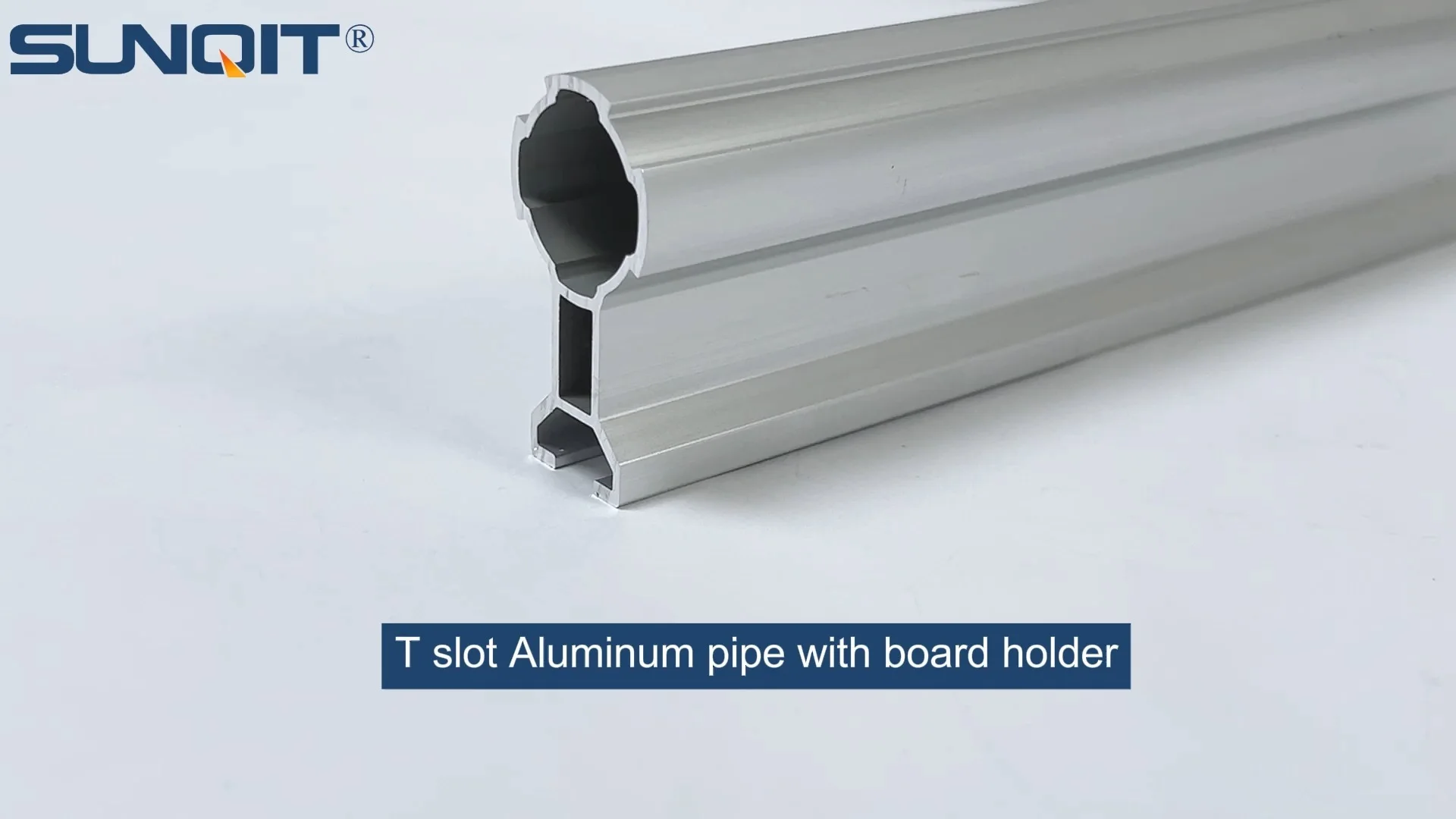
T slot Aluminum pipe with board holder,the pipe one side connected by a joint, the other side with a slot which can hold a tray or a aluminum pannel
Introduction: The Backbone of Your Workspace
If you've spent any time setting up a workshop, assembly line, or even a home DIY station, you've probably encountered the unsung hero of flexibility and durability: the T slot aluminum pipe with board holder. These versatile structures are everywhere—supporting workbenches, organizing material racks, and forming the framework for everything from simple shelving to complex production lines. What makes them so popular? Their modular design, lightweight yet sturdy aluminum build, and the ability to customize with a wide range of aluminum profile accessories. But like any hardworking tool, they need a little TLC to keep performing at their best. In this guide, we'll walk through the ins and outs of cleaning and maintaining your T slot aluminum pipe systems, ensuring they stay strong, functional, and ready for whatever project comes next.
Whether you're a small business owner managing a production floor or a hobbyist who takes pride in their workspace, neglecting maintenance can lead to wobbly structures, stuck components, or even premature wear. The good news? With a few simple tools and a regular routine, you can extend the life of your T slot aluminum pipes, aluminum guide rails, and all their accompanying parts. Let's dive in.
Why Maintenance Matters: More Than Just a Clean Look
You might be thinking, "It's just metal—how much maintenance can it need?" The truth is, aluminum might be resistant to rust, but it's not invincible. Dust, grime, and even humidity can take a toll over time. Here's why staying on top of cleaning and upkeep is worth your time:
1. Preventing Corrosion and Wear
Aluminum naturally forms a protective oxide layer, but when that layer is compromised by dirt, moisture, or chemicals, corrosion can start to creep in. Small spots of discoloration might seem harmless, but left unchecked, they can weaken the metal. This is especially true for T slot channels, where dirt buildup can trap moisture against the surface. Regular cleaning removes these threats, keeping the oxide layer intact and your pipes strong.
2. Ensuring Smooth Functionality
Many T slot systems include moving parts—think sliding aluminum guide rails, adjustable shelves, or even casters for mobile units. If these components get gunked up with dust or debris, they'll start to stick or jam. Imagine trying to slide a board holder along a guide rail that's caked in sawdust or grease: frustrating, inefficient, and hard on the mechanism. A quick clean and lubrication can make all the difference in how smoothly your system operates.
3. Saving Money in the Long Run
Replacing a bent pipe or a broken joint might not seem expensive on its own, but those costs add up—especially if you're running a business with multiple workbenches or racks. By catching issues early (like a loose aluminum pipe adjustable leveling foot or a worn-out roller track connector), you can fix small problems before they turn into big, costly replacements. Maintenance isn't just about preservation; it's about smart budgeting.
4. Safety First
A wobbly workbench or a shelf that's starting to sag isn't just annoying—it's a safety hazard. Loose joints, corroded supports, or unstable leveling feet can lead to accidents, from tools sliding off surfaces to entire structures collapsing. Regular inspections during maintenance help you spot these risks and address them before someone gets hurt.

Gathering Your Tools: What You'll Need
Before you start, let's make sure you have the right tools on hand. You won't need anything fancy—most of these items are probably already in your garage or utility closet. Here's your checklist:
- Soft cloths or microfiber towels: For dusting and wiping down surfaces without scratching the aluminum.
- Mild detergent: A gentle soap (like dish soap) mixed with warm water—avoid harsh chemicals or abrasive cleaners that can strip the aluminum's protective layer.
- Soft-bristled brush: An old toothbrush or a small paintbrush works great for getting into T slot channels and tight corners.
- Bucket of warm water: For rinsing cloths and diluting detergent.
- Isopropyl alcohol: Useful for tackling greasy stains or dried-on grime that soap and water can't budge.
- Lubricant: A silicone-based spray or light machine oil to keep moving parts (like aluminum guide rails or caster wheels) sliding smoothly.
- Level tool: To check if your structure is still straight and adjust aluminum pipe adjustable leveling feet if needed.
- Hex keys or screwdrivers: For tightening loose joints or replacing worn aluminum profile accessories (check what size fits your specific joints—most T slot systems use standard hex sizes).
- Protective gloves: Optional, but helpful if you're dealing with sharp edges or greasy parts.
Pro tip: Keep these tools in a small caddy near your workspace. That way, maintenance becomes a quick task instead of a hunt for supplies.

Step-by-Step Cleaning: Getting Rid of Dirt, Grime, and Grease
Cleaning your T slot aluminum pipe system isn't just about making it look nice—it's about removing contaminants that can cause damage over time. Follow these steps for a thorough clean:
Step 1: Start with a Dry Dusting
Before you break out the water, start by removing loose dust and debris. Grab a dry microfiber cloth and wipe down all exposed surfaces of the T slot aluminum pipes. Pay extra attention to horizontal surfaces (like the tops of workbenches) and the T slot channels themselves—these are magnets for dust, sawdust, and tiny scraps. For hard-to-reach spots (like the inside of narrow slots or around joints), use your soft-bristled brush to dislodge dirt. Tap the brush gently to shake off the collected dust, or wipe it on a dry cloth between strokes.
Step 2: Wipe with Soapy Water
Once the loose dust is gone, it's time to tackle sticky or greasy spots. Mix a few drops of mild detergent into your bucket of warm water until it's sudsy. Dip your soft cloth into the soapy water, wring it out well (you don't want to soak the aluminum), and wipe down the pipes, board holders, and accessories. For extra dirty areas—like the bottom of a workbench that's seen a lot of spills—let the soapy cloth sit for a minute to loosen the grime before wiping. Again, use the soft brush to scrub inside T slots and around joints, where dirt likes to hide.
Step 3: Rinse and Dry Thoroughly
After wiping with soapy water, dampen a clean cloth with plain warm water and go over the surfaces again to remove any soap residue. Soap left on aluminum can leave streaks or even attract more dust, so don't skip this step! Once rinsed, dry everything immediately with a microfiber towel. Moisture is the enemy here—even on aluminum, prolonged dampness can lead to water spots or, in rare cases, corrosion. Pay special attention to T slot channels and the bases of leveling feet, where water might pool.
Step 4: Tackle Tough Stains with Alcohol
For stains that soap and water can't handle—like oil, grease, or dried glue—grab the isopropyl alcohol. Dampen a corner of your cloth with alcohol and gently rub the stain in a circular motion. The alcohol will dissolve the grease without harming the aluminum. Afterward, wipe the area with a clean, damp cloth to remove any alcohol residue, then dry thoroughly. Avoid using alcohol on painted or coated parts unless you're sure it won't damage the finish—test a small, hidden spot first if you're unsure.
Step 5: Clean Accessories and Moving Parts
Don't forget about the little parts that make your system work: aluminum guide rails, roller tracks, and joints. For aluminum guide rails (used in sliding mechanisms), use the soft brush to clean out any debris in the track, then wipe with a damp cloth and dry. If the rail is sticky, a quick spritz of lubricant after cleaning will keep things sliding smoothly. For joints and connectors, use the brush to dislodge dust from crevices, then wipe with soapy water and dry. If you notice any rust on metal accessories (yes, even aluminum profile accessories can have steel components), gently scrub with a wire brush (very lightly!) and apply a small amount of lubricant to prevent further corrosion.
Maintenance: Keeping Your System Strong and Stable
Cleaning is just half the battle—maintenance is about preventing problems before they start. This step involves inspecting, tightening, adjusting, and replacing parts as needed. Let's break it down into actionable steps:
1. Inspect for Loose Joints and Connections
Start by giving your entire structure a gentle shake. Do you feel any wobbling or hear rattling? That's a sign of loose joints. Walk around the system and check every connection point—where pipes meet joints, where accessories like board holders attach, and where aluminum profile accessories (like brackets or clips) are secured. Use your hex key or screwdriver to tighten any loose fasteners. Be careful not to over-tighten—aluminum threads can strip if you apply too much force. A good rule of thumb: tighten until you feel resistance, then give it a quarter-turn more.
Pay extra attention to joints that bear the most weight, like those supporting a workbench or heavy material rack. These are more likely to loosen over time with repeated use. If you notice a joint that keeps coming loose, it might be worn out—consider replacing it with a new one from your aluminum profile accessories stash.
2. Check and Adjust Leveling Feet
If your T slot system has aluminum pipe adjustable leveling feet (and most do, especially for workbenches or free-standing racks), now's the time to ensure they're doing their job. Place your level tool on a flat surface of the structure—like the top of a workbench or a shelf. If the bubble isn't centered, adjust the leveling feet by turning them clockwise (to raise) or counterclockwise (to lower) until the structure is level. Wobbly feet don't just make the system unstable—they can also put extra stress on joints and pipes, leading to premature wear.
While you're at it, inspect the feet themselves. Are the rubber pads worn or cracked? If so, replace them—they provide grip and protect your floor from scratches. Most hardware stores carry replacement pads, or you can order them from your T slot aluminum pipe supplier.
3. Lubricate Moving Parts
Moving components like aluminum guide rails, roller tracks, or caster wheels (if your system is mobile) need lubrication to stay smooth. After cleaning, apply a small amount of silicone-based lubricant to the tracks of aluminum guide rails—this reduces friction and prevents sticking. For roller tracks, a drop of oil on each roller axle can keep them spinning freely. If you have caster wheels, wipe them down to remove hair or debris, then lubricate the axles and swivel joints. Avoid using heavy oils, which can attract dust—stick to light machine oil or silicone spray for best results.
4. Inspect for Wear and Damage
Now, take a close look at the pipes, rails, and accessories for signs of damage. Check for:
- Dents or bends: Even small dents can weaken the structural integrity of a pipe, especially if they're near a joint. If a pipe is bent, it might need to be replaced—trying to straighten it could make it weaker.
- Corrosion or pitting: Look for white, powdery spots (aluminum oxide) or dark pits. Light oxidation can often be cleaned with a mild acid (like vinegar), but deep pitting means the metal is compromised. replace any corroded pipes or accessories.
- Worn or cracked accessories: Check board holders, brackets, and clips for cracks or deformation. A cracked board holder, for example, might not support weight safely.
- Damaged T slot channels: If the slots are bent, dented, or have debris stuck in them that you can't remove, the pipe might need replacing. T slots need to be smooth to allow accessories to slide and lock properly.
5. replace Worn Parts
If you find any damaged parts during your inspection, don't put off replacing them. A single weak component can compromise the entire structure. Most T slot systems are modular, so replacement parts are easy to find—check with your original supplier or look for generic aluminum profile accessories that match your system's specifications. Keep a few spare parts on hand (like joints, brackets, and leveling feet) to make repairs quick and easy.
Troubleshooting Common Issues: Solving Problems Before They Escalate
Even with regular maintenance, you might run into occasional issues. Here's a handy troubleshooting guide to help you diagnose and fix common problems:
| Issue | Common Cause | Solution |
|---|---|---|
| Wobbly or unstable structure | Loose joints, uneven aluminum pipe adjustable leveling feet, or overloaded shelves | 1. Tighten all joints with a hex key. 2. Adjust leveling feet to level the structure. 3. Remove excess weight from overloaded areas. |
| Aluminum guide rail is sticky or hard to slide | Dirt or debris in the track, lack of lubrication | 1. Clean the rail with a brush and soapy water, then dry. 2. Apply a silicone-based lubricant to the track. 3. Check for bent rails—replace if warped. |
| Accessories won't lock into T slots | Dirt in the slot, worn locking mechanisms, or mismatched accessories | 1. Clean the T slot with a brush and compressed air (if available). 2. replace worn accessories with compatible aluminum profile accessories. 3. Ensure the accessory is designed for your T slot size (e.g., 20mm vs. 30mm slots). |
| Water spots or light corrosion | Moisture left on surfaces after cleaning, or exposure to high humidity | 1. Clean the area with isopropyl alcohol to remove oxidation. 2. Dry thoroughly and apply a thin coat of car wax (for extra protection). 3. Move the system to a drier location if possible. |
| Loose board holder | Worn or stripped screws, damaged mounting bracket | 1. Tighten screws with a screwdriver—if they strip, replace with slightly larger screws. 2. If the bracket is cracked, replace it with a new aluminum profile accessory. |
Long-Term Care: Building a Maintenance Routine
The key to keeping your T slot aluminum pipe system in top shape is consistency. Here's how to build a maintenance routine that works for you:
1. Schedule Regular Check-Ups
How often should you clean and inspect? It depends on how much you use the system. For a busy production line or workshop, aim for a quick inspection (5-10 minutes) every week and a deep clean (30-45 minutes) every month. For home use or lighter workloads, a monthly inspection and quarterly deep clean should suffice. Mark it on your calendar or set a reminder on your phone—consistency beats occasional overhauls.
2. Keep a Maintenance Log
Jot down notes each time you perform maintenance: what you cleaned, which joints you tightened, or parts you replaced. This helps you spot patterns—like a joint that always loosens or a section prone to corrosion—and address them proactively. It also comes in handy if you need to order replacement parts later (you'll know exactly what size or type you need).
3. Protect Your System from the Elements
Aluminum is resistant to rust, but it's not immune to extreme conditions. If your system is outdoors or in a damp area (like a garage with poor ventilation), take extra precautions: cover it with a tarp during rain, use a dehumidifier, or apply a protective coating (like clear acrylic spray) to vulnerable parts. Avoid storing chemicals or liquids near the system—spills can cause stains or corrosion.
4. Train Your Team (If Applicable)
If you're managing a team, make sure everyone knows the basics of system care. Encourage them to report loose joints, sticky rails, or damaged accessories immediately. Even simple habits—like wiping up spills right away or not overloading shelves—can go a long way in keeping the system in good shape. Consider putting up a quick-reference guide near the workspace with maintenance tips.
5. Know When to Call in the Pros
Most maintenance tasks are DIY-friendly, but if you notice severe damage—like a cracked pipe, bent frame, or extensive corrosion—it might be time to consult a professional. A reputable T slot aluminum pipe supplier can often provide repair services or advice on whether parts can be salvaged or need replacement. It's better to spend a little on professional help than risk a safety hazard.
Conclusion: Invest a Little Time, Save a Lot of Hassle
Your T slot aluminum pipe with board holder is more than just a structure—it's an investment in productivity, organization, and safety. By taking the time to clean it regularly, inspect for wear, and address issues early, you're not just extending its life; you're ensuring it continues to support your work, whatever that work may be. Remember, maintenance doesn't have to be a chore. With the right tools, a simple routine, and a little attention to detail, you can keep your system strong, smooth, and ready for action for years to come.
So grab your cloth, gather your tools, and give your T slot aluminum pipes the care they deserve. Your future self (and your workspace) will thank you.