- Company Articles
- Products and Technology
- Installation And Maintenance
- How to Clean and Maintain Three Way Aluminum Pipe Joints: Practical Tips

How to Clean and Maintain Three Way Aluminum Pipe Joints: Practical Tips
Related Product
Three Way Aluminum Pipe Joint
Aluminum 3 way pipe joint for 28mm aluminum pipe connection in 3 direction.
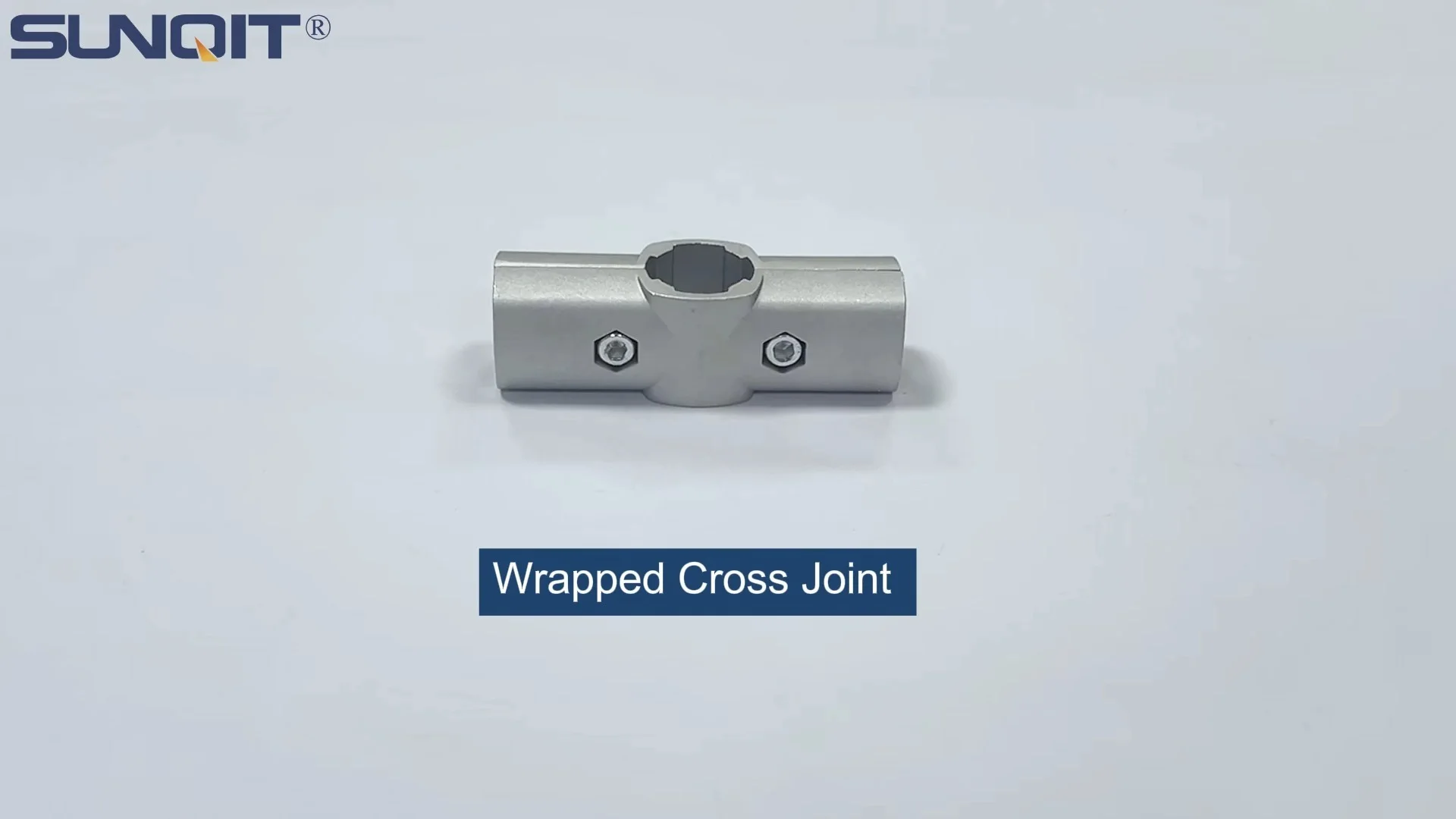
Walk into any well-run workshop, manufacturing plant, or production facility, and you'll likely spot structures that rely on precision and durability—workbenches that stay steady during assembly, material racks that hold heavy loads without wobbling, or conveyor systems that keep parts moving smoothly. Behind many of these setups are unsung heroes: three way aluminum pipe joints. These small but critical components are the backbone of modular structures, connecting aluminum profile pieces at angles to create everything from simple shelving to complex production lines. But like any hardworking tool, they need care to keep performing at their best.
If you've ever dealt with a loose joint that made a workbench (wobble) mid-task, or a corroded connector that stuck when you tried to reconfigure a rack, you know the frustration of neglected maintenance. The good news? With a little know-how and regular attention, you can keep your three way aluminum pipe joints in top shape, extending their lifespan, ensuring safety, and avoiding costly replacements. In this guide, we'll break down everything you need to know about cleaning and maintaining these essential aluminum profile accessories—from the tools you'll need to step-by-step routines and troubleshooting common issues.
Understanding Three Way Aluminum Pipe Joints: More Than Just a Connector
Before diving into maintenance, let's take a moment to appreciate what three way aluminum pipe joints do. As the name suggests, these joints are designed to connect three aluminum pipes or profiles, typically at 90-degree angles (though some can be adjusted for other angles). They're part of a broader family of aluminum profile accessories, which includes everything from end caps to hinges, all working together to make modular structures versatile and strong.
What makes them so popular? Aluminum's natural resistance to rust and light weight make these joints ideal for both indoor and semi-outdoor use. Unlike their steel counterparts, they won't add unnecessary heft to structures, and their smooth finish resists scratches and dents. But here's the catch: aluminum, while durable, isn't invincible. Exposure to dust, moisture, grease, and even the oils from our hands can take a toll over time. Without proper care, joints can become stiff, corroded, or loose—compromising the integrity of the entire structure.
Think of it this way: if your aluminum profile structure is a body, the three way joints are the joints (knees, elbows) that keep it mobile and stable. Just as you'd stretch and care for your own joints, these metal workhorses need regular "tune-ups" to stay flexible and strong.
Pro Tip: Not all three way joints are the same! Some are fixed-angle, while others are swivel or adjustable. Check the manufacturer's specs to know if yours can rotate or if they're meant to stay rigid—this affects how you clean and tighten them.
Tools You'll Need: Assembling Your Maintenance Kit
You wouldn't fix a bike without a wrench, and you shouldn't tackle joint maintenance without the right tools. Fortunately, you won't need a fully stocked workshop—just a few basics to get the job done safely and effectively. Here's what to gather:
| Tool | Purpose | Why It Matters |
|---|---|---|
| Soft microfiber cloths | Wiping away dust and residue | Abrasive cloths can scratch the aluminum finish, so stick to microfiber for gentle cleaning. |
| Mild dish soap or aluminum cleaner | Removing grease and grime | Harsh chemicals (like bleach or ammonia) can damage the aluminum's protective layer—mild soap is safer. |
| Small nylon brush (toothbrush-sized) | Scrubbing crevices and threads | Reaches tight spots where dust and debris build up, like the grooves where pipes meet the joint. |
| Aluminum pipe clamp | Securing joints during cleaning/tightening | Prevents the joint from shifting while you work, especially useful for large structures. |
| Torque wrench or hex key set | Tightening fasteners without overdoing it | Over-tightening can strip threads; a torque wrench ensures you hit the manufacturer's recommended tension. |
| Food-grade silicone lubricant | Keeping moving parts (if applicable) smooth | Silicone won't attract dust like oil-based lubricants, and it's safe for aluminum. |
| White vinegar (optional) | Treating minor corrosion spots | A natural, mild acid that dissolves surface rust without harming aluminum. |
Pro tip: Store these tools in a small caddy or toolbox near your workbench or production area. Having them on hand means you're more likely to do quick checks regularly, rather than waiting for a problem to arise.
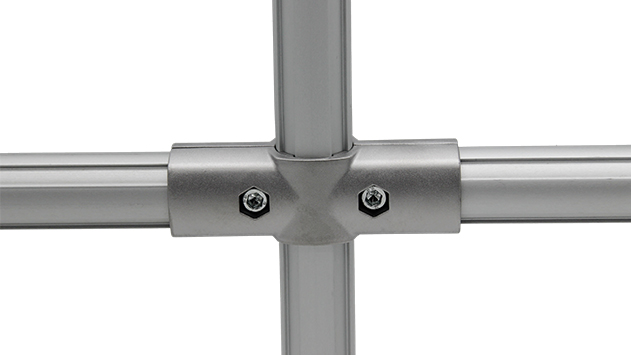
Step-by-Step Cleaning: Giving Your Joints a Fresh Start
Cleaning three way aluminum pipe joints isn't just about making them look good (though a shiny joint is a nice bonus). It's about removing debris that can wear down parts, preventing corrosion, and ensuring a tight fit with connected pipes. Follow these steps for a thorough clean:
1. Pre-Cleaning Inspection: Spotting Issues Early
Before you start wiping, take a minute to inspect the joint. Look for signs of trouble: corrosion (white or grayish spots, especially in humid environments), debris buildup (sawdust, oil, or dirt in the threads or connection points), or damage (cracks, bent prongs, or stripped threads). Note any problem areas—you'll want to pay extra attention to them during cleaning.
2. Dusting Off Loose Debris
Start dry: Use a microfiber cloth to wipe away loose dust and dirt from the joint's surface. For hard-to-reach areas (like the gaps between the joint's arms), gently brush with the nylon brush. If the joint is part of a larger structure (like a workbench), use a can of compressed air to blow out dust from crevices—this is especially helpful for joints that haven't been cleaned in a while.
3. Washing Away Grease and Grime
Mix a few drops of mild dish soap with warm water in a bowl. Dip the microfiber cloth into the soapy water, wring it out well (you don't want excess water pooling in the joint), and wipe the joint's surface. For greasy spots (common in production areas where oil or lubricants splash), use the nylon brush to scrub gently. Focus on the threads and connection points—grease here can prevent pipes from seating properly, leading to looseness.
If you're dealing with stubborn grime (like dried coolant or adhesive residue), a specialized aluminum cleaner (available at hardware stores) can help. Apply a small amount to the cloth, test it on an inconspicuous area first (to ensure it doesn't discolor the aluminum), then wipe the joint.
4. Rinsing and Drying: Avoiding Water Spots
After washing, dampen a clean microfiber cloth with plain water and wipe away any soap residue. It's crucial to dry the joint thoroughly—standing water can lead to corrosion, especially in joints with tight spaces. Use a dry microfiber cloth to soak up moisture, and if possible, let the joint air-dry for 10–15 minutes before reassembling or using it.
5. Tackling Corrosion (If Needed)
If you noticed small corrosion spots during inspection, don't panic. Mix equal parts white vinegar and water in a bowl, dip the nylon brush into the solution, and gently scrub the affected area. The vinegar's acidity will dissolve the corrosion without harming the aluminum. Rinse with water, dry thoroughly, and apply a thin coat of clear wax (like car wax) to the area to prevent future rusting.
Quick Clean Hack: For joints in high-traffic areas (like near production lines), do a "mini-clean" every week with a dry microfiber cloth. This prevents dust buildup and makes deep cleaning easier when you do it monthly.

Maintenance 101: Keeping Joints Tight and Functional
Cleaning removes the "gunk," but maintenance ensures the joint works properly long-term. Think of it as a checkup for your structure—catching small issues before they become big problems. Here's what to focus on:
1. Regular Tightening: The Key to Stability
Over time, vibrations from daily use (like parts being placed on a workbench or a conveyor running) can loosen the fasteners that hold three way joints to pipes. Loose joints aren't just annoying—they can make structures unstable, risking injury or damage to materials. Aim to check and tighten joints every 2–3 months (more often for high-use setups, like assembly lines).
How to do it: Use an aluminum pipe clamp to secure the joint and connected pipes (this prevents twisting). Then, use a torque wrench or hex key to tighten the fasteners. Important: Don't over-tighten! Aluminum threads are softer than steel, and stripping them will ruin the joint. Check the manufacturer's guidelines for torque specs—most three way joints require a snug (but not super tight) fit.
2. Lubricating Moving Parts (For Adjustable Joints)
If your three way joint is adjustable (meaning it can rotate or swivel), the moving parts need lubrication to stay smooth. Without it, friction can cause wear and make adjustments difficult. Use a food-grade silicone lubricant (safe for aluminum) and apply a tiny amount to the joint's pivot points or threads. Wipe away excess lubricant with a cloth—you don't want it attracting dust.
Pro tip: Avoid oil-based lubricants (like WD-40) unless the manufacturer specifically recommends them. Oil can degrade some types of plastic or rubber components in the joint over time.
3. Inspecting for Wear and Tear
Every few months, take a close look at your joints for signs of damage: cracked or bent arms, stripped threads, or prongs that no longer grip pipes tightly. If a joint is damaged, replace it immediately—using a compromised joint is a safety risk. Keep a few spare joints on hand (they're affordable and easy to store) so you can swap them out quickly without halting work.
Also, check the connected aluminum profile pieces. If a pipe is bent or dented, it might not seat properly in the joint, even if the joint itself is fine. Straighten or replace damaged pipes to ensure a tight fit.
4. Protecting Against the Elements
If your joints are used outdoors or in humid environments (like a workshop with steam or moisture), take extra steps to prevent corrosion. After cleaning, apply a thin coat of clear acrylic spray (designed for metal) to the joint's surface. This adds a protective barrier against water and humidity. For indoor joints, keeping the area well-ventilated helps reduce moisture buildup.

Troubleshooting Common Issues: Solving Joint Problems Fast
Even with regular care, you might run into issues. Here's how to diagnose and fix the most common problems:
| Issue | Signs | Solution |
|---|---|---|
| Loose joint that won't tighten | Joint wobbles even after tightening fasteners; pipes slip out easily. | Check for stripped threads on the joint or pipe. If threads are damaged, replace the joint. If pipes are worn, wrap a thin layer of Teflon tape around the pipe threads (avoid overdoing it—too much tape can prevent a tight fit). |
| Stiff or stuck adjustable joint | Joint won't rotate or adjust smoothly; makes a grinding noise. | Clean the joint thoroughly (grime may be causing friction), then apply silicone lubricant to the pivot points. If it's still stuck, check for bent parts—replace if damaged. |
| White/green corrosion spots | Dull, chalky patches on the aluminum surface. | Scrub with vinegar solution (as in the cleaning section), dry, and apply a protective wax or acrylic spray. For severe corrosion (pitting or holes), replace the joint. |
| Pipes don't align properly | Joints pull pipes out of straight; structure leans or twists. | Check if the joint is bent or if pipes are cut to uneven lengths. replace bent joints and ensure pipes are cut squarely (use a pipe cutter for clean edges). |
Extending Lifespan: Habits That Keep Joints Working Longer
With the right habits, your three way aluminum pipe joints can last for years—even decades. Here are a few extra tips to maximize their lifespan:
- Avoid overloading: Every joint has a weight limit (check the manufacturer's specs). Don't hang or place heavy items that exceed this limit, as it can bend the joint or strip threads over time.
- Reconfigure carefully: When taking apart or reconfiguring a structure, loosen fasteners slowly and evenly to avoid stressing the joint. Rushing can bend prongs or damage threads.
- Store spare joints properly: Keep extra joints in a dry, cool place (like a toolbox with a silica gel packet to absorb moisture). Avoid leaving them in direct sunlight or damp areas.
- Train your team: If others use the structures, teach them to report loose joints or damage immediately. A quick heads-up can prevent small issues from becoming big repairs.
Final Thoughts: Small Efforts, Big Results
Three way aluminum pipe joints might seem like small parts, but they play a huge role in keeping your workspace efficient, safe, and functional. By taking the time to clean them regularly, tighten when needed, and troubleshoot issues early, you're not just maintaining joints—you're protecting the structures they support, the people who use them, and your bottom line. Remember: maintenance isn't a one-time task; it's a habit. A few minutes of cleaning and inspection each month can save hours of frustration (and dollars) down the line.
So grab your microfiber cloth, nylon brush, and aluminum pipe clamp, and give those joints the care they deserve. Your workbench (and your peace of mind) will thank you.