
- Company Articles
- Products and Technology
- Installation And Maintenance
- How to Clean and Maintain Three Way Lean Pipe Joint Chrome Surfaces
Walk through any bustling manufacturing plant, warehouse, or assembly line, and you'll quickly spot the unsung heroes holding everything together: lean pipe structures. From workbenches to material racks, these modular systems rely on precision-engineered components to keep operations running smoothly. Among these components, the three way lean pipe joint chrome stands out as a critical linchpin. These small but mighty connectors link pipes, supports, and accessories, ensuring stability for everything from lean pipe workbenches to roller tracks . But like any hardworking tool, they need care to perform their best. In this guide, we'll dive into why maintaining these chrome joints matters, how to clean them effectively, and strategies to keep them in top shape—so your lean system stays efficient, safe, and long-lasting.
Why Three Way Lean Pipe Joint Chrome Surfaces Deserve Special Attention
At first glance, a three way lean pipe joint might seem like a simple piece of hardware. But in reality, it's a workhorse. These joints are designed to connect three pipes at once, creating stable angles for structures like corner supports on workbenches or branching points on roller tracks. Their chrome plating isn't just for looks: it adds a protective layer that resists rust, corrosion, and wear—essential in environments where dust, oil, moisture, and constant movement are part of the daily grind.
Neglecting these joints can lead to big problems. A dirty joint with built-up grime might seize up, making it hard to adjust or disassemble the structure later. Tarnished or corroded chrome loses its protective properties, leaving the underlying metal vulnerable to rust. And a loose or damaged joint? That's a safety hazard, risking wobbling workbenches, shifting material racks, or even collapsed structures. In a lean system, where efficiency and safety go hand in hand, these issues can grind productivity to a halt.
Think of it this way: your lean system is only as strong as its weakest link. If a three way joint fails, the entire structure could become unstable, leading to downtime, damaged materials, or worse. Regular maintenance isn't just about keeping things shiny—it's about protecting your team, your equipment, and your bottom line.
Understanding the Anatomy of a Three Way Lean Pipe Joint Chrome Surface
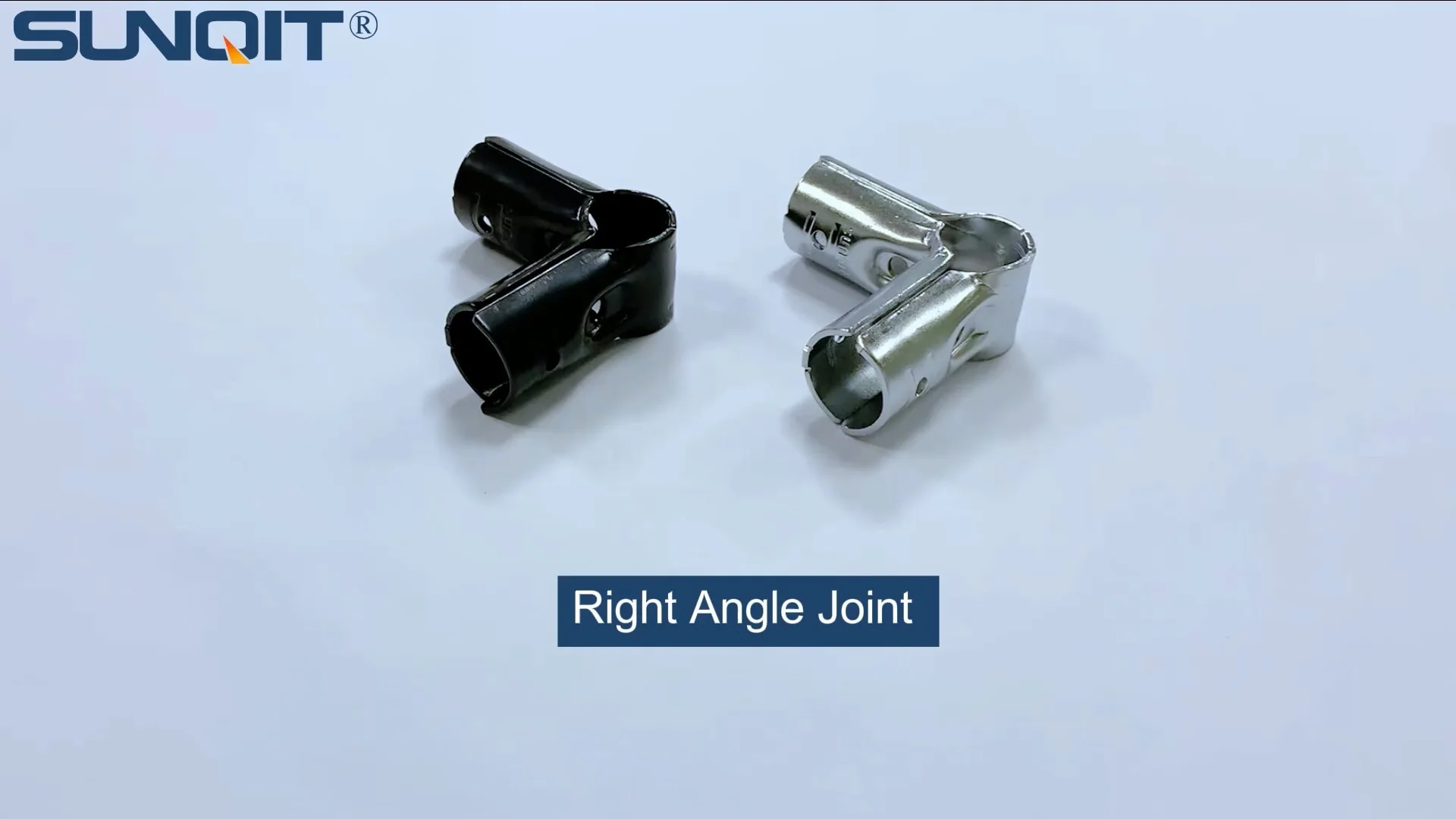
Before we jump into cleaning, let's get to know the joint itself. Most three way lean pipe joints are made from durable metals like steel, then coated with a thin layer of chrome through a process called electroplating. This chrome layer is microscopically smooth and dense, creating a barrier that repels water, oil, and debris. It also gives the joint a sleek, reflective finish that makes it easy to spot dirt or damage.
The "three way" design means the joint has three openings (or ports) where pipes insert, usually at 90-degree angles to each other. Inside each port, there's often a set screw or clamp that tightens to hold the pipe in place. The chrome plating covers the exterior of the joint, including the edges around the ports and the outer surfaces where hands, tools, or materials might rub against it.
Over time, this chrome surface can face several threats:
- Dust and Grime: Factory floors are dusty places. Fine particles settle on joints, mixing with moisture or oil to form a gritty film that can scratch chrome when rubbed.
- Oil and Grease: From machinery lubricants to fingerprints, oils can build up on chrome, attracting more dust and creating a sticky, unsightly mess.
- Moisture: Even in dry environments, condensation or spills can expose chrome to water. If left unchecked, this can lead to tarnish (a dull, discolored film) or, in severe cases, pitting under the chrome layer.
- Physical Wear: Constant adjustment, accidental bumps from tools or carts, or friction from moving parts (like roller track components) can scratch or chip the chrome, exposing the metal underneath.
Pro Tip:
Chrome plating is thin—usually only 0.0005 to 0.002 inches thick. That means harsh abrasives (like steel wool or scouring pads) can strip it away in seconds. Always opt for gentle cleaning tools!

Essential Tools and Supplies for Cleaning and Maintenance
You don't need a fancy toolkit to care for your three way lean pipe joint chrome surfaces. Most supplies can be found in your workshop, kitchen, or local hardware store. Here's what you'll need, along with why each item matters:
| Supply | Purpose | Why It Works | Safety Notes |
|---|---|---|---|
| Soft Microfiber Cloths | Wiping away dust and grime | Microfibers trap particles without scratching chrome; lint-free to avoid leaving residue | Use separate cloths for dry dusting vs. wet cleaning to prevent spreading grit |
| Mild Dish Soap (Unscented) | Cutting through oil and grease | Gentle surfactants break down oils without harsh chemicals that can damage chrome | Avoid soaps with bleach, ammonia, or abrasives (e.g., "heavy-duty" formulas) |
| White Vinegar (Distilled) | Removing tarnish and water spots | The mild acidity dissolves mineral deposits and tarnish without harming chrome | Dilute with equal parts water for sensitive surfaces; wear gloves to avoid skin irritation |
| Soft-Bristled Toothbrush or Detail Brush | Cleaning crevices and port openings | Small enough to reach tight spots around set screws and pipe ports | Never use a metal-bristled brush—these will scratch chrome instantly |
| Chrome Polish (Non-Abrasive) | Restoring shine and adding protection | Contains mild abrasives (if labeled "non-scratch") and wax to fill minor scratches and repel moisture | Test on an inconspicuous area first to ensure it doesn't discolor the chrome |
| Lint-Free Towels (e.g., Old T-Shirts) | Drying and buffing | Absorbent and soft, ideal for removing excess moisture or polish residue | Avoid paper towels—they can leave lint or scratch if they're low-quality |
| Silicone Lubricant (Spray or Liquid) | Lubricating moving parts (e.g., adjustable joints) | Prevents friction between metal surfaces, reducing wear on chrome and joint mechanisms | Use sparingly—overspray can attract dust; wipe away excess with a cloth |

Step-by-Step Guide to Cleaning Three Way Lean Pipe Joint Chrome Surfaces
Now that you have your supplies, let's walk through the cleaning process. This routine works for both regular maintenance (weekly or monthly touch-ups) and deeper cleaning for neglected joints. Set aside 10–15 minutes per joint—time well spent to avoid bigger issues later!
Step 1: Prep the Area
Start by clearing the space around the joint. If it's part of a larger structure (like a workbench), remove any tools, materials, or debris that might get in the way. If the joint is greasy or oily, lay down a drop cloth or paper towel to catch drips. For joints on roller tracks or moving structures, lock any casters or secure the system to prevent it from shifting while you work.
Step 2: Dry Dust First
Before adding water, use a dry microfiber cloth to wipe away loose dust and debris. Start with the outer surfaces of the joint, then gently brush around the pipe ports and set screws. This step prevents grit from scratching the chrome when you clean with water later. For stubborn dust in crevices, use a soft-bristled toothbrush to dislodge particles—brush gently in a circular motion to avoid pushing dirt into tight spots.
Step 3: Wash with Mild Soap and Water
Fill a small bowl with warm (not hot) water and add a drop or two of mild dish soap. Dip a clean microfiber cloth into the soapy water, wring it out well (you want it damp, not soaking), and wipe the joint's chrome surface. Work in small, circular motions, focusing on areas with visible grime or oil. For the pipe ports, use the toothbrush dipped in soapy water to scrub around the edges—this removes built-up dirt that can prevent pipes from seating properly.
Rinse the cloth thoroughly with clean water, wring it out, and wipe the joint again to remove soap residue. Soap left on chrome can dry into a cloudy film, so don't skip this step! If the joint is extra greasy (e.g., near a machine with oil leaks), repeat the soapy wipe and rinse until the cloth comes away clean.
Step 4: Tackle Tarnish with Vinegar (If Needed)
If you notice tarnish—dull, yellowish, or brownish spots on the chrome—vinegar is your friend. Mix equal parts distilled white vinegar and water in a bowl. Dip a cloth into the solution, wring it out, and gently rub the tarnished area. Let the vinegar sit for 1–2 minutes (don't let it dry!), then wipe away with a clean, damp cloth. For tough tarnish, use the toothbrush dipped in vinegar solution to scrub lightly. Rinse thoroughly with water afterward to neutralize the acid.
Step 5: Dry Thoroughly
Moisture is the enemy of chrome, so dry the joint completely with a lint-free towel. Pat (don't rub) the surface to avoid scratching, and pay extra attention to crevices where water might hide—like around set screws or between the joint and pipes. If possible, let the joint air-dry for 5–10 minutes after wiping to ensure no moisture remains.
Step 6: Polish for Shine and Protection
For an extra layer of protection (and a little sparkle), apply a non-abrasive chrome polish. Put a small amount (about the size of a pea) on a clean microfiber cloth and rub it into the joint's surface using circular motions. Let the polish sit for 30 seconds to 1 minute (check the product instructions—some require longer), then buff away the residue with a dry cloth. The result? A smooth, shiny finish that repels water and resists future grime.
Step 7: Lubricate Moving Parts (If Applicable)
Some three way joints have adjustable components, like rotating ports or set screws. If your joint has moving parts, apply a tiny amount of silicone lubricant to the mechanisms. Use a toothpick or cotton swab to apply the lubricant directly to the moving parts (avoid overspray!), then wipe away excess with a cloth. This keeps the joint easy to adjust and prevents rust from forming in tight spaces.
Pro Maintenance Tips to Extend the Life of Your Joints
Cleaning is important, but prevention is even better. These simple habits will keep your three way lean pipe joint chrome surfaces in great condition for years:
- Stick to a Schedule: Aim to dust joints weekly (especially in high-traffic areas) and deep clean monthly. In dusty or humid environments, step up the frequency—more frequent light cleaning beats occasional heavy scrubbing.
- Wipe Spills Immediately: If oil, water, or chemicals spill on a joint, wipe it up right away. The longer a substance sits, the more likely it is to damage the chrome.
- Avoid Harsh Chemicals: Keep cleaning products like bleach, ammonia, or industrial degreasers far from your joints. These can eat through chrome plating or cause discoloration.
- Check for Loose Connections: During cleaning, gently wiggle the joint to see if it's loose. A loose joint puts extra stress on the chrome and can lead to cracks. Tighten set screws with a hex key (avoid over-tightening—this can strip threads) to keep pipes secure.
- Protect During Transport or Storage: If you're disassembling a lean structure, wrap joints in soft cloth or bubble wrap to prevent scratches. Store them in a dry, clean area away from moisture and heavy objects that could crush them.
- Inspect for Damage: During each cleaning, look for signs of trouble: peeling chrome, deep scratches, rust spots, or cracks in the joint itself. Catching these early can prevent small issues from becoming big problems.
Troubleshooting Common Chrome Joint Issues
Even with the best care, issues can pop up. Here's how to handle the most common problems:
Problem: Minor Scratches
Solution: For shallow scratches (you can't feel them with your fingernail), apply a small amount of chrome polish and buff with a cloth using firm, circular motions. The polish's mild abrasives will fill in the scratch, and the wax will hide it. Deeper scratches may require professional repair, but for most cases, polish does the trick.
Problem: Peeling Chrome
Solution: Once chrome starts peeling, it can't be fixed—you'll need to replace the joint. Peeling usually happens when the plating was damaged (e.g., a deep scratch) and moisture reached the underlying metal, causing rust. Stop using the joint immediately, as the exposed metal will corrode quickly, weakening the connection. Contact your lean pipe supplier for a replacement—most carry standard three way joints that are easy to swap out.
Problem: Sticky or Seized Joints
Solution: If a joint is hard to adjust, dirt or rust is likely to blame. Start by cleaning the joint thoroughly (follow Steps 1–5 above). If it's still stuck, apply a few drops of silicone lubricant to the moving parts and let it sit for 10 minutes. Gently wiggle the joint back and forth to loosen it. Avoid using oil-based lubricants (like WD-40), as they attract dust and can gum up the mechanism over time.
Problem: Rust Spots Under Chrome
Solution: Rust under the chrome (often looks like small bubbles or blisters) means the plating has failed. Unfortunately, this is irreversible. replace the joint as soon as possible to prevent the rust from spreading and weakening the structure.
Integrating Joint Maintenance into Your Lean System Routine
Maintaining three way lean pipe joints shouldn't feel like an extra chore—it should fit seamlessly into your existing lean system practices. Here's how to make it part of your workflow:
- Assign "Ownership": Designate a team member (or rotate responsibilities) to inspect and clean joints during routine equipment checks. This ensures accountability and consistency.
- Link to 5S Practices: If your facility uses 5S (Sort, Set in Order, Shine, Standardize, Sustain), add joint maintenance to the "Shine" phase. Keeping joints clean aligns with the goal of a clutter-free, efficient workspace.
- Track Maintenance in a Log: Note when joints are cleaned, inspected, or replaced. This helps identify patterns (e.g., joints near a leaky machine need more frequent cleaning) and plan for replacements before failures happen.
- Train Your Team: Teach all employees to spot signs of joint damage (like wobbling structures or peeling chrome) and report them immediately. A quick heads-up from someone on the floor can prevent a costly breakdown.
Final Thoughts: Small Efforts, Big Rewards
Cleaning and maintaining three way lean pipe joint chrome surfaces might not be the most glamorous task on the factory floor, but it's one of the most impactful. These tiny components play a huge role in keeping your lean system running smoothly, safely, and efficiently. By taking 10–15 minutes each month to dust, clean, and inspect your joints, you'll extend their life, reduce downtime, and avoid costly replacements. Plus, a well-maintained lean system sends a message to your team: that you care about their workspace, their safety, and their ability to do their best work.
So the next time you walk past a lean pipe workbench or roller track, take a moment to appreciate the three way joints holding it all together. With a little care, they'll keep supporting your operations for years to come—proving that even the smallest parts can make a big difference in a lean system.