- Company Articles
- Products and Technology
- Installation And Maintenance
- How to Clean and Maintain Turning Angle Code 4040 for Longevity

How to Clean and Maintain Turning Angle Code 4040 for Longevity
Related Product
Turning Angle Code 4040
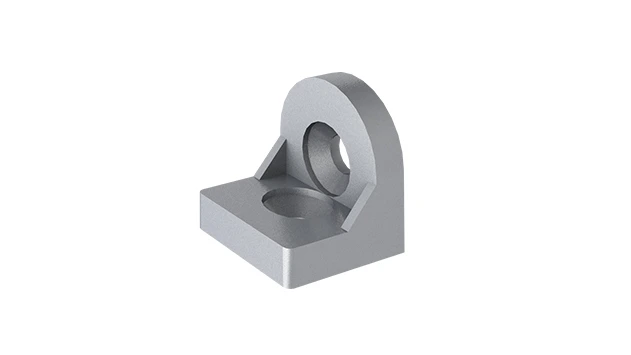
The turning angle aluminum profile connector provides a 90 degree hidden corner connection. 4040 it is means this size is used for 40 series aluminum profile.The corner code comes with set screws that allow for quick, easy connections.
In the bustling world of manufacturing, workshops, and industrial setups, it's easy to get swept up in the excitement of big machinery, high-tech equipment, and flashy production lines. But if you've ever taken a closer look at what keeps these systems running smoothly, you'll notice something crucial: the small, unassuming components that hold everything together. Today, we're shining a spotlight on one such unsung hero: the
Turning Angle Code 4040
. This tiny but mighty piece is a staple in aluminum profile structures, working tirelessly behind the scenes to ensure stability, precision, and safety. Whether you're building workbenches, material racks, or assembly lines, the Turning Angle Code 4040 is the quiet force that turns a collection of aluminum profiles into a robust, functional system. But like any hardworking component, it needs a little TLC to keep performing at its best. In this guide, we'll walk you through everything you need to know about cleaning and maintaining your Turning Angle Code 4040—because when the small parts thrive, the whole operation thrives.
Understanding the Turning Angle Code 4040: More Than Just a "Connector"
Before we dive into maintenance, let's make sure we're all on the same page about what a Turning Angle Code 4040 actually is. At its core, it's a specialized
aluminum profile connector
designed to join two 4040 aluminum profiles at a 90-degree angle (hence the "turning" in its name). Think of it as the hinge that lets you build right-angle structures—like the corner of a workbench or the joint of a material rack—without compromising on strength.
Most Turning Angle Code 4040 components are made from high-grade aluminum alloy, chosen for its lightweight yet durable properties. They typically feature pre-drilled holes that align with the T-slots of 4040 aluminum profiles, allowing for secure attachment with bolts or screws. Some designs even include reinforcing ribs or chamfered edges to reduce stress points, making them ideal for heavy-duty applications.
But here's the thing: while the Turning Angle Code 4040 is a star player, it rarely works alone. It's part of a larger family of
aluminum profile accessories
, often teaming up with gusset plates (like the
gusset alp 4040
), end caps, and T-slot nuts to create rock-solid connections. This teamwork means that maintaining your angle code isn't just about the part itself—it's about ensuring the entire ecosystem of components stays in top shape.
Why Bother with Maintenance? The Hidden Costs of Neglect
You might be thinking, "It's just a small metal piece—how much damage can neglect really do?" Let's put it this way: imagine building a house and skipping maintenance on the nails. Over time, those nails rust, loosen, or break, and suddenly the whole structure becomes wobbly. The same logic applies to your Turning Angle Code 4040. Here's why regular care matters:
- Longevity: A well-maintained angle code can last for years, even in high-traffic industrial environments. Neglect it, and you'll be replacing it far sooner than necessary—costing you time, money, and the hassle of downtime.
- Safety First: Loose or damaged angle codes compromise the stability of the entire aluminum profile structure. Whether it's a workbench holding heavy tools or a material rack stacked with inventory, a failing angle code could lead to collapses, injuries, or damaged goods.
- Performance Precision: In applications where alignment matters (like assembly lines or precision workstations), a warped or corroded angle code can throw off measurements, leading to product defects or inefficient workflows.
- Cost Savings: Replacing a single angle code is cheap, but if neglect leads to cascading damage (like a bent aluminum profile or a broken gusset plate), the repair bill can skyrocket. Maintenance is insurance against these bigger headaches.

Step-by-Step Cleaning: Giving Your Angle Code a Fresh Start
Cleaning might seem like a no-brainer, but when it comes to metal components in industrial settings, there's a right way and a wrong way. The goal is to remove dirt, grime, and corrosive substances without damaging the angle code's finish or structure. Let's break it down:
Pre-Cleaning Prep: Gather Your Tools
You don't need a fancy toolkit—just a few basic supplies to get the job done safely and effectively:- Soft-bristle brush (a toothbrush works great for tight spaces)
- Microfiber cloth (avoid paper towels, which can scratch the surface)
- Mild detergent (dish soap or a pH-neutral cleaner—stay away from harsh chemicals like bleach or ammonia)
- Distilled water (tap water can leave mineral deposits; distilled is gentler)
- Compressed air can (optional, but handy for blowing out debris from crevices)
- Small bucket or bowl for mixing soapy water
Step 1: Remove Loose Debris
Start by gently brushing the surface of the Turning Angle Code 4040 with the soft-bristle brush. Focus on the crevices where dust, metal shavings, or dirt tend to accumulate—especially around the bolt holes and where the angle code meets the aluminum profile. If you have compressed air, give those tight spots a quick blast to dislodge stubborn particles. This step prevents you from grinding debris into the surface during the wet cleaning phase (which can cause scratches).Step 2: Wipe with a Damp Cloth
Mix a few drops of mild detergent into a bowl of distilled water to create a soapy solution. Dip the microfiber cloth into the solution, wring it out thoroughly (you want it damp, not soaking wet), and gently wipe the entire surface of the angle code. Pay extra attention to areas with grease or oil stains—these can attract more dirt over time, so you want to remove them completely. For particularly greasy spots, you can add a tiny bit more detergent to the cloth (but avoid scrubbing too hard—aluminum finishes can be delicate).Step 3: Rinse and Dry
Once you've wiped away the grime, dampen a clean microfiber cloth with plain distilled water (no detergent) and wipe the angle code again to remove any soapy residue. Residue left behind can attract dust or even cause mild corrosion over time, so don't skip this step! After rinsing, immediately dry the angle code with a dry microfiber cloth. Moisture is the enemy of metal, so make sure it's completely dry—paying special attention to those hard-to-reach crevices where water might linger.Step 4: Post-Cleaning Inspection
Now that your angle code is sparkling clean, take a minute to inspect it closely. Look for signs of wear and tear: cracks, bends, rust (if it's steel-coated), or damage to the bolt holes. Even small issues, like a slightly bent edge, can affect performance, so note anything that looks off—we'll cover how to address these in the maintenance section.
Proactive Maintenance: Keeping Your Angle Code in Top Shape
Cleaning is just the first part of the equation—maintenance is about preventing problems before they start. Here's a routine you can follow to keep your Turning Angle Code 4040 in peak condition:
Weekly Visual Checks
You don't need to deep clean every week, but a quick visual inspection takes just 30 seconds and can catch issues early. Walk around your aluminum profile structures and check each angle code for:- Loose bolts or screws (these can rattle loose from vibration in busy workshops)
- Visible dirt or debris buildup (if it looks grimy, schedule a quick wipe-down)
- Signs of corrosion (look for white, green, or brown spots—more on this later)
- Bending or warping (if the angle code no longer sits flush against the aluminum profile, it's a red flag)
Monthly Tightening Session
Even if bolts look tight, they can loosen over time due to thermal expansion, vibration, or heavy use. Once a month, grab a hex key (the size depends on your fasteners—check the manufacturer's specs) and gently tighten the bolts securing the Turning Angle Code 4040 to the aluminum profile. Don't over-tighten—this can strip the threads or warp the angle code. A good rule of thumb is to tighten until you feel resistance, then give it a quarter-turn more. If a bolt is stripped or won't tighten, replace it immediately—don't risk using a faulty fastener.Quarterly Deep Dive
Every three months, set aside time for a more thorough check. This is when you'll:- Perform the full cleaning routine outlined earlier (this is especially important in dusty or humid environments).
- Inspect the mating surfaces of the angle code and aluminum profile. If there's rust or corrosion on the profile itself, it could spread to the angle code—address it with a rust remover (for steel profiles) or a gentle abrasive pad (for aluminum).
- Check for compatibility with other accessories. The Turning Angle Code 4040 often works with gusset alp 4040 plates for extra reinforcement. Make sure these gussets are also tight and damage-free, as a loose gusset can put extra strain on the angle code.
Annual Replacement Assessment
Even with perfect care, no component lasts forever. Once a year, evaluate whether your Turning Angle Code 4040 is still up to the task. If it's bent, heavily corroded, or has stripped bolt holes, it's time to replace it. When shopping for a new one, stick to reputable suppliers—cheap knockoffs might save you a few dollars upfront, but they're often made with lower-quality materials that wear out quickly.Troubleshooting Common Issues: What to Do When Things Go Wrong
Even with the best maintenance, problems can pop up. Here's how to tackle the most common Turning Angle Code 4040 issues:
Causes: Loose bolts, worn threads, or a mismatch between the angle code and aluminum profile (e.g., using a 4040 angle code on a 3030 profile by mistake).
Fix: Start by tightening the bolts. If they won't stay tight, check the threads on both the bolt and the T-slot nut (inside the aluminum profile). If the threads are stripped, replace both the bolt and nut. If the angle code is mismatched, swap it for the correct size—using the wrong code is a common rookie mistake that leads to instability.
Causes: Exposure to moisture, chemicals (like cleaning agents or oils), or salt (in coastal areas).
Fix: For mild corrosion, mix equal parts white vinegar and distilled water, apply it to the spot with a cloth, and let it sit for 5 minutes. Gently scrub with a soft brush, then rinse and dry. For severe corrosion (pitting or deep discoloration), replacement is safer—corroded metal weakens over time, even if the surface looks clean.
Causes: Overloading the structure (e.g., stacking more weight than the profile can handle), impact (like a forklift bumping into the rack), or improper installation (tightening bolts unevenly).
Fix: Bent angle codes can't be safely bent back—they'll never regain their original strength. replace it immediately, and take steps to prevent future damage: reinforce the structure with gusset alp 4040 plates, post weight limits, or install bumpers to protect against impacts.
Issue #1: Loose Connections
Signs: The angle code wobbles when you touch it, or you hear rattling noises from the structure.Causes: Loose bolts, worn threads, or a mismatch between the angle code and aluminum profile (e.g., using a 4040 angle code on a 3030 profile by mistake).
Fix: Start by tightening the bolts. If they won't stay tight, check the threads on both the bolt and the T-slot nut (inside the aluminum profile). If the threads are stripped, replace both the bolt and nut. If the angle code is mismatched, swap it for the correct size—using the wrong code is a common rookie mistake that leads to instability.
Issue #2: Corrosion
Signs: White, green, or brown spots on the angle code (aluminum oxide is usually white; rust is reddish-brown if the code has a steel coating).Causes: Exposure to moisture, chemicals (like cleaning agents or oils), or salt (in coastal areas).
Fix: For mild corrosion, mix equal parts white vinegar and distilled water, apply it to the spot with a cloth, and let it sit for 5 minutes. Gently scrub with a soft brush, then rinse and dry. For severe corrosion (pitting or deep discoloration), replacement is safer—corroded metal weakens over time, even if the surface looks clean.
Issue #3: Bent or Warped Angle Code
Signs: The angle code no longer forms a perfect 90-degree angle, or it gaps when attached to the aluminum profile.Causes: Overloading the structure (e.g., stacking more weight than the profile can handle), impact (like a forklift bumping into the rack), or improper installation (tightening bolts unevenly).
Fix: Bent angle codes can't be safely bent back—they'll never regain their original strength. replace it immediately, and take steps to prevent future damage: reinforce the structure with gusset alp 4040 plates, post weight limits, or install bumpers to protect against impacts.
Maintenance Schedule Overview
| Frequency | Tasks | Tools Needed | Notes |
|---|---|---|---|
| Weekly | Visual inspection for loose bolts, dirt, corrosion, or warping | None (just your eyes!) | Focus on high-traffic areas like workbenches or material racks |
| Monthly | Tighten bolts; quick wipe-down of visibly dirty angle codes | Hex key, microfiber cloth | Tighten bolts to manufacturer specs (typically 8-10 Nm for 4040 profiles) |
| Quarterly | Deep cleaning; inspect gusset alp 4040 and aluminum profile surfaces | Soft brush, mild detergent, distilled water | Check for corrosion on mating surfaces—address early to prevent spread |
| Annually | replace worn/damaged angle codes; check compatibility with aluminum profile connectors | Replacement angle codes, hex key set | Stick to OEM or trusted supplier parts for best fit and durability |
Best Practices for Long-Term Success
To wrap things up, here are a few extra tips to ensure your Turning Angle Code 4040 stands the test of time:
- Install with Care: Rushing installation is a recipe for problems. Make sure the angle code is aligned properly with the aluminum profile, and use the correct bolts and torque settings. If you're unsure, consult the manufacturer's guide—most reputable suppliers provide detailed specs.
- Watch the Weight: Every aluminum profile structure has a weight limit. Exceeding it puts extra strain on angle codes, gusset plates, and other accessories. Post weight limits clearly and train your team to respect them.
- Control the Environment: If possible, keep your workshop or facility dry and well-ventilated. High humiditys corrosion, while excessive dust clogs bolt holes and traps moisture. Dehumidifiers or air filters can make a big difference.
- Pair with Quality Accessories: The Turning Angle Code 4040 is only as good as the parts it works with. Invest in high-quality aluminum profile accessories like gusset plates, T-slot nuts, and bolts. Cheap accessories wear out quickly and can damage your angle code over time.