
In the bustling world of manufacturing, warehousing, and industrial operations, aluminum pipe structures are the unsung heroes of efficiency. From workbenches and material racks to conveyor systems and assembly lines, these lightweight yet durable setups rely on a critical component: the two way aluminum pipe joint. These unassuming connectors hold everything together, ensuring stability, flexibility, and smooth workflow. But in harsh industrial environments—where dust, moisture, chemicals, and constant vibration are daily realities—these joints face relentless wear and tear. Neglecting their care isn't just a recipe for loose structures or wobbly workstations; it can lead to costly downtime, safety hazards, and premature replacement. In this guide, we'll walk through the ins and outs of cleaning and maintaining two way aluminum pipe joints, so you can keep your lean system running strong, even when the environment tries to work against you.
Understanding Two Way Aluminum Pipe Joints: More Than Just a "Connector"
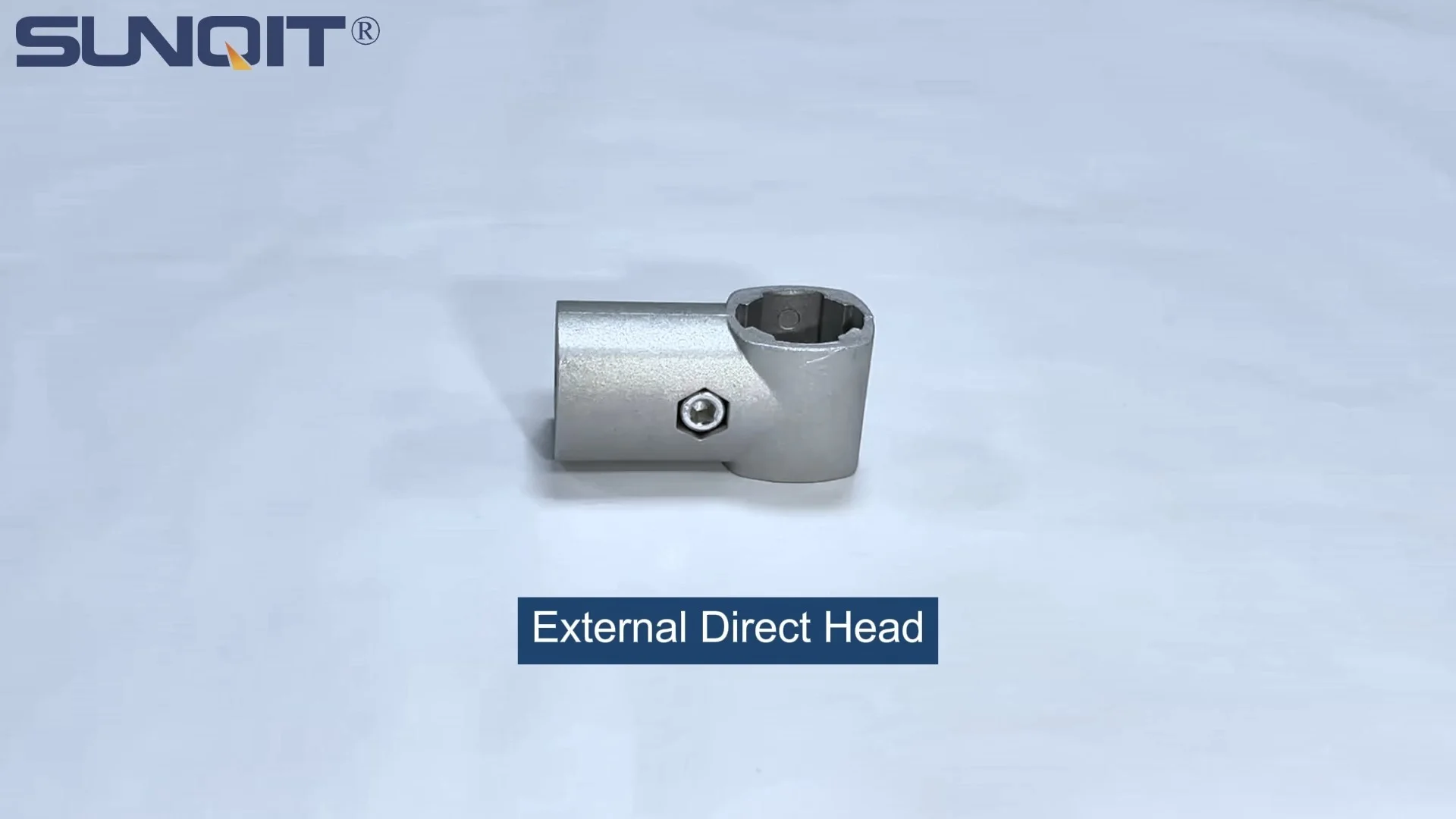
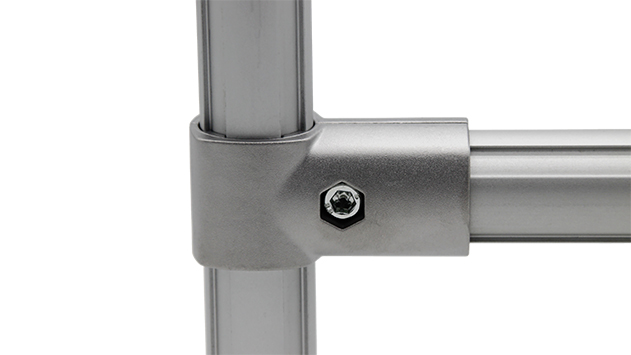
Before diving into maintenance, let's take a moment to appreciate what two way aluminum pipe joints actually do. Unlike rigid welded connections, these joints are designed for flexibility—allowing you to assemble, disassemble, and reconfigure aluminum pipe structures with ease. This adaptability is why they're a cornerstone of lean manufacturing systems, where quick adjustments to workflows or space constraints are essential. A typical two way aluminum pipe joint features threaded or press-fit ends that secure two aluminum pipes at a fixed angle (often 90 degrees, though some are adjustable), along with a locking mechanism (like a set screw or clamp) to keep the connection tight once assembled.
Most two way aluminum pipe joints are made from high-grade aluminum alloy, chosen for its strength-to-weight ratio and natural resistance to corrosion. Many are also treated with an anodized coating—a thin, protective layer that adds extra durability and prevents oxidation. But here's the catch: even with these built-in safeguards, harsh environments can test their limits. Dust can clog threads, chemicals can eat away at coatings, and vibration can loosen locking mechanisms over time. To keep these joints performing, you need a maintenance routine that addresses their unique design and the specific challenges of your workspace.
The Hidden Threats: How Harsh Environments Damage Aluminum Pipe Joints
Not all industrial environments are created equal, but they all have one thing in common: they're tough on equipment. Let's break down the most common culprits that target two way aluminum pipe joints, and how they cause damage:
1. Dust, Dirt, and Particulate Buildup
In factories, warehouses, or construction sites, dust is everywhere. Whether it's sawdust from woodworking, metal shavings from machining, or general debris from foot traffic, these tiny particles love to settle in the crevices of aluminum pipe joints. Over time, they can act like sandpaper, wearing down threads or blocking the movement of adjustable parts. In threaded joints, dust buildup can even prevent proper tightening, leaving connections loose and unstable.
2. Moisture and Humidity
Aluminum is naturally corrosion-resistant, but it's not invincible—especially when moisture is paired with other elements. In humid environments (like food processing plants or outdoor loading docks) or areas with frequent water exposure (think car washes or bottling facilities), moisture can seep into joint crevices. If the joint's anodized coating is scratched or damaged, this moisture can trigger oxidation, leading to white, powdery corrosion (aluminum oxide) that weakens the metal over time.
3. Chemical Exposure
Factories using solvents, oils, coolants, or cleaning agents pose another risk. Spills or airborne chemical mist can degrade the anodized coating on aluminum joints, exposing the raw metal underneath. For example, acidic chemicals (like those used in battery manufacturing or metal plating) can etch the surface, while oils and greases can attract dust, creating a gritty sludge that gums up moving parts.
4. Vibration and Mechanical Stress
Heavy machinery, conveyor belts, or even foot traffic nearby can subject aluminum pipe structures to constant vibration. Over time, this shaking can loosen the locking mechanisms in two way joints—set screws back out, clamps lose tension, and threads wear down from repeated micro-movements. The result? A structure that feels "wobbly" or shifts under load, which not only affects productivity but also increases the risk of parts slipping or falling.
5. Temperature Extremes
Extreme heat (e.g., near furnaces or in desert climates) or cold (e.g., freezers or outdoor winter operations) can cause aluminum to expand or contract. This thermal stress can strain the bond between the joint and the pipe, leading to cracks in the joint material or gaps that let in moisture and debris. In outdoor settings, freeze-thaw cycles are especially problematic: water seeps into cracks, freezes, expands, and widens the damage.
Step-by-Step Cleaning: Removing the "Gunk" Without Damaging the Joint
Cleaning two way aluminum pipe joints isn't just about making them look shiny—it's about removing harmful buildup that causes wear. The key is to be thorough but gentle: aluminum is soft compared to steel, so abrasive tools or harsh chemicals can scratch the surface or strip the anodized coating. Here's a step-by-step process to get the job done right:
Tools You'll Need
- Soft-bristle brush (toothbrush or small parts brush works well for tight spaces)
- Compressed air can or air compressor (for blowing out dust from threads/crevices)
- Mild detergent (dish soap or a pH-neutral cleaner—avoid bleach or acidic solutions)
- Microfiber cloths (lint-free to avoid leaving residue)
- Isopropyl alcohol (for degreasing, if oil/grease is present)
- Cotton swabs (for cleaning around set screws or small gaps)
- Protective gloves (to avoid transferring oils from your hands onto clean joints)
Cleaning Process
Step 1: Disassemble (If Possible) – If the joint is part of a non-critical structure (e.g., a temporary material rack), disassemble it by loosening the locking mechanism and separating the joint from the pipes. This gives you full access to all surfaces, including threads and hidden crevices. For permanent structures (like a fixed workstation), skip to Step 2, but be extra careful to clean around the joint without disturbing the overall stability.
Step 2: Remove Loose Debris – Start by using compressed air to blow away loose dust, dirt, or metal shavings from the joint. Hold the air nozzle a few inches away to avoid damaging delicate parts, and focus on hard-to-reach areas like thread grooves, set screw holes, and the gap between the joint and pipe (if still assembled). For stubborn clumps, gently brush with a soft-bristle brush—don't scrub too hard, as this can scratch the anodized coating.
Step 3: Degrease (If Oily/Greasy) – If the joint is coated in oil, grease, or sticky residue (common in automotive or machinery shops), dampen a microfiber cloth with isopropyl alcohol and wipe the surface. For threaded areas or small gaps, use a cotton swab dipped in alcohol to dissolve the gunk. Avoid using harsh degreasers like acetone, which can eat away at the anodized finish.
Step 4: Wash with Mild Detergent – Fill a bucket with warm water and a few drops of mild dish soap. Dip a clean microfiber cloth into the soapy water, wring it out (you don't want excess moisture), and wipe down the entire joint. This removes remaining dirt, grime, or chemical residues. Pay special attention to the locking mechanism—if it's a set screw, gently wipe around the head to ensure it turns smoothly later.
Step 5: Rinse and Dry Thoroughly – Use a damp (not wet) cloth with clean water to wipe away soap residue. Then, dry the joint immediately with a dry microfiber cloth. Moisture left on aluminum can lead to oxidation, so don't skip this step! For threaded joints, use a cotton swab to dry inside the threads—any trapped water here can cause corrosion over time.
Step 6: Inspect for Damage – Now that the joint is clean, take a close look for signs of wear: scratches in the anodized coating, bent threads, cracks in the aluminum, or a loose locking mechanism. If you spot deep scratches or cracks, it's time to replace the joint—damaged areas are vulnerable to further deterioration. Minor scratches can be touched up with a clear aluminum sealant (available from most aluminum pipe suppliers) to prevent corrosion.

Maintenance 101: Keeping Joints Tight and Durable Long-Term
Cleaning is just half the battle—consistent maintenance is what will extend the life of your two way aluminum pipe joints. Think of it like changing the oil in your car: a small, regular investment that prevents big problems later. Here's a routine to follow, tailored to the demands of harsh environments:
Daily Quick Checks (2–3 Minutes per Structure)
Start each shift with a visual inspection of key joints. Walk around your aluminum pipe structures (workbenches, flow racks, etc.) and gently wiggle the pipes near two way joints. If you feel movement or hear a "rattle," the joint is loose. Tighten the locking mechanism (set screw, clamp, or nut) with the appropriate tool (usually a hex key or wrench). Don't overtighten—aluminum threads can strip easily! A good rule of thumb: tighten until you feel resistance, then give it a quarter-turn more.
Also, check for obvious signs of debris buildup: dust clumps around joints, oil drips, or corrosion spots. If you spot any, mark the joint for a deeper clean during your weekly maintenance window.
Weekly Deep Cleaning (15–20 Minutes per Structure)
Set aside time once a week to clean joints more thoroughly—follow the step-by-step cleaning process above for any joints that looked dirty or were loose during daily checks. This is also a good time to lubricate moving parts, if your joints have them (e.g., adjustable angle joints with pivot points). Use a dry lubricant (like silicone spray) or a light machine oil—avoid heavy greases, which attract dust. Apply a small amount to the pivot or threads, then move the joint back and forth to distribute the lubricant evenly.
Monthly "Structural Audit" (30–45 Minutes Total)
Once a month, do a more detailed inspection of all two way aluminum pipe joints in high-stress areas (e.g., near conveyor belts, heavy machinery, or outdoor exposure). Disassemble non-critical joints to check for internal wear: are the threads still sharp, or are they starting to round? Is the anodized coating intact, or is there pitting from chemicals? replace any joints that show significant wear—waiting until they fail could lead to a collapse.
Also, check the alignment of pipes connected by two way joints. If the pipes are bent or misaligned (common after heavy use), gently straighten them before reattaching the joint—stress from misalignment can weaken the joint over time.
Seasonal Adjustments (For Extreme Environments)
If your facility experiences extreme temperature or humidity swings (e.g., outdoor warehouses in summer/winter, food processing plants with steam cleaning), adjust your maintenance routine seasonally. In humid months, increase the frequency of drying during cleaning and consider applying a thin coat of clear aluminum wax (available at hardware stores) to joints—this adds a barrier against moisture. In cold months, check joints more frequently for tightness, as metal contracts in low temperatures, which can loosen connections.

Troubleshooting Common Joint Issues: What to Do When Things Go Wrong
Even with careful maintenance, problems can pop up. Here's a quick reference table to diagnose and fix the most common issues with two way aluminum pipe joints:
| Issue | Probable Cause | Solution |
|---|---|---|
| Joint feels loose, even after tightening | Debris in threads; stripped threads; worn locking mechanism | 1. Disassemble, clean threads thoroughly with a wire brush (soft brass brush for aluminum). 2. If threads are stripped, replace the joint. 3. If locking mechanism (set screw) is worn, replace the screw with a new one (available as aluminum pipe accessories). |
| White, powdery residue on the joint (oxidation) | Moisture trapped on unprotected aluminum (scratched anodized coating) | 1. Clean residue with a soft cloth and a mild acid (like white vinegar)—dampen cloth, wipe gently, then rinse immediately. 2. Dry thoroughly. 3. Apply clear aluminum sealant to the scratched area to prevent future oxidation. |
| Joint is stuck (can't disassemble) | Rust from moisture; chemical buildup freezing the connection | 1. Apply a penetrating oil (like WD-40) to the joint and let sit for 10–15 minutes. 2. Tap the joint gently with a rubber mallet to loosen. 3. Use a wrench to twist the pipes apart (wrap pipes in cloth to avoid scratching). |
| Aluminum joint is cracked | Over-tightening; impact damage; fatigue from vibration | replace the joint immediately—cracks will only grow, and the joint can fail suddenly. Dispose of the old joint properly (recycle aluminum!) |
| Locking mechanism (set screw) won't turn | Dust or corrosion in the screw hole; stripped screw head | 1. Blow out dust with compressed air, then apply a drop of penetrating oil to the screw head. 2. Let sit 5 minutes, then try turning with the correct tool (using the wrong size hex key strips heads!). 3. If stripped, use a screw extractor to remove it, then replace with a new set screw. |
Sourcing Quality: Why the Right Aluminum Pipe Supplier Matters
Even the best maintenance routine can't save a poorly made two way aluminum pipe joint. In harsh environments, cutting corners on joint quality is a false economy—cheap, low-grade aluminum joints will corrode faster, strip easier, and fail sooner, costing you more in replacements and downtime. That's why choosing a reputable aluminum pipe supplier is just as important as cleaning and maintenance.
What should you look for in a supplier? Start with material quality: ask if their two way aluminum pipe joints are made from 6061 or 6063 aluminum alloy—these are industry standards for strength and corrosion resistance. Check if the joints are anodized (look for a matte, uniform finish) and ask about the thickness of the anodized layer (thicker = more durable). Reputable suppliers will also provide test reports or certifications for their aluminum, ensuring it meets safety and performance standards.
Compatibility is another key factor. If you're adding new joints to an existing lean system, make sure the supplier's joints match your aluminum pipe size (common diameters are 20mm, 30mm, or 40mm) and thread type (metric vs. imperial). Mismatched joints will never fit tightly, no matter how much you tighten them. Finally, look for suppliers that offer a warranty—even the best products can have defects, and a warranty shows the supplier stands behind their parts.
Conclusion: Small Steps, Big Results for Your Lean System
Two way aluminum pipe joints might not be the most glamorous part of your industrial setup, but they're the glue that holds your lean system together. In harsh environments, they face an uphill battle against dust, moisture, chemicals, and vibration—but with the right cleaning, maintenance, and quality parts, they can rise to the challenge. By spending a few minutes each day checking for looseness, a little extra time weekly to clean, and investing in durable joints from a trusted aluminum pipe supplier, you'll keep your structures stable, your workflow smooth, and your budget intact.
Remember: maintenance isn't just about fixing what's broken—it's about preventing breakage in the first place. So the next time you walk past that workbench or flow rack, take a second to appreciate the two way aluminum pipe joints holding it all together. Give them a quick check, a gentle wipe, and a little care—and they'll keep working hard for you, day in and day out, no matter how tough the environment gets.