- Company Articles
- Products and Technology
- Installation And Maintenance
- How to Clean Castor Fixed Plates: Maintenance Routine for Factories

How to Clean Castor Fixed Plates: Maintenance Routine for Factories
Related Product
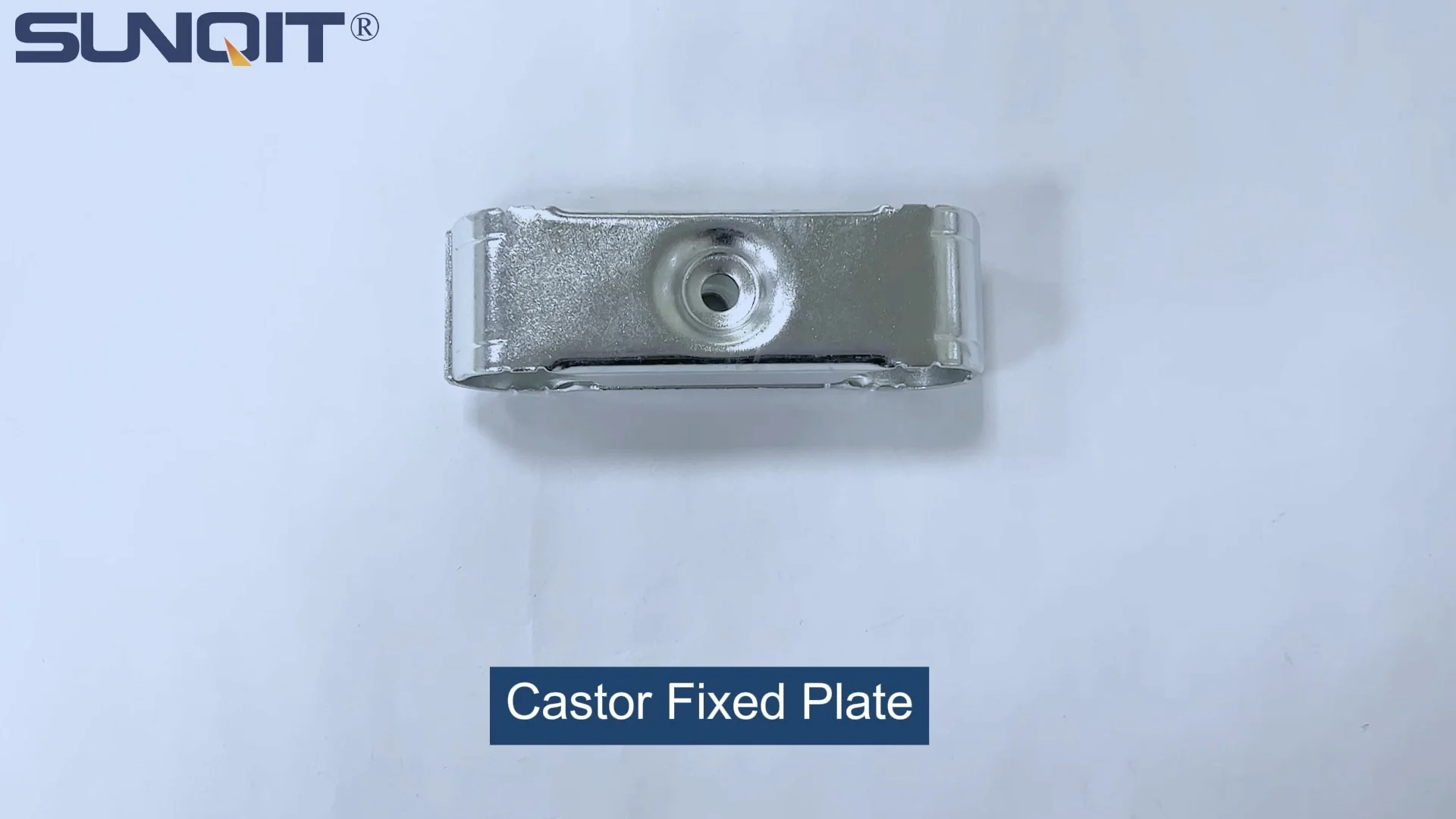
Castor Fixed Plate
Castor fixed plate, used for castor installation, one castor need two pcs castor plate to fix under the workbench, flow rack, and hand trolley.
Walk through any busy factory, and you'll see them: workbenches humming with assembly tasks, turnover trolleys gliding across the floor, and material racks stacked with components. Behind all this motion, there's an unsung hero keeping things steady—castor fixed plates. These small, unassuming metal plates connect caster wheels to equipment, ensuring everything from lean pipe workbenches to heavy-duty turnover trolleys moves smoothly. But here's the thing: they're also magnets for grime. Dust, oil, metal shavings, and debris from the factory floor cling to them, turning a minor annoyance into a major risk if ignored. A dirty castor fixed plate can slow down operations, create safety hazards, or even shorten the lifespan of your equipment. So let's dive into why these plates matter, how to clean them properly, and why this simple maintenance task can save your factory time, money, and headaches.
Understanding Castor Fixed Plates: The Backbone of Factory Mobility
First, let's get clear on what castor fixed plates actually do. Picture a lean pipe workbench with wheels: the caster wheels themselves handle movement, but the fixed plate is the sturdy link that bolts the caster to the bench's frame. Made from durable materials like steel or aluminum (depending on the equipment's weight capacity), these plates distribute the load evenly, preventing wobbling or stress on individual bolts. They're designed to be tough, but they're not invincible—especially when exposed to a factory's harsh environment.
Over time, castor fixed plates collect all kinds of gunk. Metal shavings from machining processes scratch their surfaces, oil leaks from machinery coat them in a sticky film, and dust mixes with moisture to form a gritty paste. If left unchecked, this buildup can corrode the plate, loosen bolts, or even jam the caster's swivel mechanism. Imagine a turnover trolley suddenly sticking mid-roll because its fixed plate is clogged with debris—that's a production line delay waiting to happen. Worse, a weakened plate might fail under heavy loads, putting workers at risk of trips or falls. Simply put, neglecting castor fixed plates isn't just about aesthetics; it's about keeping your factory running safely and efficiently.
Why Regular Cleaning Matters: More Than Just a "Nice-to-Do"
You might be thinking, "We've got bigger fish to fry than cleaning tiny metal plates." But hear this: a 2023 study by the Manufacturing Efficiency Institute found that 18% of unplanned factory downtime stems from preventable equipment issues—including dirty or damaged caster components. Let's break down why making castor fixed plate cleaning a routine is worth the effort.
Safety First
A wobbly trolley or a seized caster on a workbench isn't just annoying—it's dangerous. If a castor fixed plate is corroded or clogged, the caster wheel can tilt, causing the equipment to tip. In 2022, the Occupational Safety and Health Administration (OSHA) reported over 4,500 workplace injuries related to "unstable mobile equipment," many traceable to poor caster maintenance. By keeping fixed plates clean, you reduce the risk of sudden failures that could harm workers or damage products.
Efficiency Uninterrupted
Time is money in manufacturing, and a slow-moving trolley or a stuck workbench wastes both. When castor fixed plates are caked in grime, caster wheels don't swivel smoothly, forcing workers to exert extra effort to move equipment. Over a shift, those extra seconds add up: a single sticky trolley could cost your team 30+ minutes of lost productivity. Clean plates mean friction-free movement, keeping workflows tight and on schedule.
Cost Savings Over Time
Replacing a caster wheel or fixed plate isn't cheap—especially if you have to do it prematurely. A standard steel castor fixed plate costs $15–$30, and that's before labor. Multiply that by dozens of workbenches and trolleys, and the costs spiral. Regular cleaning prevents corrosion and wear, extending the life of your caster components by 2–3 years. It's a small investment of time that pays off in fewer replacements and repairs.

Tools and Materials: What You'll Need for the Job
Cleaning castor fixed plates doesn't require fancy equipment, but having the right tools on hand makes the process faster and more effective. Here's a breakdown of what you'll need, along with why each item matters:
| Tool/Material | Purpose |
|---|---|
| Stiff-bristle brush (nylon or brass) | Removes loose debris like dust, metal shavings, and dried mud without scratching the plate's surface. |
| Microfiber cloths | Cleans away oil and grime without leaving lint; ideal for wiping down smooth surfaces. |
| Degreaser (non-corrosive) | Breaks down thick oil or grease buildup—look for formulas safe for steel/aluminum. |
| Mild detergent (e.g., dish soap) | Mixes with water to clean general dirt and grime; gentler than degreaser for regular maintenance. |
| Small bucket or spray bottle | Holds soapy water or diluted degreaser for easy application. |
| Toothbrush or detail brush | Reaches tight spots around bolts, welds, and crevices where debris hides. |
| Safety gloves (nitrile or latex) | Protects hands from sharp edges, chemicals, and oil residue. |
| Safety goggles | Shields eyes from flying debris when brushing or rinsing. |
| Lint-free towel | Dries plates thoroughly to prevent rust (never air-dry—moisture speeds up corrosion). |
| Rust inhibitor spray (optional) | Adds a protective layer after cleaning, especially useful in humid factories. |
Pro tip: Keep these tools in a dedicated "caster maintenance kit" near your factory's tool storage area. That way, you won't waste time hunting for supplies when it's time to clean.

Step-by-Step Cleaning Process: A Routine Anyone Can Follow
Cleaning castor fixed plates is straightforward, but attention to detail ensures you don't miss hidden grime. Follow these steps to get the job done right:
Step 1: Prepare the Equipment
Start by moving the equipment to a well-lit, accessible area—preferably near a sink or hose if you're using water. If the item is heavy (like a loaded turnover trolley), enlist a coworker to help shift it. For workbenches or racks bolted to the floor, clear the surface of tools and materials to avoid getting them dirty. Safety first: put on your gloves and goggles before starting.
Step 2: Dry Brush to Remove Loose Debris
Take your stiff-bristle brush and gently scrub the castor fixed plate. Focus on the edges, bolt holes, and the area where the plate meets the caster wheel—this is where dust and metal shavings love to hide. Brush in all directions to dislodge stubborn particles, and use a toothbrush for tight spots around bolts. Tap the plate lightly afterward to shake off loosened debris onto a drop cloth or shop vac.
Step 3: Wipe with Soapy Water (For General Grime)
Mix a few drops of mild detergent into a bucket of warm water. Dip a microfiber cloth into the solution, wring it out (you don't want dripping wet), and wipe the fixed plate thoroughly. The soap will cut through dirt and light oil, while the cloth picks up residue. Pay extra attention to fingerprints or smudges—these can trap dust over time. Rinse the cloth frequently to avoid spreading grime around.
Step 4: Degrease for Heavy Oil Buildup
If the plate is coated in thick oil (common near machinery or production lines), switch to degreaser. Spray a small amount directly onto the plate (or onto a cloth, if you're worried about overspray) and let it sit for 2–3 minutes. The degreaser will break down the oil, making it easy to wipe away with a clean microfiber cloth. For really stubborn spots, use the toothbrush to scrub gently—you'll see the oil lift off as a dark residue on the cloth.
Step 5: Rinse and Dry Thoroughly
If you used soapy water or degreaser, dampen a clean microfiber cloth with plain water and wipe the plate to remove any leftover soap or chemical residue. Even small amounts can attract dirt later, so don't skip this step! Once rinsed, dry the plate immediately with a lint-free towel. Rub in circular motions to ensure no moisture is trapped in crevices—this is key to preventing rust.
Step 6: Inspect for Wear or Damage
While the plate is clean, take a minute to inspect it. Look for cracks, bent edges, or rust spots (these can weaken the plate over time). Check that bolts are tight—loose bolts can cause the plate to shift, leading to wobbly casters. If you notice significant damage (like a cracked plate or stripped bolt holes), mark the equipment for repair or replacement. Catching issues early prevents bigger problems down the line.
Step 7: Apply Rust Inhibitor (Optional)
For factories in humid climates or those using steel plates, a quick spray of rust inhibitor adds an extra layer of protection. Hold the can 6–8 inches from the plate and apply a light, even coat. Let it dry for 10–15 minutes before moving the equipment back into place. This simple step can extend the plate's life by years, especially in damp storage areas.

Troubleshooting Common Challenges
Even with the best routine, you might run into tricky spots when cleaning castor fixed plates. Here's how to handle them:
Stubborn Rust Spots
If you find small rust patches, don't panic. Mix equal parts baking soda and water to make a paste, apply it to the rust, and let it sit for 10 minutes. The baking soda's mild abrasiveness will lift the rust, which you can then scrub away with a toothbrush. Wipe clean and dry, then apply rust inhibitor to prevent recurrence. For large rusted areas, though, it's better to replace the plate—rust weakens the metal, making it unsafe for heavy loads.
Stuck or Stripped Bolts
Bolts on fixed plates can seize up if they're covered in grime. Spray a bit of penetrating oil (like WD-40) around the bolt head and let it sit for 5 minutes. Use a wrench to loosen gently—avoid over-tightening, which can strip the threads. If a bolt is stripped, use a bolt extractor tool to remove it, and replace with a new one of the same size. Always check bolt tightness during cleaning—loose bolts are a top cause of caster wobble.
Hard-to-Reach Areas
Some fixed plates are tucked close to the equipment frame, making them hard to brush or wipe. In these cases, use compressed air (from a can or air compressor) to blow out debris from tight spaces. For oil or grime, soak a cotton swab in degreaser and dab it onto the area—this lets you target the dirt without disassembling the caster. Be patient—taking an extra minute here prevents buildup from getting worse.
Integrating Cleaning into Your Lean System
Factories that thrive on lean manufacturing know: efficiency starts with small, consistent habits. Cleaning castor fixed plates might seem like a minor task, but it fits perfectly into lean principles—reducing waste, improving flow, and boosting overall productivity. Here's how to weave it into your existing routine:
5S Methodology: Sort, Set in Order, Shine, Standardize, Sustain
The "Shine" step of 5S emphasizes keeping work areas clean and well-maintained—and castor fixed plates are no exception. Make plate cleaning part of your daily "Shine" checklist for equipment operators. For example, assign the night shift team to wipe down lean pipe workbench casters before clocking out, or have material handlers quick-brush turnover trolley plates during their morning inspection. When everyone takes ownership, the task never falls to one person.
Preventive Maintenance Schedules
Most factories already have PM schedules for machines—add castor fixed plates to the list. Aim for a deep clean (including degreasing and inspection) every 2 weeks, with quick daily wipes for high-use equipment. Use a simple logbook or digital tool (like a maintenance app) to track when each plate was cleaned—this helps spot patterns, like a particular workbench needing more frequent attention due to its location near an oil leak.
Training and Accountability
Even the best routine fails if teams don't understand why it matters. Hold a 15-minute training session to show workers how dirty plates affect safety and efficiency. Demonstrate the cleaning steps, then pair new employees with veterans to practice. Recognize teams that keep their equipment in top shape—maybe a monthly "Cleanest Caster Award" with a small prize. When workers see the impact of their effort, they'll take pride in the task.
A Day in the Life: How Clean Plates Keep Production Rolling
Let's step into the shoes of Maria, a maintenance technician at Precision Parts Co., a mid-sized factory that assembles automotive components. It's 7:30 AM, and Maria is doing her morning rounds, clipboard in hand. Her first stop: the lean pipe workbench area, where assemblers are gearing up for the day.
"How's the trolley holding up?" she asks Juan, who's loading parts onto a turnover trolley. Juan nods: "Smooth as butter—since you cleaned those plates last week, it doesn't drag anymore." Maria smiles. A week earlier, she'd noticed the trolley's castor fixed plates were caked in metal shavings, causing the wheels to stick. A 5-minute brush and wipe, and the trolley was gliding again—saving Juan 10 minutes per trip.
Next, she checks the material rack near the welding station. The rack's casters are covered in a thin layer of oil, so Maria grabs her degreaser and a cloth. As she wipes the fixed plates, she notices a loose bolt—tightening it takes 30 seconds, but it prevents the rack from wobbling when loaded. "Thanks for that," says Lina, the material handler. "Last month, a wobbly rack spilled a box of bolts—this saves me from picking up messes!"
By 8:00 AM, Maria has cleaned 12 castor fixed plates, tightened 3 bolts, and noted one plate with minor rust for replacement next week. It's a small part of her day, but by 3:00 PM, the production line is still running on schedule—no delays, no stuck trolleys, no near-misses. As the shift manager puts it: "Those plates might be small, but Maria's work keeps the whole operation moving."
The Bottom Line: Small Tasks, Big Results
Castor fixed plates might not get the same attention as high-tech machinery or automated systems, but they're the quiet backbone of factory mobility. A little time spent cleaning and inspecting them prevents accidents, cuts downtime, and extends equipment life—all while keeping your lean system running like a well-oiled machine.
So grab your brush, gather your team, and make castor fixed plate cleaning a habit. It's not just about keeping things shiny—it's about building a factory where every detail works together to create efficiency, safety, and success. After all, in manufacturing, the difference between good and great often comes down to the parts no one notices—until they stop working.