- Company Articles
- Products and Technology
- Installation And Maintenance
- How to Clean Chrome-Plated Two Way Lean Pipe Joints: Best Practices

How to Clean Chrome-Plated Two Way Lean Pipe Joints: Best Practices
Related Product
Two Way Lean Pipe Joint
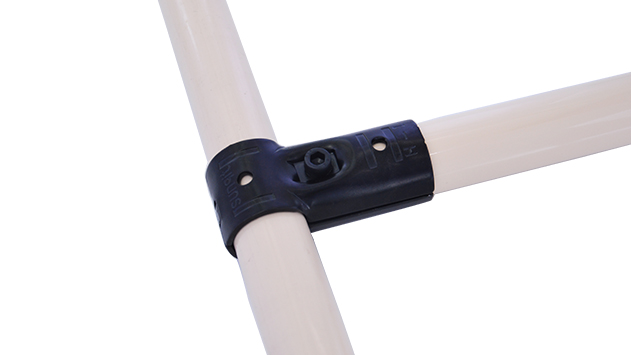
Two way lean pipe joint for 2 pcs 28MM lean pipe connection in straight angle, which used widely in workbench, flow rack, hand trolley frame connection.
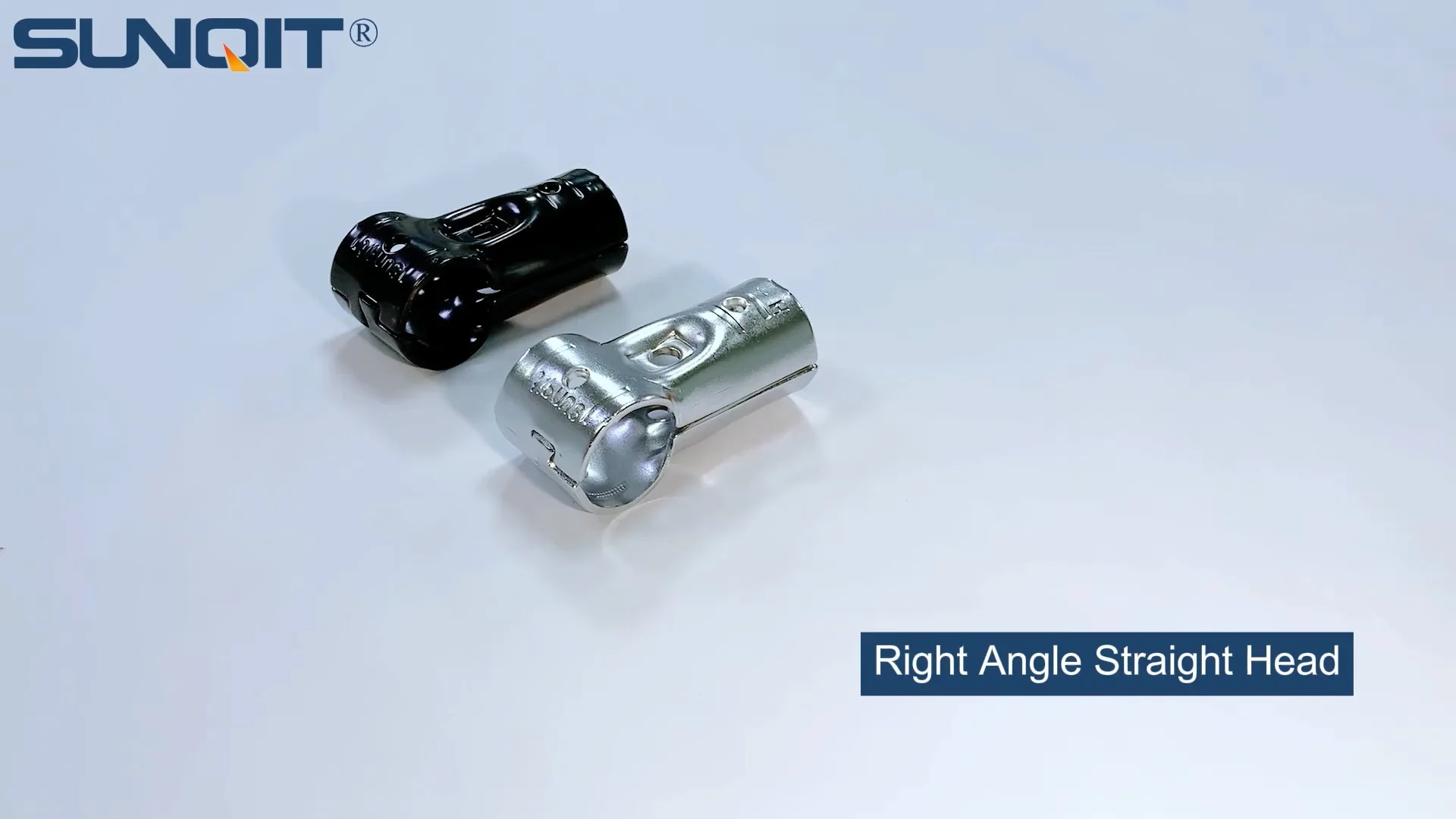
In the fast-paced world of manufacturing and production, every component on the floor plays a quiet but vital role in keeping operations running smoothly. Among these unsung workhorses are chrome-plated two way lean pipe joints—small, unassuming connectors that form the backbone of countless structures in a lean system. From supporting lean pipe workbenches to holding together material racks on production assemble lines, these joints bear the weight of efficiency, precision, and daily wear. Yet, despite their importance, they're often overlooked when it comes to maintenance. Dirt, grease, and moisture can quietly degrade their performance over time, leading to loose connections, rust, or even system failures. Today, we're diving into the why and how of cleaning these critical components, ensuring your lean system stays robust, reliable, and ready to keep your production line moving.
Understanding Chrome-Plated Two Way Lean Pipe Joints
Before we grab the cleaning supplies, let's take a moment to appreciate what makes these joints so essential. Chrome-plated two way lean pipe joints are designed to connect lean pipes—hollow tubes used in constructing modular structures like workbenches, flow racks, and trolleys—in a lean system. The "two way" designation means they join two pipes at a fixed angle (often 90 degrees), providing stability while allowing for the flexibility that defines lean manufacturing. The chrome plating adds a protective layer, shielding the underlying metal from corrosion and giving the joint a smooth, durable finish that resists scratches and tarnish.
In a production assemble environment, these joints are workhorses. They're exposed to everything from metal shavings and lubricants to spilled coolants and humidity. Over time, dust and debris can settle into the crevices where the joint meets the pipe, creating friction that loosens connections. Grease from machinery can build up, attracting more dirt and making adjustments or disassembly nearly impossible. Even fingerprints, if left unattended, can leave oils that trap moisture, eventually leading to rust spots under the chrome. Simply put, a dirty joint is a weak link—and in a lean system, weak links disrupt flow, slow down production, and increase the risk of accidents.
Why Cleaning Matters: Beyond Shiny Surfaces
You might be thinking, "If the joint still holds the pipe, does it really need cleaning?" The short answer: yes. Cleaning chrome-plated two way lean pipe joints isn't just about aesthetics—it's about preserving functionality, extending lifespan, and protecting your investment in your lean system. Here's why it matters:
- Preventing Corrosion: Chrome plating is resistant to rust, but it's not impervious. Tiny scratches or chips in the plating (often invisible to the naked eye) can let moisture seep in, especially if dirt or salt is present. Regular cleaning removes these contaminants, reducing the risk of under-plate rust that can weaken the joint from the inside out.
- Maintaining Tight Connections: Dirt and grime act like sandpaper between the joint and the pipe, wearing down the grip over time. A clean joint ensures a snug fit, keeping your lean pipe workbench or rack stable and secure.
- Ease of Adjustment: Lean systems are designed to be adaptable—you might need to reconfigure a workbench or extend a flow rack as production needs change. A joint clogged with grease or debris won't twist or release easily, turning a quick adjustment into a frustrating, time-consuming task.
- Workplace Safety: Loose or unstable structures are accidents waiting to happen. A joint that's corroded or weakened by dirt can fail under load, risking injury to workers or damage to equipment.
- Professionalism: A clean, well-maintained workspace sends a message to your team and visitors that you value quality and attention to detail. When even the smallest components are cared for, it boosts morale and reinforces a culture of excellence.
Pro Tip: Set a regular cleaning schedule based on your environment. If your production assemble line is in a dusty or humid area, aim for a quick wipe-down every week and a deep clean monthly. In cleaner environments, a monthly check and quarterly deep clean may suffice.
Preparing for the Cleaning Process: Tools and Safety First
Cleaning chrome-plated joints is straightforward, but having the right tools on hand will make the job easier and prevent accidental damage. Here's what you'll need:
- Soft Cloths: Microfiber cloths are ideal—they're lint-free, gentle on chrome, and trap dust effectively. Avoid paper towels, which can leave scratches or lint behind.
- Mild Detergent: A pH-neutral dish soap (like Dawn or Palmolive) works well. Avoid harsh cleaners with bleach, ammonia, or abrasives (e.g., Comet), as these can strip the chrome plating or corrode the metal.
- Soft-Bristled Brush: A toothbrush (new, unused) or a small paintbrush with soft nylon bristles helps reach into tight crevices, like the threads or the area where the joint meets the pipe.
- Warm Water: For mixing with detergent—avoid hot water, which can cause the chrome to expand and contract, potentially loosening the plating.
- Baking Soda (Optional): For stubborn stains or light rust, a paste of baking soda and water can act as a gentle abrasive.
- White Vinegar (Optional): For cutting through grease, a 50/50 mix of vinegar and water can be effective (test on a small, hidden area first to ensure it doesn't damage the chrome).
- Rubber Gloves: Protect your hands from detergents and any oils or chemicals on the joints.
- Drying Cloth: A separate microfiber cloth for drying—moisture is the enemy, so thorough drying is key.
Safety first: If you're cleaning joints on a fully assembled structure (like a lean pipe workbench), ensure the structure is stable and won't tip over. If possible, disconnect the joint from the pipe (using the appropriate tools for your lean system) to clean it more thoroughly. If disassembly isn't an option, take care not to apply excessive force that could loosen the joint or damage the pipe.

Step-by-Step Cleaning Guide: From Grime to Gleam
Now, let's walk through the cleaning process step by step. Whether you're cleaning a single joint or an entire rack, these steps will ensure you remove dirt without harming the chrome.
Step 1: Remove Loose Debris
Start by gently wiping the joint with a dry microfiber cloth to remove loose dust, dirt, or metal shavings. This prevents scratching the chrome when you add water or detergent later. For crevices—like the gap between the joint and the pipe, or the threads of a screw-on joint—use the soft-bristled brush to dislodge debris. Tap the brush lightly to shake off the dirt, or wipe it on a dry cloth to avoid redistributing it.
Step 2: Mix a Mild Cleaning Solution
Fill a small bowl with warm water and add a drop or two of mild detergent—just enough to create a slightly sudsy solution. Avoid overdoing it; excess soap can leave a residue that's hard to rinse off. If you're dealing with grease (common in production assemble areas), you can add a teaspoon of white vinegar to the mix for extra degreasing power (remember to test on a hidden spot first).
Step 3: Clean the Surface
Dip the microfiber cloth into the soapy water, wring it out well (you want it damp, not soaking), and gently wipe the entire surface of the joint. Use circular motions to lift dirt, focusing on areas with visible grime. For stubborn spots, let the soapy cloth sit on the area for 30 seconds to a minute—this gives the detergent time to break down the dirt without soaking the joint.
Step 4: Tackle Crevices with a Brush
Dip the soft-bristled brush into the soapy water and gently scrub the crevices, threads, and hard-to-reach areas. The brush's bristles will dislodge trapped debris that the cloth can't reach. Be careful not to scrub too hard—excessive pressure can scratch the chrome or push dirt deeper into the joint. If you encounter a particularly greasy spot, add a drop of detergent directly to the brush bristles and scrub gently.
Step 5: Rinse Thoroughly
Once the joint is clean, dampen a fresh microfiber cloth with plain warm water and wipe away all soap residue. Residue left on the chrome can attract dirt and cause streaks when dry. For joints that are still connected to pipes, be careful not to let water pool in the crevices—tilt the structure slightly if possible to let excess water drain, or use a dry cloth to soak it up immediately.
Step 6: Dry Completely
Moisture is the biggest enemy of chrome plating, so drying is non-negotiable. Use a clean, dry microfiber cloth to wipe the joint thoroughly, paying extra attention to crevices where water might hide. For added protection, you can let the joint air-dry for 10–15 minutes (in a well-ventilated area) after wiping, but always finish with a dry cloth to prevent water spots.
Step 7: Polish (Optional)
If you want to restore the chrome's shine, you can use a chrome polish (like Mothers Chrome Polish or Flitz) after cleaning. Apply a small amount to a soft cloth, rub it onto the joint in circular motions, and buff with a clean cloth until it gleams. Note: Polish is optional for functionality, but it adds a protective layer that repels water and dirt, extending the time between cleanings.

Common Mistakes to Avoid
Even with the best intentions, it's easy to make missteps that harm your chrome-plated joints. Here are the most common mistakes to steer clear of:
Using Abrasive Tools or Cleaners
Steel wool, scouring pads, or abrasive cleaners (like Ajax) are too harsh for chrome plating. They'll scratch the surface, creating tiny grooves that trap dirt and moisture—accelerating corrosion instead of preventing it. Stick to soft cloths and mild detergents.
Ignoring Crevices
It's tempting to wipe the visible surfaces and call it a day, but the real trouble lies in the cracks. Dirt in crevices can wear down the joint's grip on the pipe, leading to wobbling structures. Always use a brush to reach these areas.
Rushing the Drying Process
Leaving water on chrome is a recipe for water spots and rust. Even if the joint looks dry, moisture can linger in crevices. Take the time to dry thoroughly with a cloth—your future self (and your lean system) will thank you.
Using Harsh Chemicals
Bleach, ammonia, and acidic cleaners (like toilet bowl cleaner) can eat away at the chrome plating, exposing the metal underneath. Stick to pH-neutral detergents, and test any new cleaner on a hidden part of the joint first.
Over-Cleaning
While regular cleaning is good, excessive cleaning (e.g., daily deep cleans) can strip away the chrome's protective oils or wear down the plating. Stick to a schedule that matches your environment—weekly wipes and monthly deep cleans are usually sufficient for most production assemble lines.
Troubleshooting: Stains, Rust, and Stubborn Grime
Even with regular cleaning, you might encounter tough spots. Here's how to handle common issues:
Grease Stains
Grease from machinery or lubricants can be stubborn. Try a 50/50 mix of white vinegar and warm water, applied with a cloth and left to sit for 5 minutes. The vinegar's acidity breaks down the grease, making it easier to wipe away. Follow with a soapy water rinse and thorough drying.
Light Rust Spots
If you notice small rust spots (often reddish or brownish dots under the chrome), act quickly—rust spreads. Make a paste of baking soda and water (1:1 ratio), apply it to the spot, and gently rub with a soft cloth. The baking soda is abrasive enough to lift the rust but gentle enough not to scratch the chrome. Rinse, dry, and apply a thin layer of chrome polish to protect the area.
Hard Water Spots
Water spots from minerals in tap water can leave cloudy marks. Wipe the area with a cloth dampened with white vinegar, then rinse and dry. The vinegar dissolves the minerals, restoring clarity.
Maintenance Tips for Longevity
Cleaning is just one part of keeping your chrome-plated two way lean pipe joints in top shape. Here are a few extra tips to extend their lifespan and keep your lean system running smoothly:
- Inspect Regularly: During cleaning, check for signs of damage—cracks in the chrome, loose threads, or bent metal. replace damaged joints immediately; a weak joint can compromise the entire structure.
- Lubricate Threads (If Applicable): If your joints screw onto pipes, apply a small amount of anti-seize lubricant (like Permatex Anti-Seize) to the threads once a year. This prevents corrosion and makes disassembly easier when reconfiguring your lean system.
- Protect from Moisture: In humid environments, consider using a dehumidifier near your lean pipe workbench or flow racks. If joints are exposed to water (e.g., from cleaning the floor), wipe them dry immediately.
- Store Spare Joints Properly: Keep extra joints in a dry, clean area—avoid leaving them on the production floor where they can collect dirt or get damaged. A sealed plastic bin with a desiccant packet works well.
- Train Your Team: Encourage operators to report loose or dirty joints. A quick heads-up from someone on the production line can prevent a small issue from becoming a big problem.
Recommended Cleaning Agents: A Quick Reference
| Cleaning Agent | Best For | Pros | Cons | Safety Notes |
|---|---|---|---|---|
| Mild Dish Soap + Warm Water | General dirt, dust, light grease | pH-neutral, gentle on chrome, readily available | May need extra scrubbing for heavy grease | Safe for all chrome-plated surfaces |
| White Vinegar + Water (50/50) | Grease, hard water spots | Natural degreaser, dissolves minerals | Strong smell; test on hidden area first | Avoid contact with eyes; rinse thoroughly |
| Baking Soda Paste | Light rust, stubborn stains | Gentle abrasive, non-toxic | Can scratch if scrubbed too hard | Rinse thoroughly to avoid residue |
| Chrome Polish | Restoring shine, adding protection | Enhances shine, repels water/dirt | Optional; adds time to cleaning | Follow manufacturer's instructions |
Conclusion: Small Steps, Big Impact
Cleaning chrome-plated two way lean pipe joints might seem like a small task, but in the world of lean manufacturing, small tasks add up to big results. By taking the time to remove dirt, grease, and moisture, you're not just polishing metal—you're preserving the efficiency, safety, and reliability of your entire lean system. A clean joint is a tight joint, a tight joint is a stable structure, and a stable structure is the foundation of a smooth production assemble line.
So, the next time you walk through your facility, take a moment to look at the lean pipe workbenches, flow racks, and trolleys that keep your operations moving. Notice the chrome-plated joints holding them together. They've been working hard for you—now it's your turn to return the favor. Grab a cloth, mix some soapy water, and give them the care they deserve. Your lean system, your team, and your bottom line will thank you.