- Company Articles
- Products and Technology
- Installation And Maintenance
- How to Clean Corrugated Aluminum Pipe: Best Practices for Hygiene

How to Clean Corrugated Aluminum Pipe: Best Practices for Hygiene
Related Product
Corrugated Aluminum Pipe
Product Description The slot side is 10mm which can work with a T sliding block for connection accessories Quick Detail Product name Corrugated Aluminum pipe model GLT28-T-3010A Material Science 6005-T6 thickness 1.7mm surface treatment anodic oxidat
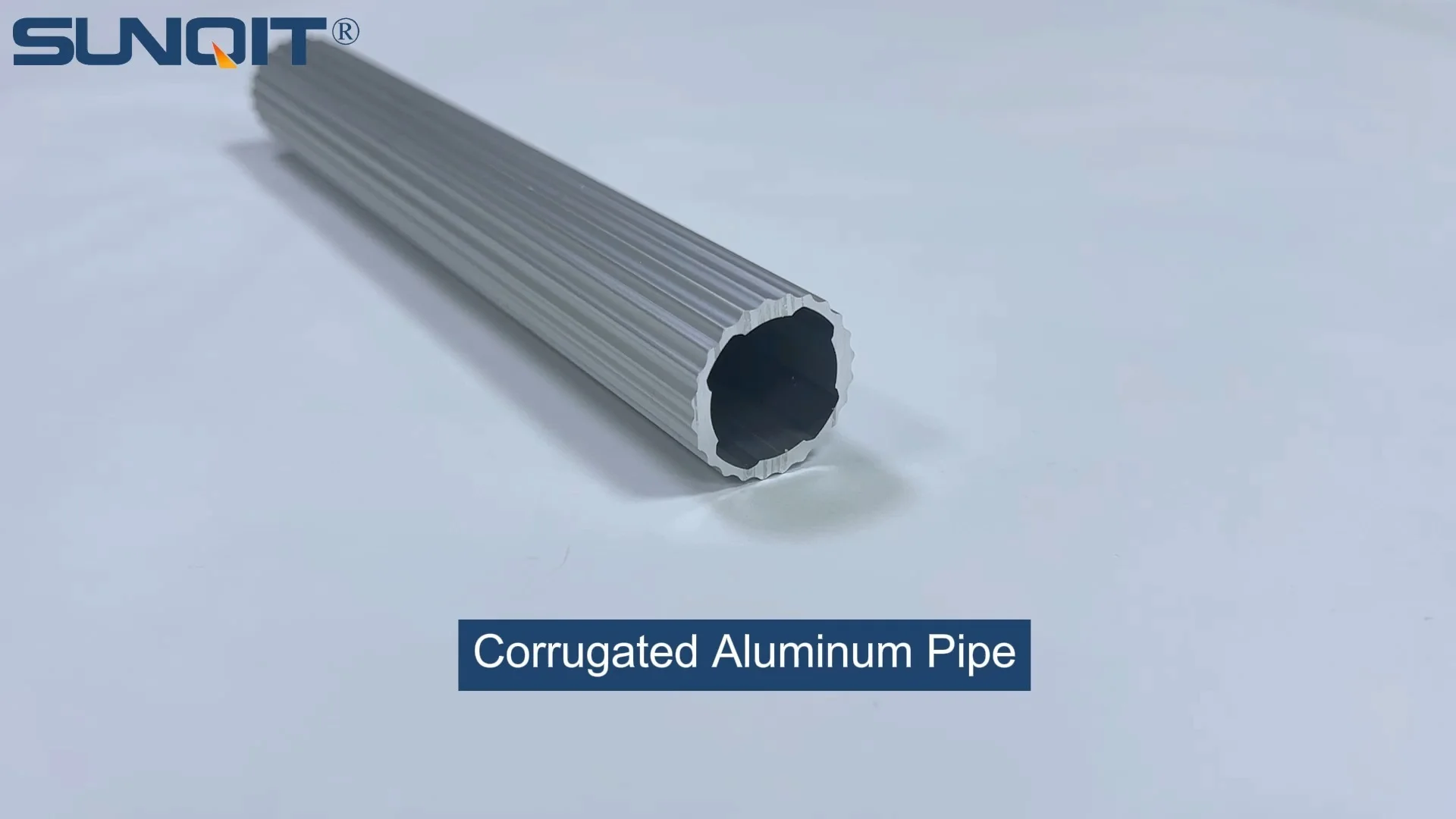
In the hustle of daily operations—whether in a busy manufacturing plant, a bustling warehouse, or a precision-focused workshop—some details tend to slip through the cracks. One of those unsung heroes keeping things moving? Your corrugated aluminum pipe. These flexible, durable tubes are workhorses, quietly transporting materials, air, or components through tight spaces and around obstacles. But here's the thing: even the toughest workhorses need a little care. Over time, dust, debris, grease, and even mold can build up in those corrugated grooves, turning a reliable tool into a hygiene hazard or a performance bottleneck. Let's dive into why keeping your corrugated aluminum pipe clean matters, how to do it right, and the small habits that'll keep it running smoothly for years.
Why Corrugated Aluminum Pipes Deserve Your Cleaning Attention
First, let's get real: cleaning pipes isn't exactly anyone's idea of a fun afternoon. But when it comes to corrugated aluminum pipe, skipping this task can cost you more than just time later. Here's why it's non-negotiable:
Hygiene isn't optional. If your corrugated aluminum pipe is part of a food processing line, a medical device assembly area, or even a workspace where employees handle sensitive components, trapped debris isn't just gross—it's a liability. Dust mites, bacteria, or mold in those crevices can contaminate products or air quality, putting safety at risk. In industries like pharmaceuticals or electronics, where precision and cleanliness are regulated, a dirty pipe could even lead to compliance issues.
Performance takes a hit. Corrugated pipes are designed with those wavy ridges to be flexible, but those same ridges are perfect for catching lint, metal shavings, or product residue. Over time, that buildup narrows the pipe's interior, slowing down material flow or restricting airflow. Imagine a conveyor system where parts get stuck halfway because a corrugated pipe is clogged—suddenly, your entire line grinds to a halt. Not exactly lean manufacturing at its finest.
Durability depends on care. Aluminum is naturally resistant to corrosion, but it's not invincible. If moisture gets trapped in the corrugations (say, from a spilled cleaning solution or humid air), it can mix with debris to form a corrosive slurry. Over time, that eats away at the pipe's surface, weakening it and leading to cracks or leaks. Replacing a corrugated aluminum pipe is far costlier than a little regular cleaning.
Understanding Your Corrugated Aluminum Pipe: It's More Than Just a Tube
Before you grab a sponge, let's take a second to appreciate what you're working with. Corrugated aluminum pipe isn't just a smooth tube with ridges—it's a clever engineering solution. The corrugations add flexibility, letting it bend without kinking, while the aluminum profile keeps it lightweight and strong. This combo makes it ideal for tight spaces, mobile workstations, or systems that need to adapt (think: lean pipe and accessories setups in dynamic factories).
But those same corrugations are what make cleaning tricky. Unlike a smooth aluminum pipe, which you can wipe down in seconds, the grooves and valleys in corrugated pipe are like tiny traps. A quick swipe with a cloth might get the surface, but debris hides deep in those folds. That's why you need a strategy—one that targets both the obvious dirt and the sneaky stuff hiding in plain sight.

Gathering Your Tools: What You'll Need (and What to Avoid)
Cleaning corrugated aluminum pipe doesn't require a garage full of fancy equipment, but using the wrong tools can do more harm than good. Aluminum is soft enough that abrasive scrubbers or harsh chemicals can scratch or discolor the aluminum profile, so stick to gentle, effective supplies. Here's your checklist:
| Tool/Item | Why You Need It | Pro Tips |
|---|---|---|
| Soft-bristle brushes (various sizes) | To dislodge debris from corrugations without scratching | Use a small, narrow brush for tight grooves and a wider one for flat surfaces |
| Compressed air canister or blower | Blows out loose dust from hard-to-reach crevices | Hold the nozzle 6–8 inches from the pipe to avoid damaging the aluminum |
| Microfiber cloths | Gently wipes away surface dirt and moisture | Use separate cloths for dry and wet cleaning to avoid spreading grime |
| Mild dish soap or aluminum-safe cleaner | Cuts through grease without harming the aluminum profile | Avoid bleach, ammonia, or acidic cleaners (they'll pit the aluminum) |
| Warm water (in a spray bottle or bucket) | Dilutes cleaner and rinses away residue | Lukewarm, not hot—extreme heat can warp the pipe |
| Aluminum pipe accessories (if applicable) | For disassembling pipes connected to joints or brackets | Keep a small toolkit with hex keys, joint releases, or clamps handy |
| Rubber gloves | Protects hands from cleaner and sharp edges | Opt for non-slip gloves if handling wet pipes |
Pro Tip:
If your corrugated aluminum pipe is part of a larger system (like a conveyor or material rack), grab your aluminum pipe accessories before starting. Disassembling the pipe at the joints makes cleaning easier and ensures you don't miss hidden spots. Just label the joints or take a photo first—you'll thank yourself later when reassembling!
Step-by-Step: How to Clean Corrugated Aluminum Pipe
Now that you've got your tools ready, let's walk through the process. Take it slow—rushing increases the risk of missing debris or damaging the pipe. We'll break it down into five simple steps:
Step 1: Prep the Area (and Yourself)
Start by turning off any systems connected to the pipe. If it's part of a conveyor, air ventilation, or material transport line, flipping the power switch prevents accidental start-ups while you work. Next, clear the space around the pipe—move tools, boxes, or other equipment out of the way to avoid tripping or splashing cleaner on them. If you need to disassemble the pipe, use your aluminum pipe accessories (like joint releases or clamps) to gently detach it from brackets or other pipes. Lay it on a clean, flat surface (a workbench with a towel works great) to avoid scratching the aluminum profile.
Don't forget to protect yourself! Slip on those rubber gloves, and if you're working with compressed air, wear safety glasses—debris can fly out unexpectedly. If the pipe is extra grimy (think: years of buildup), a dust mask might also be a good idea to avoid inhaling particles.
Step 2: Dry Clean First—Loosen the Big Stuff
Water and wet cloths come later. First, you need to tackle loose debris. Grab your compressed air canister and hold the nozzle at a 45-degree angle to the pipe's surface. Start at one end and slowly move the nozzle along the length of the pipe, focusing on the corrugated grooves. The air will blast out dust, lint, or small particles hiding in the ridges. For stubborn bits (like a clump of hair or a chip of plastic), use a soft-bristle brush to gently dislodge them—scrubbing in the direction of the corrugations, not against them, to avoid pushing debris deeper.
If you don't have compressed air, a dry microfiber cloth works too—just wrap it around your finger and run it along each ridge, applying light pressure. The goal here is to remove as much dry debris as possible so wet cleaning doesn't turn it into a muddy mess.
Step 3: Wet Clean—Tackle Grease and Stains
Now it's time to get rid of sticky residue, oil, or stains. Mix a small amount of mild dish soap with warm water in a spray bottle (about 1 teaspoon of soap per cup of water). Test the solution on a small, inconspicuous part of the pipe first—better safe than sorry! If the aluminum profile doesn't discolor or react, you're good to go.
Spray the solution lightly onto the pipe, focusing on dirty areas. Let it sit for 2–3 minutes (don't let it dry!) to break down grease. Then, take a clean microfiber cloth and wipe the pipe in gentle, circular motions, paying extra attention to the corrugations. For really stubborn spots, dip the cloth in the soapy water and hold it against the stain for 30 seconds before wiping—avoid scrubbing hard, as that can scratch the aluminum.
If the pipe is extra long or has intricate bends, you can also use a soft-bristle brush dipped in soapy water to reach into tight spots. Just be gentle—think of it like brushing a delicate fabric, not scrubbing a dirty pan.
Step 4: Rinse and Dry—No Moisture Left Behind
Soap residue can attract more dirt later, so rinsing is crucial. Fill a clean spray bottle with plain warm water and mist the pipe thoroughly, or wipe it down with a damp (not soaking) microfiber cloth. Make sure to rinse all the soapy areas, especially the corrugations—hold the pipe up to the light to check for leftover suds.
Now, dry the pipe completely. Use a dry microfiber cloth to wipe every inch, again focusing on the corrugations—moisture trapped there is a recipe for corrosion. If the pipe is small enough, you can also hang it up in a well-ventilated area for 10–15 minutes to air-dry, but always finish with a cloth to catch any remaining water droplets. Aluminum dries quickly, but don't skip this step—even a little moisture can cause spots over time.
Step 5: Reassemble (and Celebrate!)
If you disassembled the pipe, now's the time to put it back together. Grab your aluminum pipe accessories and refer to those photos or labels you took earlier (you did take them, right?). Tighten joints gently—over-tightening can warp the aluminum or strip the accessories. Once it's reconnected, give the pipe a gentle shake or test run (if it's part of a system) to make sure everything moves smoothly and there are no leaks or blockages.
Pat yourself on the back—your corrugated aluminum pipe is now clean, hygienic, and ready to perform! But don't stop here—consistency is key.
Best Practices for Long-Term Care: Keep That Pipe Pristine
Cleaning once is great, but making it a habit will save you time, money, and headaches down the line. Here's how to keep your corrugated aluminum pipe in top shape:
Stick to a schedule. How often should you clean? It depends on use. If the pipe is in a dusty workshop or handles oily components, aim for once a month. In cleaner environments (like an office printer room), every 3–6 months might be enough. Set a calendar reminder—out of sight, out of mind is how buildup happens.
Inspect during cleaning. While you're wiping down the pipe, keep an eye out for signs of trouble: dents in the corrugations (which can trap more debris), discoloration (a sign of corrosion), or loose joints (where aluminum pipe accessories might need tightening). Catching these early prevents small issues from becoming big repairs.
Protect the aluminum profile. If your pipe is exposed to harsh conditions (like high humidity or frequent spills), consider applying a thin coat of aluminum-safe wax or sealant after cleaning. It adds a protective barrier against moisture and debris—just make sure to clean the pipe thoroughly first, as wax traps dirt under it.
Stock extra aluminum pipe accessories. Nothing derails a cleaning (or a repair) like missing a clamp or joint. Keep a small kit with spare connectors, end caps, or clamps handy—you'll be glad you did when you need to disassemble quickly.
Pro Tip:
For hard-to-reach corrugated pipes (like those mounted high on walls or in tight corners), try using a extendable duster with a soft brush attachment for dry cleaning between deep cleans. It's not a replacement for a full wash, but it'll keep debris from building up.
Troubleshooting: When Cleaning Gets Tricky
Even with the best intentions, you might run into snags. Here's how to handle common cleaning challenges:
Stubborn stains (like oil or paint). For oil, a drop of dish soap directly on the stain (let it sit 5 minutes) usually works. For paint splatters, avoid scraping—instead, dampen a cloth with rubbing alcohol and gently blot the stain (test on a hidden area first, as alcohol can dull some aluminum finishes).
Deeply embedded debris in corrugations. If a brush and air can't reach it, try using a pipe cleaner (the kind for craft projects, not plumbing!) twisted gently into the groove. The soft bristles will grab onto debris without scratching.
Water spots after drying. These are usually mineral deposits from hard water. Wipe the spot with a microfiber cloth dampened in distilled water, then dry immediately. To prevent them, use distilled water for rinsing if your tap water is hard.
Wrapping Up: Clean Pipes, Better Workflows
Your corrugated aluminum pipe might not be the star of your workspace, but it's a critical supporting player. Taking the time to clean it properly isn't just about hygiene—it's about keeping your operations lean, efficient, and safe. By following these steps, you'll extend the pipe's life, avoid costly breakdowns, and ensure every component (and employee!) in your workspace stays healthy.
So the next time you walk past that corrugated aluminum pipe, give it a little nod—you've got its back, and now it'll keep having yours. Happy cleaning!