- Company Articles
- Products and Technology
- Installation And Maintenance
- How to Clean Mini Aluminum Roller Track Black: Maintenance Tips

How to Clean Mini Aluminum Roller Track Black: Maintenance Tips
Related Product
Mini Aluminum Roller Track Black
Mini aluminum roller track black for modular system, lean solution.Durable and smooth-running modular roller rails. The system is fully assembled. The roller rail profile contains plastic rollers mounted on steel axles.
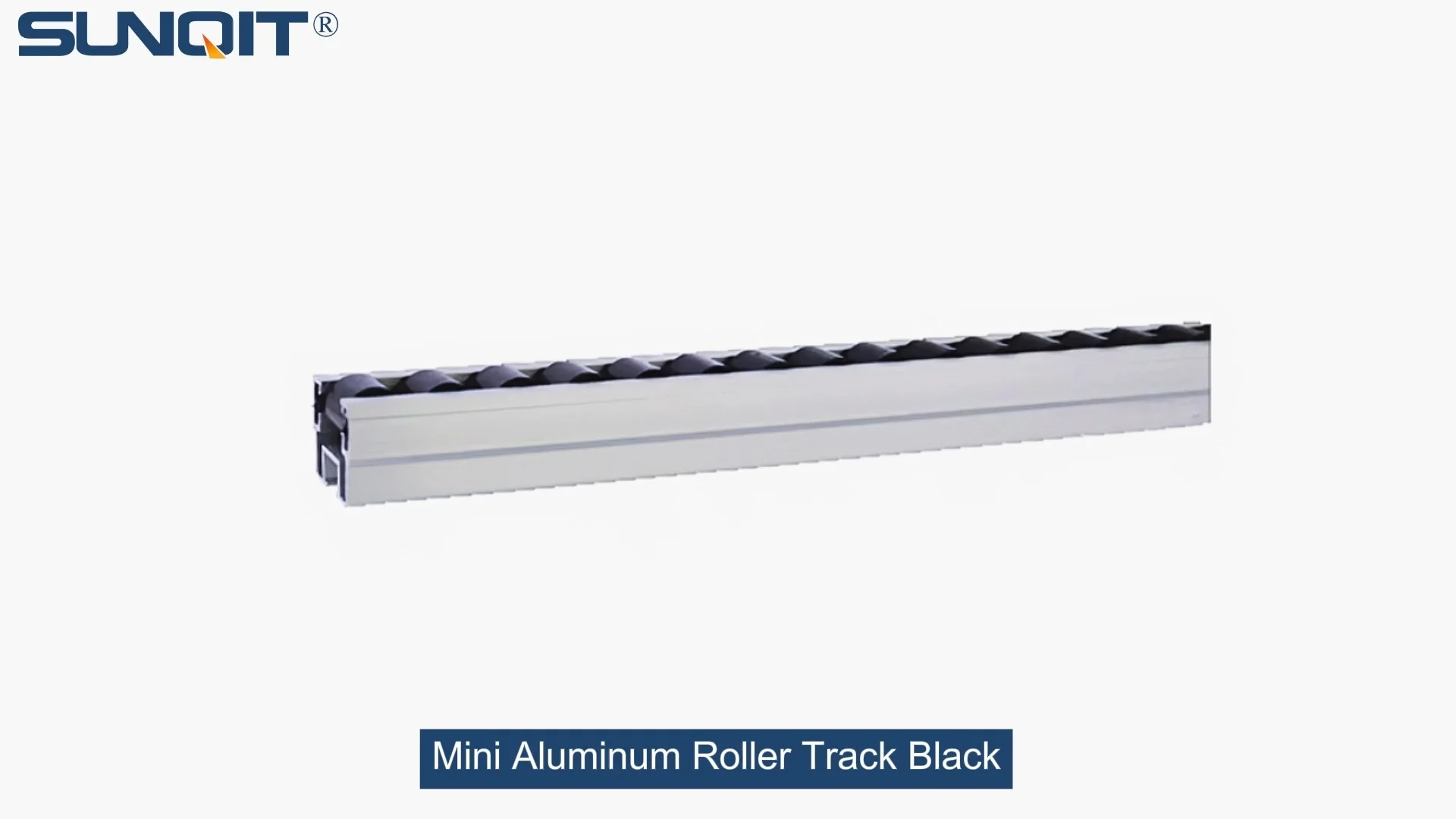
How to Clean Mini Aluminum Roller Track Black: Maintenance Tips
If you've ever worked in a production line or a warehouse, you know how much of a workhorse the mini aluminum roller track black is. It's the quiet hero that keeps parts moving smoothly on flow racks, conveyor systems, or lean workstations—helping your team stay productive and your operations running like clockwork. But like any hardworking tool, it needs regular care to keep performing at its best. Let's dive into the step-by-step guide to cleaning and maintaining this essential piece of your lean system.
Pre-Cleaning Preparation: Gather Your Tools
Before you start cleaning, make sure you have all the right tools handy. Here's what you'll need:
- Soft-bristled brush (avoid stiff brushes that can scratch the aluminum)
- Microfiber cloths (several clean ones—dry and damp)
- Mild dish soap (no harsh chemicals like bleach or ammonia)
- Isopropyl alcohol (70% concentration, for cleaning bearings)
- Cotton swabs (for hard-to-reach areas)
- Silicone-based lubricant (optional, for keeping rollers smooth)
- Soft towel (for drying)
Safety first: If your mini aluminum roller track black is part of a powered conveyor system, disconnect the power before you start cleaning. This prevents any accidental movement that could hurt you or damage the equipment.
Step-by-Step Cleaning Guide
1. Remove Loose Debris
Start with the easiest part: getting rid of loose dust, dirt, and small particles. Grab your soft-bristled brush and gently sweep along the length of the track. Pay extra attention to the gaps between the rollers and the edges of the aluminum frame—these are the spots where debris loves to hide. You can also use a dry microfiber cloth to wipe away any remaining loose particles. This step is crucial because it prevents scratching the aluminum surface when you move to the wet cleaning step.
2. Wet Clean the Aluminum Surface
Mix a small amount of mild dish soap with warm water in a bucket. Dip a clean microfiber cloth into the soapy water, wring it out thoroughly (you don't want dripping water), and wipe down the entire surface of the mini aluminum roller track black. Be gentle when wiping the rollers—you don't want to push dirt deeper into the bearings. Avoid using harsh chemicals here: aluminum is sensitive to strong acids or bases, which can corrode the surface or leave permanent stains.
3. Clean the Roller Bearings
The bearings are the heart of your roller track—if they're dirty, the rollers won't move smoothly. Take a cotton swab, dip it in isopropyl alcohol, and gently clean around the base of each roller. For hard-to-reach areas, you can twist the swab to get into the gaps. Don't soak the bearings—just a light swipe is enough to remove any grime or old lubricant. Let the alcohol evaporate completely before moving to the next step.
4. Dry Thoroughly
Water spots are the last thing you want on your shiny aluminum track. Use a dry microfiber cloth to wipe down every part of the track—rollers, frame, and all. Make sure there's no moisture left, especially in the gaps between the rollers and the frame. If you have a soft towel, you can use it to pat dry areas that are hard to reach with a cloth.
5. Lubricate (If Needed)
If your rollers feel stiff after cleaning, a little lubrication can go a long way. Grab your silicone-based lubricant and apply a tiny drop to each bearing. Don't overdo it—too much lubricant will attract dust and dirt, which defeats the purpose of cleaning. Spin the rollers gently to spread the lubricant evenly. If you're not sure whether to lubricate, check the manufacturer's instructions—some tracks come pre-lubricated and don't need extra oil.
Maintenance Tips Beyond Cleaning
Cleaning is important, but regular maintenance goes beyond just wiping down the track. Here are some tips to keep your mini aluminum roller track black in top shape for years:
1. Schedule Regular Inspections
Set a routine to check your track—once a week for high-use areas (like production assemble lines) and once a month for low-use areas. During your inspection, look for:
- Loose roller track accessories (like connectors or brackets that hold the rollers in place)
- Wobbly or damaged rollers
- Scratches or dents on the aluminum frame
- Signs of rust (though aluminum doesn't rust easily, other metal parts like connectors might)
2. Tighten Loose Parts
If you find any loose roller track accessories, tighten them gently with the right tool. For example, if a connector is loose, use a small wrench or screwdriver to fix it. Avoid over-tightening—this can damage the aluminum profile accessories or strip the threads. Remember: A little tightness goes a long way.
3. replace Worn Components
Over time, rollers or connectors will wear out. If you notice a roller that's not spinning at all, or a connector that's cracked, it's time to replace it. Using original accessories from a reliable lean pipe supplier ensures compatibility and keeps your track working as intended. Don't try to jury-rig a replacement—this can lead to more problems down the line.
4. Preventive Measures
The best way to maintain your track is to prevent problems before they start:
- Keep the area around the track clean—sweep or vacuum regularly to avoid dust buildup.
- Avoid dropping heavy objects on the track—this can dent the aluminum frame or damage the rollers.
- If the track isn't in use for a long time, cover it with a soft cloth to keep dust off.
Troubleshooting Common Issues
Even with regular care, you might run into some issues. Here's how to fix them:
| Common Issue | Possible Causes | Solutions |
|---|---|---|
| Rollers are stuck or move slowly |
1. Dirt buildup in bearings
2. Lack of lubrication 3. Loose roller track connectors |
1. Clean bearings with isopropyl alcohol
2. Apply a small drop of silicone lubricant 3. Tighten loose connectors gently |
| Scratches on aluminum surface |
1. Abrasive cleaning tools
2. Heavy debris rubbing against the track |
1. Use only soft brushes/cloths for cleaning
2. Remove debris regularly to prevent scratching |
| Rust spots on connectors |
1. Exposure to moisture
2. Old or low-quality connectors |
1. Clean rust with a mild abrasive (like baking soda paste) and wipe dry
2. replace with rust-resistant connectors from a trusted supplier |
| Track is wobbly |
1. Loose aluminum profile accessories
2. Uneven surface under the track |
1. Tighten all connectors and brackets
2. Adjust the track's base to make it level |
Why Maintenance Matters for Your Lean System
If your mini aluminum roller track black is part of a lean system, you know that every detail counts. Lean principles focus on minimizing waste—whether it's time, resources, or effort. A stuck roller can slow down your entire flow rack or conveyor system, leading to delays in production assemble and wasted time for your team. Regular cleaning and maintenance aren't just chores—they're an essential part of keeping your lean system efficient and effective.
Think about it: When your track is working smoothly, parts move from one station to the next without hiccups. Your team doesn't have to stop and fix a stuck roller, so they can focus on what they do best. This aligns with the lean philosophy of continuous improvement—small, regular efforts to keep your operations running at peak performance.
Final Thoughts
Taking care of your mini aluminum roller track black doesn't have to be complicated. With a few simple steps and regular checks, you can keep it running smoothly for years to come. Remember to use the right tools, avoid harsh chemicals, and replace worn parts with original accessories from a reliable supplier. By investing a little time in maintenance, you're protecting your investment and keeping your production line moving efficiently.
So next time you walk past that track, take a minute to give it a quick check. A little care today can save you a lot of trouble tomorrow—and keep your lean system working like a well-oiled machine.