- Company Articles
- Products and Technology
- Installation And Maintenance
- How to Clean T-Slot Rubber Seal Covers: Maintenance Tips for Industrial Environments

How to Clean T-Slot Rubber Seal Covers: Maintenance Tips for Industrial Environments
Related Product
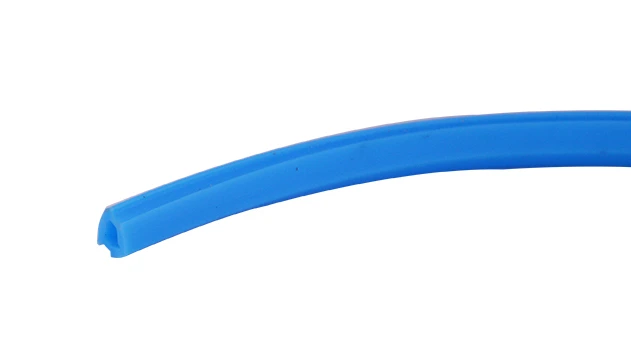
T-slot Rubber Seal Cover
The rubber T-slot seal cover prevents dust and debris buildup, covers wires in the T-slot channel, and adds an extra layer of protection to applications. It rolls into the T-slot, making it easy to assemble.
Walk into any busy factory, workshop, or manufacturing plant, and you'll notice a common thread that keeps operations running smoothly: the components that hold everything together. On the surface, it's easy to focus on the big machines, the humming conveyor belts, or the workers assembling products on sturdy workbenches. But if you take a closer look at those workbenches, the material racks, or the aluminum extrusion profiles that frame the production line, you'll spot something small yet critical: T-slot rubber seal covers. These unassuming strips of rubber might not grab headlines, but they play a quiet hero role in keeping your aluminum profile systems functional, safe, and efficient.
If you've ever struggled to slide a bracket into an aluminum profile's T-slot, or noticed debris buildup gumming up the works, chances are your T-slot rubber seal covers need some attention. Over time, dust, oil, metal shavings, and even spilled liquids can accumulate on these covers, turning them from protective barriers into productivity roadblocks. But cleaning them doesn't have to be a chore—and doing it right can save you time, money, and frustration down the line. In this guide, we'll walk through everything you need to know about caring for T-slot rubber seal covers, from why they matter to step-by-step cleaning techniques, all tailored to the realities of industrial environments like yours.
Understanding T-Slot Rubber Seal Covers: The Unsung Heroes of Aluminum Profiles
First, let's get clear on what we're dealing with. T-slot rubber seal covers are flexible, durable strips designed to fit snugly into the T-shaped grooves (T-slots) of aluminum extrusion profiles. If you work with aluminum profiles regularly, you know those T-slots are the backbone of customization—they let you attach everything from shelves and brackets to tools and machinery, making your workbench or production line adaptable to changing needs. But without protection, those T-slots can quickly become clogged with dirt, grease, or metal chips, which is where the rubber seal covers come in.
These covers are typically made from high-quality rubber or synthetic elastomers, chosen for their resistance to wear, temperature fluctuations, and industrial chemicals. They come in various sizes to match different aluminum profile designs—whether you're using a 2020, 3030, or 4040 aluminum extrusion profile, there's a seal cover designed to fit perfectly. Their primary job? To shield the T-slot's interior from debris while still allowing easy access when you need to add or adjust accessories. Think of them as a protective cap for your aluminum profile's "spine"—they keep the vital parts safe without getting in the way.
But their role goes beyond just keeping dirt out. T-slot rubber seal covers also reduce noise by dampening vibrations when accessories slide into the T-slots. They prevent small parts (like screws or washers) from falling into the slots and getting stuck, which could otherwise jam the system. And in environments where cleanliness is critical—like electronics assembly or food processing—they act as a barrier against contamination, ensuring that your aluminum profile workbench meets hygiene standards. In short, they're the silent partners that keep your aluminum extrusion profile systems working as they should, day in and day out.
Why Regular Cleaning Matters: More Than Just "Looking Clean"
Let's be honest: In a fast-paced industrial setting, "cleaning rubber seal covers" might not top your to-do list. Between meeting production deadlines, troubleshooting machinery, and keeping the workflow moving, it's easy to overlook these small components. But here's the thing: neglecting T-slot rubber seal covers can lead to bigger problems than just a messy workbench. Let's break down why regular cleaning is worth your time.
1. Preventing Functional Failures
Imagine this: You're in the middle of setting up a new tool holder on your aluminum profile workbench. You try to slide the bracket into the T-slot, but it won't budge. You push harder, and suddenly, the bracket jams—now you're stuck, wasting precious minutes (or longer) trying to free it. Chances are, the culprit is a dirty T-slot rubber seal cover. When dust, oil, or debris builds up on the cover's surface, it creates friction, making it harder to insert or adjust accessories. Over time, this can lead to misaligned components, which in turn strain the aluminum profile itself, weakening the structure over time.
In worst-case scenarios, debris can work its way under the seal cover and into the T-slot, where it mixes with grease or moisture to form a thick, gummy residue. This residue not only blocks the slot but can also corrode the aluminum extrusion profile from the inside out. Repairing or replacing a corroded aluminum profile is far more time-consuming and costly than spending a few minutes each week cleaning the seal covers.
2. Safety First: Reducing Workplace Hazards
Industrial environments are full of safety risks, and a dirty T-slot rubber seal cover might seem like a minor one—but it's not. When seal covers are caked with oil or grease, they become slippery, creating a slip-and-fall hazard for anyone leaning on the workbench or aluminum profile structure. Even small spills can pool on the covers, turning a stable surface into an accident waiting to happen.
Then there's the issue of contamination. In sectors like automotive manufacturing or electronics assembly, metal shavings or dust on seal covers can easily transfer to products, leading to defects or quality control issues. For food processing or pharmaceutical settings, the stakes are even higher—debris in T-slots could harbor bacteria, putting consumer safety at risk. Regular cleaning ensures that your aluminum profile systems meet safety and hygiene standards, protecting both your team and your products.
3. Extending the Lifespan of Your Aluminum Profile Investment
Aluminum extrusion profiles are built to last, but their longevity depends on proper care. T-slot rubber seal covers are your first line of defense against the elements that degrade aluminum: moisture, chemicals, and abrasion. When these covers are clean and intact, they prevent water from seeping into T-slots (which can cause oxidation) and shield the aluminum from scratches caused by debris. This means your aluminum profile workbench, material rack, or production line will stay in peak condition longer, delaying the need for expensive replacements.
Consider this: A standard aluminum profile system can last 10–15 years with proper maintenance. Skipping seal cover cleaning might cut that lifespan by half, forcing you to invest in new profiles sooner. For businesses operating on tight budgets, that's a significant financial hit—one that's entirely avoidable with routine care.

Tools and Supplies: What You'll Need to Get the Job Done Right
Cleaning T-slot rubber seal covers doesn't require fancy equipment or specialized training—but having the right tools on hand will make the process faster and more effective. Here's a breakdown of what you'll need, along with why each item matters in an industrial setting:
| Tool/Supply | Why You Need It | Pro Tips for Industrial Use |
|---|---|---|
| Soft-Bristle Brushes (Various Sizes) | To loosen and remove dry debris (dust, metal shavings) from the seal cover surface and edges without scratching the rubber. | Opt for brushes with synthetic bristles (natural bristles can shed) and keep separate brushes for oil-based vs. water-based debris to avoid cross-contamination. |
| Microfiber Cloths | To wipe away loosened debris and clean the seal cover surface without leaving lint or scratches. | Use color-coded cloths (e.g., blue for general cleaning, red for oil/grease) to prevent spreading contaminants between workbenches or aluminum profiles. |
| Mild Detergent (pH-Neutral) | To cut through grease and oil without damaging the rubber seal cover or aluminum extrusion profile. | Avoid harsh chemicals like bleach or solvents—they can degrade the rubber over time. Dish soap diluted with water works well for most industrial grime. |
| Compressed Air Canister or Air Compressor | To blow out debris from tight corners and under the seal cover, where brushes can't reach. | Use a nozzle attachment with a narrow tip to target specific areas; hold the canister upright to avoid releasing moisture onto the aluminum profile. |
| Plastic Scraper (Non-Metallic) | To gently lift stuck-on debris (e.g., dried glue, paint) without scratching the rubber or aluminum. | Choose a scraper with a rounded edge to avoid tearing the seal cover; never use metal scrapers, as they can damage both the cover and the T-slot. |
| Small Bucket or Spray Bottle | To mix detergent and water for cleaning, or to apply the solution directly to the seal cover. | Label the bottle clearly as "T-Slot Cleaner" to avoid accidental use with other chemicals in the workshop. |
| Gloves (Nitrile or Latex) | To protect your hands from harsh grime, chemicals, or sharp debris while cleaning. | Nitrile gloves are preferable for industrial use, as they're resistant to oils and solvents common in manufacturing settings. |
Pro Maintenance Hack: Keep a dedicated "T-Slot Cleaning Kit" stocked with these tools near high-traffic workbenches or aluminum profile systems. This way, cleaning becomes a quick, impromptu task rather than a chore that requires hunting for supplies.

Step-by-Step Cleaning Process: A Guide for Busy Industrial Settings
Now that you have your tools ready, let's walk through the cleaning process. This step-by-step guide is designed to be efficient—perfect for fitting into a busy shift without disrupting workflow. We'll break it down into three phases: pre-cleaning, deep cleaning, and post-cleaning inspection.
Phase 1: Pre-Cleaning Preparation (2–3 Minutes)
Before diving in, take a moment to prepare the area. Start by clearing the workbench or aluminum profile structure of any tools, materials, or products. This gives you full access to the T-slot rubber seal covers and prevents debris from falling onto sensitive items. If the system is part of a production line, coordinate with your team to pause work in that area temporarily—even 10 minutes of downtime is enough for a thorough clean.
Next, put on your gloves to protect your hands. Then, use a soft-bristle brush to gently sweep away loose debris from the seal covers. Work in one direction (e.g., top to bottom or left to right) to avoid pushing dirt into other T-slots. Pay extra attention to the edges of the covers, where dust and shavings tend to collect. For hard-to-reach spots—like the corners of a workbench or the junction of two aluminum profiles—use compressed air to blow out hidden debris. Hold the air nozzle 2–3 inches from the surface to avoid damaging the rubber with too much pressure.
Phase 2: Deep Cleaning (5–7 Minutes)
Once the loose debris is gone, it's time to tackle stuck-on grime. Mix a small amount of mild detergent with warm water in your bucket or spray bottle (a ratio of 1 teaspoon detergent to 1 cup water works well). Dip a microfiber cloth into the solution, wring it out thoroughly (you don't want excess water dripping into the T-slots), and gently wipe the seal cover surface.
For greasy or oily spots, apply a bit more pressure and use a circular motion to break up the residue. If the grime is particularly stubborn, let the soapy cloth sit on the spot for 30 seconds to a minute before wiping—this gives the detergent time to dissolve the oil. Avoid scrubbing too hard, as this can wear down the rubber over time.
If debris has built up under the seal cover (you'll notice a gap or bulging), use a plastic scraper to gently lift the edge of the cover. Slide the scraper under the cover at a 45-degree angle and carefully dislodge any trapped dirt. Be gentle here—T-slot rubber seal covers are designed to be removable, but yanking or bending them can tear the material. Once the debris is loose, use compressed air to blow it out from under the cover, then press the cover back into place with your fingers to ensure a snug fit.
After cleaning with soapy water, take a clean, dry microfiber cloth and wipe the seal covers again to remove any soap residue. Soap left on the rubber can attract more dirt, so this step is crucial. For aluminum extrusion profiles with multiple T-slots, work one slot at a time to avoid missing any spots.
Phase 3: Post-Cleaning Inspection (2–3 Minutes)
The final step is to inspect your work—and the seal covers—for any issues. Run your hand along each seal cover to check for tears, cracks, or loose edges. If you find a tear, even a small one, replace the cover immediately—damaged covers can't protect the T-slot effectively, and the tear will only grow with use.
Next, test the functionality of the T-slots by sliding a spare bracket or accessory into the slot. It should move smoothly without resistance. If it still sticks, there might be debris left under the cover—repeat the compressed air step to dislodge it. Finally, replace any tools or materials you moved earlier, and give the area a quick once-over to ensure no cleaning supplies are left behind.
Time-Saving Trick: Pair T-slot cleaning with other routine tasks to maximize efficiency. For example, clean the seal covers while waiting for a machine to warm up, or during a scheduled break. Consistency is key—even 10 minutes of cleaning per week will keep your aluminum profile systems in top shape.
Maintenance Tips for Long-Term Performance
Cleaning is just one part of caring for T-slot rubber seal covers. To ensure they (and your aluminum extrusion profiles) last as long as possible, incorporate these maintenance habits into your routine:
1. Establish a Regular Cleaning Schedule
The frequency of cleaning depends on how heavily the aluminum profile system is used. For high-traffic workbenches or production lines in dusty environments (like woodworking or metal fabrication), aim to clean the seal covers 2–3 times per week. For less busy areas, once a week is usually enough. Create a checklist or calendar reminder to keep the schedule consistent—out of sight, out of mind is how small maintenance tasks get neglected.
2. Inspect Seal Covers During Shutdowns
Use scheduled machine shutdowns or end-of-shift inspections as an opportunity to give the seal covers a deeper check. Look for signs of wear, like thinning rubber or discoloration, which indicate the cover is reaching the end of its lifespan. Most T-slot rubber seal covers last 1–2 years with regular use, but harsh conditions (extreme temperatures, chemical exposure) can shorten that timeframe.
3. Keep Spare Covers on Hand
There's nothing worse than discovering a torn seal cover and having to halt work while you wait for a replacement. Keep a stock of spare covers in your maintenance closet, along with the tools needed to install them. Match the spare covers to the aluminum profile sizes used in your facility (e.g., 3030, 4040) to ensure a proper fit.
4. Train Your Team on Proper Care
You can't do it alone—teach your coworkers how to spot dirty or damaged seal covers and how to perform quick cleanups. A 5-minute training session during a team meeting can make a big difference. Encourage everyone to report issues like tears or stuck T-slots immediately, rather than ignoring them. When everyone takes ownership, maintenance becomes a team effort.
5. Protect Seal Covers During Heavy Work
During tasks like welding, grinding, or painting near aluminum profiles, cover the T-slot rubber seal covers with temporary tape or plastic sheeting. This prevents hot sparks, paint overspray, or debris from damaging the rubber. Remove the protection once the task is done, and give the covers a quick clean to remove any residue.
Troubleshooting Common T-Slot Rubber Seal Cover Issues
Even with regular maintenance, you might run into problems with T-slot rubber seal covers. Here's how to troubleshoot the most common issues:
- Seal cover keeps popping out of the T-slot: This usually happens because the cover isn't sized correctly for the aluminum profile, or the T-slot edges are worn. Check that the cover matches the profile's T-slot dimensions (e.g., 20mm vs. 30mm). If the slot edges are bent or damaged, use a rubber mallet to gently tap them back into shape—be careful not to dent the aluminum extrusion profile.
- Rubber cover is sticky or tacky: Sticky rubber is often caused by exposure to oils, solvents, or UV light. Clean the cover with isopropyl alcohol (test a small, hidden area first to ensure it doesn't damage the rubber) to remove the sticky residue. If the stickiness returns, replace the cover—this is a sign the rubber is breaking down.
- Debris keeps getting under the cover: If debris is persistent, the cover might not be seated properly. Check for gaps between the cover and the T-slot, and press the cover firmly into place. For extra protection, apply a small amount of rubber-compatible adhesive (like silicone glue) to the edges of the cover—just enough to hold it in place without making future removal impossible.
- Cover is discolored (yellowing or darkening): Discoloration is normal over time, especially in industrial environments with exposure to oils or chemicals. It doesn't affect functionality, but if aesthetics matter (e.g., in customer-facing areas), replace the cover. To slow discoloration, avoid direct sunlight on aluminum profile systems and clean covers regularly to remove staining agents.
Integrating T-Slot Maintenance into Your Aluminum Profile Ecosystem
T-slot rubber seal covers don't exist in isolation—they're part of a larger system of aluminum profiles, accessories, and workbenches that keep your facility running. By caring for these covers, you're also protecting the entire ecosystem. For example, a clean T-slot makes it easier to reconfigure your workbench for new projects, ensuring your aluminum extrusion profiles remain adaptable. It also extends the life of T-slot accessories like brackets and fasteners, which rely on smooth slots to function properly.
Consider this: When your aluminum profile systems are well-maintained, they become more than just structures—they become tools that support innovation and efficiency. A workbench with clean, functional T-slots lets your team prototype new setups quickly, while a material rack with debris-free T-slots ensures smooth loading and unloading of supplies. In short, T-slot rubber seal cover maintenance is an investment in your facility's ability to adapt and grow.
Conclusion: Small Steps, Big Results
At the end of a long shift, it's easy to overlook the small things—like cleaning a rubber seal cover. But as we've explored, these small components play a critical role in keeping your aluminum profile systems, workbenches, and production lines running smoothly. Regular cleaning and maintenance don't just extend the life of the seal covers; they prevent downtime, reduce safety risks, and save your team from the frustration of stuck accessories or damaged aluminum extrusion profiles.
The next time you walk past a workbench or aluminum profile structure, take a moment to check the T-slot rubber seal covers. Are they clean? Are they intact? If not, grab your cleaning kit and spend 10 minutes giving them some care. You'll be surprised at how much smoother your workflow becomes—and how much time and money you'll save in the long run. After all, in industrial environments, success is often found in the details. And when it comes to T-slot rubber seal covers, those details are worth every minute of attention.