- Company Articles
- Products and Technology
- Solution
- How to Design a Flexible Production Line with Corrugated Aluminum Pipe

How to Design a Flexible Production Line with Corrugated Aluminum Pipe
Related Product
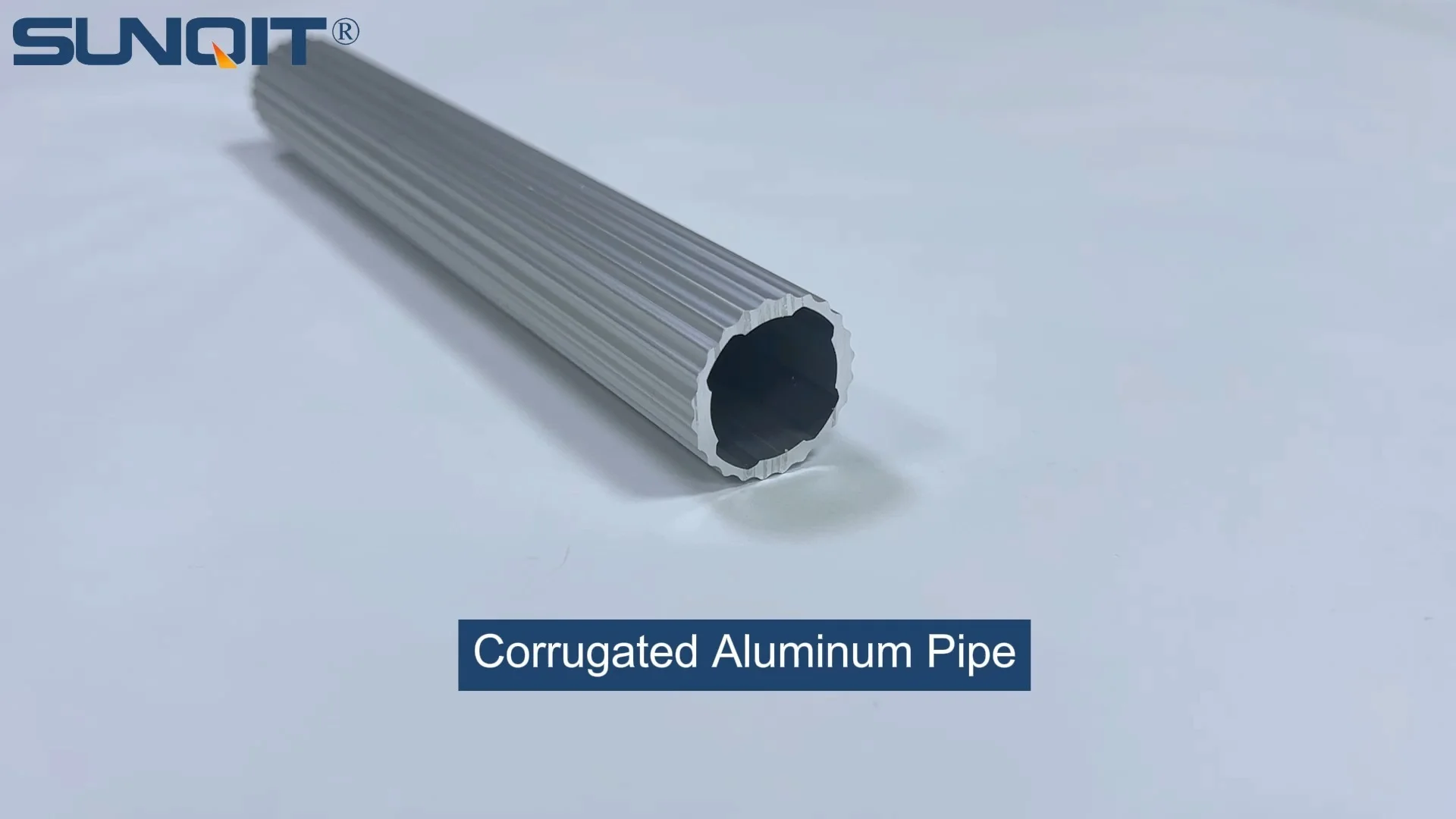
Corrugated Aluminum Pipe
Product Description The slot side is 10mm which can work with a T sliding block for connection accessories Quick Detail Product name Corrugated Aluminum pipe model GLT28-T-3010A Material Science 6005-T6 thickness 1.7mm surface treatment anodic oxidat
In today's fast-paced manufacturing landscape, the ability to adapt is no longer a luxury—it's a necessity. Consumer demands shift overnight, product lifecycles shrink, and unexpected disruptions (like supply chain delays or sudden order spikes) can derail even the most carefully planned operations. This is where rigid, one-size-fits-all production lines fall short. They're expensive to build, time-consuming to reconfigure, and often become obsolete within a few years. The solution? Flexible production lines designed with modular, adaptable components. And at the heart of this flexibility lies a material that's been quietly revolutionizing workshops and factories worldwide: corrugated aluminum pipe.
Corrugated aluminum pipe isn't just another industrial material. Its unique combination of strength, lightweight design, and modularity makes it the ideal building block for production lines that can grow, shrink, and transform alongside your business. When paired with complementary components like aluminum extrusion profiles, roller tracks, and smart accessories, it becomes a toolkit for creating workbenches, material racks, conveyor systems, and more—all without welding, heavy machinery, or permanent installations. In this guide, we'll walk you through how to design a flexible production line using corrugated aluminum pipe, from assessing your needs to assembling the final system. Whether you're a small workshop owner or a plant manager at a large facility, this approach will help you build a line that's not just efficient today, but ready for whatever tomorrow brings.
What Makes a Production Line "Flexible"?
Before diving into design specifics, let's clarify what we mean by "flexible production lines." At their core, these systems are built to be adaptable . Unlike traditional lines—fixed steel structures bolted to the floor, with machinery welded in place—flexible lines use modular components that can be rearranged, extended, or repurposed with minimal effort. Think of them as industrial Lego sets: pieces that snap together, come apart, and recombine to solve new problems.
The benefits are clear:
- Scalability : Add or remove sections as production volume increases or decreases.
- Quick Reconfiguration : Shift from assembling Product A to Product B in hours, not weeks.
- Cost-Efficiency : Avoid investing in entirely new lines; repurpose existing components.
- Ergonomics : Adjust heights, angles, and workflows to fit your team's needs, reducing fatigue and errors.
To achieve this, the materials matter. Steel is strong but heavy and hard to modify. Plastic is lightweight but lacks durability. Corrugated aluminum pipe, however, strikes the perfect balance—and when combined with aluminum extrusion profiles and aluminum profile accessories, it becomes a powerhouse for flexibility.
Why Corrugated Aluminum Pipe? The Material That Changes the Game
Corrugated aluminum pipe (sometimes called "corrugated aluminum tubing") is exactly what it sounds like: aluminum pipe with a ridged, wave-like exterior. This design isn't just for show—it's engineered for strength and versatility. Let's break down why it's become a favorite among manufacturers:
1. Lightweight Yet Strong
Aluminum is about one-third the weight of steel, making corrugated aluminum pipe easy to handle, transport, and reposition—no forklifts or heavy lifting equipment required. But don't let its lightness fool you: the corrugated design adds structural rigidity, allowing it to support heavy loads (think: stacks of raw materials, toolboxes, or even small machinery) without bending or warping. For example, a 1.5mm thick corrugated aluminum pipe can typically support up to 150kg per linear meter, more than enough for most assembly line tasks.
2. Corrosion and Wear Resistance
Aluminum naturally forms a protective oxide layer, making it resistant to rust and corrosion—critical in environments where moisture, oils, or chemicals are present (like automotive or electronics manufacturing). Unlike steel, it won't degrade over time, and unlike plastic, it won't crack or fade under UV exposure. This longevity means your production line components will last for years, even with daily use.
3. Modular by Design
The real magic of corrugated aluminum pipe lies in its compatibility with modular joints and connectors. Unlike traditional piping, which requires threading or welding, corrugated aluminum pipe works with simple, tool-free fasteners like internal rotatary aluminum joints or 90° aluminum pipe joints. These connectors snap into place, creating secure, stable connections that can be disassembled and reused in minutes. This modularity is what allows you to reconfigure your line on the fly—no cutting, gluing, or permanent modifications needed.
4. Cost-Effective in the Long Run
While corrugated aluminum pipe may have a slightly higher upfront cost than basic steel or plastic pipe, its durability and reusability make it cheaper over time. You won't need to replace rusted steel components or cracked plastic parts every few years, and you'll save on labor costs for reconfigurations (no need to hire welders or contractors). Plus, aluminum is 100% recyclable, so if you ever retire a component, you can sell it for scrap or repurpose it into something new.

Key Components for Your Flexible Production Line
Corrugated aluminum pipe is the star of the show, but it can't do it alone. To build a fully functional production line, you'll need to pair it with other modular components. Here's a breakdown of the essentials:
| Component | Function | Example Types | Why It Matters |
|---|---|---|---|
| Corrugated Aluminum Pipe | Main structural support for frames, racks, and rails | 1.0mm, 1.2mm, 1.5mm thickness; 20mm–50mm diameter | Lightweight, strong, and easy to cut to custom lengths |
| Aluminum Extrusion Profile | Reinforcement for workbenches, shelves, and machine bases | 2020, 3030, 4040 (EU standard profiles); T-slot designs | Creates flat, stable surfaces for assembly or storage |
| Joints & Connectors | Link components together securely | Internal rotatary aluminum joint, 90° aluminum pipe joint, parallel aluminum joint | Tool-free assembly; allows 360° rotation for flexible angles |
| Roller Track | Facilitates smooth material flow between workstations | 40 steel roller track (yellow/black wheels), 38 aluminum roller track (with side guides) | Reduces manual lifting; speeds up production by 20–30% |
| Aluminum Profile Accessories | Enhance functionality of profiles and pipes | End caps, rubber strips, T-slot covers, caster wheels | Protects edges, reduces noise, adds mobility |
1. Aluminum Extrusion Profiles: The Backbone of Stability
Aluminum extrusion profiles are long, hollow aluminum bars with T-shaped slots running along their length. These slots allow you to attach accessories (like shelves, lights, or tools) using bolts or brackets—no drilling required. They're perfect for building workbenches, material racks, or machine bases, where a flat, rigid surface is needed. Common sizes include 2020 (20mm x 20mm), 3030 (30mm x 30mm), and 4040 (40mm x 40mm), with larger profiles (like 4080) for heavier loads. When combined with corrugated aluminum pipe, they add stability to frames while keeping the overall system lightweight.
2. Roller Track: Streamlining Material Flow
A production line is only as efficient as its material flow. Roller tracks (or "roller conveyors") use small wheels or balls to let products glide from one workstation to the next, reducing the need for manual carrying. For example, a 40 steel roller track with yellow wheels is ideal for heavy boxes or parts, while a 38 aluminum roller track with side guides works well for smaller, delicate items like circuit boards. You can mount roller tracks directly to corrugated aluminum pipe frames using roller track placon mounts, adjusting the angle (slight incline for gravity-fed flow, or flat for manual pushing) to match your workflow.
3. Aluminum Profile Accessories: The Finishing Touches
It's the little things that make a production line functional. Aluminum profile accessories like end caps (to cover sharp edges and prevent dust buildup), rubber strips (to reduce noise when parts hit the track), and caster wheels (to make workbenches mobile) turn a basic frame into a polished, user-friendly system. For example, adding swivel caster wheels to a corrugated aluminum pipe workbench lets you move it to different areas of the factory as needed, while T-slot rubber seal covers protect the slots on aluminum extrusion profiles from dirt and debris.
Step-by-Step: Designing Your Flexible Production Line
Now that you know the components, let's walk through the design process. This step-by-step approach will help you create a line that fits your space, workflow, and budget.
Step 1: Assess Your Needs
Start by asking: What will your production line do? Will it assemble small electronics, package goods, or test machinery? How many workstations do you need? What's the maximum weight of the products or materials moving through the line? Answering these questions will determine the size of your corrugated aluminum pipes, the type of roller track, and the strength of your aluminum extrusion profiles. For example, a line assembling smartphones will need lightweight, precise components (like 2020 aluminum profiles and mini aluminum roller track), while a line handling car parts will require heavier 4040 profiles and 60 steel roller track.
Also, measure your space. Sketch a rough floor plan, noting doorways, power outlets, and existing machinery. Leave at least 1.2 meters of clearance around the line for workers to move safely, and account for future expansion (e.g., leaving space to add an extra workstation later).
Step 2: Choose Your Layout
Flexible production lines come in several layouts; the best one depends on your workflow:
- Linear Layout : Simple, straight line of workstations. Best for high-volume, repetitive tasks (e.g., packaging).
- U-Shaped Layout : Workers stand inside the "U," reducing movement between stations. Ideal for lines where products need multiple steps (e.g., assembly → testing → packaging).
- Cellular Layout : Small, self-contained work cells (each with its own workbench and roller track). Perfect for custom or low-volume production.
For example, a U-shaped layout using corrugated aluminum pipe frames and roller track can cut worker movement by 40%, according to a study by the Manufacturing Extension Partnership. This not only speeds up production but also reduces fatigue.
Step 3: select Components and Sizes
Using your needs and layout, pick the right components. Start with corrugated aluminum pipe: for most workbenches and light racks, 1.2mm thickness and 30mm diameter work well. For heavier loads (e.g., material racks holding 50kg+ boxes), opt for 1.5mm thickness and 40mm diameter. Cut pipes to length using a hacksaw or pipe cutter—most suppliers will also cut them to your specs for a small fee.
Next, choose aluminum extrusion profiles. A standard workbench might use 4040 profiles for the frame and a 18mm aluminum honeycomb panel for the tabletop (lightweight but strong enough for tools and assembly). For shelves, 3030 profiles paired with corrugated aluminum pipe rails add extra support.
Roller track is next: if you're moving small parts (e.g., screws, circuit boards), 38 aluminum roller track with white wheels (smooth, non-marring) works best. For heavier items, 40 steel roller track with black ESD wheels (anti-static, ideal for electronics) prevents damage. Don't forget roller track placon mounts—these brackets attach the track to your aluminum profiles or corrugated pipe frames, ensuring stability.
Step 4: Assemble and Test
The beauty of modular components is that assembly is tool-free (or requires only a hex key). Start by building the main frames with corrugated aluminum pipe and joints: slide an internal rotatary aluminum joint onto the end of a pipe, align it with another pipe, and tighten the set screw. Repeat until you have the basic structure (e.g., a workbench frame with four legs and crossbars).
Next, attach aluminum extrusion profiles to the frame using T-slot bolts. Lay the aluminum honeycomb panel on top for the workbench surface, securing it with profile accessories like corner brackets. Then, mount the roller track: use roller track placon mounts for aluminum profiles to attach the track to the frame, ensuring it's level (use a spirit level to check). Finally, add caster wheels to the bottom of the frame if you want mobility—just snap on the castor install base and lock the wheels in place.
Once assembled, test the line with dummy products. Check that the roller track glides smoothly, the workbench doesn't wobble, and all joints are tight. If something feels off, adjust it—modularity means you can tweak heights, angles, or positions in minutes.
Step 5: Add Finishing Touches with Accessories
Aluminum profile accessories are the secret to making your line feel polished and functional. Add T-slot rubber seal covers to the edges of aluminum extrusion profiles to prevent scratches and reduce noise. Install LED light strips under shelves using T-slot brackets for better visibility. Use plastic roller track guide rails (yellow or grey) to keep products centered on the track, preventing jams. And don't forget anti-slip adjustable leveling feet—these stabilize the line on uneven floors, ensuring everything stays level.
Real-World Example: How a Small Manufacturer Boosted Efficiency by 35%
Let's look at a case study to see how this works in practice. A small automotive parts manufacturer in Ohio was struggling with a rigid steel production line. Their process involved three steps: cutting metal sheets, bending them into brackets, and drilling holes. The line was fixed, so if a machine broke, the entire line stopped. Workers spent hours daily carrying parts between stations, and reconfiguring for new bracket designs took 2–3 days.
They switched to a flexible line using corrugated aluminum pipe, 3030 aluminum extrusion profiles, and 40 steel roller track. Here's what changed:
- Faster Reconfigurations : New bracket designs now take 2 hours to set up (instead of 3 days) by swapping roller track sections and adjusting workbench heights with internal rotatary aluminum joints.
- Reduced Movement : A U-shaped layout with roller track cut worker walking distance by 50%, cutting labor time by 20 hours/week.
- Modular Repairs : If a bending machine breaks, they simply detach the affected workstation and reroute parts through another roller track section—no downtime.
The result? Production efficiency increased by 35%, and the manufacturer saved $45,000 in labor and downtime costs in the first year. All this with a system that cost half as much as a new steel line.
Maintaining Your Flexible Line: Tips for Longevity
A flexible production line is an investment, and like any investment, it needs care to last. Here's how to keep your corrugated aluminum pipe and components in top shape:
- Clean Regularly : Wipe down corrugated aluminum pipes and roller track with a damp cloth to remove dust and oil. For tough grime, use mild soap and water (avoid harsh chemicals that can damage aluminum).
- Tighten Joints : Check connectors monthly—vibration from production can loosen set screws. A quick twist with a hex key will keep everything secure.
- Lubricate Roller Track : Apply a drop of silicone lubricant to roller wheels every 3 months to keep them rolling smoothly. Avoid oil-based lubricants, which attract dust.
- replace Worn Parts : If a roller wheel cracks or a pipe bends, replace it immediately—modular components make this easy (most suppliers sell spare parts individually).
Conclusion: Build a Line That Grows With You
In a world where manufacturing demands are constantly changing, rigidity is the enemy. Corrugated aluminum pipe, paired with aluminum extrusion profiles, roller track, and aluminum profile accessories, offers a smarter way forward. It's not just about building a production line—it's about building a system that adapts, evolves, and scales with your business. Whether you're a startup or a seasoned manufacturer, this modular approach will save you time, money, and headaches, letting you focus on what matters: creating great products.
So, what are you waiting for? Grab a few corrugated aluminum pipes, some joints, and a roller track section, and start designing. Your flexible future starts today.