- Company Articles
- Products and Technology
- Solution
- How to Design a Flexible Production Line with Roller Track Placon Mount Center Support Bracket

How to Design a Flexible Production Line with Roller Track Placon Mount Center Support Bracket
Related Product
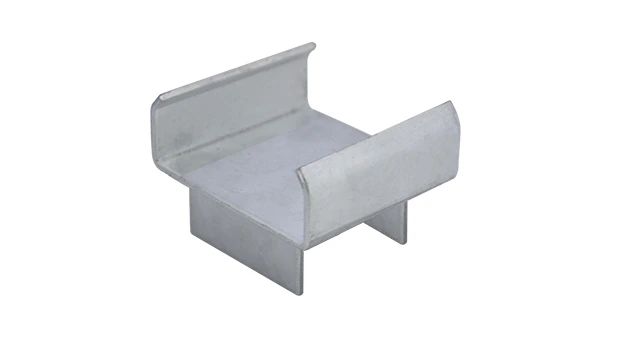
Roller Track Placon Mount Center Support Bracket
Roller track placon mount work as a connector for roller track and pipe or aluminum profile in rack syetem, it is a necessary parts in rack system which widely used in industrial plant and logistic,warehouse storage.
Building adaptable, efficient workflows for modern manufacturing challenges
The Why: Why Flexible Production Lines Matter Today
Ever walked into a manufacturing plant and noticed how some lines hum with smooth, almost rhythmic motion—while others feel clunky, with workers pausing to adjust equipment or hunt for tools? The difference often boils down to one key factor: flexibility. In an era where consumer demands shift overnight, product lifecycles shrink by the month, and customization requests pour in daily, rigid production lines are becoming a liability.
Think about it: A traditional assembly line built for a single product might take weeks to reconfigure when a new model launches. By then, competitors with agile setups have already captured the market. This is where flexible production lines step in—not just as tools, but as strategic assets. They're designed to evolve with your needs, using modular components that can be rearranged, reused, and repurposed. And at the heart of this adaptability lies smart design—starting with the right parts, like the roller track placon mount center support bracket, and a mindset focused on "sustainable improvement."
Key Insight: Flexible lines aren't just about saving time during reconfigurations. They reduce waste (materials, labor, space), boost employee morale (less frustration with outdated setups), and let you respond to opportunities faster—whether that's a sudden spike in demand or a niche customer's custom order.
Step 1: Start with the "Who, What, and Where" of Your Production
Designing a flexible line isn't about picking random parts from a catalog. It starts with asking the right questions. Let's break it down:
Understand Your Product and Volume
Are you assembling small 3C gadgets (like smartphones) that zip through the line, or heavy medical devices that need careful handling? A line for 10,000 units/month will look different from one built for 1,000 custom pieces. For example, 3C assembly often requires esd workbench setups to protect sensitive electronics from static, while automotive parts might need sturdier lean pipe workbench surfaces to handle metal components.
Map Your Industry's Unique Needs
Every sector has its quirks. Medical device manufacturers, for instance, need easy-to-clean surfaces and strict adherence to hygienic workflows. Warehousing and logistics thrive on flow rack systems that keep inventory moving with minimal manual effort. Take the time to list your industry's non-negotiables—they'll shape every component choice later.
Assess Your Space and Layout
Even the most flexible components won't help if your line crams workers into tight corners or forces (materials) to travel unnecessary distances. Sketch your available space, noting doorways, power outlets, and existing infrastructure. Ask: Where do materials enter? Where do finished products exit? Can we reduce "touch points" by arranging workstations in a U-shape or linear flow?

Step 2: Choose Your Core Components (The "Building Blocks")
Now comes the fun part: selecting the parts that will make your line tick. Let's focus on the stars of the show—components that balance flexibility, durability, and ease of use.
The Unsung Hero: Roller Track Placon Mount Center Support Bracket
You might not have heard of it before, but the roller track placon mount center support bracket is a game-changer for (flow rack) and conveyor systems. Unlike basic brackets that loosen over time or limit adjustability, this bracket is designed for stability and adaptability. It securely holds roller tracks in place, even when heavy bins slide across them all day. What makes it special?
- Modular Mounting: Attaches to aluminum profiles or workbenches without welding, so you can reposition tracks in minutes.
- Weight Capacity: Supports heavier loads than plastic alternatives—critical for automotive or industrial parts.
- Precision Alignment: Keeps tracks level, preventing jams and ensuring smooth material flow (no more stuck bins halfway down the line).
Workstations That Work With Your Team: Lean Pipe Workbench
Your workers spend 8+ hours at their workstations—make them count. A lean pipe workbench (built with aluminum or steel lean pipes) isn't just a table; it's a customizable hub. Here's how to design one that fits:
- Height Adjustability: Use adjustable feet or telescoping pipes to match workers' heights—say goodbye to strained backs.
- Accessory Integration: Add tool hooks, bin holders, or monitor mounts using compatible lean pipe joints. Need an ESD mat for electronics assembly? Just clamp it on.
- Portability: Add casters for workstations that need to move (like temporary lines for seasonal products) or fix them in place for permanent setups.
Flow Racks: Keep Materials Moving, Not Waiting
Flow rack systems turn "waiting for parts" into "parts arriving just in time." By using gravity to feed materials from the back to the front, they enforce FIFO (First-In-First-Out) inventory management and cut down on walking time. Pair them with your roller track brackets for maximum impact:
| Flow Rack Setup | Best For | Pro Tip |
|---|---|---|
| Single-depth racks with roller tracks | High-turnover, lightweight parts (e.g., 3C screws, small medical components) | Use the placon mount bracket to angle tracks slightly downward for gravity flow. |
| Double-depth racks | Low-turnover or bulky items (e.g., automotive panels) | Add dividers to separate SKUs and prevent mix-ups. |
| ESD-safe flow racks | Electronics manufacturing (PCBs, semiconductors) | Pair with ESD roller tracks to avoid static damage. |
Conveyors: Connecting Workstations Seamlessly
No line is complete without a way to move products between stations. Conveyor systems come in all shapes—roller, belt, chain—but the best choice depends on your products. For example:
- Roller Conveyors: Ideal for rigid items like boxes or metal parts (use your placon mount brackets to support longer tracks).
- Belt Conveyors: Better for fragile items (e.g., glass components) or irregular shapes.
- Flexible Chain Conveyors: Navigate tight corners, perfect for compact spaces.

Step 3: Assemble and Integrate (The "How-To")
Now that you've picked your components, it's time to bring them together. Follow these steps to avoid common headaches:
1. Prep the Space
Mark positions with tape or chalk first—measure twice, drill once! Ensure floors are level (use a laser level for accuracy). If you're installing conveyor systems or heavy flow racks, check that the floor can support the weight (especially important for second-floor setups).
2. Build the Framework with Lean Pipes
Start with the skeleton: use aluminum lean pipes and joints to build the frame for workbenches, flow racks, and support structures. Tighten joints securely, but remember—part of flexibility is being able to loosen them later for adjustments. Pro tip: Label pipes and joints with numbers during assembly so you can replicate the setup later if needed.
3. Install Roller Tracks with Placon Mount Brackets
Here's where your roller track placon mount center support bracket shines. Attach brackets to the frame at 12-18 inch intervals (closer for heavier loads). Slide roller tracks into the brackets and secure them with the included hardware. Test the flow by sliding a bin down the track—adjust the angle if it's too slow or too fast.
4. Add Workstations and Conveyors
Mount your lean pipe workbench tops to the frames, ensuring they're at a comfortable height (typically 36-40 inches for standing workstations). Connect conveyors between stations, aligning them carefully to avoid gaps where parts could get stuck. If using ESD components, double-check that all surfaces are grounded.
5. Test, Tweak, Repeat
Run a test batch through the line with your team. Ask for feedback: Is the material flow smooth? Are tools within easy reach? Do any stations feel cramped? Make adjustments—this is where the "sustainable improvement" part of lean manufacturing kicks in. Even small tweaks (like repositioning a flow rack by 6 inches) can boost efficiency.
Real-World Example: A 3C Assembly Line Transformation
Let's put this into context with a real scenario. A mid-sized 3C manufacturer was struggling with frequent product changes—they'd launch a new smartphone model every 6 months, and reconfiguring their old rigid line took 2 weeks of downtime. Their goals: cut reconfiguration time to 2 days, reduce material handling errors, and improve ergonomics for workers.
The Solution: A custom lean solution using aluminum lean pipes, esd workbench setups, flow racks with placon mount brackets, and a small roller conveyor system.
The Results:
- Downtime: From 2 weeks to 1.5 days (thanks to modular components that snap together).
- Errors: Material handling mistakes dropped by 40% (FIFO flow racks eliminated picking the wrong parts).
- Morale: Workers reported less fatigue (adjustable workbenches reduced strain) and faster task completion.
Pro Tips for Long-Term Success
Flexible lines are an investment—keep them performing at their best with these tips:
- Train Your Team: Teach workers how to adjust components (e.g., repositioning brackets or changing workbench heights). Empower them to suggest improvements.
- Stock Spare Parts: Keep extra lean pipe joints, brackets, and roller tracks on hand for quick repairs.
- Document the Setup: Take photos and notes of successful configurations—you'll thank yourself when it's time to reconfigure again.
- Embrace Data: Track metrics like line changeover time, throughput, and error rates. Use the data to identify bottlenecks.
Final Thoughts: Your Line, Your Competitive Edge
Designing a flexible production line isn't just about buying parts—it's about building a system that grows with your business. By choosing components like the roller track placon mount center support bracket , lean pipe workbench , and flow rack , you're not just creating a line that works today—you're creating one that can adapt to whatever tomorrow brings.
Remember, the best flexible lines are built with both machines and people in mind. When your team has the tools to work efficiently and comfortably, and your business can pivot quickly to meet demand, you're not just keeping up—you're leading the pack.