- Company Articles
- Products and Technology
- Installation And Maintenance
- How to Extend 60 Steel Roller Track Green's Lifespan: Expert Maintenance Insights

How to Extend 60 Steel Roller Track Green's Lifespan: Expert Maintenance Insights
Related Product
60 Steel Roller Track Green
The roller track can be installed with multiple accessories to create different slopes and configurations of flow racks.All steel conveyor 60 roller track accessories are engineered to perfectly fit the sliding rail.It is enable the movement of SLC boxes.
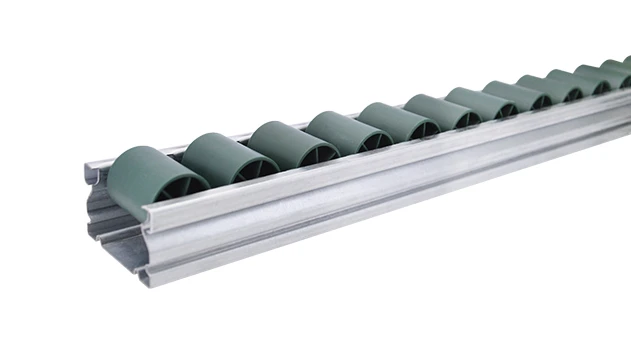
Keeping your 60 Steel Roller Track Green in top shape isn't just about fixing problems when they pop up—it's about protecting your investment, keeping your production lines running smoothly, and aligning with the lean principles that drive efficiency in modern manufacturing. Whether this track is part of a flow rack in your warehouse, a section of a conveyor moving parts down an assembly line, or a key component of your lean system, proper maintenance can add years to its lifespan and save you from costly downtime.
As someone who's worked with manufacturing equipment for years, I've seen firsthand how a small oversight—like skipping a lubrication check or ignoring a loose roller track connector—can lead to big issues. A jammed track in a 3C assembly line can halt production for hours, while a rusted section in a warehouse flow rack can compromise the safety of your inventory. That's why I've put together this guide: to share expert insights on maintaining your 60 Steel Roller Track Green, from daily routines to long-term optimization.
In this article, we'll dive into everything you need to know: understanding the track's design and purpose, daily maintenance habits that prevent problems, troubleshooting common issues, and how to work with reliable suppliers (like lean pipe suppliers who offer compatible parts) to keep your track in great condition. Let's get started.
1. Understanding Your 60 Steel Roller Track Green
Before we jump into maintenance tips, let's take a minute to talk about what makes the 60 Steel Roller Track Green unique. This track is a staple in many manufacturing and warehouse settings, thanks to its durable steel construction and vibrant green coating that resists corrosion. It's designed to handle heavy loads (depending on the model) and is often used in flow racks, conveyors, and lean workstations.
One of the key features of this track is its compatibility with a range of accessories—like roller track connectors that let you link multiple sections together, or caster accessories if you're using it on a mobile trolley. For example, in a warehouse flow rack, the 60 Steel Roller Track Green is arranged in sloped sections to let boxes slide down easily, reducing the need for manual lifting. In a production line, it might be part of a conveyor that moves parts from one station to the next, keeping assembly processes efficient.
The green coating isn't just for looks—it's a protective layer that shields the steel from moisture and rust. But like any coating, it can chip or wear off over time, so part of your maintenance routine will involve checking for these signs and addressing them quickly.
Another thing to note: this track is part of a larger lean ecosystem. If you're using it with lean pipes or other lean system components, your maintenance approach should consider how all these parts work together. For example, if your track is mounted on a frame made from lean pipes, you'll need to check both the track and the frame's connections regularly to ensure stability.
2. Daily Maintenance Practices That Prevent Problems
2.1 Regular Cleaning: Simple but Effective
Cleaning your 60 Steel Roller Track Green is one of the simplest yet most effective ways to prevent problems. Dust, debris, and small particles can get stuck between rollers or in bearing points, causing friction that slows down rollers or even makes them stop spinning.
Here's how to do it right:
- Daily Wiping : Use a dry microfiber cloth to wipe down the surface of the track every day. Focus on areas where dust tends to accumulate—like between rollers and along the edges of the frame. For high-traffic areas (like conveyor sections in 24/7 production lines), you might want to do this twice a day.
- Deep Cleaning : Once a week, use a slightly damp cloth (with mild detergent, like dish soap diluted in water) to clean the track more thoroughly. Avoid using harsh chemicals or abrasive cleaners—these can strip the green coating off the steel, exposing it to rust. After wiping with the damp cloth, dry the track immediately with a clean towel to prevent moisture from seeping into bearing points or under the coating.
- Compressed Air : For hard-to-reach areas (like the gaps between rollers and their mounts), use compressed air to blow out dust and debris. Hold the air nozzle at least 6 inches away from the track to avoid damaging the rollers or connectors.
Why this matters: In a warehouse flow rack, dust buildup can make boxes stick instead of sliding smoothly. In a conveyor system, debris can jam the track, leading to production delays. A clean track not only works better but also lasts longer.
2.2 Lubrication: Do It Right, Not Too Much
Lubrication is essential for keeping the rollers spinning freely, but it's easy to overdo it. Too much lubricant attracts dust and debris, which can cause more harm than good. Here's how to lubricate your 60 Steel Roller Track Green properly:
- Choose the Right Lubricant : Use a light machine oil or silicone-based lubricant. Avoid grease—grease is thick and tends to trap dust, which can clog bearings over time. For example, a 10W-30 machine oil works well for most applications.
- Apply Correctly : Use a needle oiler (a small tool with a thin nozzle) to apply a tiny amount of lubricant to each bearing point. The bearing points are usually located at the ends of each roller, where it connects to the track frame. Don't apply oil to the surface of the rollers—this can make products slip off the track.
- Frequency : How often you lubricate depends on how much you use the track. If it's used 8 hours a day, 5 days a week, lubricate every 3 months. If it's used 24/7 (like in a busy automotive assembly line), lubricate every month. Keep a log of lubrication dates so you don't forget.
Pro Tip: If you notice rollers are starting to spin less freely, it's time to lubricate—don't wait for the scheduled date. A quick lubrication can prevent more serious issues like worn bearings or bent rollers.
2.3 Inspection Routines: Catch Problems Early
Inspecting your track regularly is the best way to catch small issues before they turn into big ones. Let's break down the inspection routine into daily, weekly, and monthly checks:
Daily Checks
- Visual Inspection : Walk along the track and look for any obvious damage—bent rollers, chipped green paint, loose roller track connectors, or debris that's stuck.
- Spin Test : For a few random rollers, give them a gentle spin. They should spin smoothly and stop gradually. If a roller is hard to spin or stops immediately, it might need lubrication or have a damaged bearing.
- Jam Check : If the track is part of a conveyor or flow rack, run a test product through it to make sure it moves without jamming.
Weekly Checks
- Tighten Connectors : Use a wrench to tighten any loose roller track connectors. Loose connectors can cause the track to misalign, leading to jams or even the track coming apart.
- Frame Check : Inspect the steel frame for signs of rust or corrosion. If you see any chipped paint (exposing the steel), sand the area lightly and apply a touch-up coat of green paint (matching the track's color) to prevent rust from spreading.
- Alignment Check : For tracks that are part of a conveyor system, check if the track is aligned properly. If products are veering to one side, the track might be misaligned—adjust the connectors or frame to fix this.
Monthly Checks
- Roller Wear : Measure the diameter of a few rollers. If a roller's diameter has decreased by more than 5% (compared to a new roller), it's time to replace it. Worn rollers can cause products to move unevenly or jam.
- Bearing Health : Remove one or two rollers (if possible) and check the bearings for signs of wear or damage. If the bearings are noisy or don't spin freely, replace the roller.
- Load Capacity Check : Remind your team of the track's load capacity. Overloading is one of the biggest causes of track damage. For example, if your 60 Steel Roller Track Green is rated for 150kg per meter, don't stack boxes that exceed this weight.
Why this matters: A monthly check might take 15 minutes, but it can save you from a $1000 repair or a day of downtime. For example, catching a loose roller track connector early can prevent the track from shifting and causing a jam in your production line.
2.4 Load Management: Don't Push It Beyond Limits
Every piece of equipment has its limits, and the 60 Steel Roller Track Green is no exception. Overloading can bend the frame, damage rollers, or even cause the track to collapse. Here's how to manage loads properly:
- Know the Capacity : Check the manufacturer's specifications for your track's load capacity. If you don't have this information, contact your supplier (like a lean pipe supplier who provided the track) to get the details.
- Even Distribution : When placing products on the track, spread the weight evenly. Don't pile all your heavy boxes on one section—this can stress the frame and rollers. For example, in a warehouse flow rack, place heavier boxes on the lower levels and lighter ones on the upper levels to balance the load.
- Avoid Shock Loads : Don't drop heavy items onto the track. Shock loads can bend rollers or crack the frame. Instead, place items gently on the track.
- Train Your Team : Make sure everyone who uses the track knows the load limits and how to place items correctly. A quick training session can prevent a lot of damage.
Example: In a medical device manufacturing facility, a worker once dropped a 200kg box onto a 60 Steel Roller Track Green rated for 150kg. The frame bent, and the track had to be replaced—costing the company $500 and halting production for 2 hours. This could have been avoided with proper load management.

3. Common Issues & Troubleshooting
Even with the best maintenance, problems can still happen. Here's a quick reference table to help you troubleshoot common issues with your 60 Steel Roller Track Green:
| Common Issue | Possible Causes | Step-by-Step Solution |
|---|---|---|
| Rollers not spinning smoothly |
1. Dust/debris in bearings
2. Lack of lubrication 3. Bent roller |
1. Use compressed air to blow debris from bearings
2. Lubricate bearings with light oil 3. replace bent roller if needed |
| Track misalignment (products veer off) |
1. Loose roller track connectors
2. Uneven floor 3. Bent frame |
1. Tighten all connectors
2. Adjust leveling feet (if applicable) 3. Straighten frame or replace damaged section |
| Rust spots on frame |
1. Chipped green paint exposing steel
2. Exposure to moisture 3. Harsh cleaning chemicals |
1. Sand rusted area lightly
2. Apply touch-up green paint 3. Switch to mild cleaning products |
| Products jamming on track |
1. Misaligned rollers
2. Overloaded track 3. Debris in track 4. Worn rollers |
1. Realign rollers
2. Reduce load to within capacity 3. Clean debris from track 4. replace worn rollers |
| Loose roller track connectors |
1. Vibration from heavy use
2. Improper installation 3. Wear and tear over time |
1. Tighten connectors with a wrench
2. replace worn connectors (use genuine parts from your supplier) 3. Check connectors weekly to prevent recurrence |
This table is a handy tool to keep near your track—print it out and post it on the wall so your team can quickly address issues without waiting for an expert.

4. Long-Term Care & Optimization
To get the most out of your 60 Steel Roller Track Green, you need to think beyond daily maintenance. Here are some long-term strategies to extend its lifespan:
4.1 Use Genuine Replacement Parts
When you need to replace rollers, connectors, or other parts, always use genuine components from a reliable supplier. For example, if your track was purchased from a lean pipe supplier like szsunqit, reach out to them for replacement parts. Generic parts might not fit properly or be as durable, leading to more frequent issues.
4.2 Upgrade for Better Performance
As your production needs change, consider upgrading your track with compatible accessories. For example, if you're using the track in a conveyor system, adding roller track connectors that allow for easy adjustment can make maintenance faster. Or, if you need to move the track frequently, adding caster accessories (like swivel casters) can make it more mobile—just make sure the casters are rated for the track's load capacity.
4.3 Integrate with Lean Systems
The 60 Steel Roller Track Green is designed to work with lean systems, so take advantage of this. For example, if the track is part of a flow rack, use lean pipes to build a support frame that's easy to disassemble and adjust. This makes it simpler to access the track for maintenance and to reconfigure the rack as your inventory needs change.
4.4 Schedule Professional Inspections
Once a year, bring in a professional to inspect your track. They can spot issues you might have missed—like hidden rust under the coating or worn bearings that are about to fail. A professional inspection can save you from costly repairs down the line.
4.5 Train Your Team Continuously
Maintenance isn't just the job of the repair team—it's everyone's responsibility. Hold regular training sessions to remind your team of the maintenance routines, load limits, and how to report issues. Encourage them to speak up if they notice something wrong—like a loose connector or a jammed roller.
5. Conclusion
Maintaining your 60 Steel Roller Track Green is an investment in your business's efficiency and profitability. By following the daily routines, troubleshooting issues quickly, and using long-term optimization strategies, you can extend its lifespan by 3-5 years or more.
Remember: Every small step counts. A 5-minute daily cleaning, a weekly check of connectors, and a monthly lubrication can prevent big problems. And when you need help—whether it's replacement parts or expert advice—turn to a reliable supplier who understands your needs (like a lean pipe supplier with experience in manufacturing and warehouse equipment).
By taking care of your track, you're not just keeping your equipment running—you're keeping your production lines moving, your team safe, and your business on track to meet its goals. So grab your cloth, your oiler, and start implementing these tips today—your 60 Steel Roller Track Green will thank you.