- Company Articles
- Products and Technology
- Installation And Maintenance
- How to Extend Aluminum Pipe with Board Holder Lifespan

How to Extend Aluminum Pipe with Board Holder Lifespan
Related Product
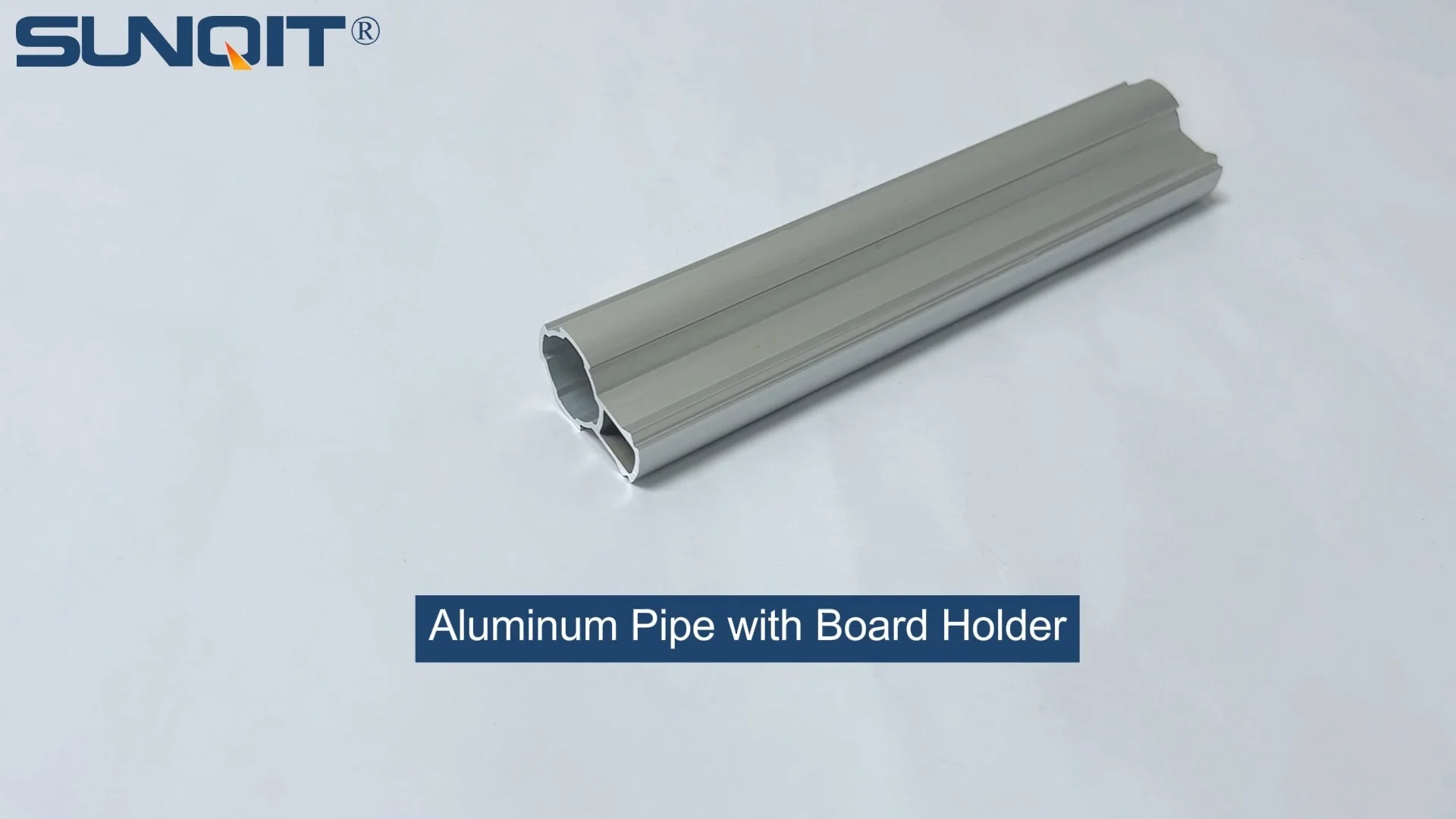
Aluminum Pipe with Board Holder
The linear rolling assembly can be arbitrarily connected in the protruding part of the card slot to increase the rigidity of the track.
First, Let's Get to Know Your Aluminum Pipe with Board Holder
Before we talk about care, let's break down what you're working with. An aluminum pipe with board holder is more than just a pipe and a shelf—it's a system. The star is the lightweight, corrosion-resistant aluminum pipe, often paired with a sturdy board holder that keeps materials or tools within arm's reach. Then there are the unsung heroes: aluminum pipe accessories like joints, brackets, and connectors that hold everything together. Many setups also include caster wheels for mobility or adjustable leveling feet to keep things stable on uneven floors. And if your setup is part of a larger framework, it might even connect to aluminum profile systems, adding rigidity and versatility. Understanding these components helps you spot weak points before they fail.
What's Hurting Your Pipe's Lifespan? Common Culprits
Even aluminum—tough as it is—can wear down faster than it should. Let's call out the usual suspects:- Friction and Daily Grind: Every time you slide materials onto the board holder, adjust the height, or move the unit (thank you, caster wheels!), tiny amounts of friction eat away at surfaces. Over time, this leads to scratches, dents, or loose connections.
- Moisture and Chemicals: Spills happen. Water, oils, or cleaning agents can corrode aluminum if left unchecked, especially in humid environments. Even sweat from hands or condensation can start to dull that shiny finish and weaken joints.
- Overloading: We've all been there—piling more boxes or tools than the board holder is rated for because "it looks sturdy." But aluminum pipes have weight limits, and exceeding them bends pipes, cracks board holders, or strains aluminum pipe accessories like brackets until they snap.
- Loose Connections: Vibration from daily use (or bumping into the unit with a cart) can loosen joints and connectors. A wobbly setup doesn't just feel unstable—it puts extra stress on the pipe, leading to premature fatigue.
- Dust and Debris: Dust isn't just unsightly; it acts like sandpaper. When it builds up on moving parts (like caster wheels or adjustable joints), it scratches surfaces and makes movement harder, increasing wear.

Proactive Care: 7 Habits to Add Years to Your Setup
The good news? Most of these issues are preventable with simple, consistent habits. Let's break down the routine that will keep your aluminum pipe with board holder in top shape.1. Clean It Like You Mean It (But Gently)
Dust and grime are enemy number one. A quick daily wipe-down with a soft, dry cloth removes surface dust before it can scratch. For weekly deep cleans, mix a little mild dish soap with warm water, dampen a cloth, and wipe down the pipe, board holder, and aluminum pipe accessories . Avoid abrasive sponges or harsh cleaners (looking at you, bleach and steel wool)—they'll strip the aluminum's protective layer. Dry thoroughly afterward to prevent water spots or corrosion.2. Lubricate Moving Parts (Yes, Even Aluminum Needs It)
Joints, caster wheels, and adjustable mechanisms need a little slippery love to reduce friction. Every month, apply a silicone-based lubricant (avoid oil-based products—they attract dust) to:- Caster wheel axles (if your setup has caster wheels )
- Adjustable height knobs or levers
- Joints where the board holder connects to the pipe
3. Tighten Loose Ends (Literally)
Vibration from daily use can loosen screws, bolts, and aluminum pipe accessories like brackets or connectors. Spend 5 minutes every two weeks checking all connections. Grab a screwdriver or wrench (the right size—no stripping!) and gently tighten any loose parts. Pay extra attention to where the board holder attaches to the pipe and where the pipe meets the base or adjustable leveling feet . A wobbly setup today becomes a broken one tomorrow.4. Respect the Weight Limit (Your Pipe Will Thank You)
That sticker on the board holder isn't a suggestion—it's a rule. Overloading bends aluminum pipes, cracks the board, and strains joints. If you're unsure of the weight limit, check the manufacturer's specs or test with lighter loads first. Distribute weight evenly, too—piling everything on one side tilts the unit and stresses the pipe unevenly.5. Protect It from the Elements
Aluminum hates moisture, so keep your setup away from leaky windows, sinks, or areas prone to flooding. If you work in a humid environment, consider wiping down the pipe with a dry cloth twice a day. For outdoor use (yes, some setups go there!), invest in a waterproof cover when not in use, and check for rust on metal aluminum pipe accessories regularly.6. Mind the Caster Wheels (If You Have Them)
Caster wheels are a game-changer for mobility, but they take a beating. Keep them clean by removing hair, string, or debris tangled in the wheels—use a toothpick or small brush for tight spots. If a wheel wobbles or locks up, replace it immediately (don't wait for it to break and risk tipping the unit). And when you're not moving the setup, lock the brakes on the caster wheels to prevent unnecessary rolling and wear.7. replace Aluminum Pipe Accessories Early (Don't Wait for Disaster)
Here's a secret: You don't need to replace the entire setup when a bracket cracks or a joint wears out. Most aluminum pipe accessories —like brackets, connectors, or even the board holder itself—are replaceable. Keep an eye out for signs of wear: cracks, bent parts, or parts that no longer tighten properly. Swapping these out early (they're usually affordable!) saves you from a bigger, costlier breakdown later.
Your Maintenance Cheat Sheet: A Weekly/Monthly Checklist
To make this routine stick, here's a handy table to track tasks. Stick it near your workspace as a reminder!| Task | Frequency | Tools Needed | Why It Matters |
|---|---|---|---|
| Wipe down pipe and board holder | Daily | Soft cloth | Prevents dust buildup and scratches |
| Deep clean with soapy water | Weekly | Mild soap, warm water, soft cloth | Removes grime and prevents corrosion |
| Lubricate moving parts | Monthly | Silicone-based lubricant, cloth | Reduces friction and squeaking |
| Tighten joints and accessories | Bi-weekly | Screwdriver, wrench | Prevents wobbling and stress on the pipe |
| Inspect caster wheels (if applicable) | Weekly | Eye inspection, small brush | Catches debris and wear before failure |
| Check for accessory wear | Monthly | Eye inspection | Allows early replacement of brackets/joints |